 Travel Notes
All Articles
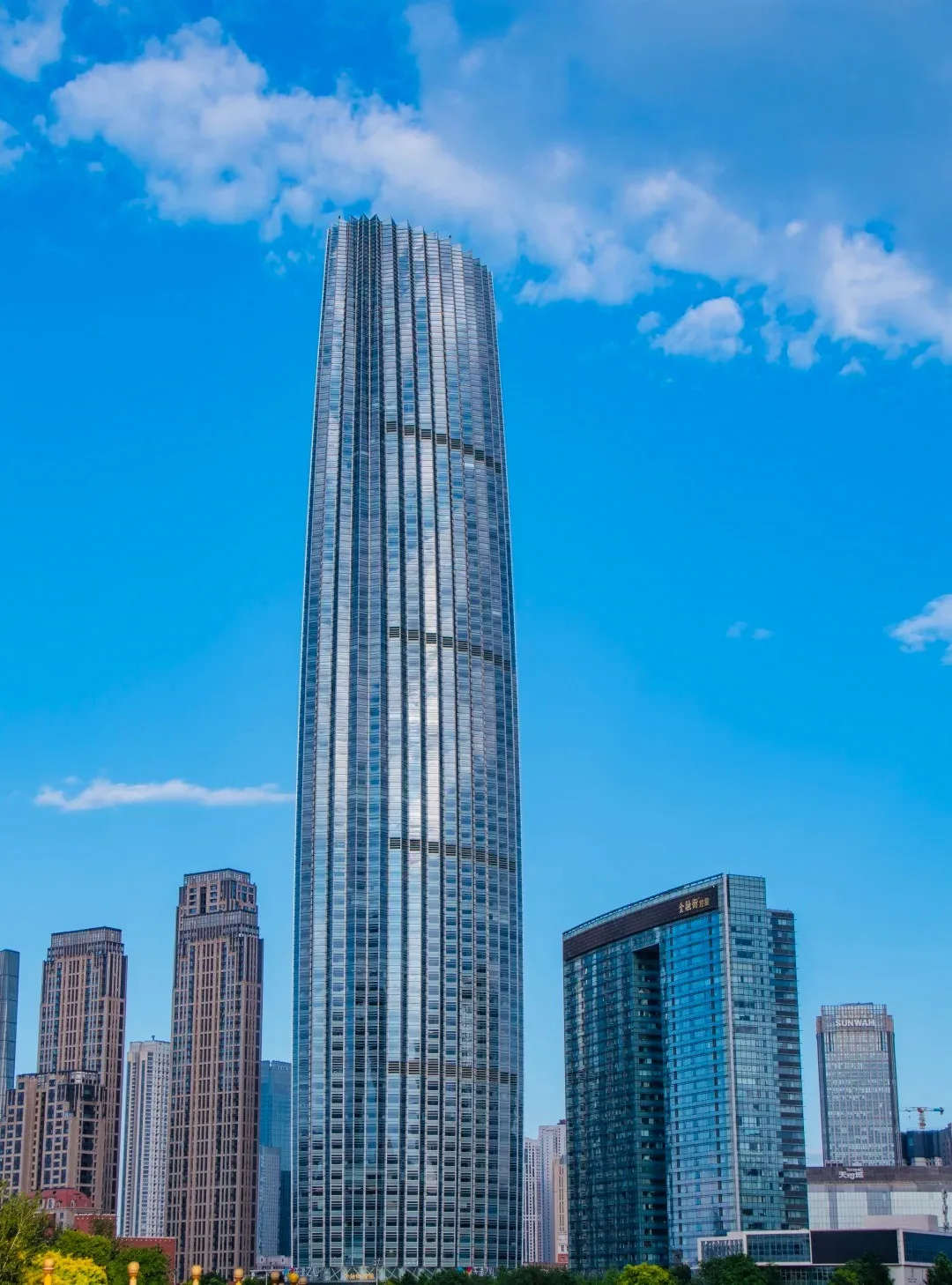
Tianjin Jin Tower: The 336m Landmark by the Hai River and Jinwan Plaza
The Tianjin Jin Tower, or Tianjin IFC, rises 336.9 metres over 75 floors and is the city's tallest building, designed by SOM and completed in 2011. Its base, Jinwan Plaza, opens to the Hai River and is a fine spot to view Tianjin Station and the Liberation Bridge by night.
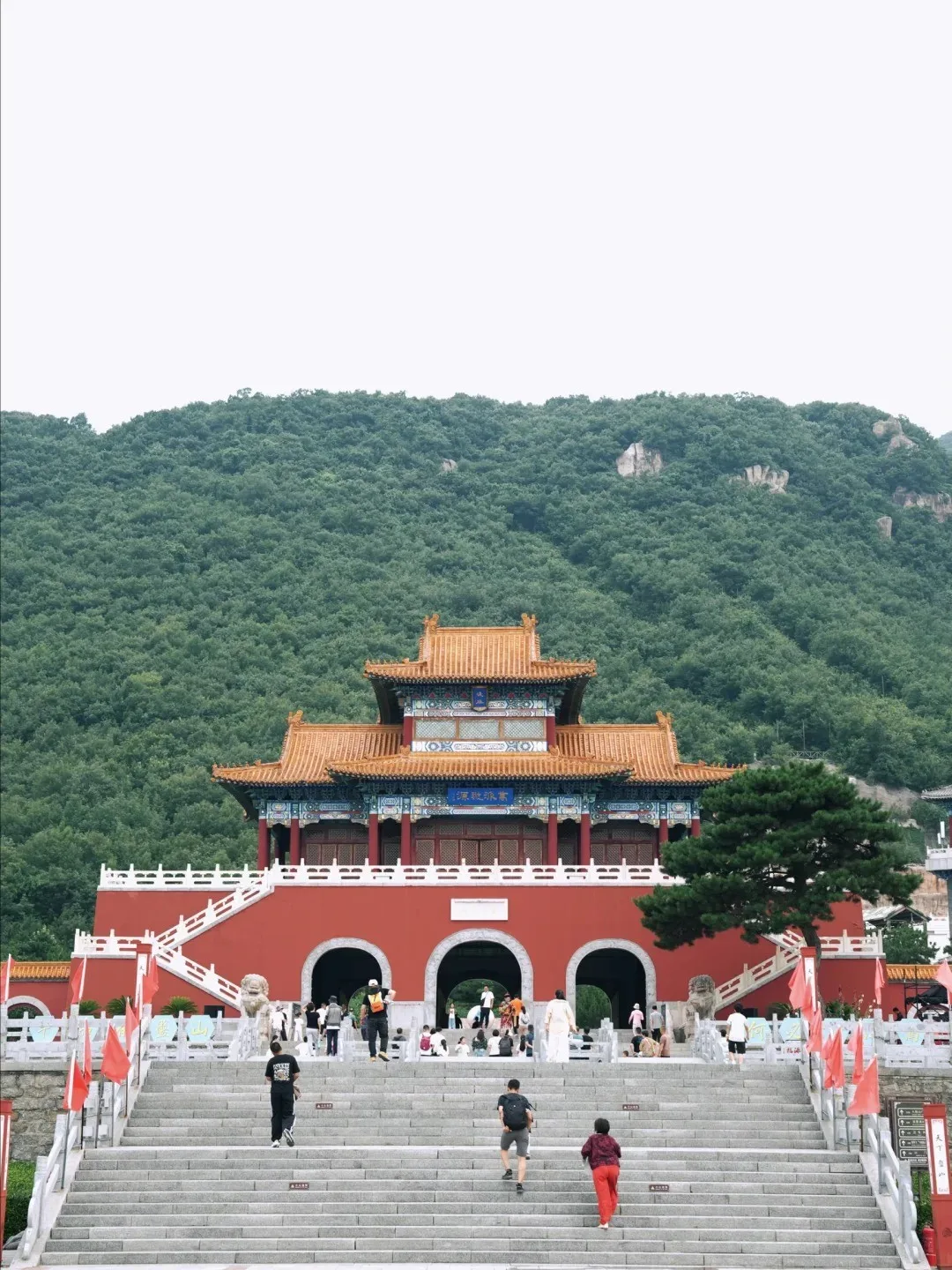
Panshan: The First Mountain East of the Capital
Panshan lies in Jizhou, Tianjin, about 80 km from Beijing; its highest peak, Guayue, rises 864 metres and the mountain is famed for four wonders — strange pines, odd rocks, clear springs and old temples. The Qianlong emperor climbed it thirty-two times and sighed that had he known Panshan he need not have gone south of the river; his retreat villa Jingji Shan zhuang still stands in ruins among the slopes.
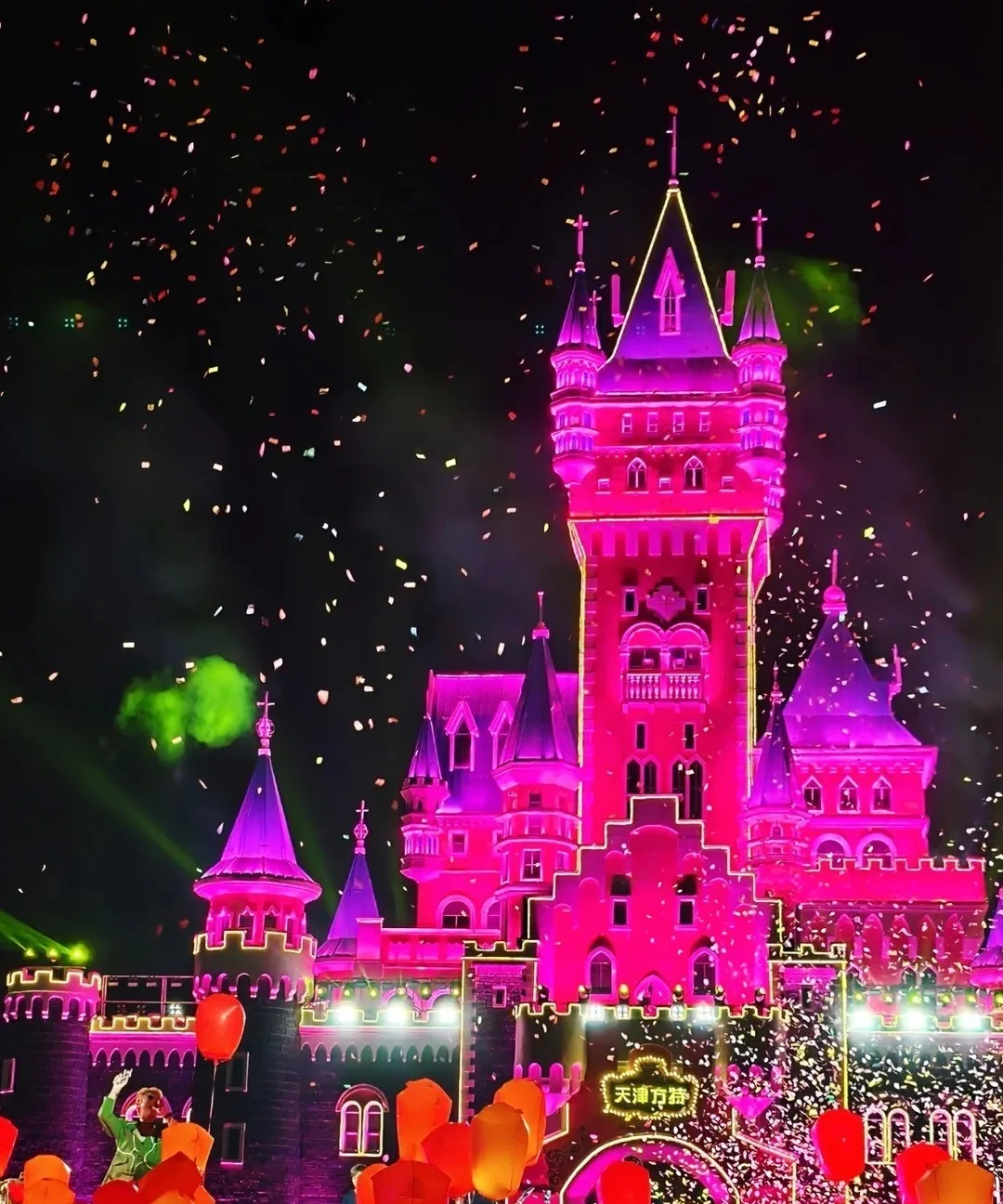
Tianjin Fantawild: A High-Tech Park of Sci-Fi and Animation
Tianjin Fantawild sits in the Sino-Singapore Eco-City, Binhai New Area, opened in 2014 as Huaqiang Fantawild's northern high-tech park. Over twenty projects use VR, 4D and dome screens; Flight of Fantasy, Magic Castle and the Boonie Bears zone suit all ages.
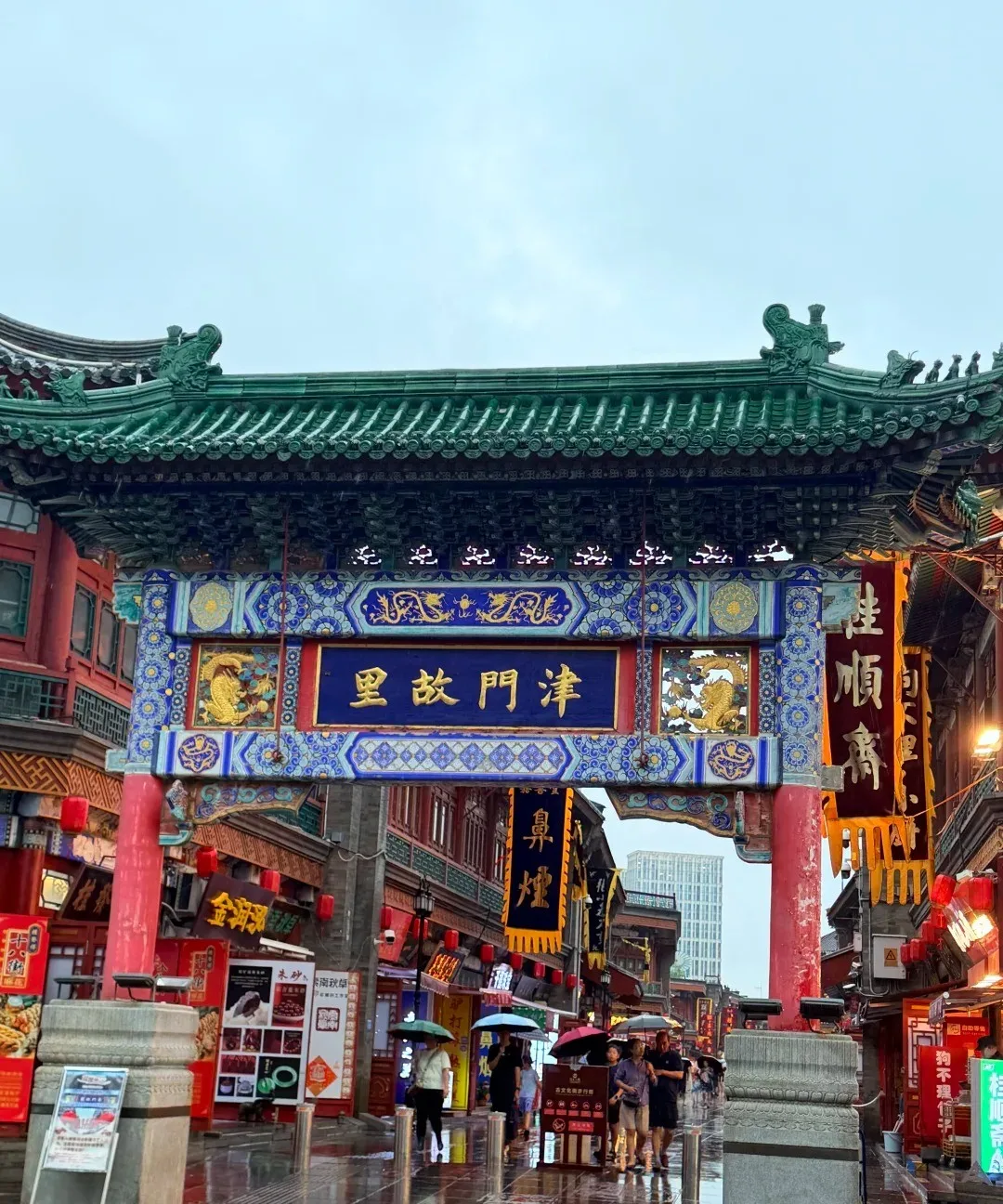
Ancient Culture Street: Tianjin's Old Town of Clay Figures and New Year Prints
Also called the Old Town of Tianjin, Ancient Culture Street lies on the west bank of the Hai River in Nankai and is the city's most representative historic quarter, a 5A scenic spot. The Tianhou Temple, Zhang clay figures, Yangliuqing prints and Wei kites are kept alive here, while Erduyan fried cakes and Shibajie twist carry the scent of the old walled town.
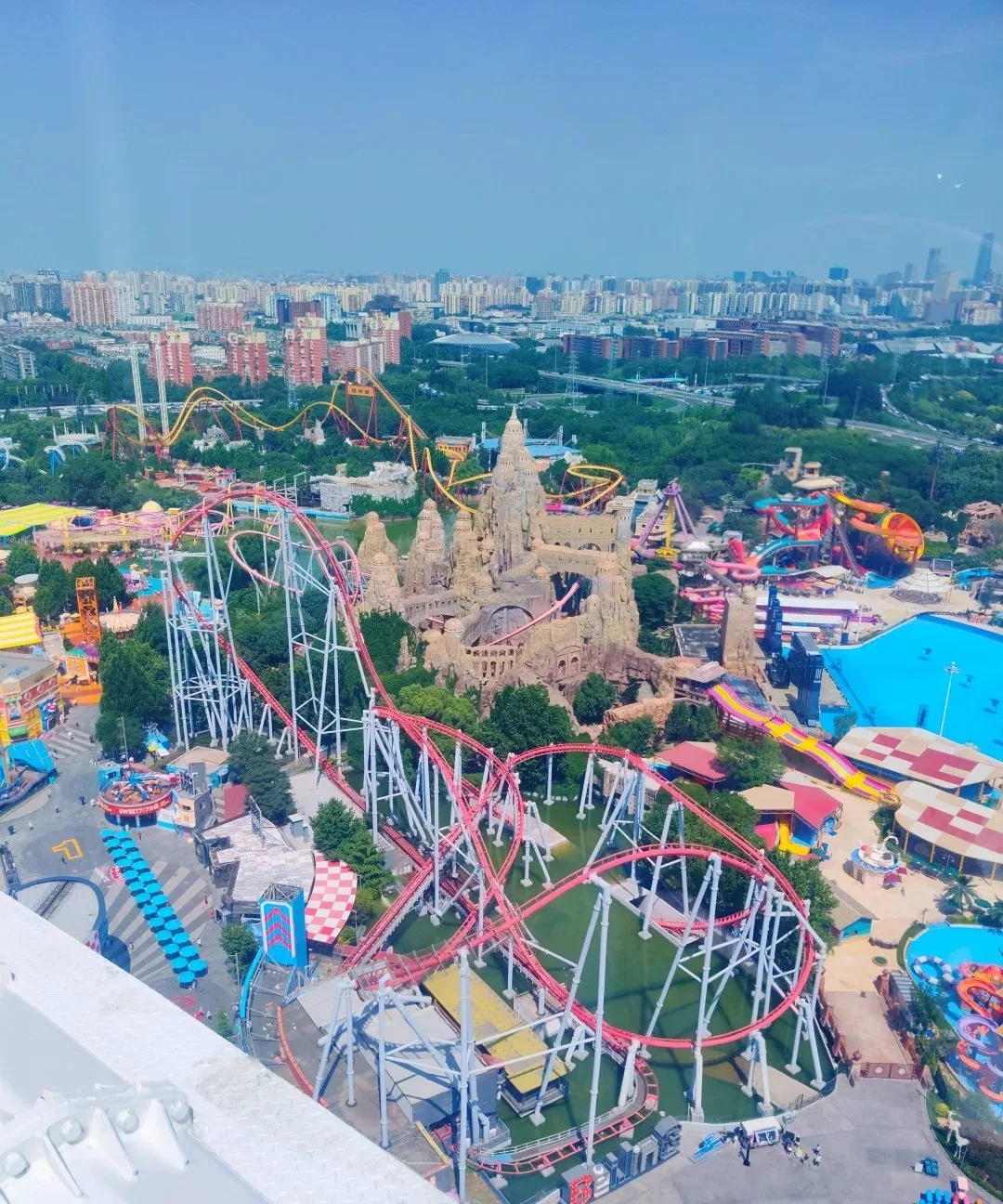
Beijing Happy Valley: One Route Round the Park, Six Roller Coasters
In the southeast corner of Dongcheng's fourth ring, 560,000 square metres and seven themed areas hold China's first launch coaster: 135 km/h, sixty metres high, thirty seconds end to end.
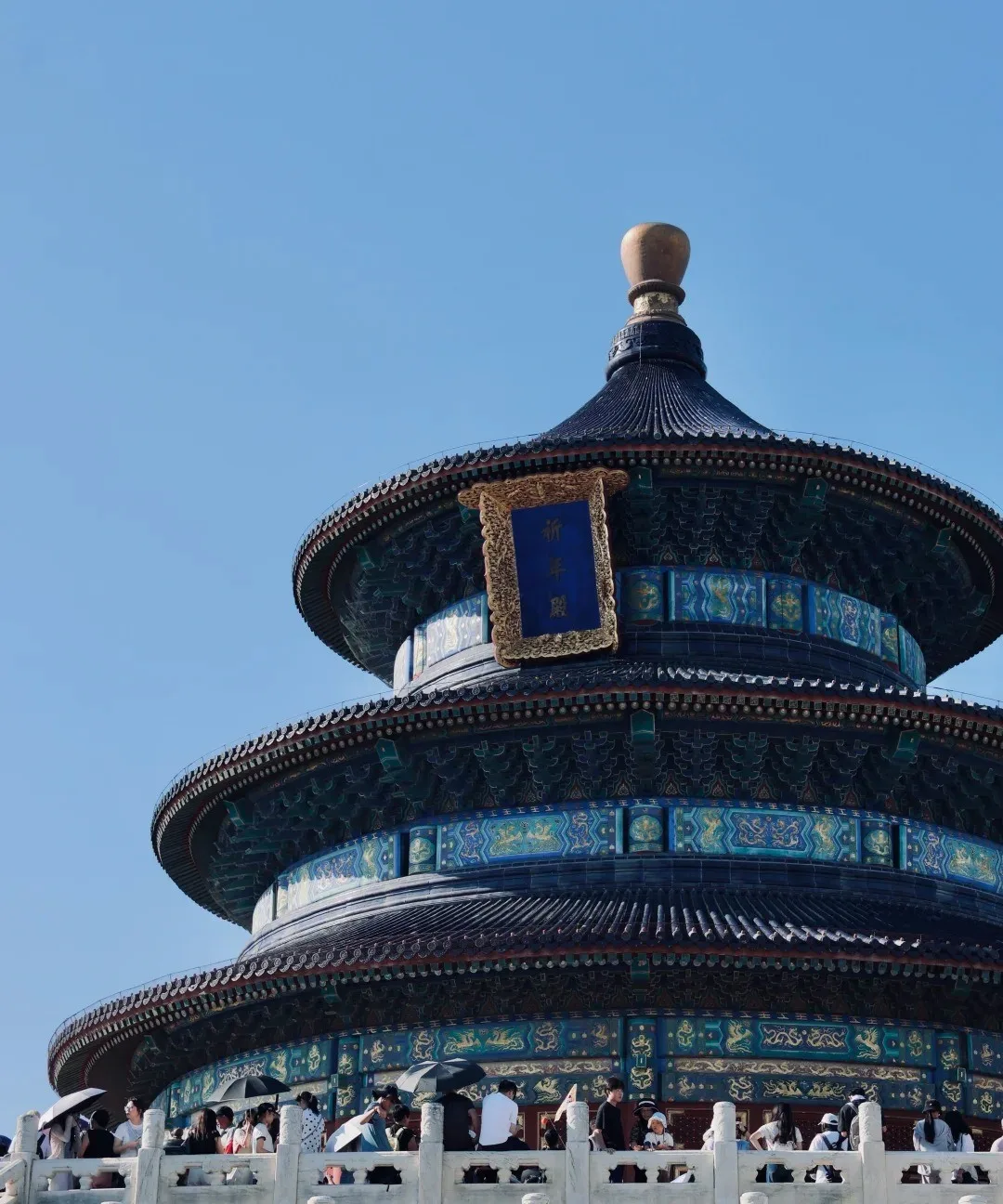
Temple of Heaven: Where the Square and the Circle Met
A circle at the north, a square at the south, and a 360-metre stone causeway running between them to the Hall of Prayer for Good Harvests. The Temple of Heaven turned an idea about the sky into a place you can walk through — sound skims along its walls, and every count of stone is a multiple of nine.
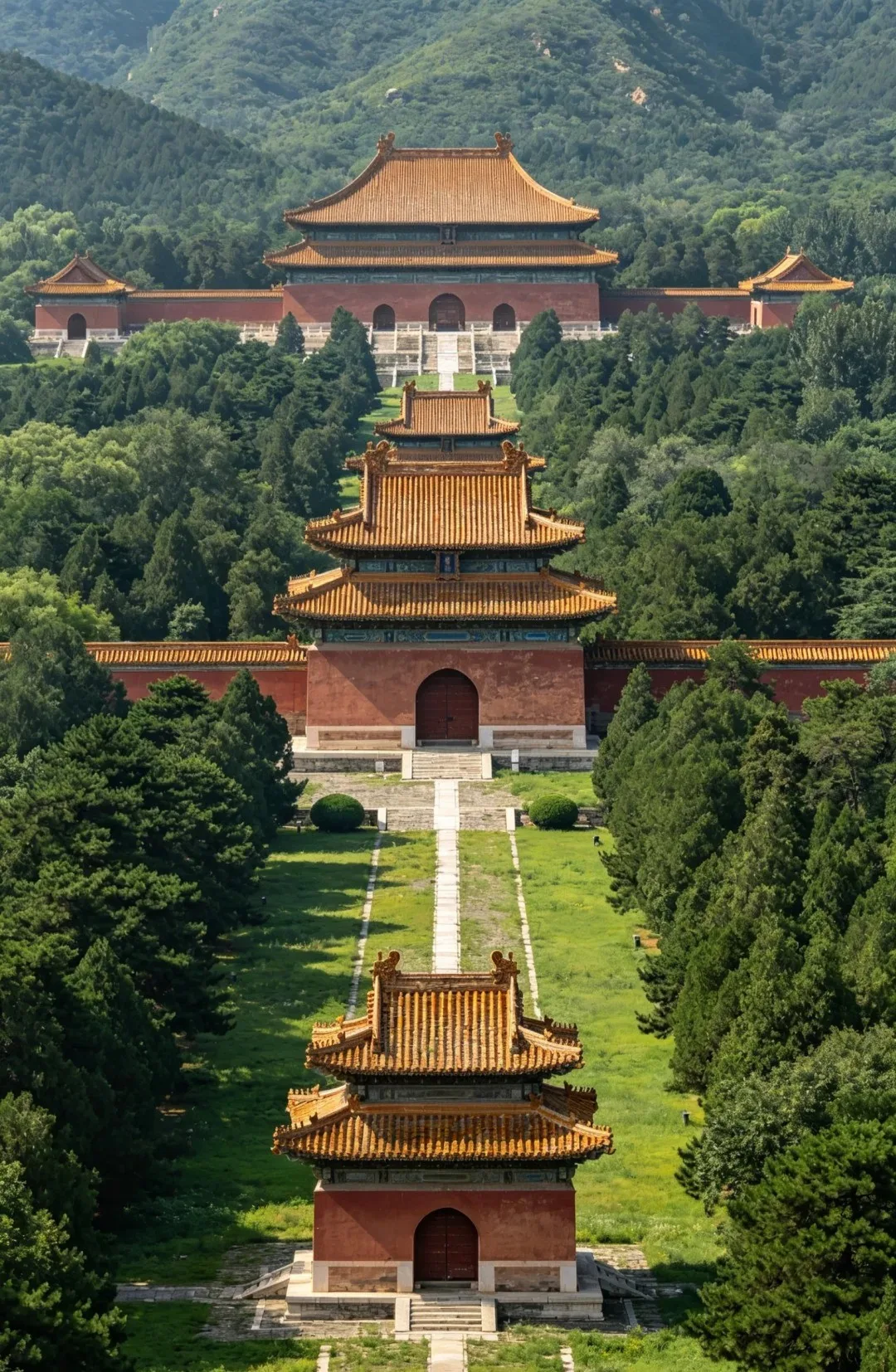
Ming Tombs: Thirteen Emperors in One Mountain Basin
In a forty-square-kilometre basin south of Tianshou Hill lie thirteen emperors of the Ming: the founder's son who moved the capital, the ruler who held no court for twenty-eight years, the last one who hanged himself on Coal Mountain. One stone sacred way, lined with carved animals, links all thirteen.
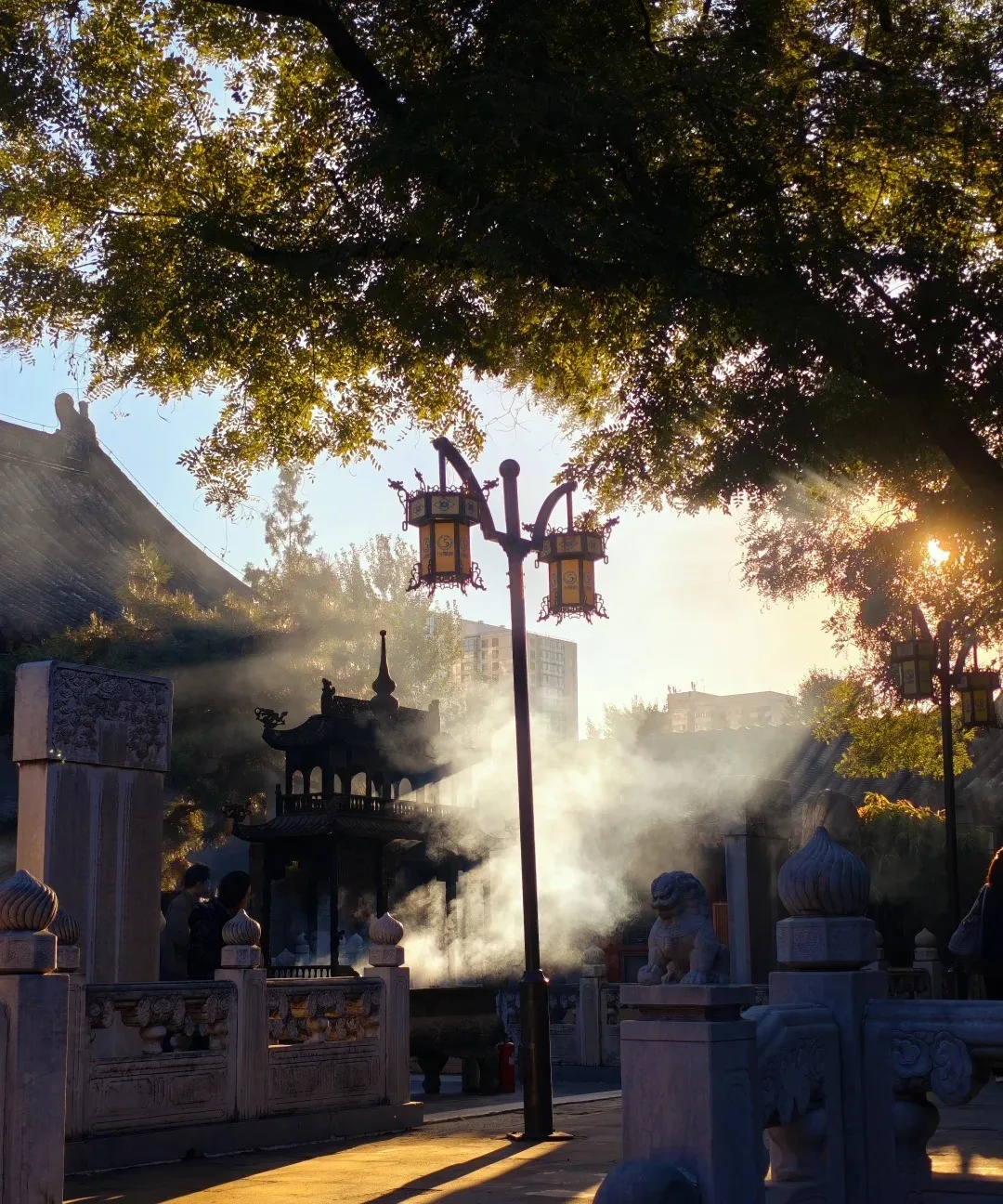
White Cloud Temple: The First Abbey of the Quanzhen Order
No. 9 Baiyunguan Street, Xicheng district. A monastery founded in 739 as Tianchangguan, called Taijigong under the Jin and Changchunguan under the Yuan, took its present name when rebuilt in 1394. Under the statue of Qiu Chuji in the Qiu Zu hall lie his bones; the monastery also keeps a complete 5,305-juan copy of the Daozang canon.
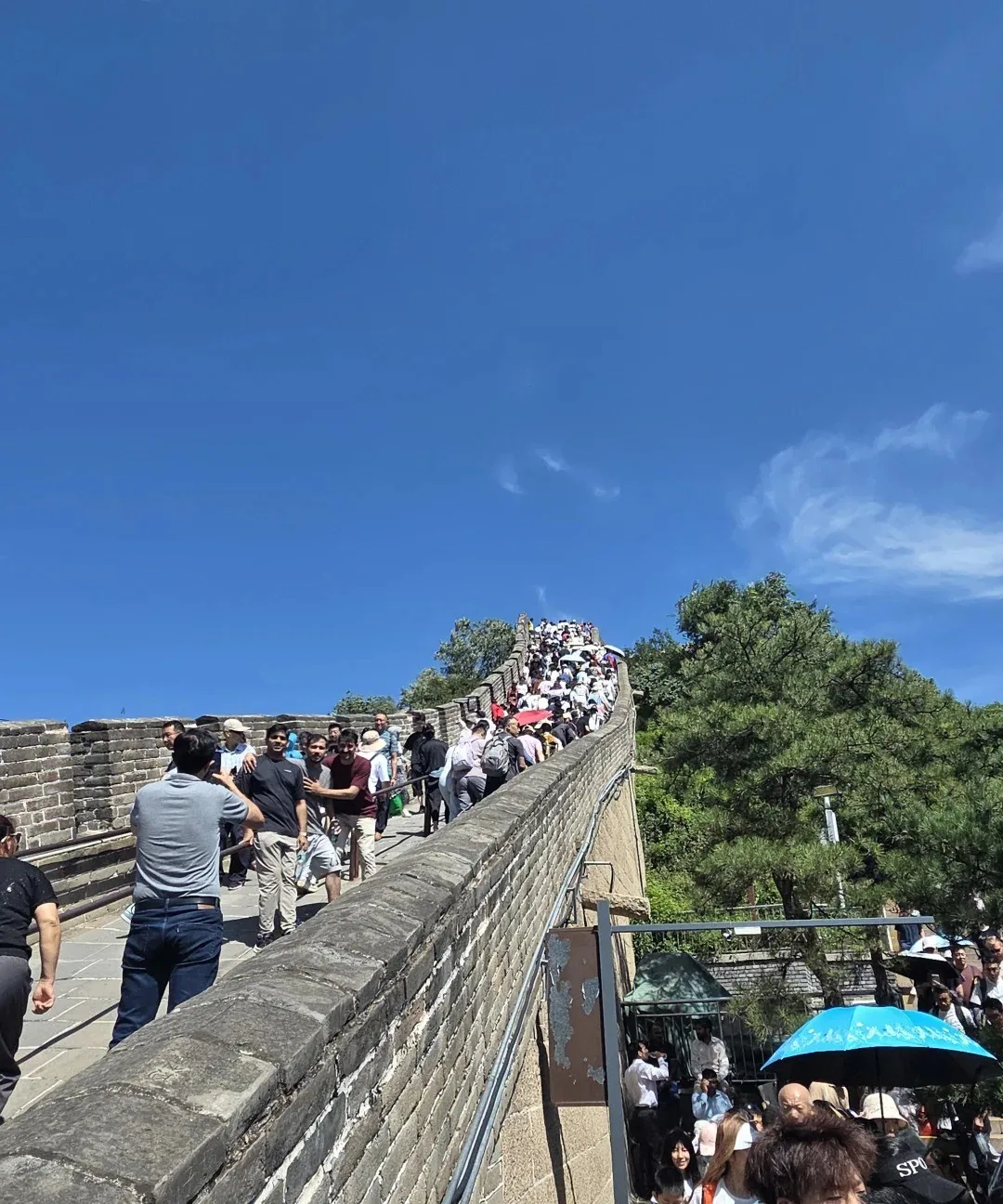
Badaling: The Pass Worth Climbing, and the Trait It Cut Through
A pass at a thousand metres, a Ming section of wall, 3,741 metres of rampart and nineteen beacon towers. Badaling is neither the longest nor the most dramatic stretch of the Great Wall — but it was the first to open to visitors, which is why six centuries later almost everyone recognises this particular frame.
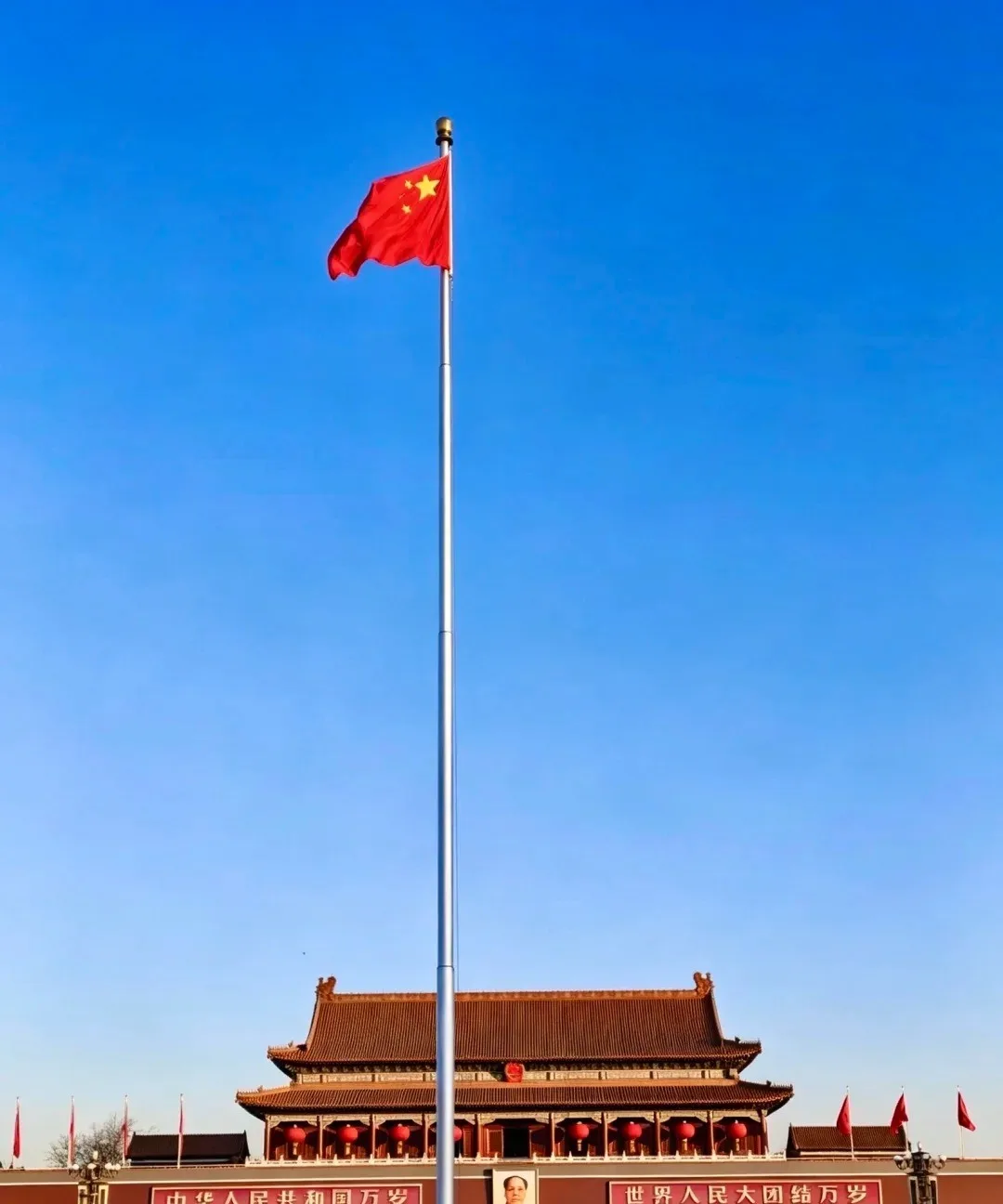
Tiananmen Square: An Eight-Hundred-Metre Central Axis
Eight hundred eighty metres north to south, five hundred east to west, 440,000 square metres, room for a million people. In the Ming and Qing it was a T-shaped street that ordinary subjects could not enter; only after the founding ceremony of 1 October 1949 did it become what it is.
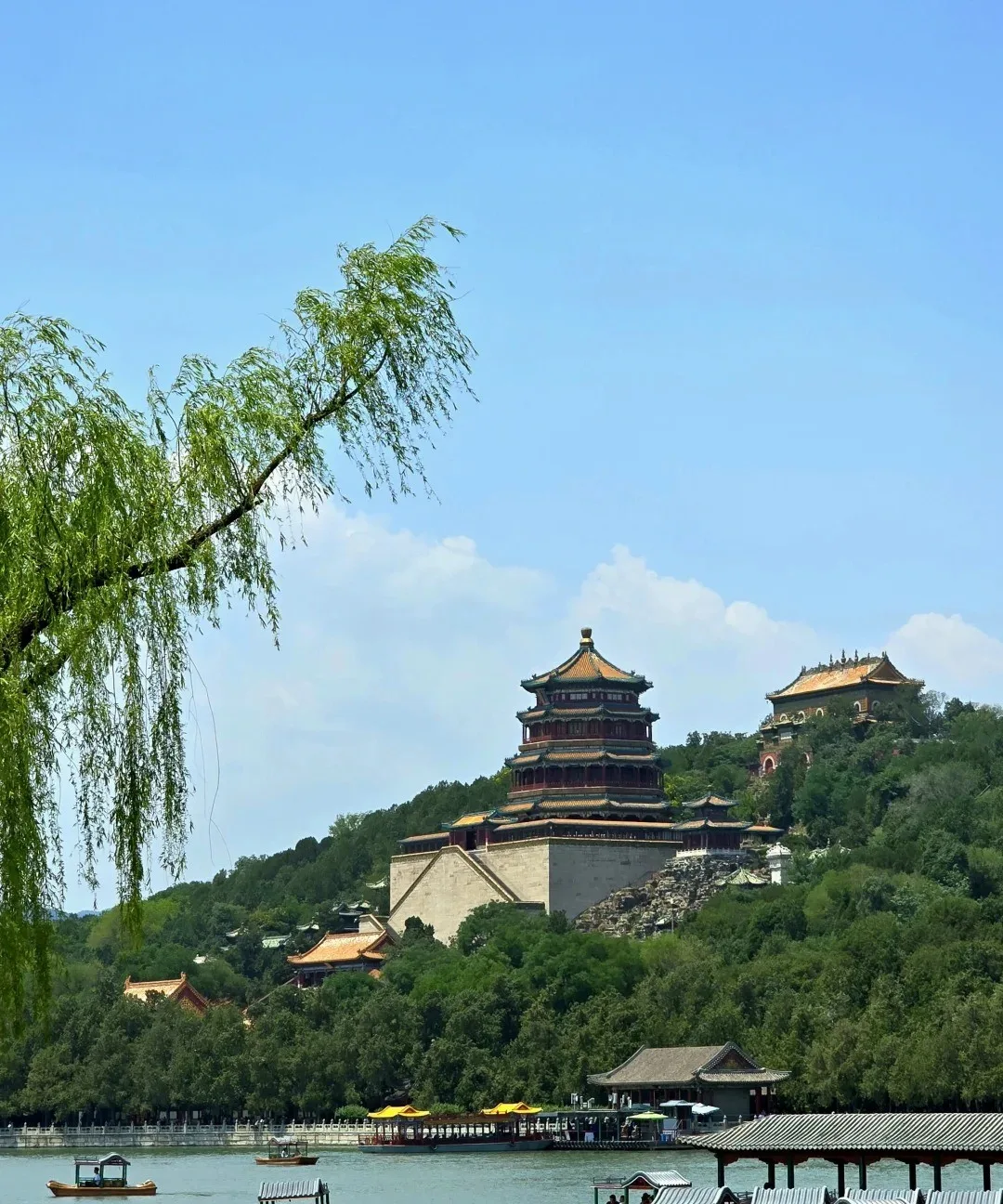
Summer Palace: A Southern Landscape Transplanted to the North
Trying to honour his mother's sixtieth birthday, the Qianlong emperor reworked the western water system and in the process left behind three hundred hectares of lake in north-west Beijing. The long corridor runs 728 metres, Kunming Lake covers 220, and everything else is rockery, colonnades and a stubborn idea of the south.
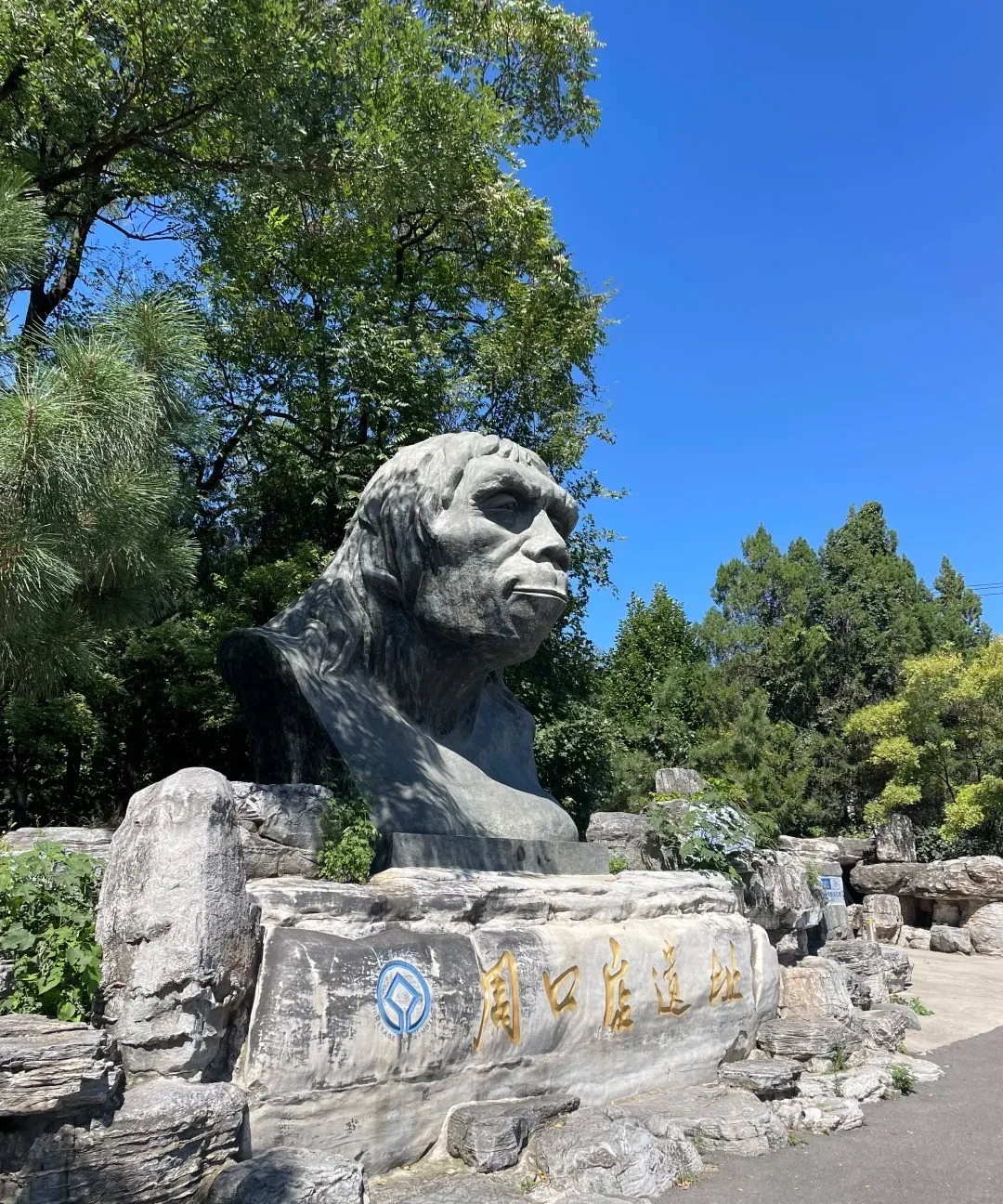
Zhoukoudian Peking Man Site: The First Spade Back in 1929
Beneath a cave on Longgu Shan, some forty metres of silt have built up layer by layer, and the Peking Man skulls sit in level eleven. On 2 December 1929 Pei Wenzhong lifted out the first complete one. In 1941 the collection vanished in the fighting.
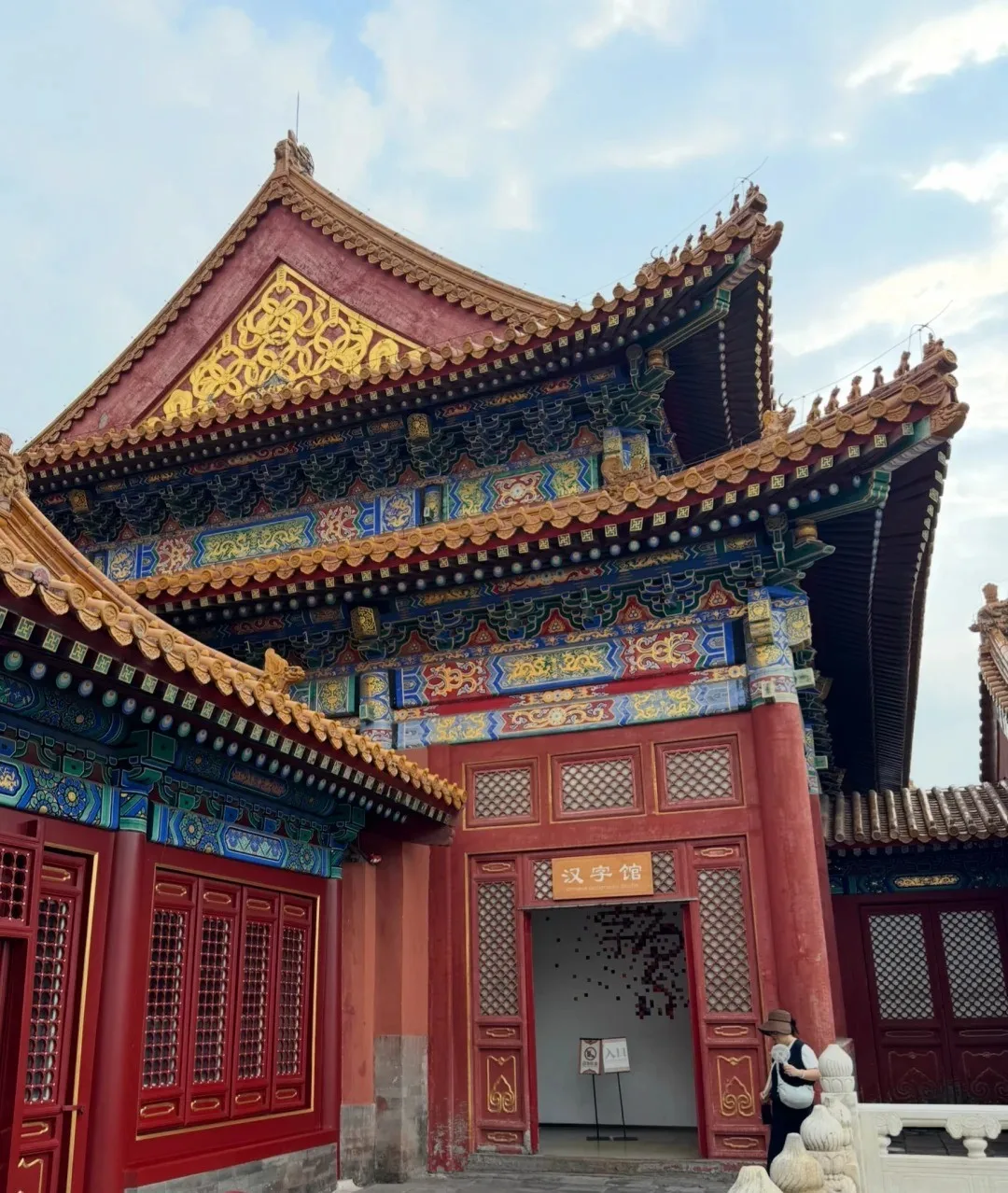
Forbidden City: A Wooden City Standing on Beijing's Central Axis
For two dynasties, China piled its most expensive timber, its longest central axis and its strictest rituals inside one walled rectangle. The Forbidden City grew out of a single decision to move the capital north, burned down four times, was rebuilt four times, and today is still the quietest large courtyard in Beijing.
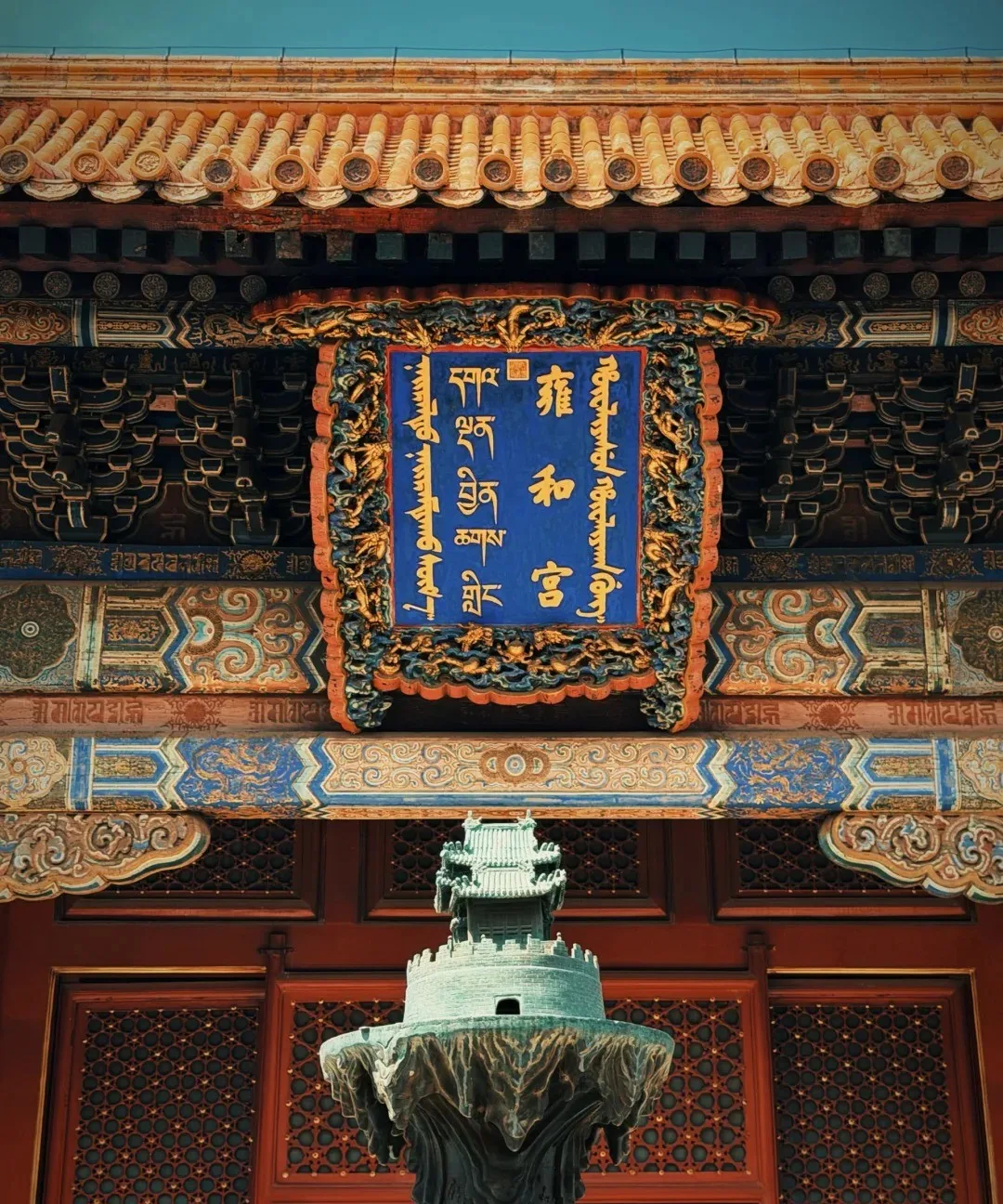
Yonghe Temple: From a Prince's Mansion to Beijing's Largest Tibetan Buddhist Temple
Yonghe Temple began as the mansion where Yongzheng lived as a prince, and was turned into a Tibetan Buddhist monastery in 1744 by his son Qianlong. Red walls and yellow tiles, seven courtyards, and an eighteen-metre Maitreya carved from a single sandalwood trunk make it one of Beijing's busiest places of worship.
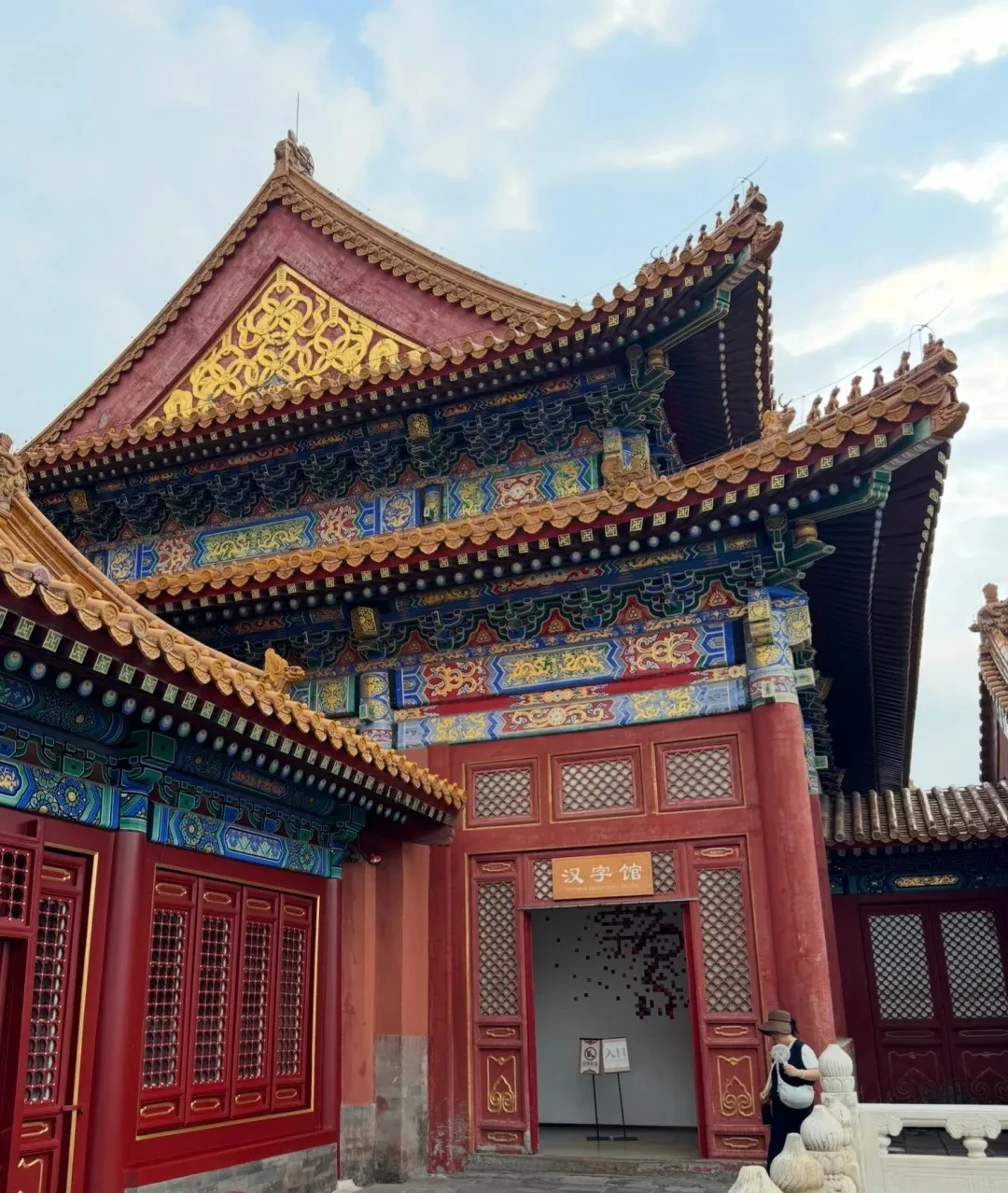
Beijing Travel Guide: Three Millennia of Capital, the Central Axis and Seven World Heritage Sites
Beijing has three thousand years of city-building and eight hundred years as an imperial capital, with seven World Heritage Sites inside and around it. Here is how to make sense of the city's grand axis and palace complexes — and its equally real daily life in the hutongs.
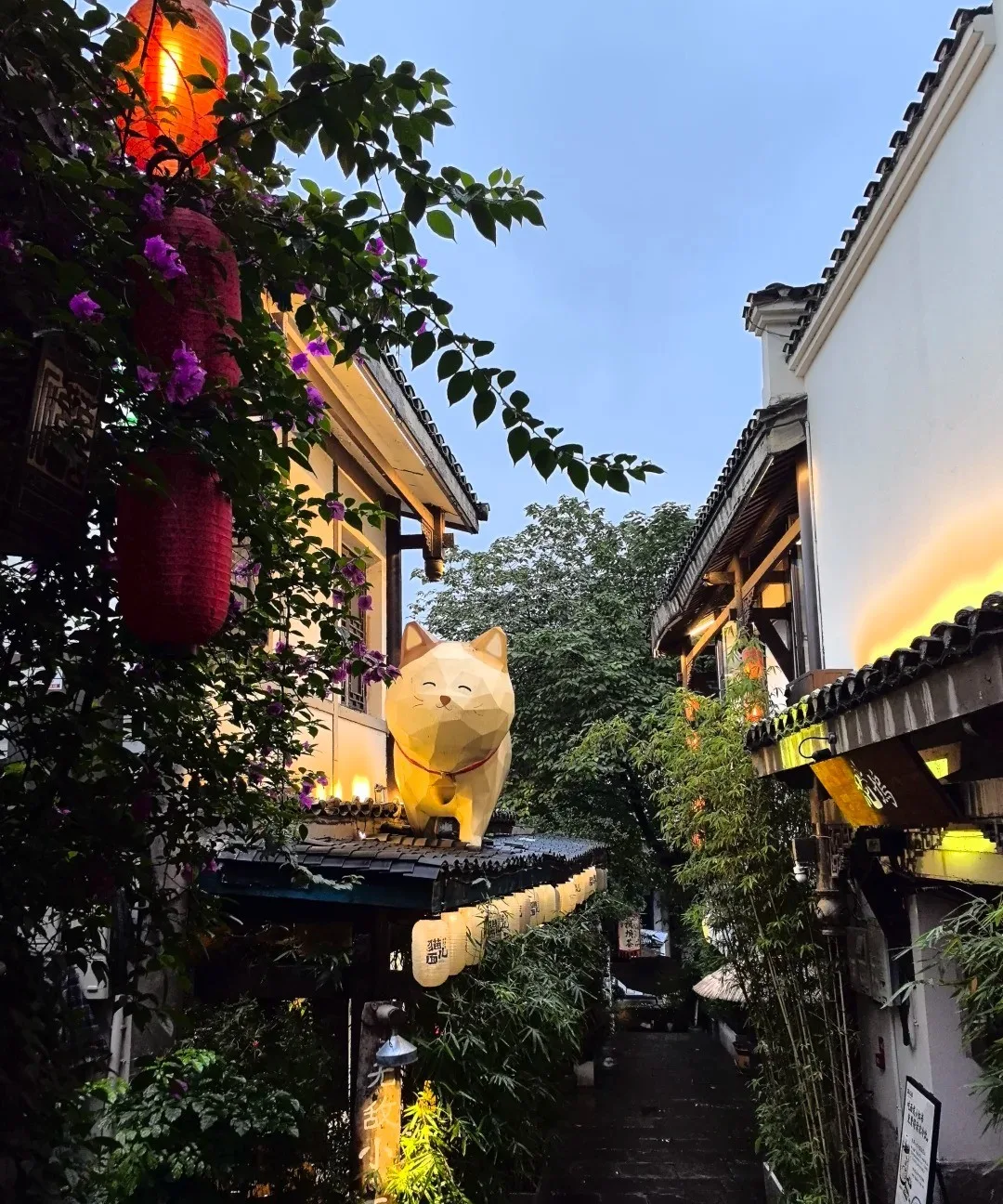
Chongqing Ciqikou: A Living Slice of Old Chongqing by the Jialing River
Ciqikou is the best-preserved historic district in central Chongqing — Ming-Qing Sichuan-style houses, an old Jialing river wharf, Ba-Yu crafts and snacks all packed into one riverside old street. Small, but it keeps everything "old Chongqing" should have.
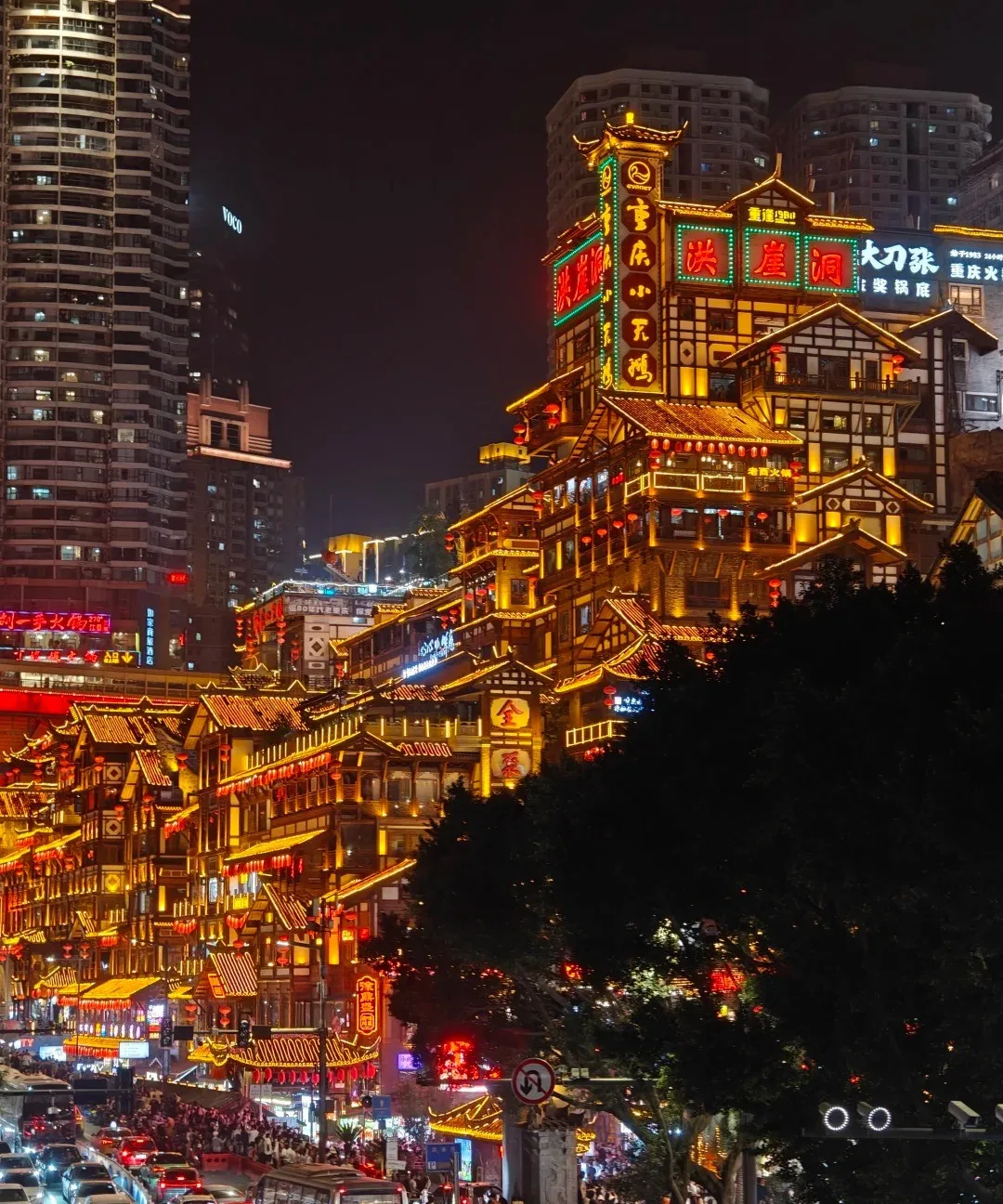
Hongyadong: The Cliffside Stilt-House City That Glows After Dark
There is a corner of Chongqing where a whole city seems to hang from a cliff. Thirteen storeys of grey-tiled, white-walled wooden houses climb up the rock face above the Jialing River, and when night falls they light up gold — glowing, layered, impossibly stacked. This is Hongyadong (洪崖洞), the "Rongdong" folk-custom scenic zone, a modern reconstruction of the stilt-house (吊脚楼) settlements that once lined the steep banks of the mountain city. To some it looks like a page lifted from Spirited Away (千与千寻). To Chongqing it is simply the city's most photographed calling card — a vertical world where the street on level one and the street on level thirteen are both ground level, depending on where you stand.
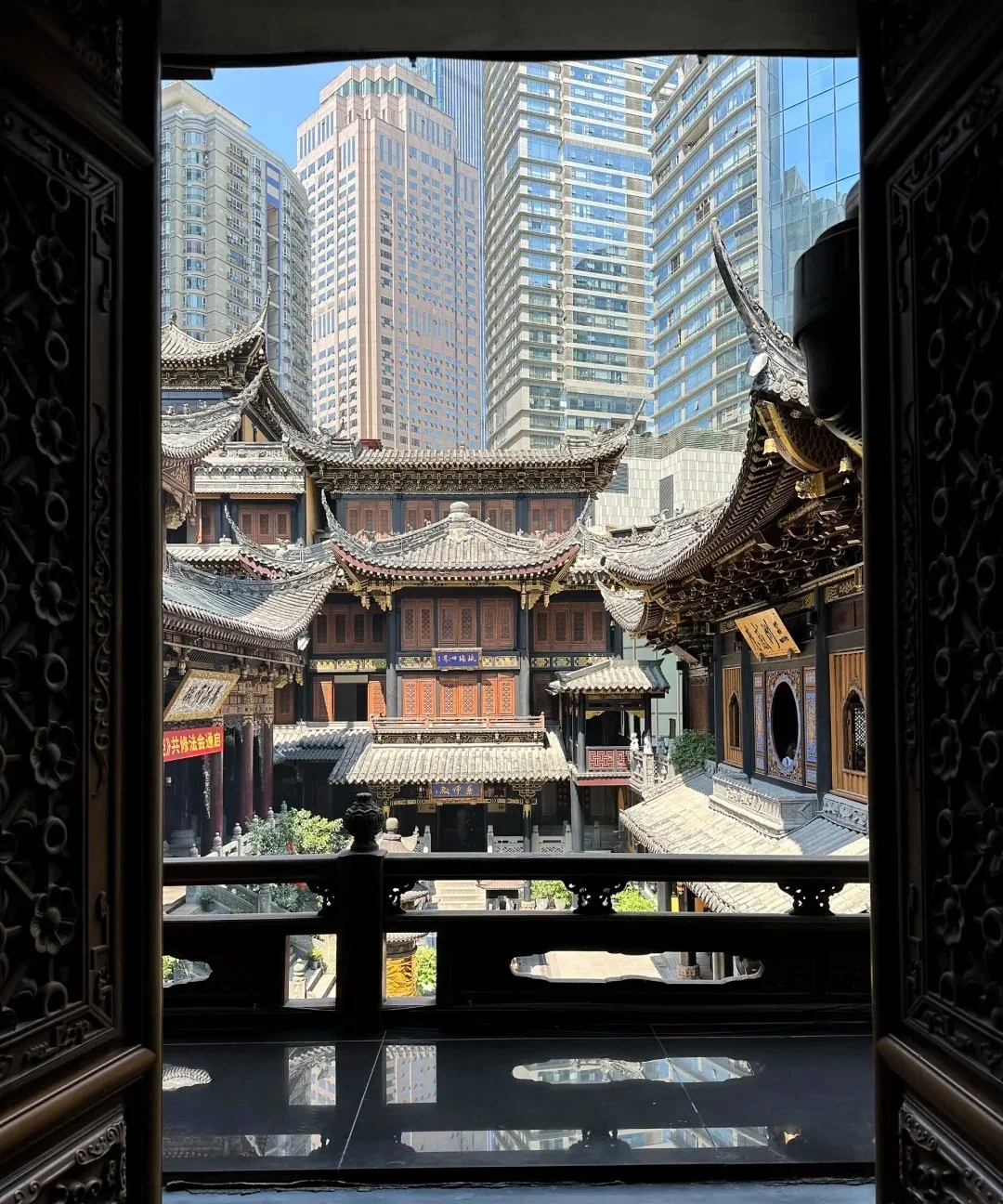
Chongqing Luohan Temple: A Thousand-Year-Old Sanctuary Beneath the Skyscrapers
Luohan Temple sits right at the busiest corner of Jiefangbei — shopping malls on one side, a Northern-Song gateway on the other. With 500 clay arhats and a ring of cliff carvings, it makes the old saying "a great hermit hides in the city" feel literal.
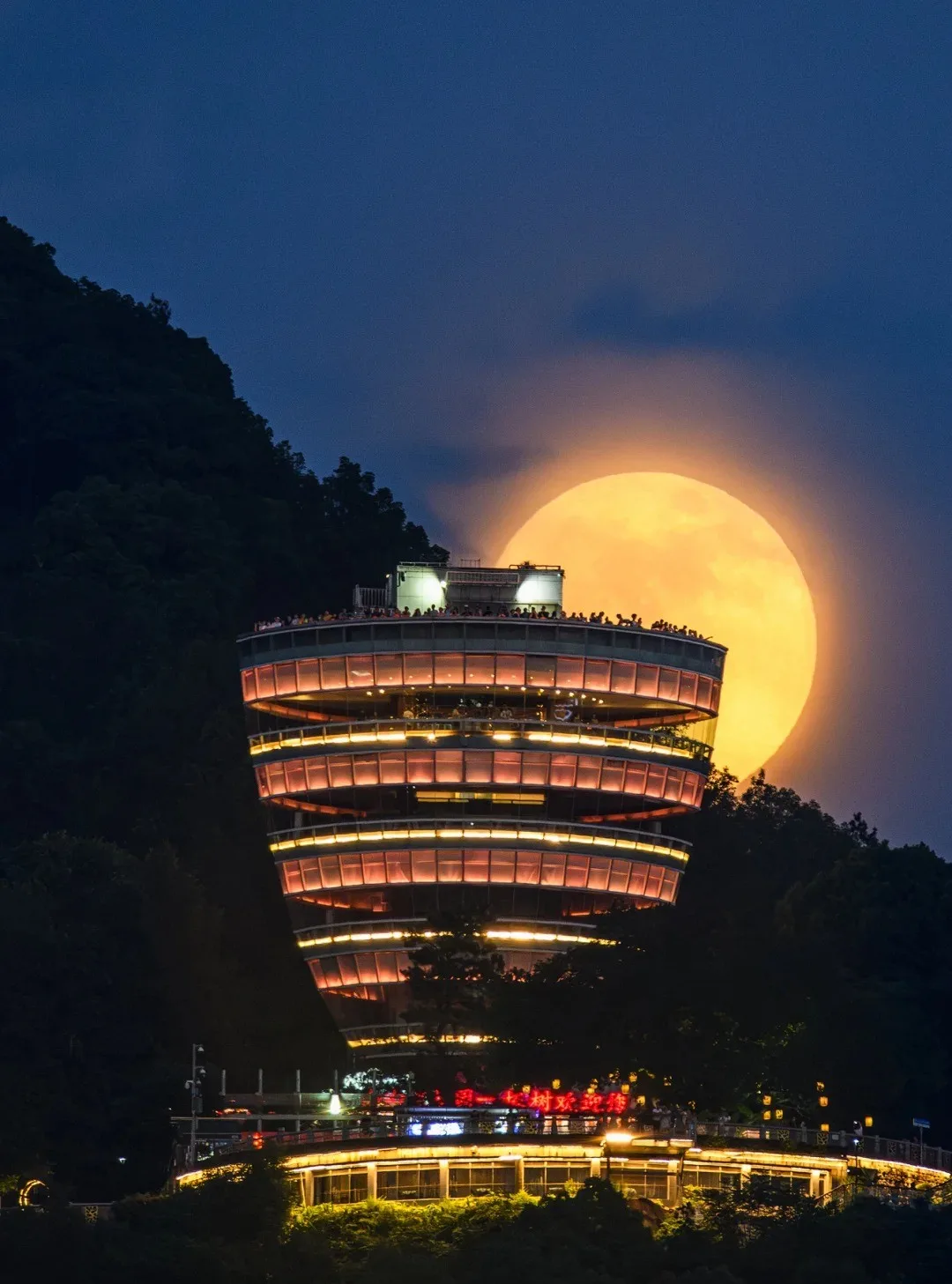
Chongqing One Tree Hill: The Classic Perch for the City's Night Skyline
When Chongqing locals want the night view, they head to One Tree Hill. From the 437-metre viewing platform the Yuzhong peninsula, the two-river confluence and the whole skyline light up at your feet — the easiest single stop to read the city's night.
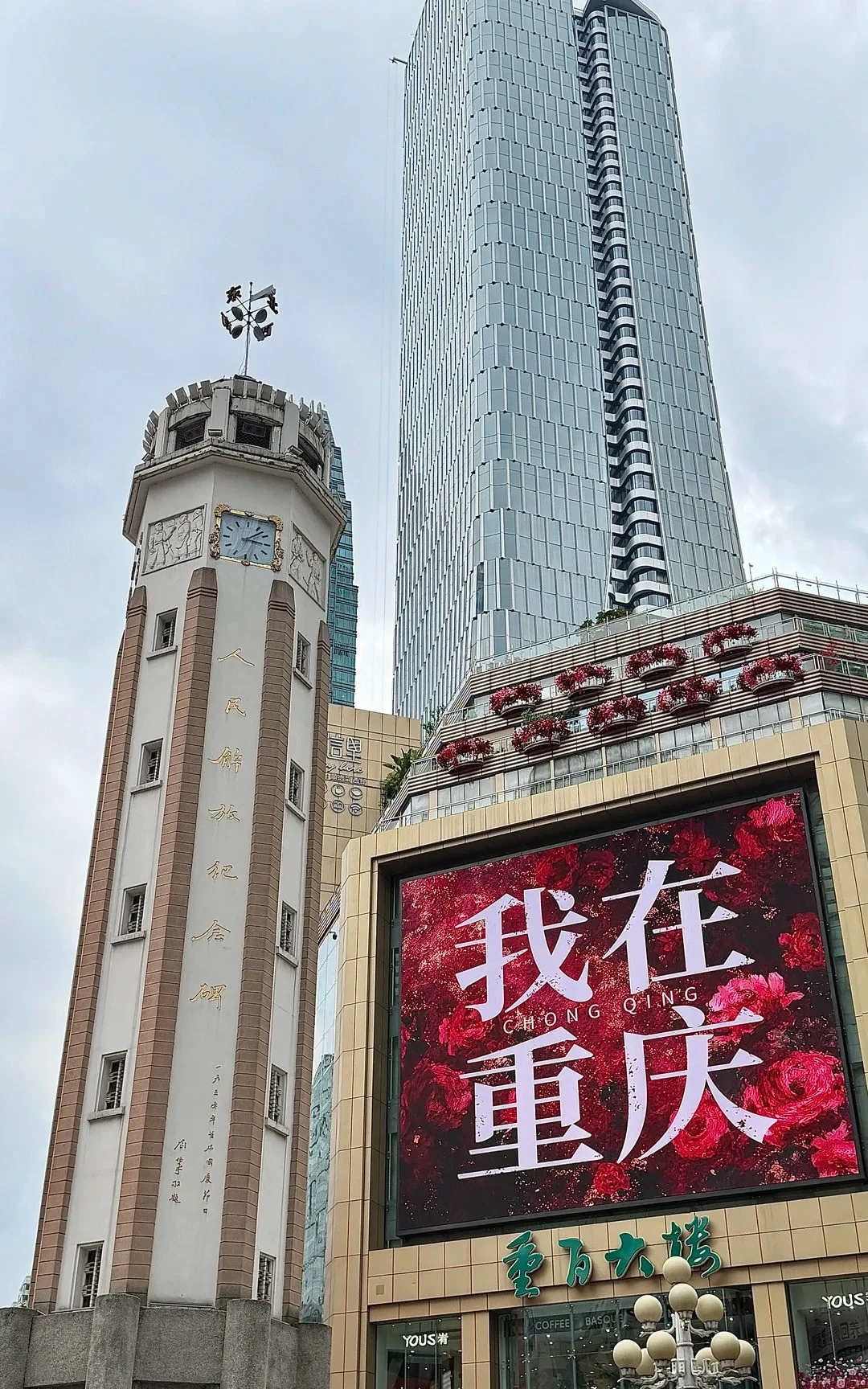
Jiefangbei: The Monument That Beats at the Heart of Chongqing
There is a spot in Chongqing where time folds in on itself. A 27.5-metre stone spire stands at the centre of a swirling intersection, ringed by glass skyscrapers and flashing neon. This is Jiefangbei — the Liberation Monument — and it is far more than a landmark. It is the only monument in China dedicated to the victory of the War of Resistance Against Japanese Aggression, a silent witness to a city that refused to break, and today the pulsing heart of southwest China's most dazzling commercial district. To understand Chongqing, you must start here.
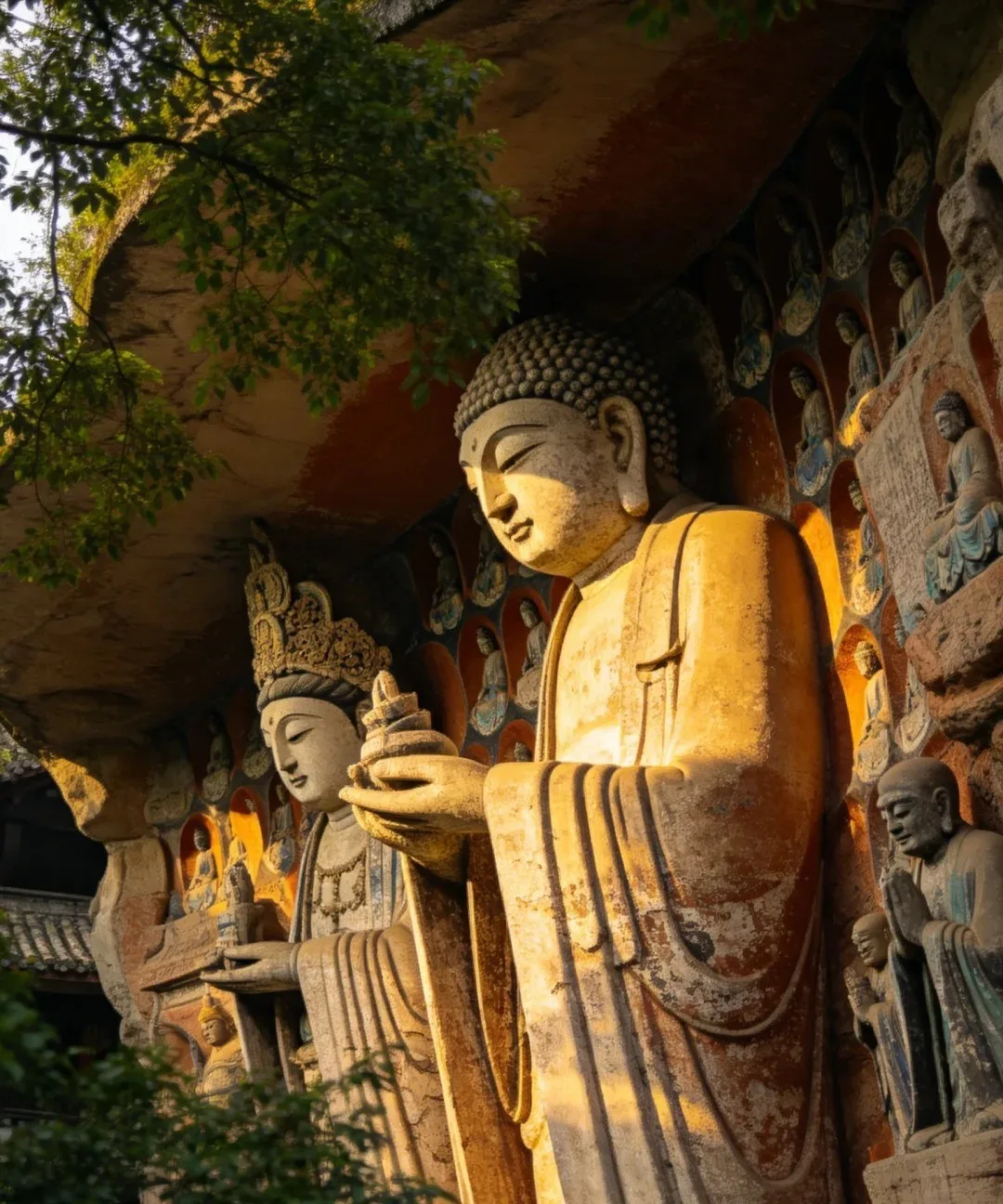
Chongqing Dazu Rock Carvings: The Last Great Peak of Chinese Buddhist Cliff Art
Dazu Rock Carvings are Chongqing's only UNESCO World Heritage site and the representative of China's late-phase cliff art. Cut from the early Tang through the Song, more than 50,000 statues climb the cliffs, turning sutras into "stone comic strips."
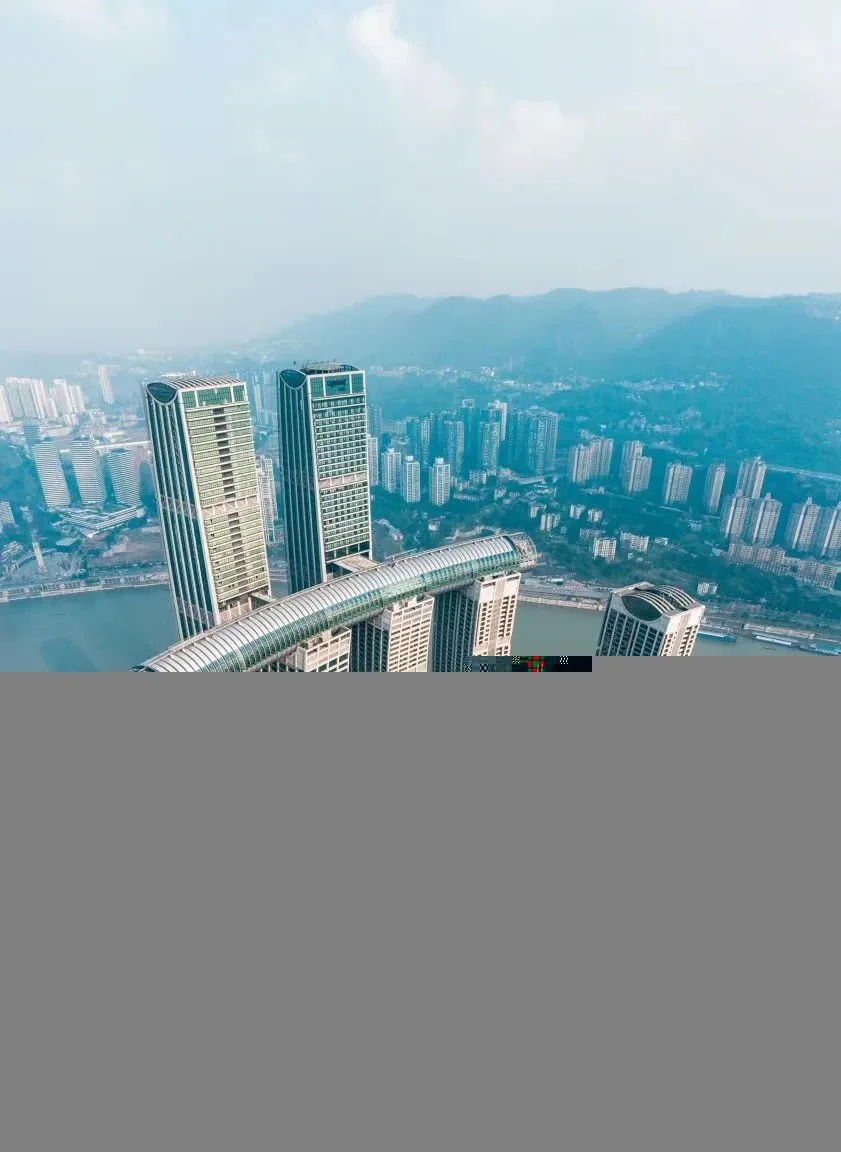
Raffles City Chongqing: The Eight Ships That Sail Above the Two Rivers
At the very tip of the Yuzhong Peninsula, where the muddy Yangtze collides with the green Jialing, eight glass sails rise 350 metres into the mist and lock themselves together with a single 300-metre sky bridge. This is Raffles City (来福士) — Moshe Safdie's love letter to a port city, a vertical shipyard suspended above one of the busiest confluences in China. It is controversial, enormous, and impossible to ignore: once you see it, you will never look at Chongqing the same way again.
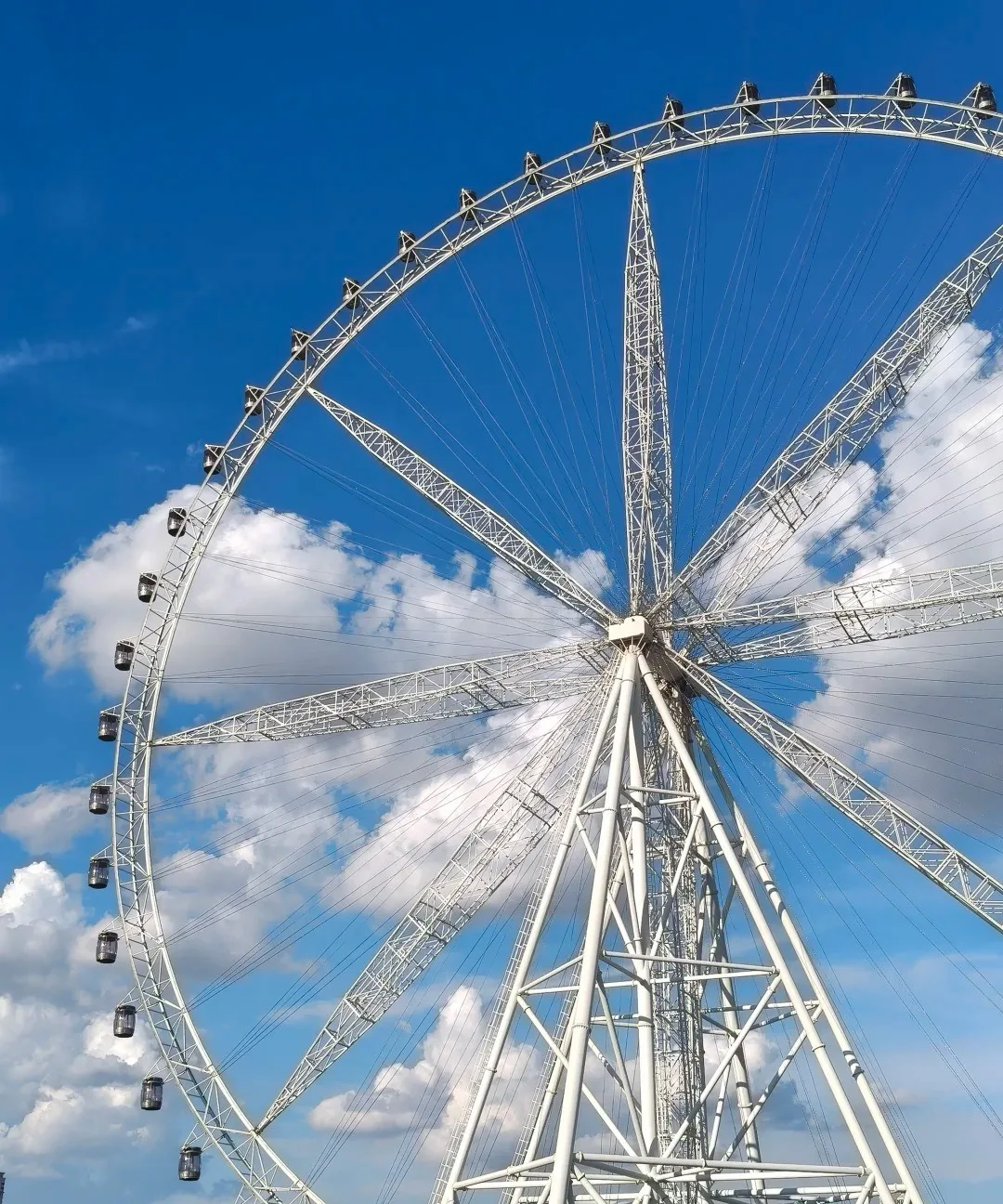
Chongqing Happy Valley: The Sixth Happy Valley, Built Into the Hills
Perched on a slope in Liangjiang New Area, Chongqing Happy Valley is OCT's sixth Happy Valley in China — and the one that turns "mountainous" into its signature. A ferris wheel rides the skyline; a roller coaster borrows the hillside for an extra drop.
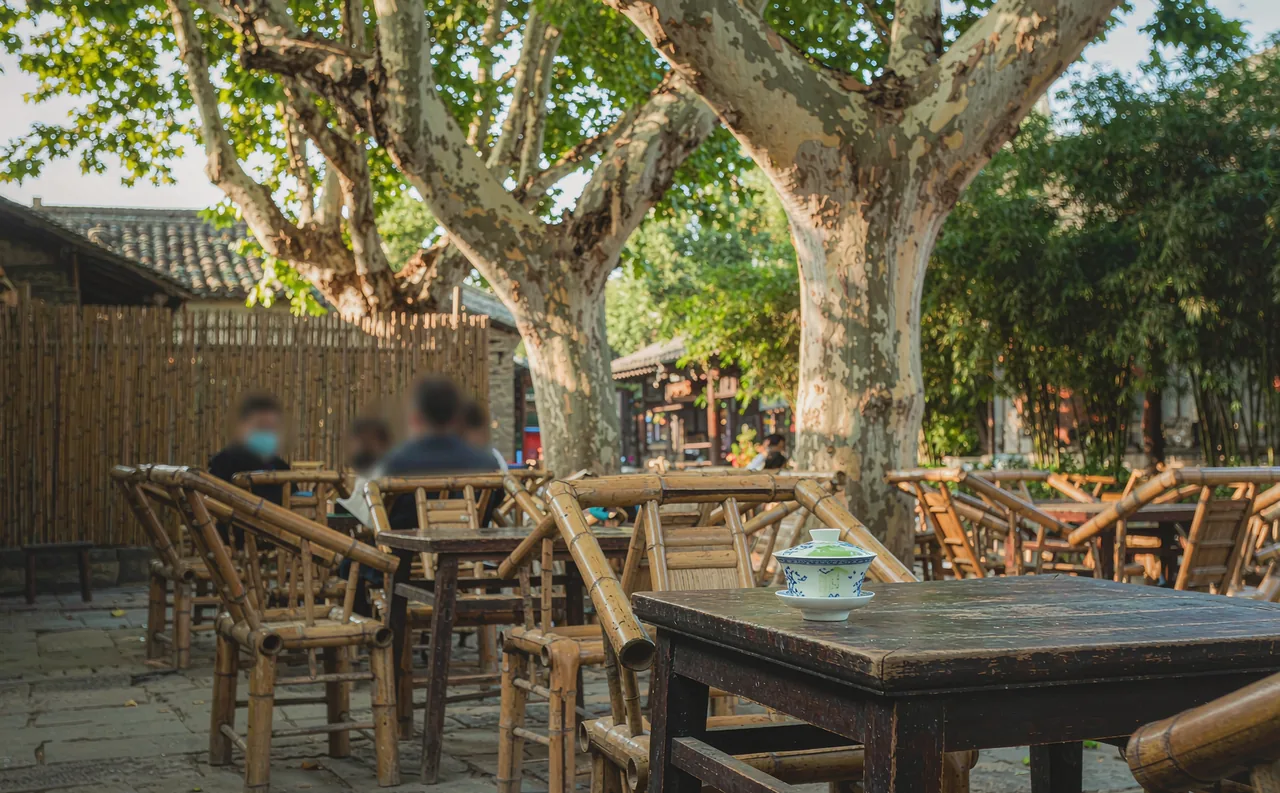
Three Days in Chengdu: The City That Slows Down on Purpose
The most expensive thing in Chengdu isn't the tickets, it's the time — you have to be willing to spend a whole afternoon in a teahouse doing nothing. This city has built slowness into its infrastructure: hotpot restaurants still queuing at 2 a.m., bamboo chairs in the People's Park you can sit in until your legs go numb, pandas that sleep half the day with nobody rushing them. I gave it three days and came back having learned something other than how to watch pandas.