 Travel Notes
 Ming Tombs: Thirteen Emperors in One Mountain Basin
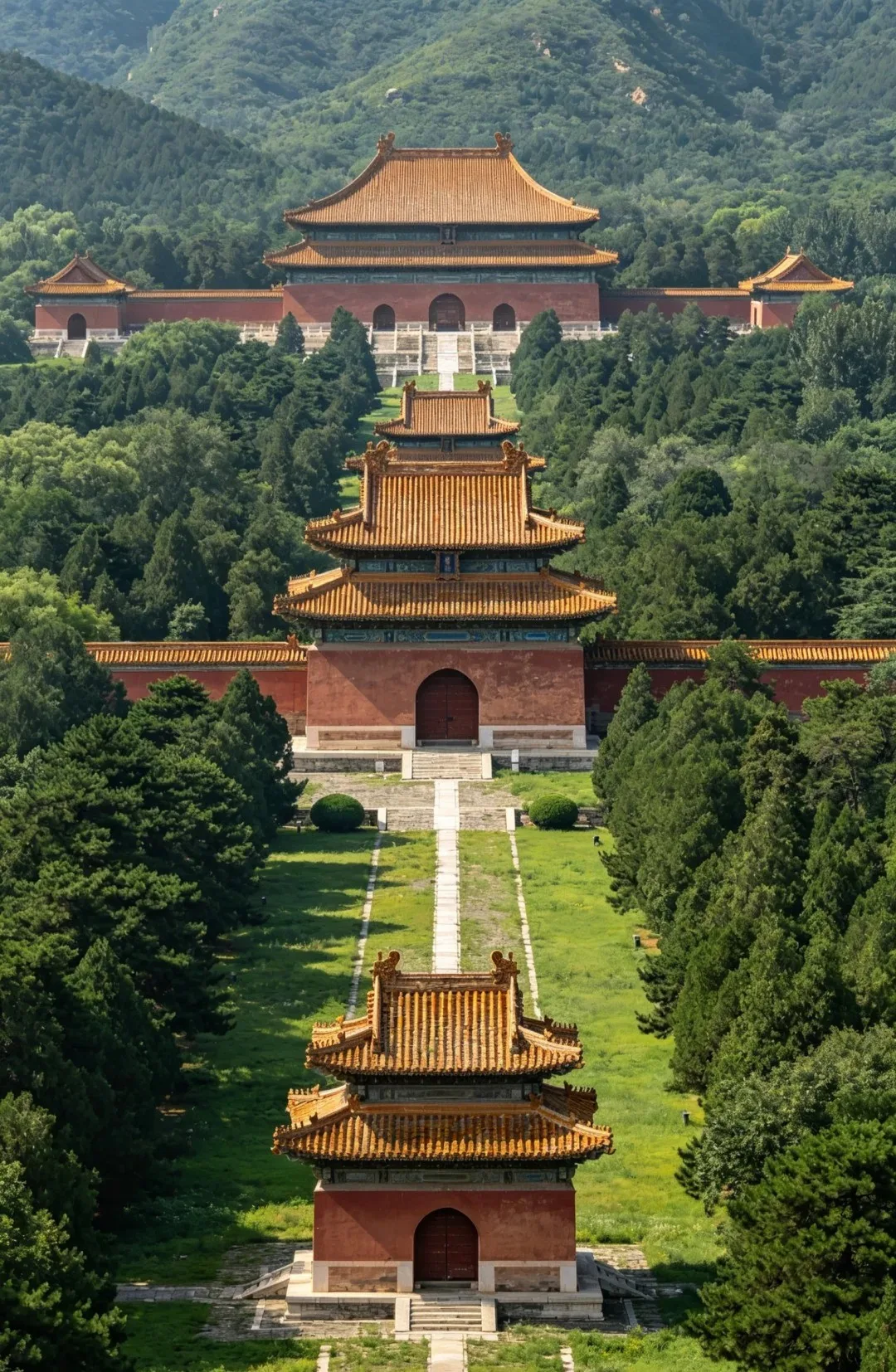
South of Tianshou Hill in Changping district, Beijing, a basin is enclosed by mountains on three sides and open to the south. From the moment the Yongle emperor moved the capital here until the Ming fell, thirteen emperors were buried in this ground. In 2003 the site was inscribed as an extension of the “Imperial Tombs of the Ming and Qing Dynasties”; in 1961 it joined the first batch of national heritage sites.
The basics
- Building: 1409 to 1644 — 235 years in all
- Contents: thirteen imperial mausoleums, seven tombs for consorts, one for a eunuch
- Buried here: the founder Chengzu (Changling), Renzong (Xianling), Xuanzong (Jingling), Yingzong (Yuling), Xianzong (Maoling), Xiaozong (Tailing), Wuzong (Kangling), Shizong (Yongling), Muzong (Zhaoling), Shenzong (Dingling), Guangzong (Qingling), Xizong (Deling), and Simzong (Siling)
- Key structures: the sacred way, the stone archway, the Great Red Gate, the stele pavilion, the stone figures, the inner star gate, the bell towers of each tomb, the gem mounds and the underground palaces
- Open to visitors: Changling (surface), Dingling (underground), Zhaoling (reconstructed surface), and the sacred way
The Jingtai emperor is the one exception: deposed when Yingzong returned to power, he was buried at Jinshan in western Beijing and never entered this basin.
Choosing the site: feng shui and strategy
In 1407 the Yongle emperor ordered the minister of rites Zhao Peng and the Jiangxi geomancer Liao Junqing to hunt for an auspicious site around Beijing. Tu Jiaying, Lang’er Yu and Yanjia Tai were rejected — either the name sounded ill-omened or the shape did not work.
What they settled on was Huangtu Hill. “The ridges stand like a screen, the dragon vein winds” — the hill at the back, the Wenyu river to the south, all matching the requirement of a sheltered front and an enclosed back. The emperor inspected it in person, called the terrain “commanding and deep,” fixed the tomb there and renamed the hill Tianshou, “Heavenly Longevity.” Changling broke ground in 1409 as the first of the thirteen and set the pattern for the rest.
One sacred way linking thirteen tombs
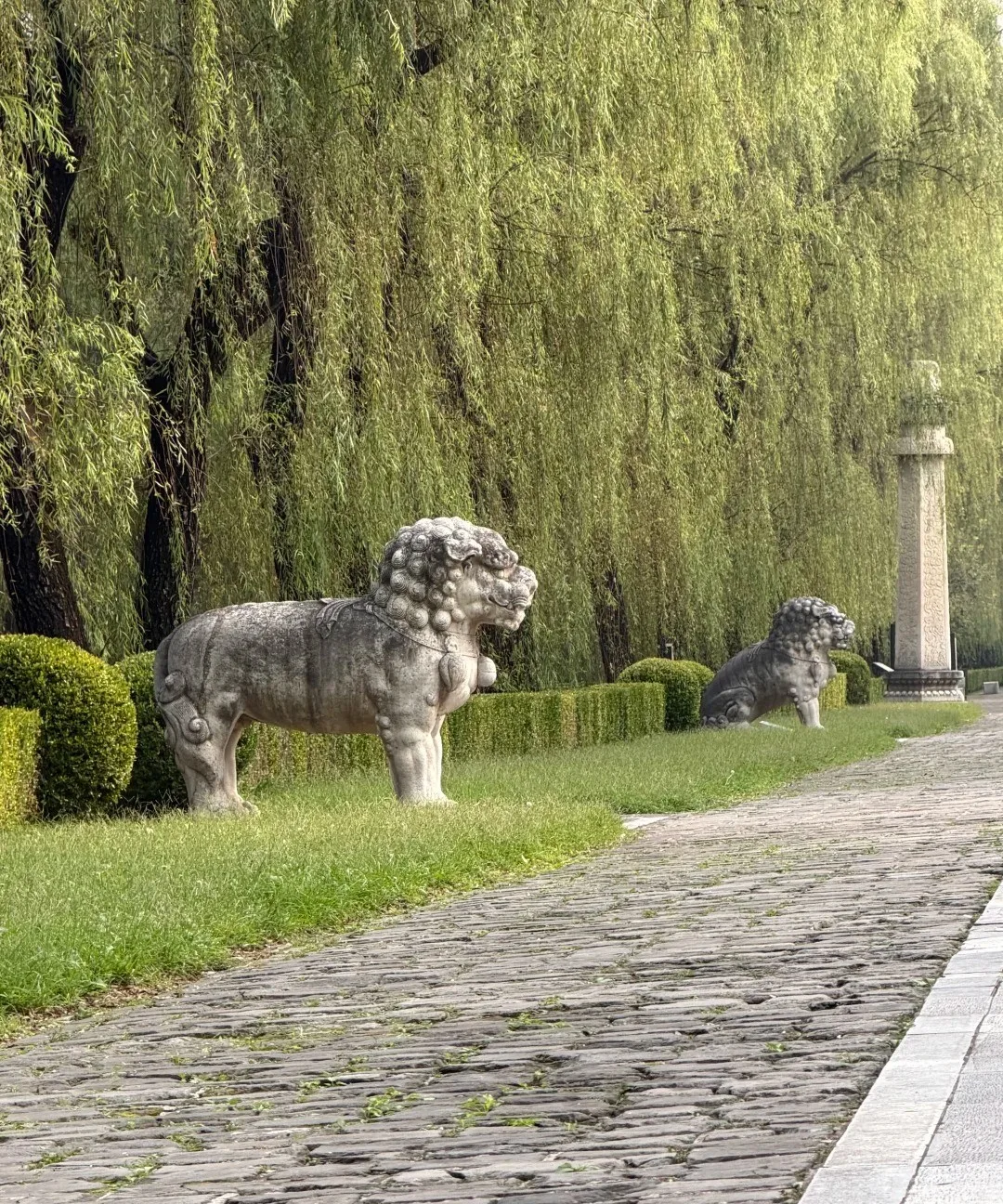
From the Great Red Gate northward runs a long sacred way flanked by stone animals in pairs: lions, xiezhi, camels, elephants, qilin and horses. The whole line takes about a kilometre, and the figures are original Ming work, softened by six centuries of wind. The way does not lead to any single tomb — it is shared, with Changling, Dingling and Zhaoling branching off from it. That arrangement, one tomb in the lead and the rest flanking it, is unusual among Chinese imperial cemeteries.
Changling: a hall of nanmu timber
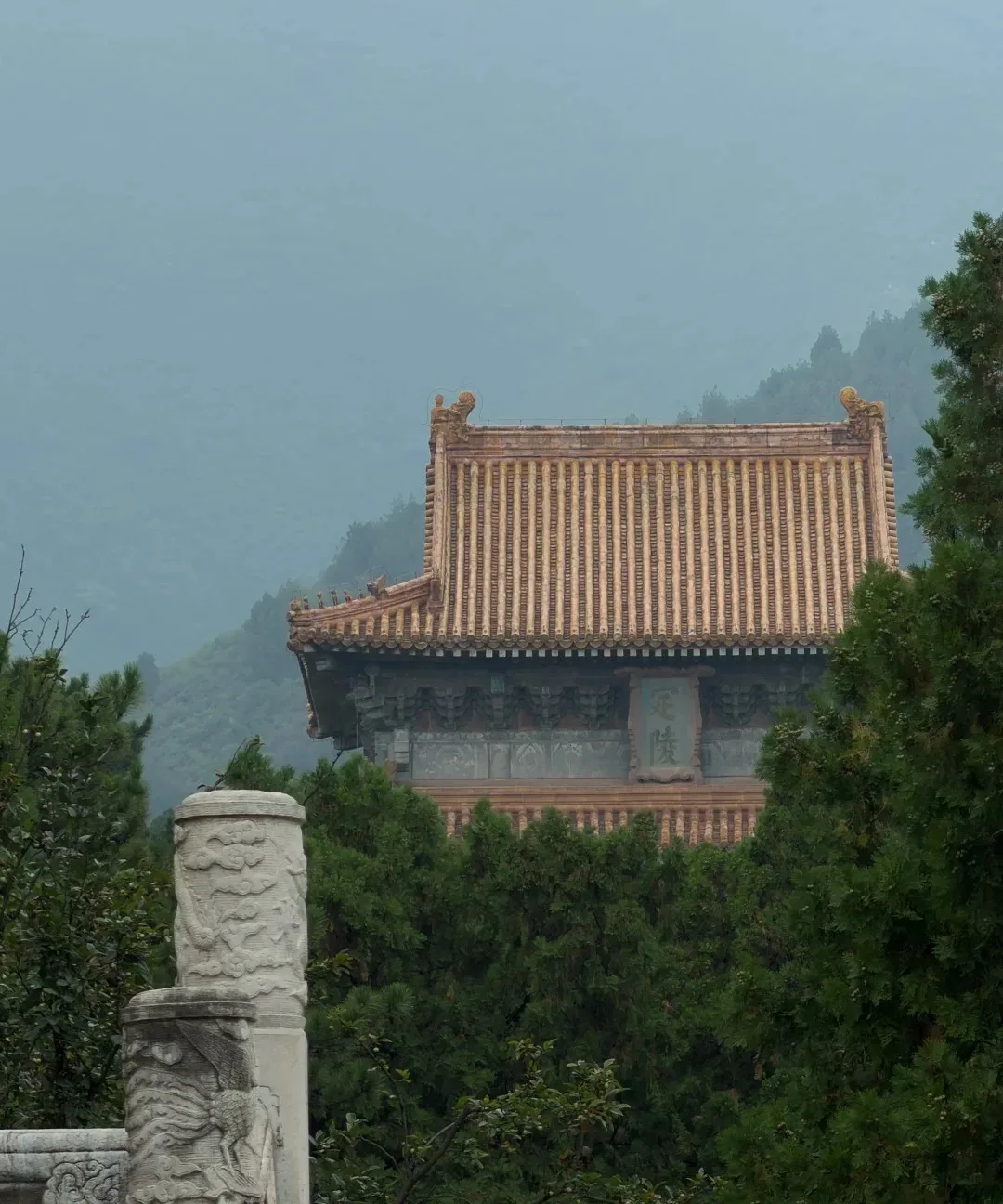
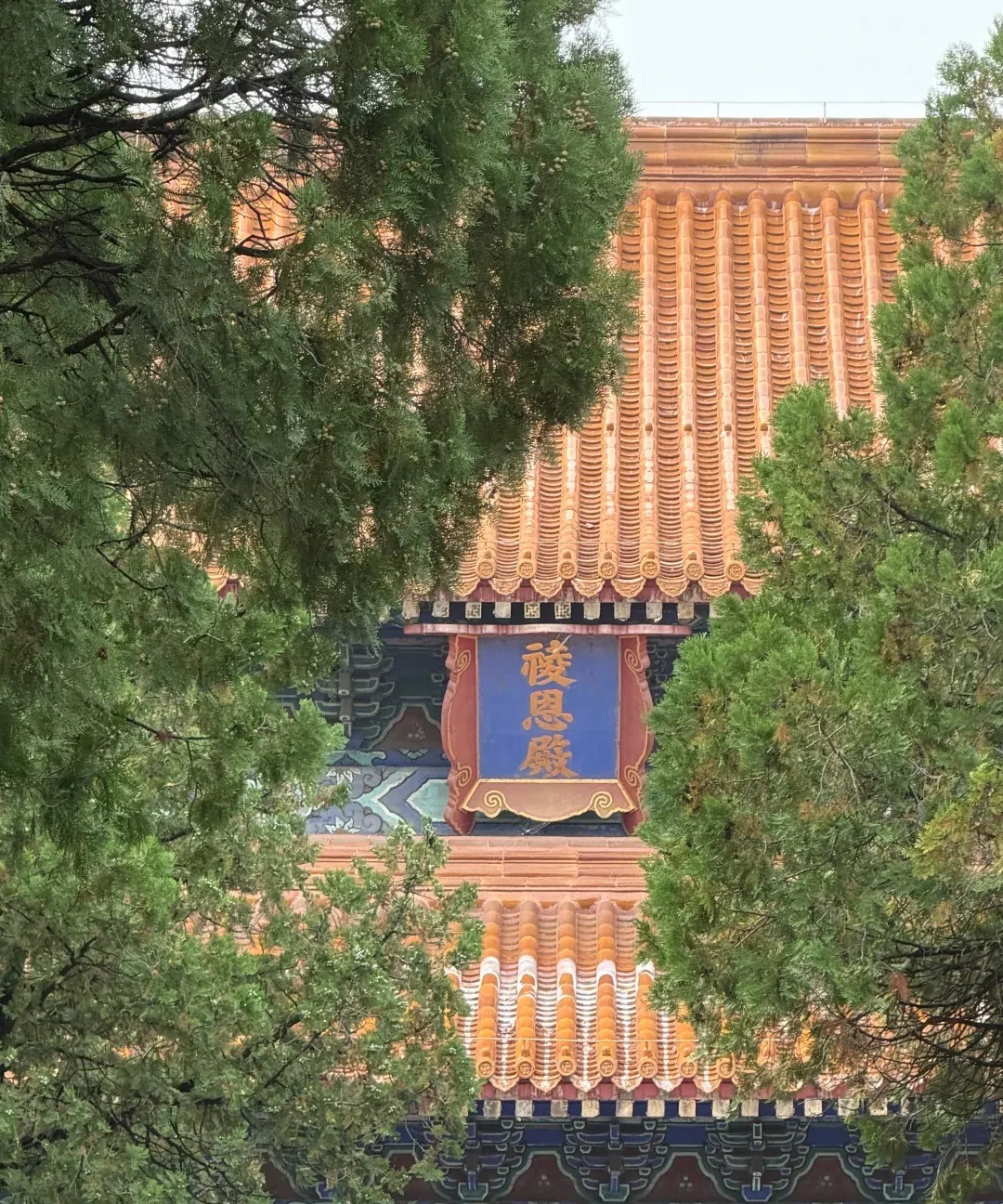
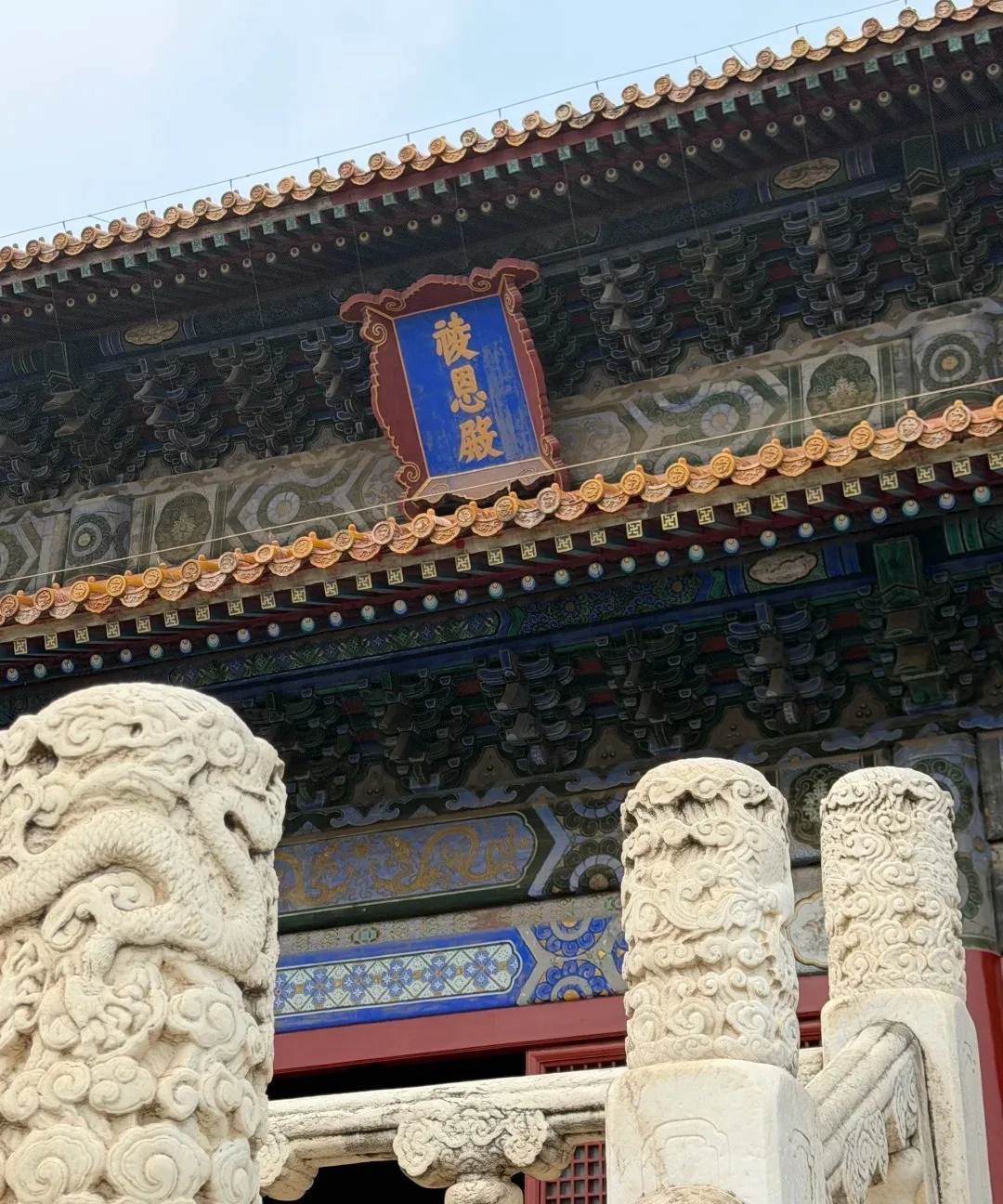
Changling is the first of the thirteen and holds the best surface architecture. Its Main Hall of Merit spans nine bays and five depths under a double-eave hip roof, carried by sixty columns of golden nanmu — several of them so thick that two people cannot span them. In front of it are marble balustrades and a three-step terrace; standing there, the scale registers.
Further north lie the inner red gate, the square mound and the bell tower, the tallest surface structure in the cemetery. In front of the tower stands a stone stele with no characters on it; why it was left blank still has no agreed answer.
Dingling: the only underground palace ever opened
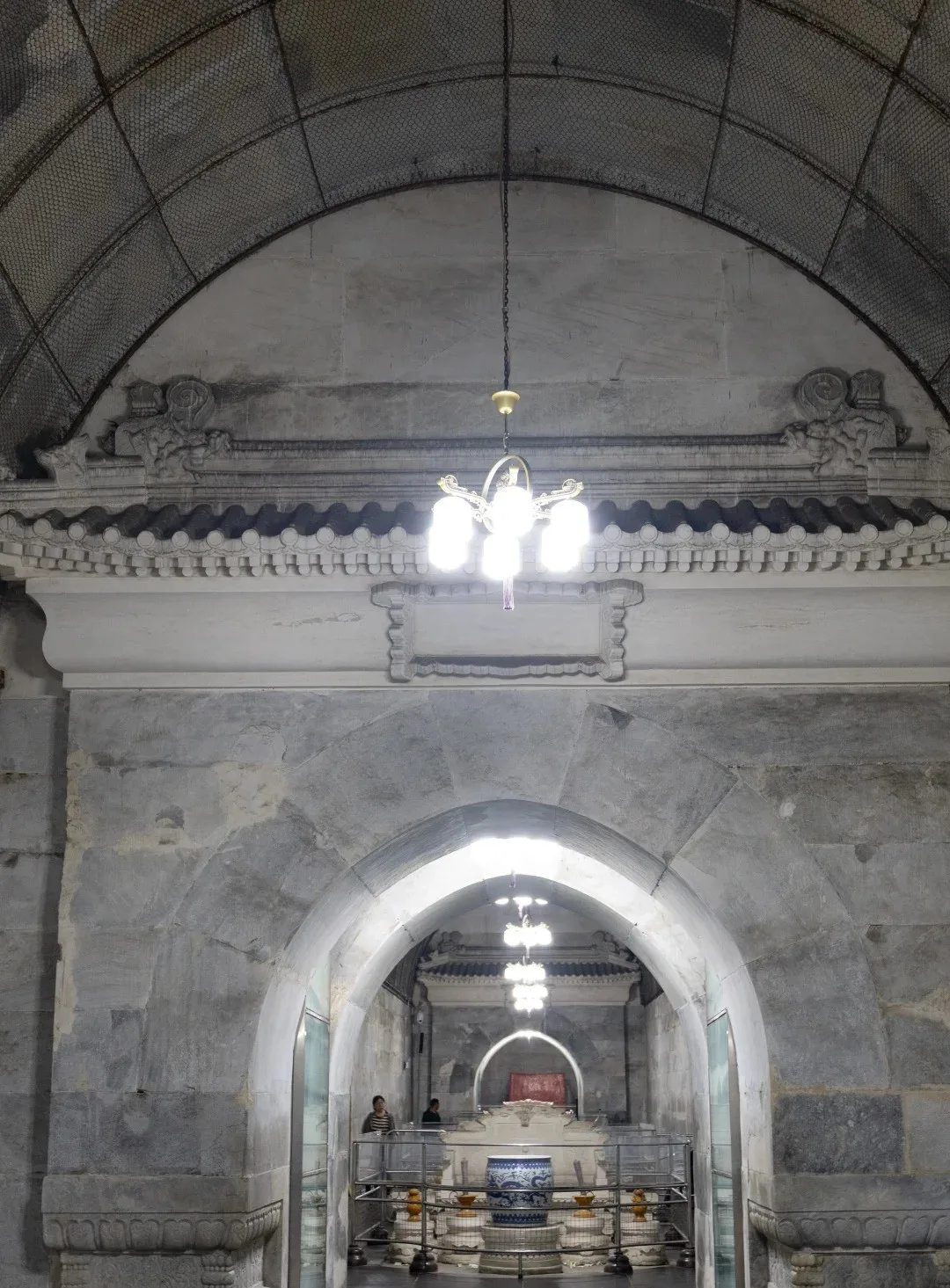
Of the thirteen, Dingling is the only underground palace in the group ever formally excavated. Between 1956 and 1957 archaeologists opened the tomb of the Wanli emperor and recovered his coffin and those of two empresses, a gold-woven robe, jade belts, and headdresses among many other objects. The palace has an approach hall, a central hall, a rear hall and side chambers, all built of enormous blue stone with vaults about 7.9 metres high.
It is the one place where a visitor can actually walk into a Ming underground palace. Most people then head for the museum to see the gold robe, which turns out to be the bigger surprise.
Practical information
- Hours: 8:00–17:30 from 1 April to 31 October; 8:30–17:00 from 1 November to 31 March. Entry to the Dingling underground palace and Changling’s great hall closes at 16:30.
- Tickets: Changling 45 peak / 30 off-peak; Dingling 60 / 40; Zhaoling and the sacred way 30 each / 20; combined ticket for all four 110 / 70.
- Driving: take the G6 to the Changping West Ring interchange and follow the signs — about an hour from the city.
- Bus: route 872 from Deshengmen terminates at Dingling, passing Changling and Zhaoling; alternatively the 345 fast bus to Changping East Gate, then transfer to route 314 or the Changping 67.
- Inside: the tombs are far apart — use the shuttle bus (about 30 yuan, unlimited rides that day).
- Advice: prioritise Changling, Dingling and the sacred way, allow half a day or more, and wear trainers.
Related reading
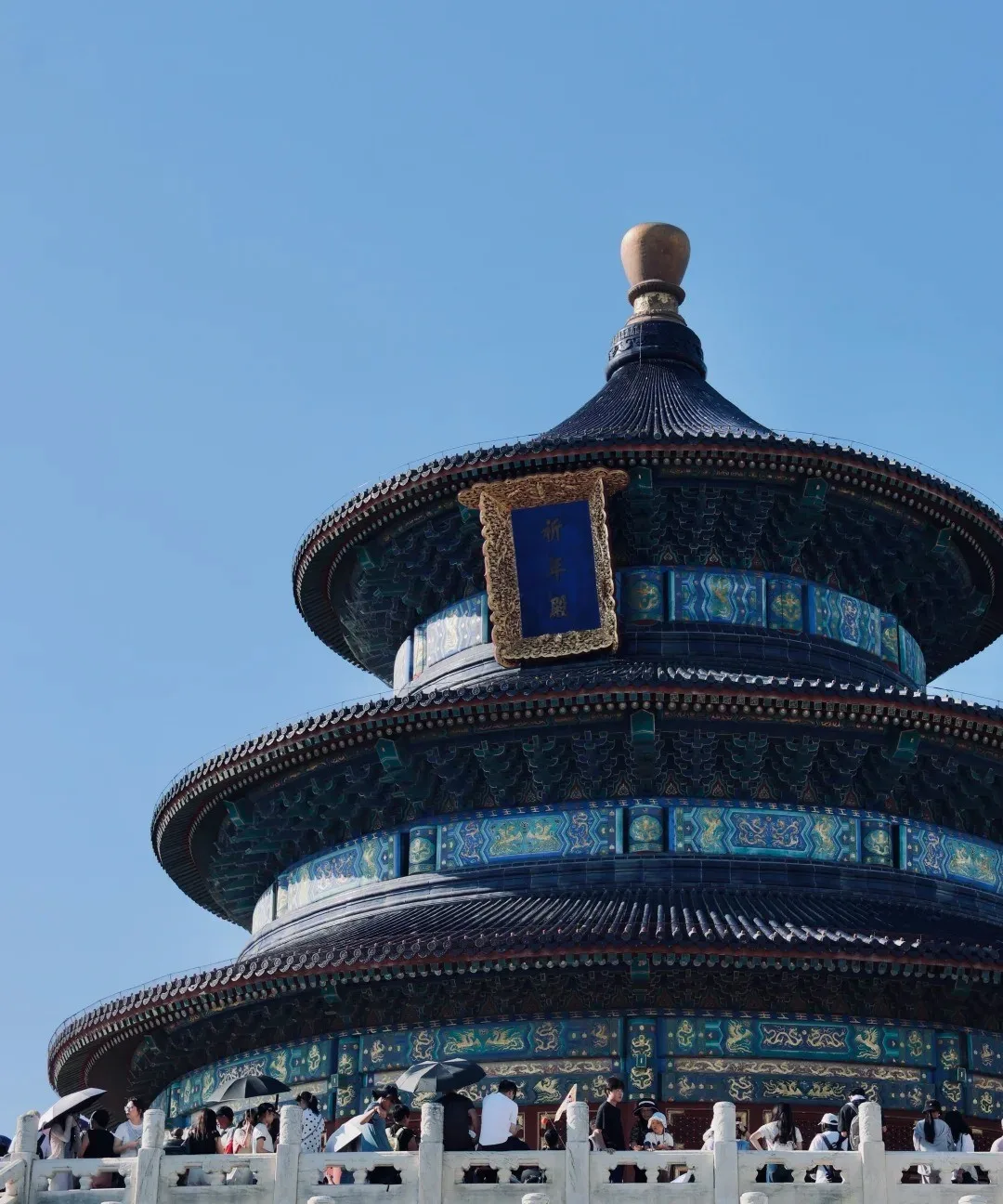
Temple of Heaven: Where the Square and the Circle Met
A circle at the north, a square at the south, and a 360-metre stone causeway running between them to the Hall of Prayer for Good Harvests. The Temple of Heaven turned an idea about the sky into a place you can walk through — sound skims along its walls, and every count of stone is a multiple of nine.
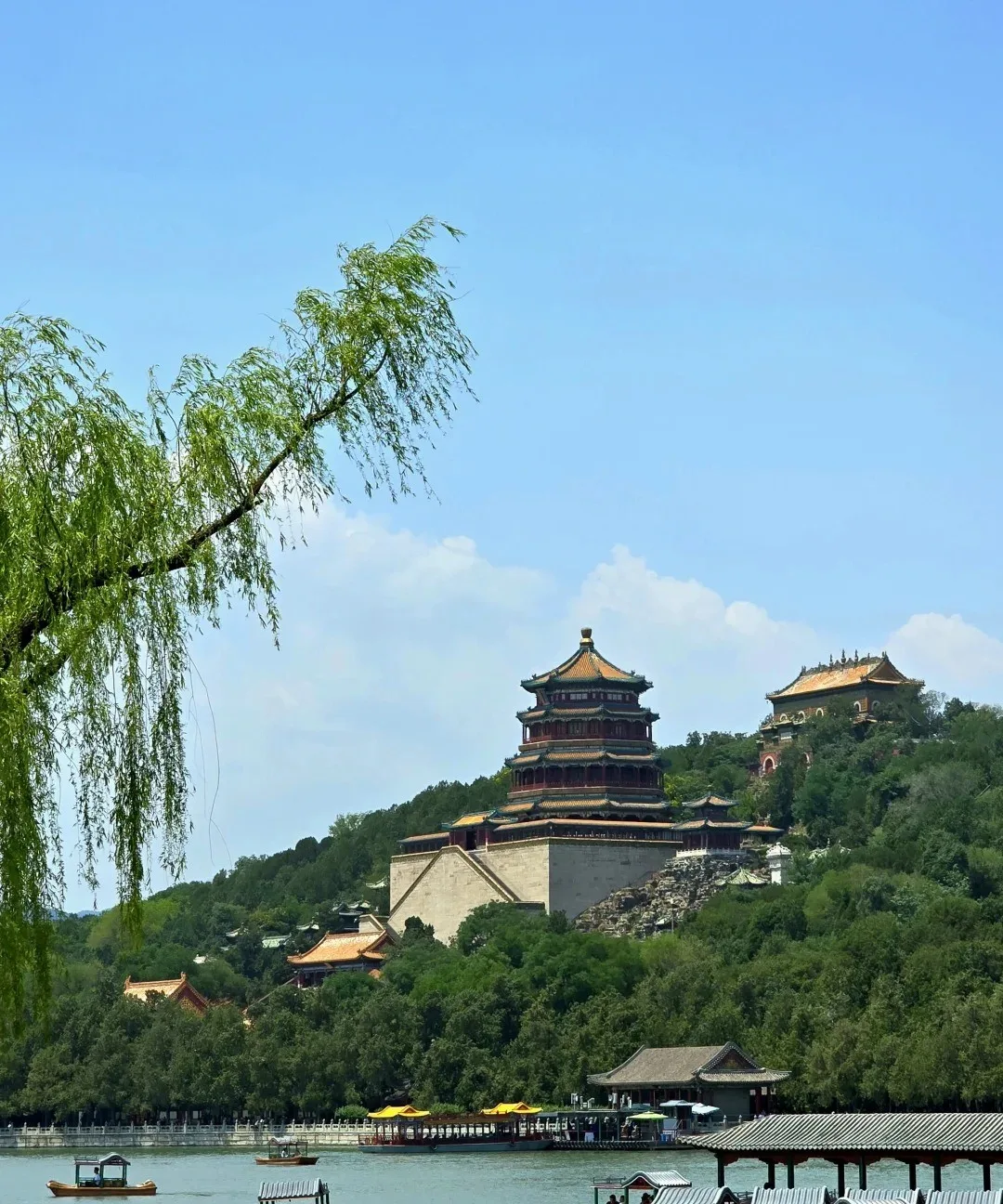
Summer Palace: A Southern Landscape Transplanted to the North
Trying to honour his mother's sixtieth birthday, the Qianlong emperor reworked the western water system and in the process left behind three hundred hectares of lake in north-west Beijing. The long corridor runs 728 metres, Kunming Lake covers 220, and everything else is rockery, colonnades and a stubborn idea of the south.
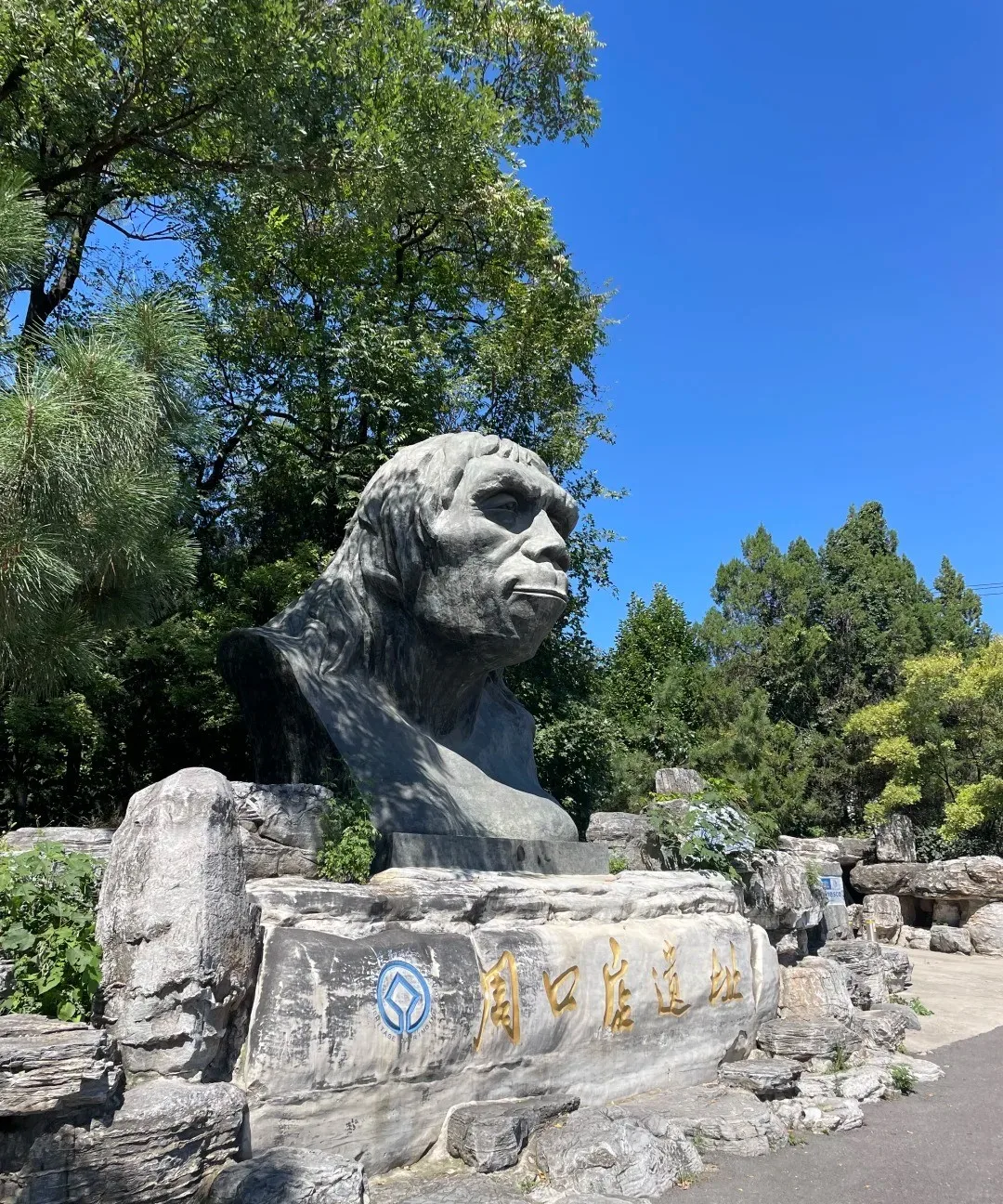
Zhoukoudian Peking Man Site: The First Spade Back in 1929
Beneath a cave on Longgu Shan, some forty metres of silt have built up layer by layer, and the Peking Man skulls sit in level eleven. On 2 December 1929 Pei Wenzhong lifted out the first complete one. In 1941 the collection vanished in the fighting.
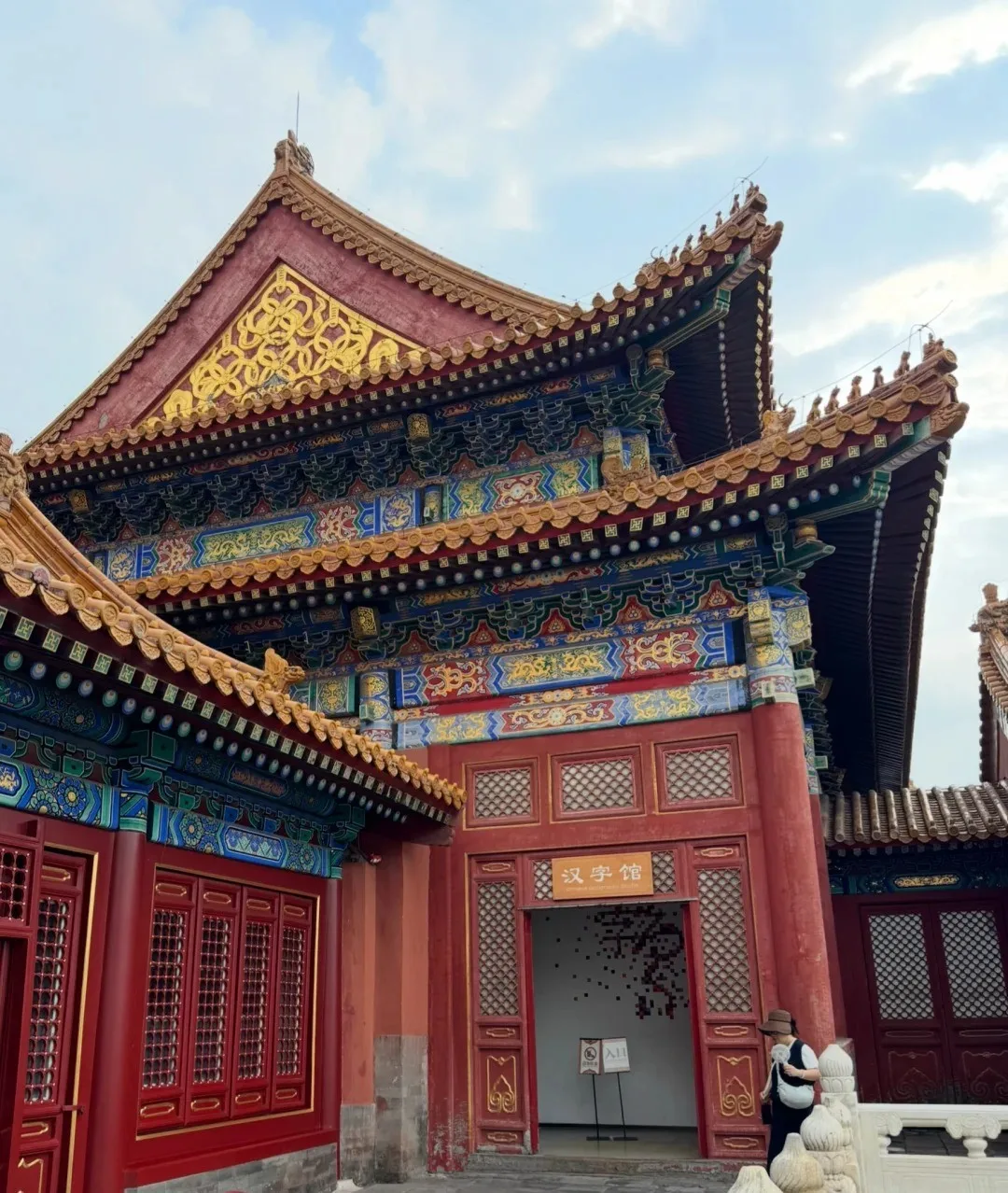
Forbidden City: A Wooden City Standing on Beijing's Central Axis
For two dynasties, China piled its most expensive timber, its longest central axis and its strictest rituals inside one walled rectangle. The Forbidden City grew out of a single decision to move the capital north, burned down four times, was rebuilt four times, and today is still the quietest large courtyard in Beijing.
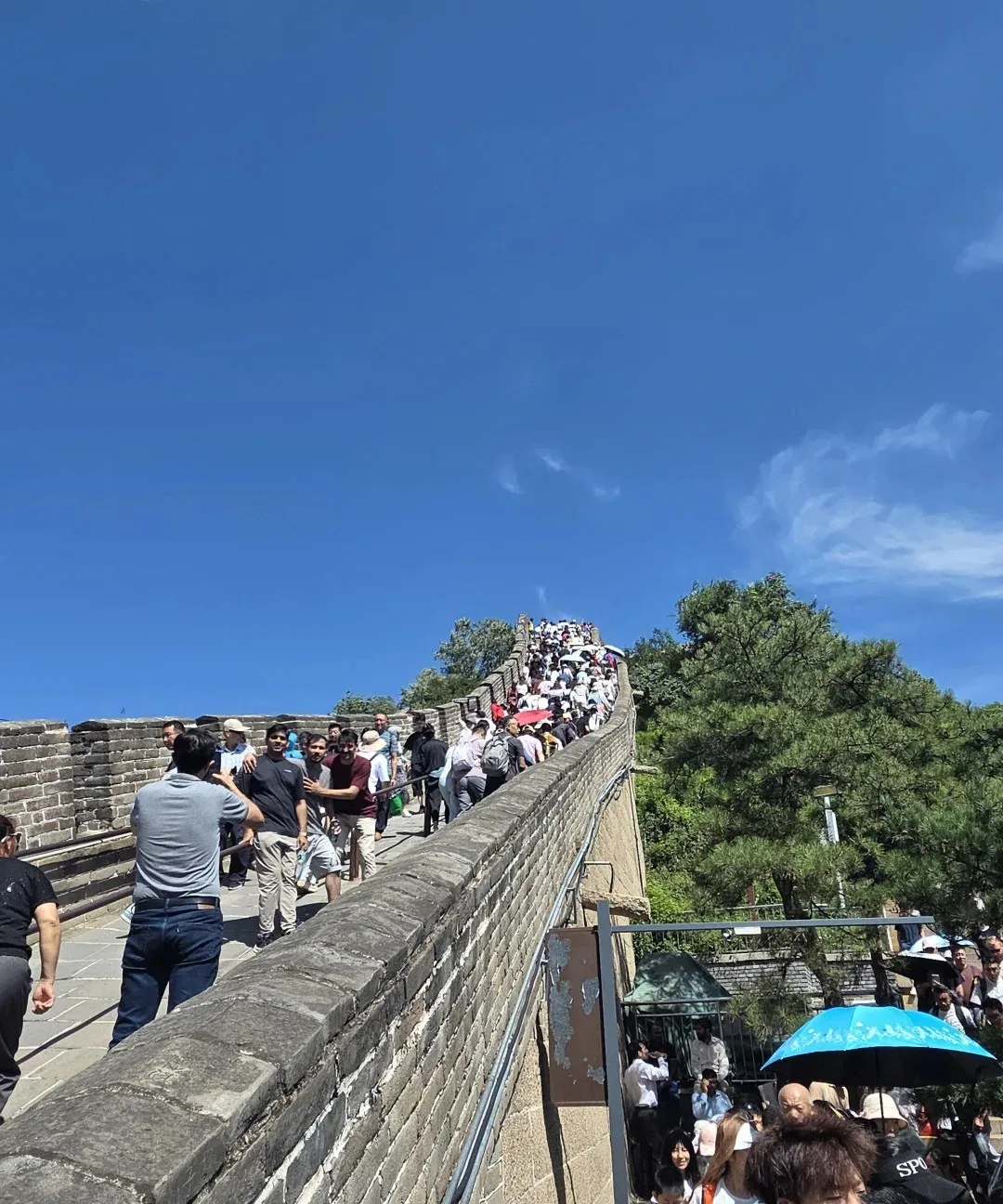
Badaling: The Pass Worth Climbing, and the Trait It Cut Through
A pass at a thousand metres, a Ming section of wall, 3,741 metres of rampart and nineteen beacon towers. Badaling is neither the longest nor the most dramatic stretch of the Great Wall — but it was the first to open to visitors, which is why six centuries later almost everyone recognises this particular frame.