 Travel Notes
 Zhoukoudian Peking Man Site: The First Spade Back in 1929
Zhoukou Town, Fangshan district, some fifty kilometres from the centre. Longgu Shan is a limestone ridge dissolved into caves, and it was here that Johan Gunnar Andersson, a Swedish geologist, noticed the fossil accumulations while prospecting for coal in 1918. In 1987 the site joined the Great Wall, the Forbidden City, the Terracotta Army and Mogao as one of China’s first batches of World Heritage, number 449.
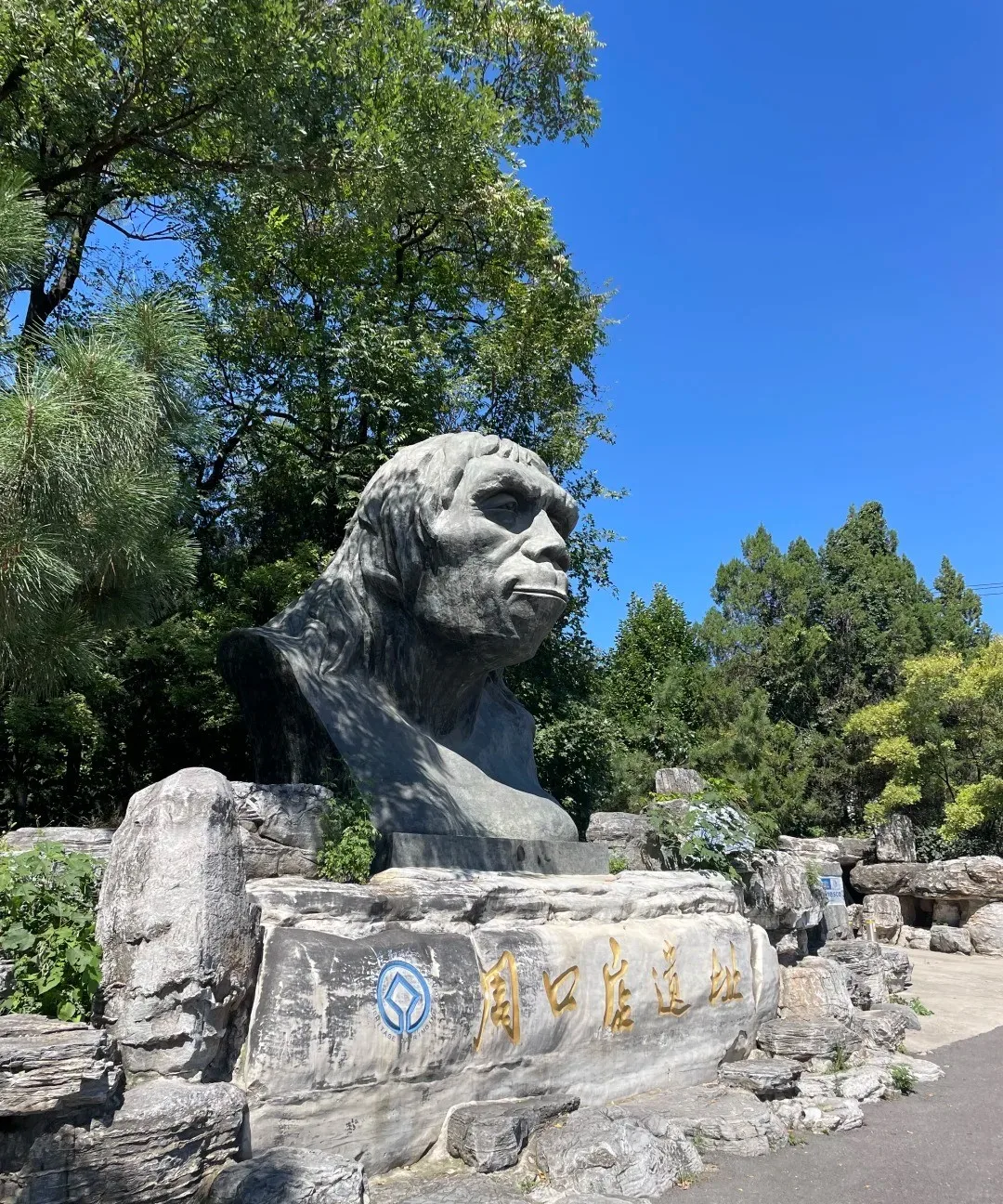
A timeline in ten lines
- 1918: Andersson surveys the coal prospects and notices the fossil beds
- 1921: Andersson and the Austrian palaeontologist Otto Zdansky begin digging and recover two human teeth
- 1927: the Geological Survey of China and Peking Union Medical College start systematic excavation; the Canadian anatomist Davidson Black names the find “Sinanthropus pekinensis”
- 2 December 1929, four in the afternoon: Pei Wenzhong finds the first complete Peking Man skull in level eleven of the ape-man cave; the individual was about fifteen to twenty, brain capacity about 1,075 ml
- 1936: Jia Lanpo finds three more skulls in eleven days, numbered III, IV and V
- 1937: the war with Japan stops the dig
- 1941: the Peking Man skulls disappear while being moved away; never found
- 1966: a frontal bone and an occipital bone are recovered and joined to the temporal bone found in 1934
- 1978: the Xihoudian people, about ten thousand years old, are found
- 1987: inscribed on the World Heritage list
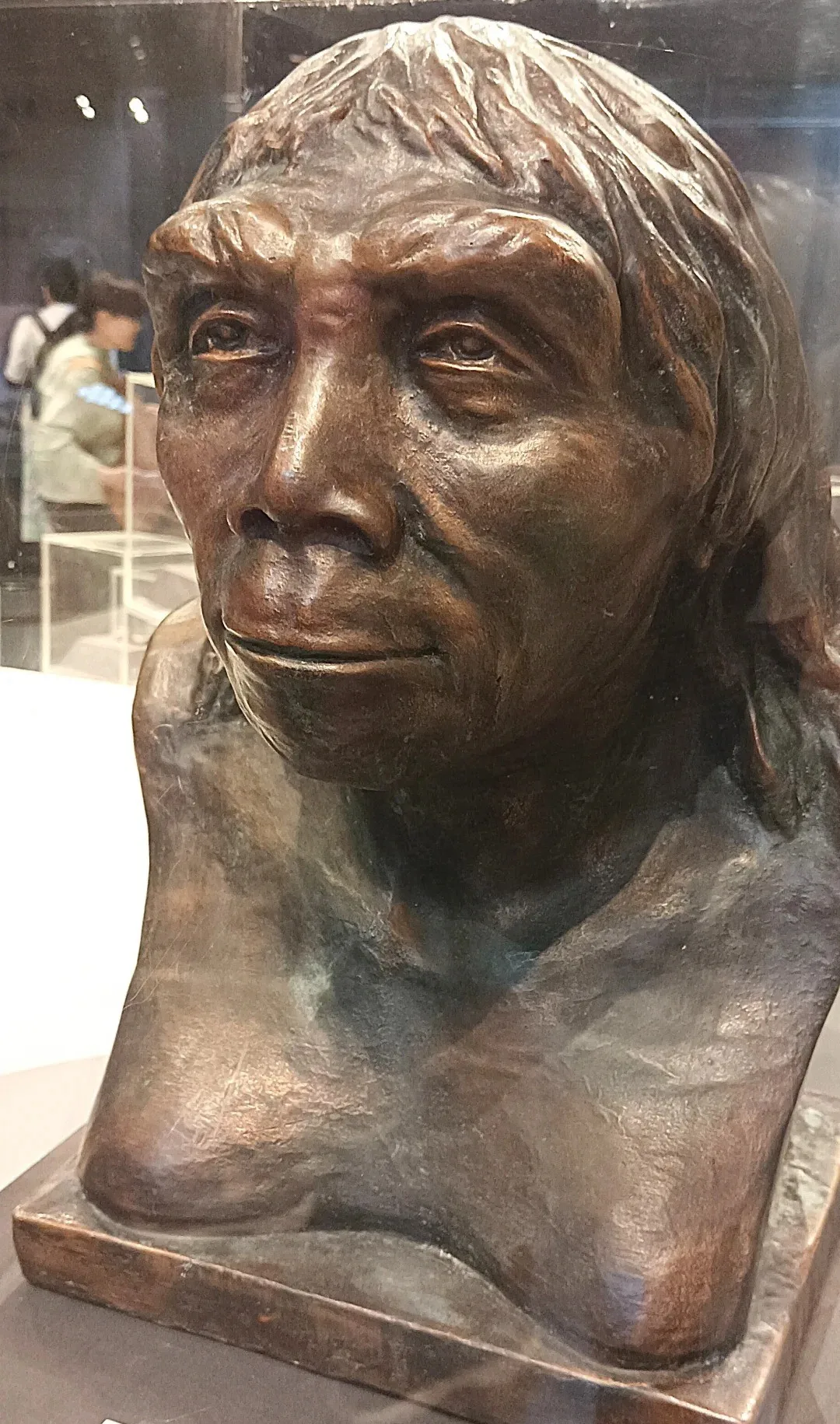
What Peking Man actually was
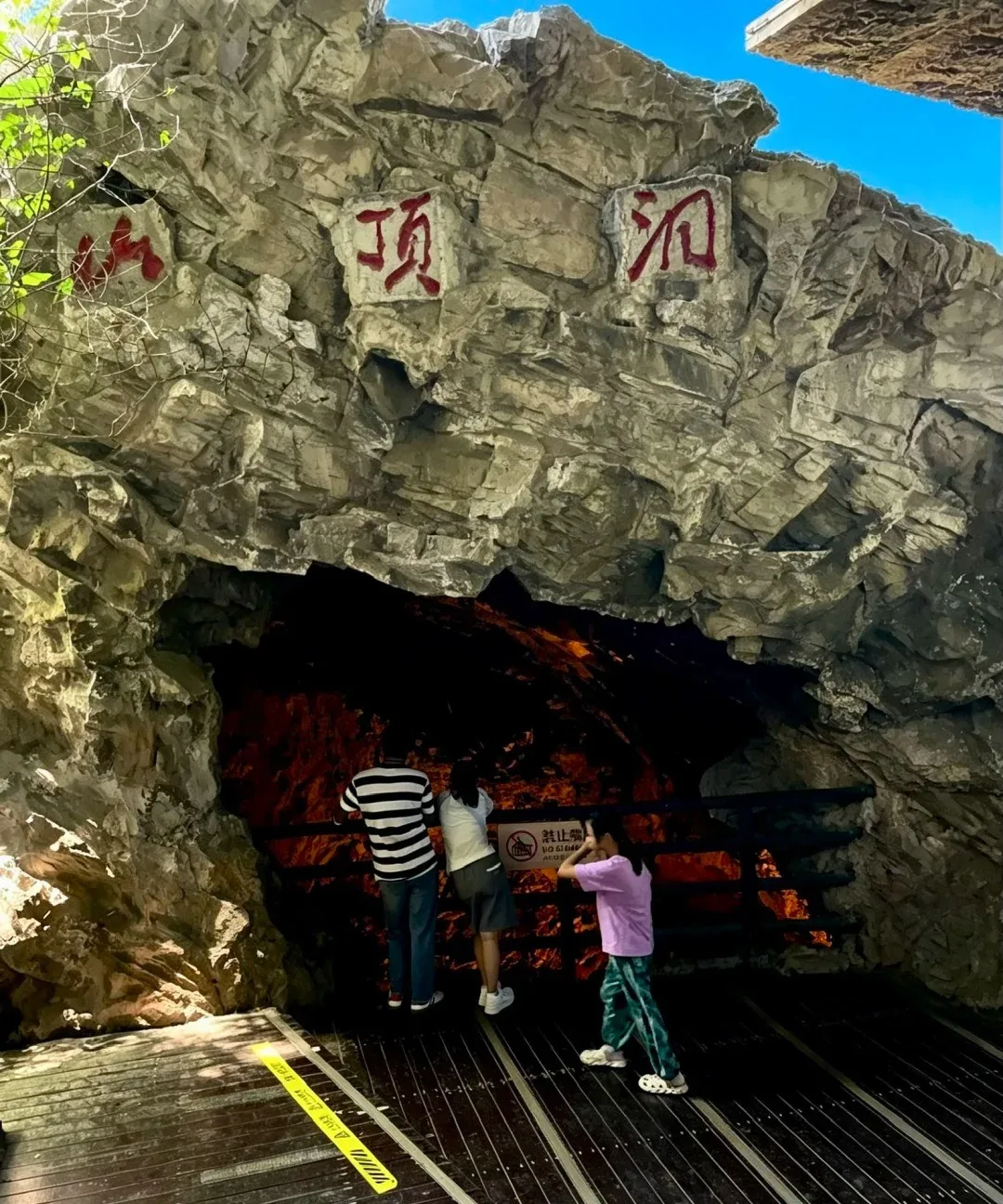
Peking Man is Homo erectus, with a mix of ape and modern traits: a low cranium, heavy brow ridges, no chin on the jaw, an average brain of about 1,088 cubic centimetres (about 1,400 for people today) — and a body that walked upright. More than a hundred thousand stone tools came out of the site, mostly of quartz, sandstone and flint, as choppers, scrapers and points, made by striking and by direct hammering; the “Peking Man point” and the “Zhoukoudian scraper” are the type pieces.
Fire is the other thread. Ash layers run from level four to level ten of the ape-man cave, up to six metres thick, with burnt bone, burnt stone and charcoal dated by thermoluminescence to about 500,000 years ago — among the earliest evidence of controlled fire anywhere.
Upper Cave: sewing and ornament
The Upper Cave people, some thirty thousand years ago, are anatomically modern. Their bone needle is 82 millimetres long with an eye 3.1 millimetres across, among the earliest sewing tools known. They also left pierced animal teeth and stone beads, and a burial — the first record in East Asia of complex social behaviour.
Between Peking Man and the Upper Cave people sits the gap that the Xihoudian, about a hundred thousand years old, helps to fill.
What is on site
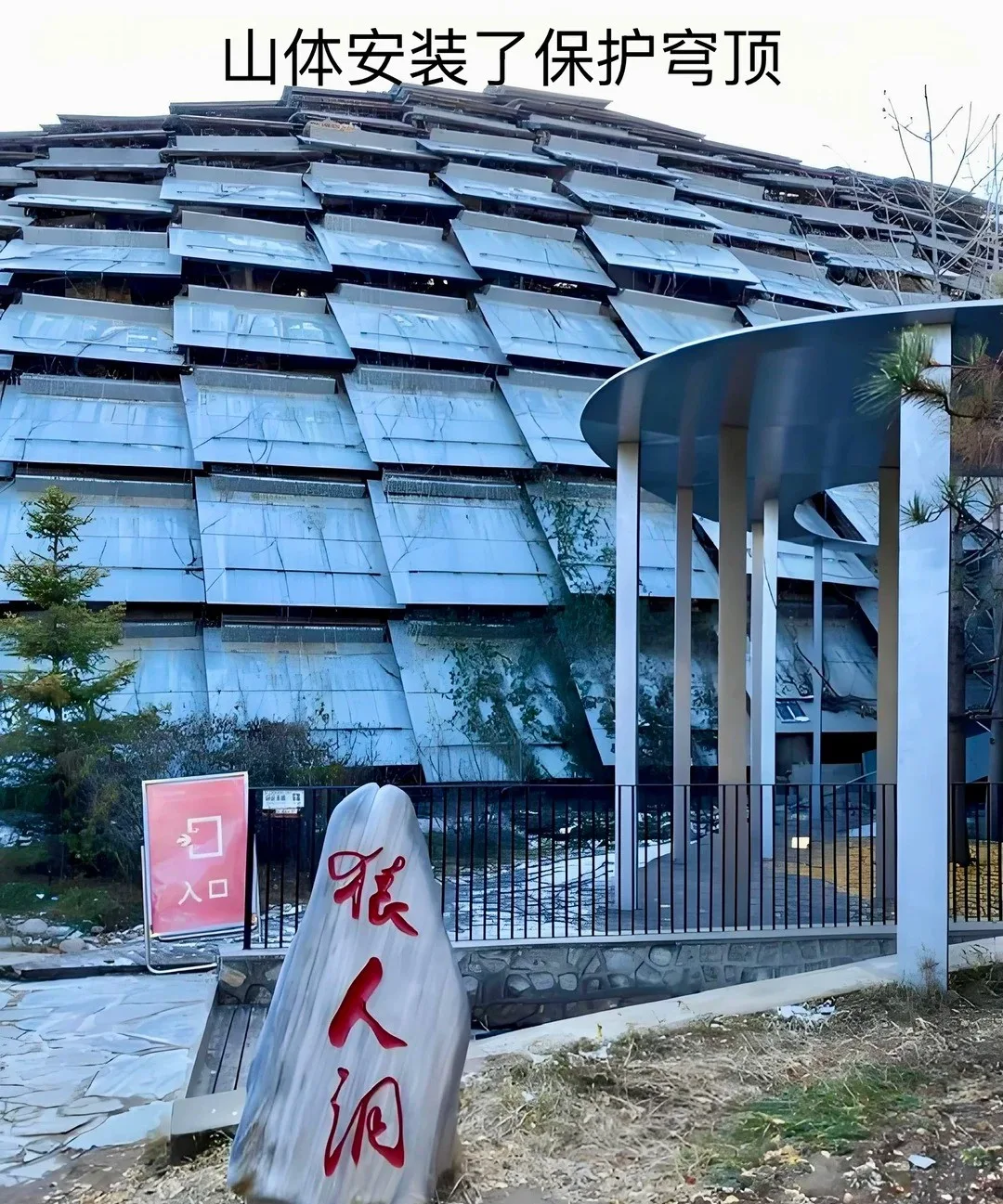
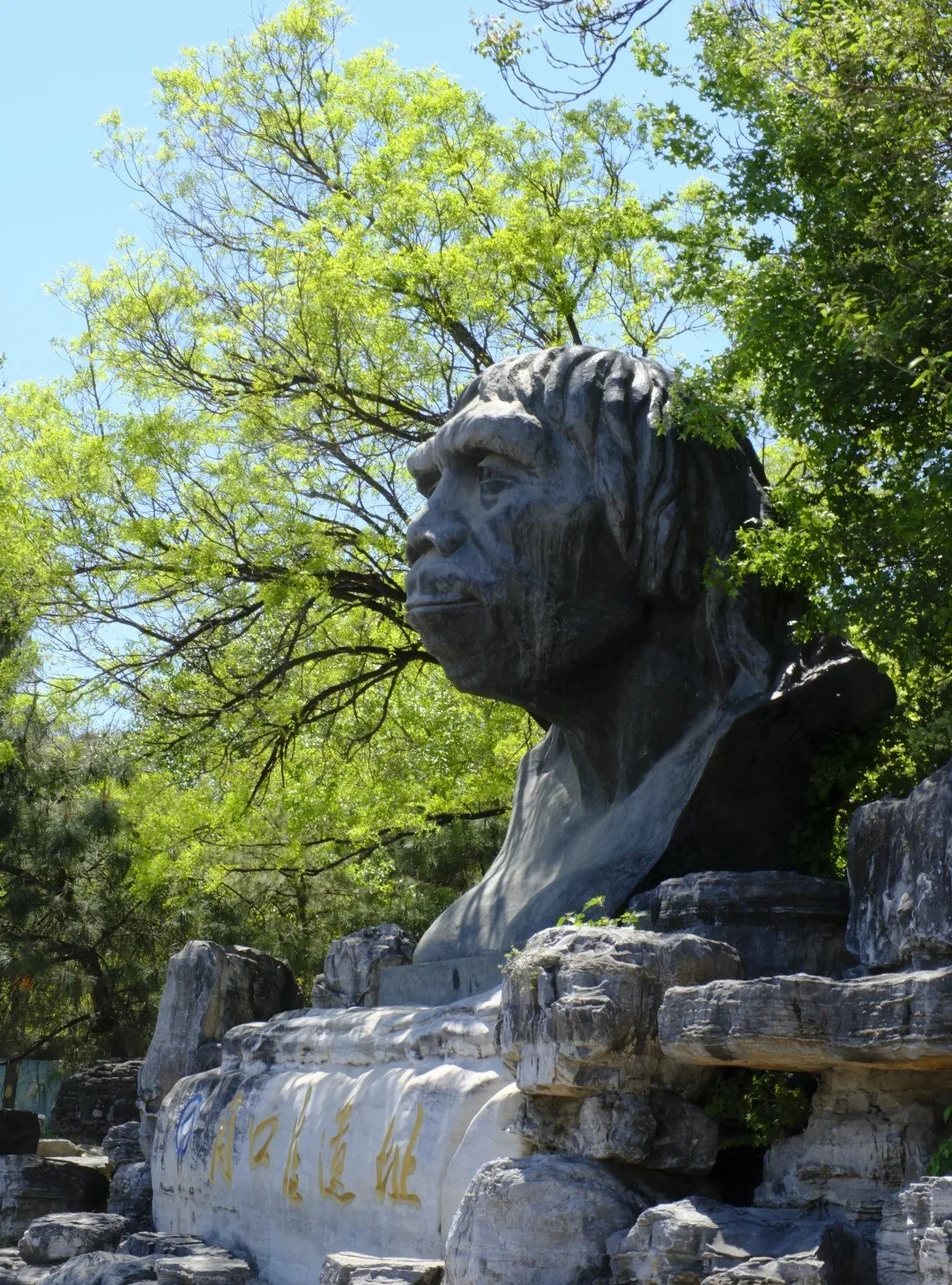
The site is not architecture, but the visitor facilities are worth an hour. The museum was built in 1953, extended in 1971, and replaced by a new building in 2014: about 8,000 square metres, half sunk into the ground so the hill is undisturbed, with a route of some thousand metres showing more than two thousand objects. The猿人洞 shelter, completed in 2018 and designed by the Beijing office of Tsinghua’s architecture school, is a single-layer grid shell spanning eighty metres over the whole of locality 1. At the entrance a group of sculptures shows Peking Man hunting, gathering and tending fire.
Practical information
- Hours: 1 April–31 October 9:00–16:30, last entry 16:00; 1 November–31 March 9:00–16:00. Closed Mondays except public holidays
- Tickets: 30 yuan; half price 15 yuan for students and seniors with valid ID
- Metro: Fangshan line to Yancun East, then bus F38 to the Zhoukoudian site stop; about an hour and a half from the centre
- Driving: G4 from Yancun exit onto Jingzhou road, about fifteen kilometres; parking about 5 yuan an hour
- Tip: some paths are mountain tracks, so wear trainers; do not touch the fossils; audio guides are available inside
Related reading
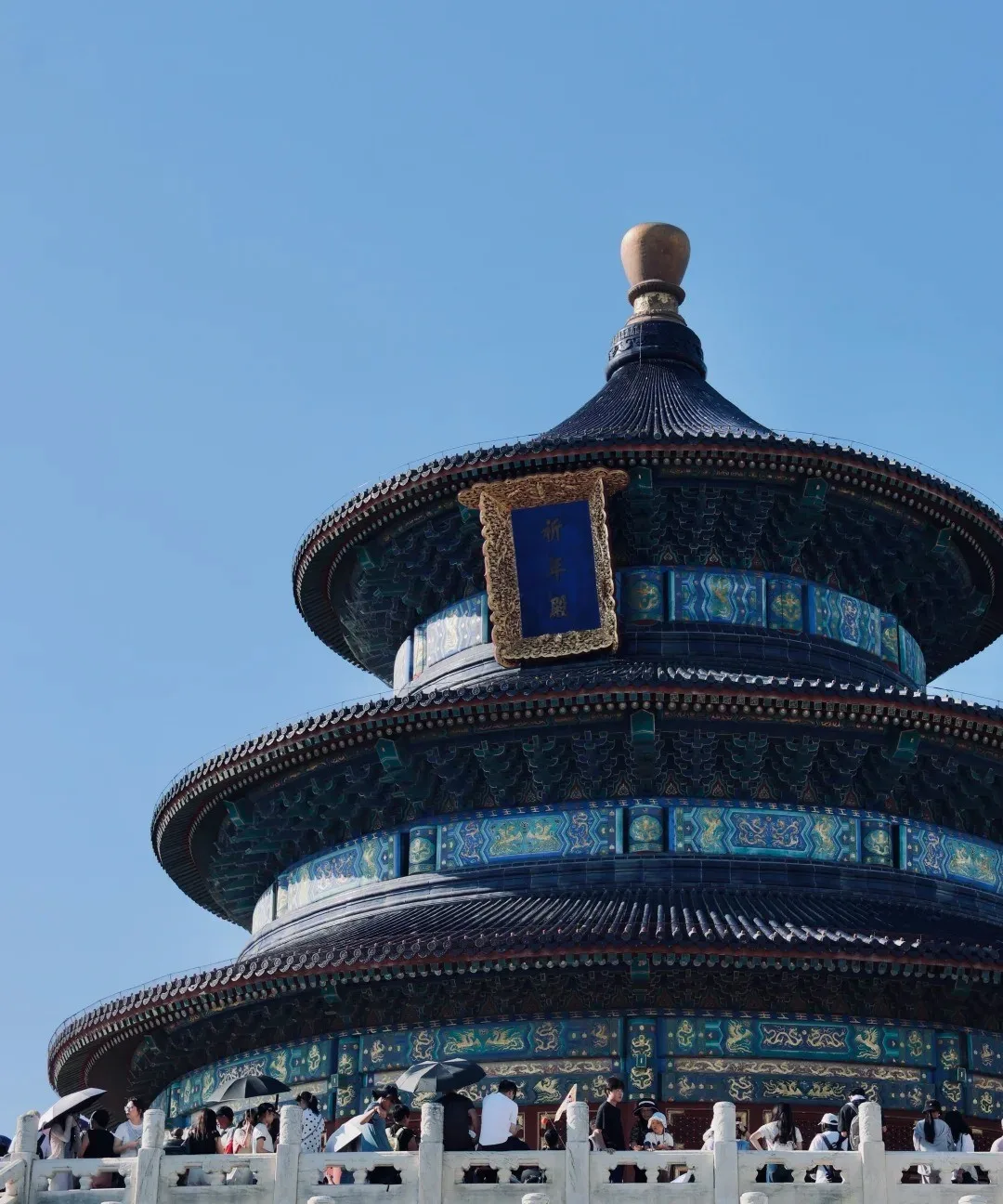
Temple of Heaven: Where the Square and the Circle Met
A circle at the north, a square at the south, and a 360-metre stone causeway running between them to the Hall of Prayer for Good Harvests. The Temple of Heaven turned an idea about the sky into a place you can walk through — sound skims along its walls, and every count of stone is a multiple of nine.
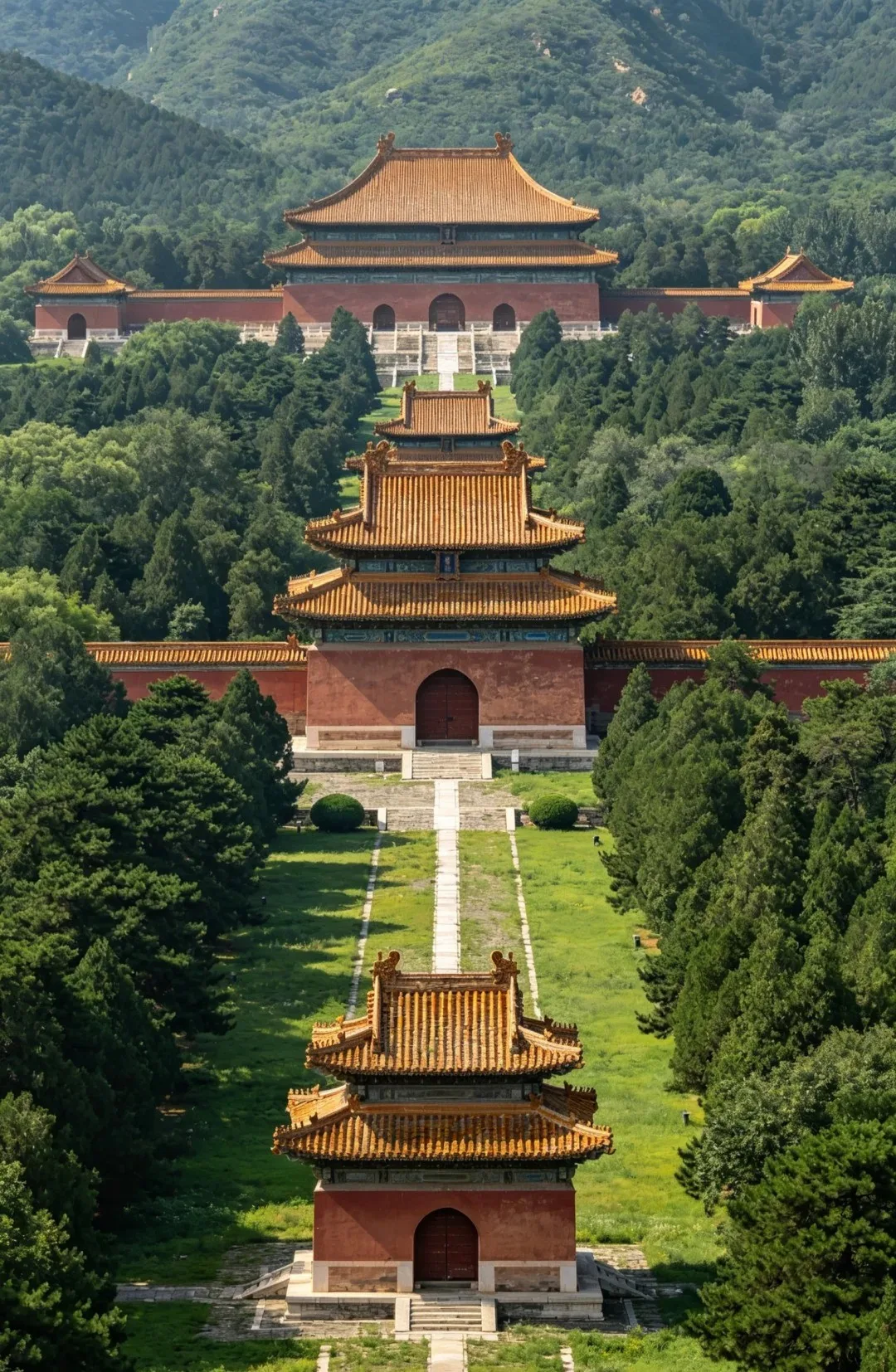
Ming Tombs: Thirteen Emperors in One Mountain Basin
In a forty-square-kilometre basin south of Tianshou Hill lie thirteen emperors of the Ming: the founder's son who moved the capital, the ruler who held no court for twenty-eight years, the last one who hanged himself on Coal Mountain. One stone sacred way, lined with carved animals, links all thirteen.
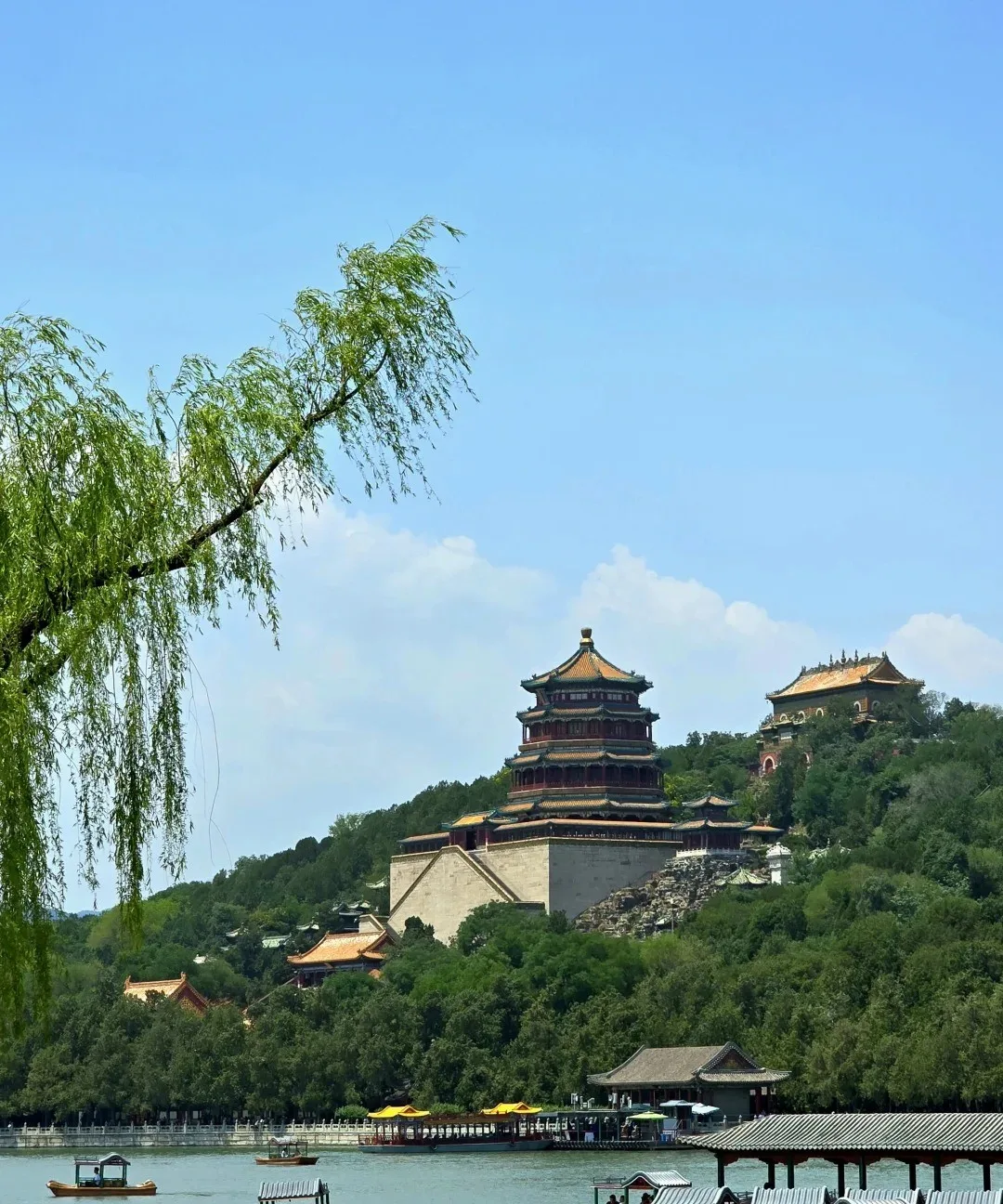
Summer Palace: A Southern Landscape Transplanted to the North
Trying to honour his mother's sixtieth birthday, the Qianlong emperor reworked the western water system and in the process left behind three hundred hectares of lake in north-west Beijing. The long corridor runs 728 metres, Kunming Lake covers 220, and everything else is rockery, colonnades and a stubborn idea of the south.
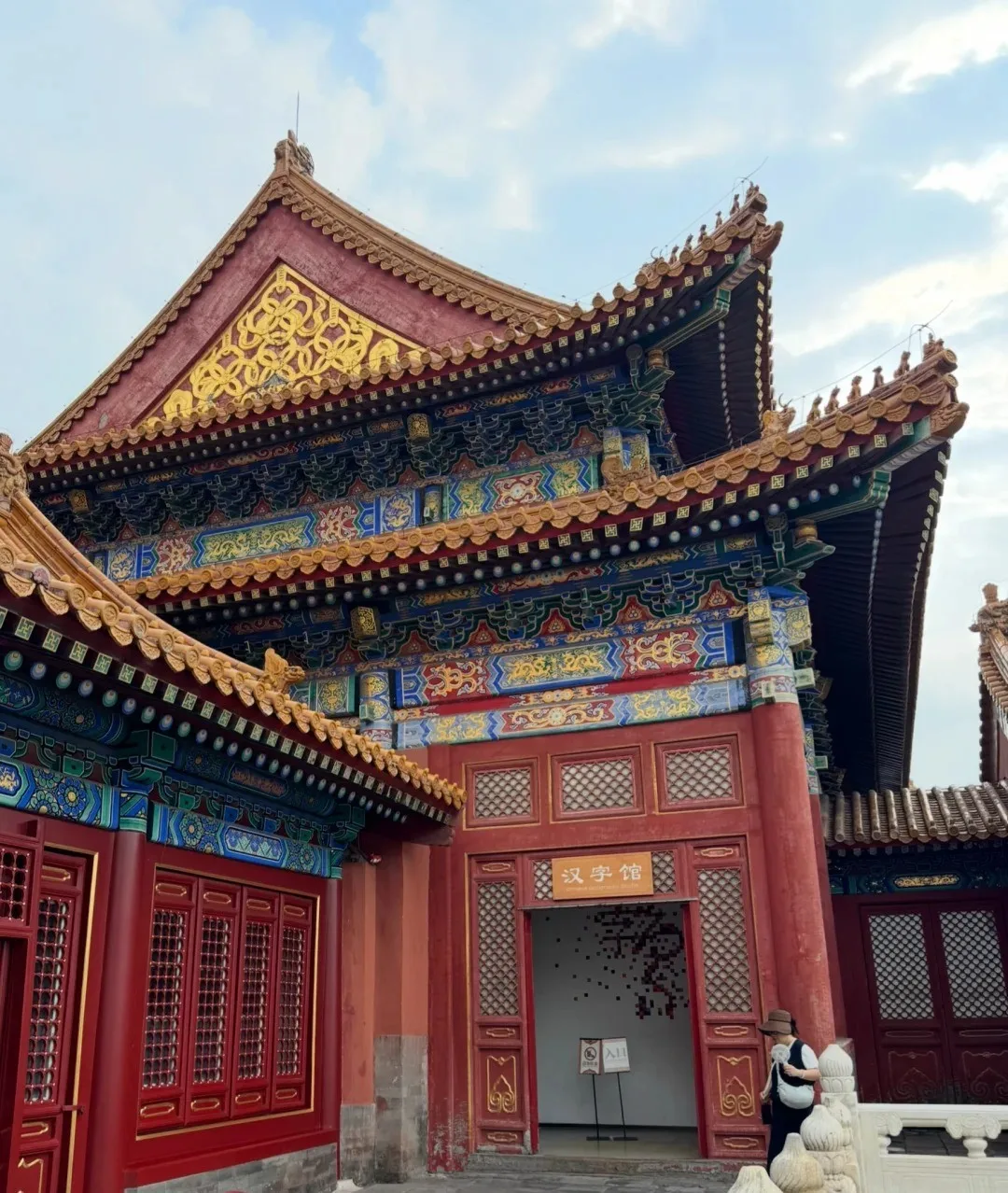
Forbidden City: A Wooden City Standing on Beijing's Central Axis
For two dynasties, China piled its most expensive timber, its longest central axis and its strictest rituals inside one walled rectangle. The Forbidden City grew out of a single decision to move the capital north, burned down four times, was rebuilt four times, and today is still the quietest large courtyard in Beijing.
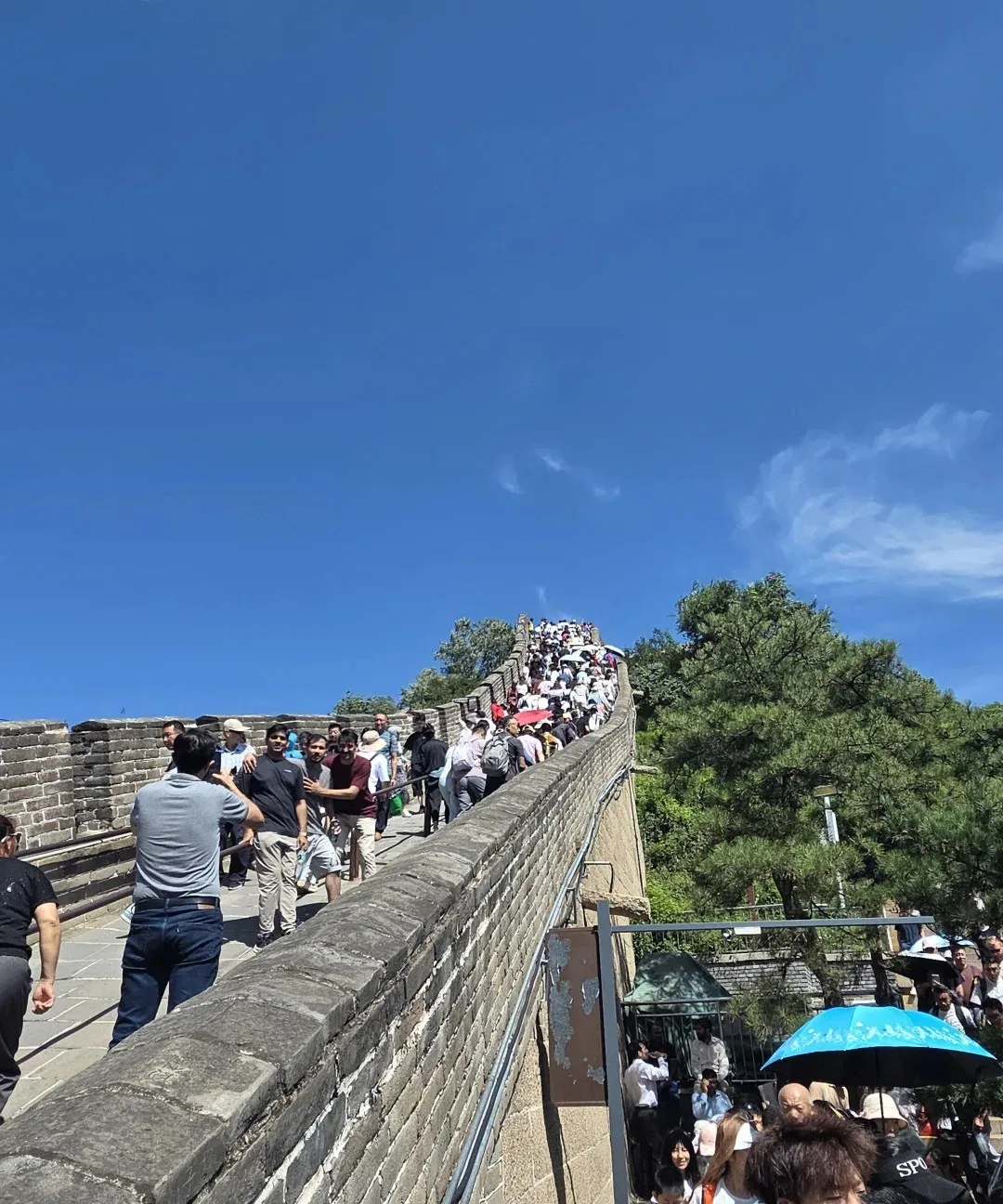
Badaling: The Pass Worth Climbing, and the Trait It Cut Through
A pass at a thousand metres, a Ming section of wall, 3,741 metres of rampart and nineteen beacon towers. Badaling is neither the longest nor the most dramatic stretch of the Great Wall — but it was the first to open to visitors, which is why six centuries later almost everyone recognises this particular frame.