 Travel Notes
 Forbidden City: A Wooden City Standing on Beijing's Central Axis
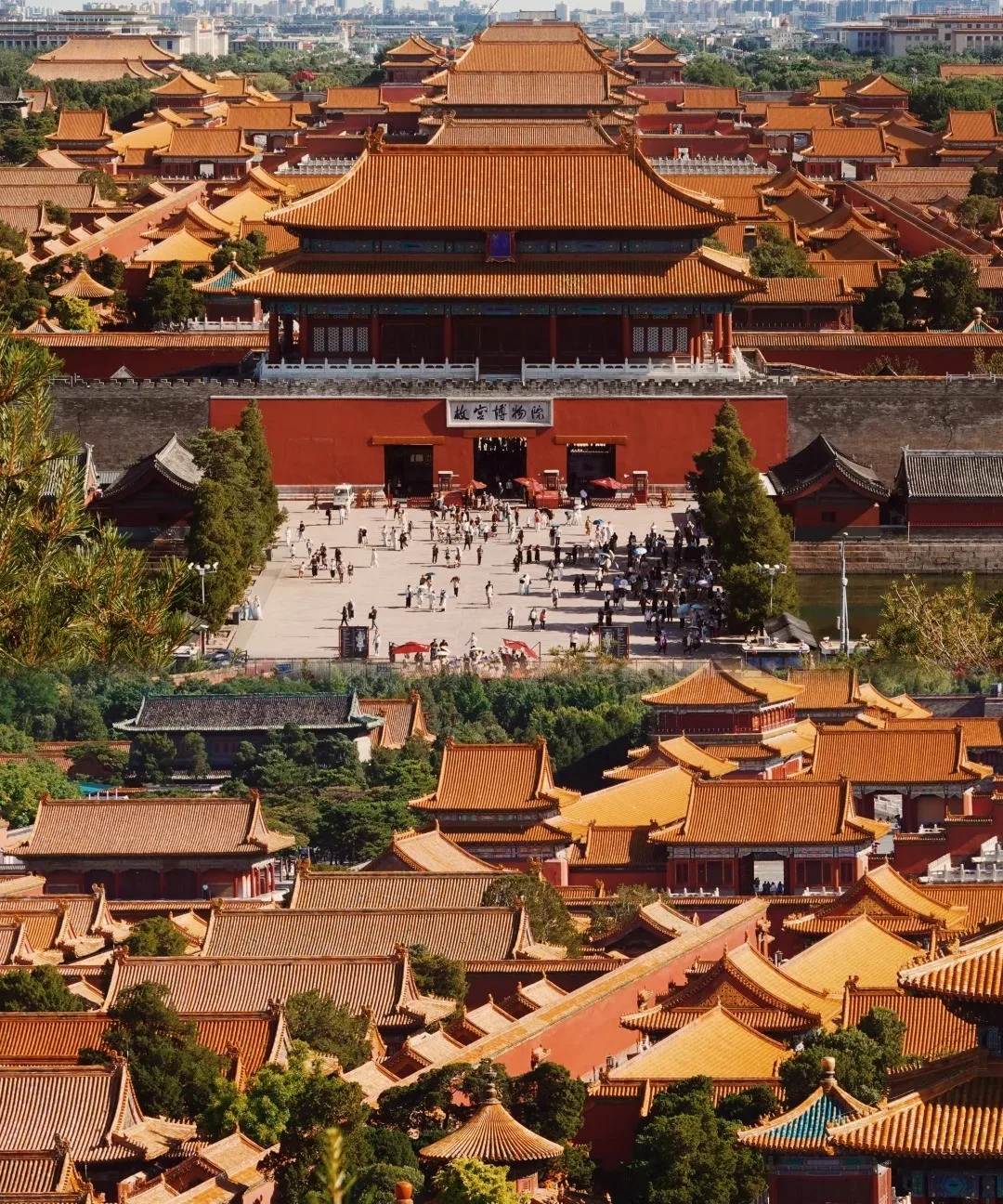
Beijing’s central axis is anchored by an unremarkable wall — thick, low, and red. Builders broke ground in 1406 during the Yongle era and raised the whole complex by 1420, a mere fourteen years, on the site vacated by the Yuan capital palace. Around 230,000 craftsmen and more than a million labourers were conscripted; giant trees were felled in the deep mountains of Sichuan, Hunan and Jiangxi, and stone was dragged up from Fangshan. Six centuries on, the place is still where the empire’s business happened.
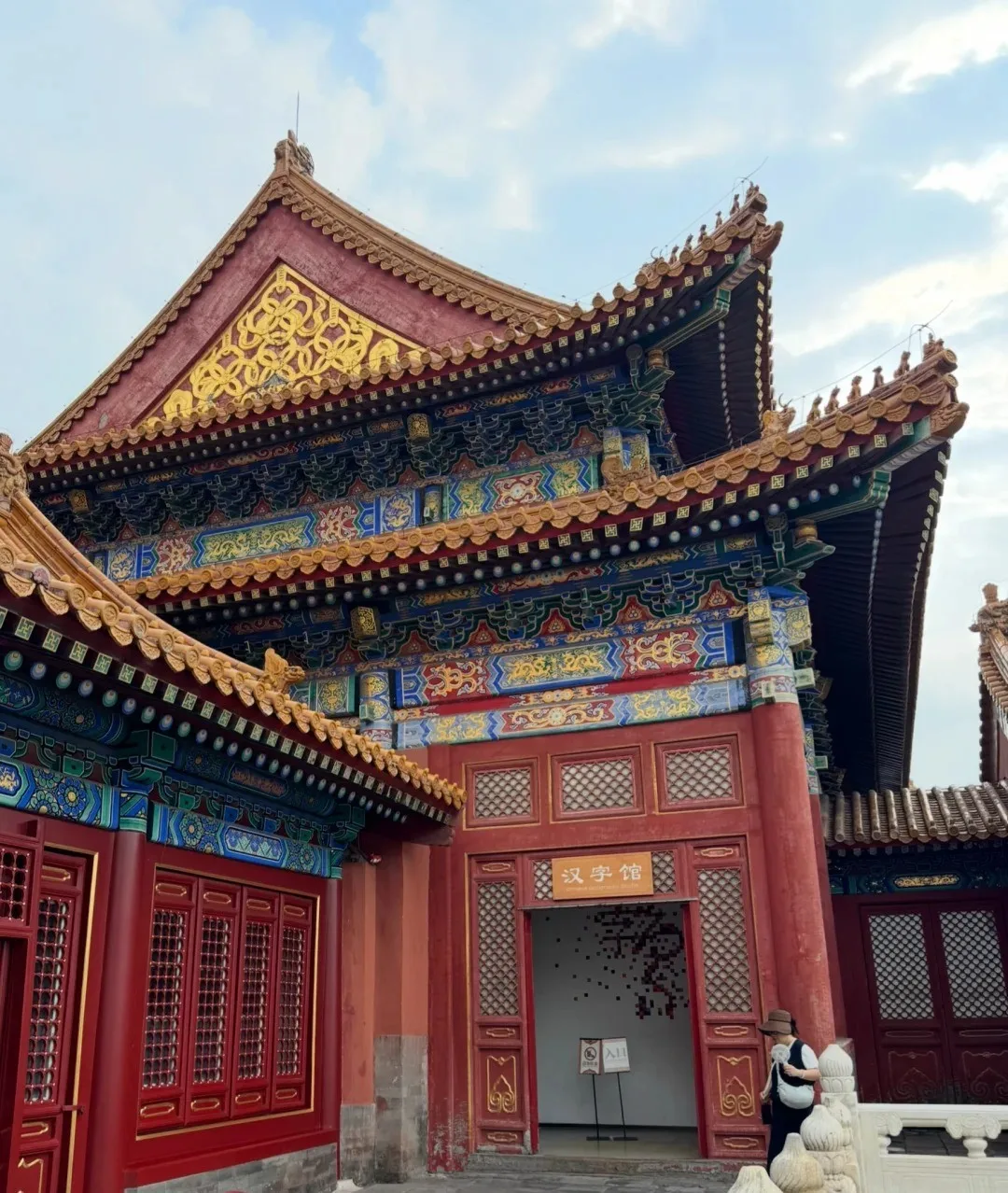
The name comes from the stars. Older Chinese astronomy placed the pivot of the heavens in the Purple Enclosure, and the emperor was held to occupy its centre — which left his palace ringed by forbidden ground, and gave locals a nickname for it.
A list of numbers, and a construction story
Seventy-two hectares of ground, walls 3,420 metres around and ten metres high, a moat fifty-two metres wide; 150,000 square metres of built area, and 8,707 rooms counted in the 1973 survey. None of that arrived in one go. Every dynasty after the Ming added, replaced or rebuilt pieces of it, and what you walk through is the sum of those decisions.
Four fires and four comebacks
Timber and fire do not mix. One year after completion, in 1421, lightning took the three front halls. A rebuilding followed in 1440. In 1557 lightning struck again, and the hall was rebuilt in 1562 under new names — Huangji, Zhongji and Jianji. Fire returned in 1597 and repairs only finished in 1627. Each rebuild nudged the details, but the axis never moved.
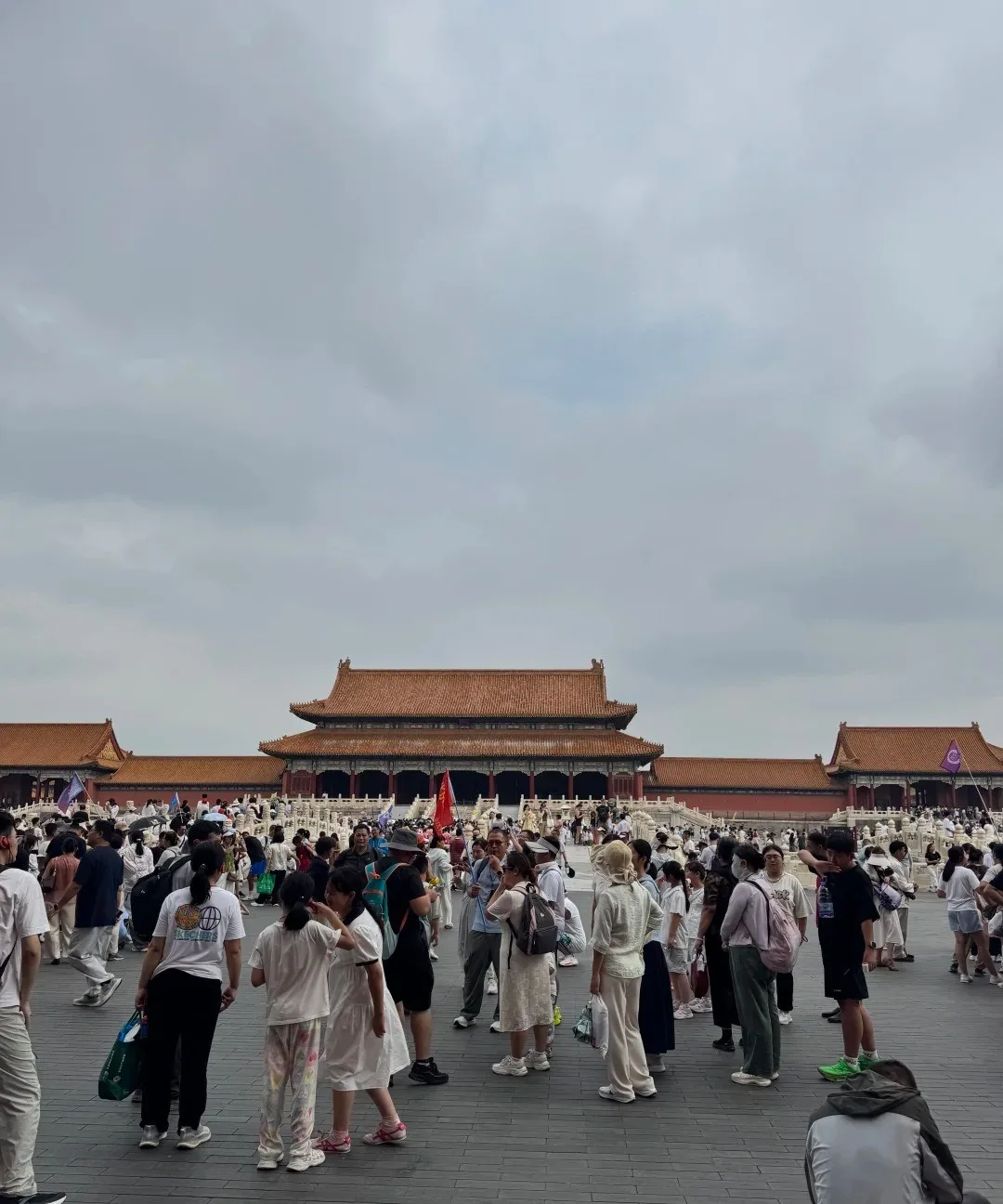
The outer court: where the state performed
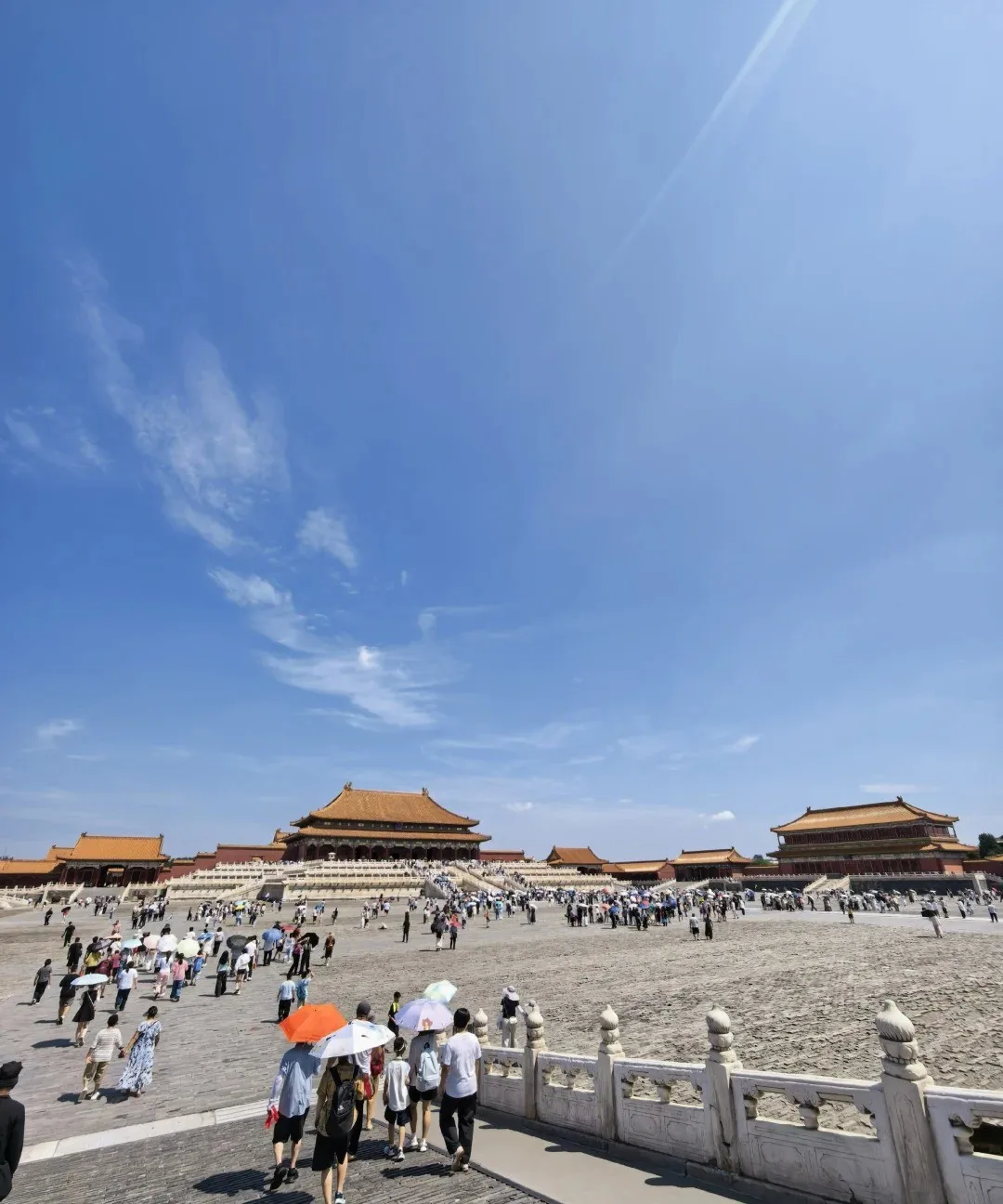
Hall of Supreme Harmony is the largest and highest-ranked building in the palace: eleven bays wide (63.96 m), five deep (37.17 m), standing 35.05 m, covering 2,377 square metres. Accessions, the investiture of empresses, and the sending off of generals all took place here.
Hall of Central Harmony is a plain cube, 24.15 m on each side and 27 m tall. Before the great ceremony, the emperor would sit here to receive greetings and gather himself.
Hall of Preserved Harmony measures nine bays (49.68 m) by five (24.97 m), 29.5 m high. After the Qing period it became the examination hall where the top three graduates of the civil service exams were named by the emperor’s own hand.
The inner court: rules inside the living quarters
Qianqing Palace — nine bays (48.05 m) by five (25.52 m), 24.5 m tall — served as both bedroom and working office from the Ming through the Kangxi years. A plaque reading “Perfect Governance and Bright Virtue” hangs inside, and from the Yongzheng era the secret succession edicts were lodged behind it. Jiaotai Palace holds the twenty-five imperial seals of the Qing. Kunning Palace was the Ming queen’s bedroom; the Qing turned it into a Shamanist shrine, and its eastern warm bay became the bridal chamber for the emperor’s wedding.
Yongzheng moved into Yangxin Hall in 1723, and from then on it — not Qianqing — was the real centre of government. The late Qing practice of the regents sitting behind a screen happened in its eastern bay.
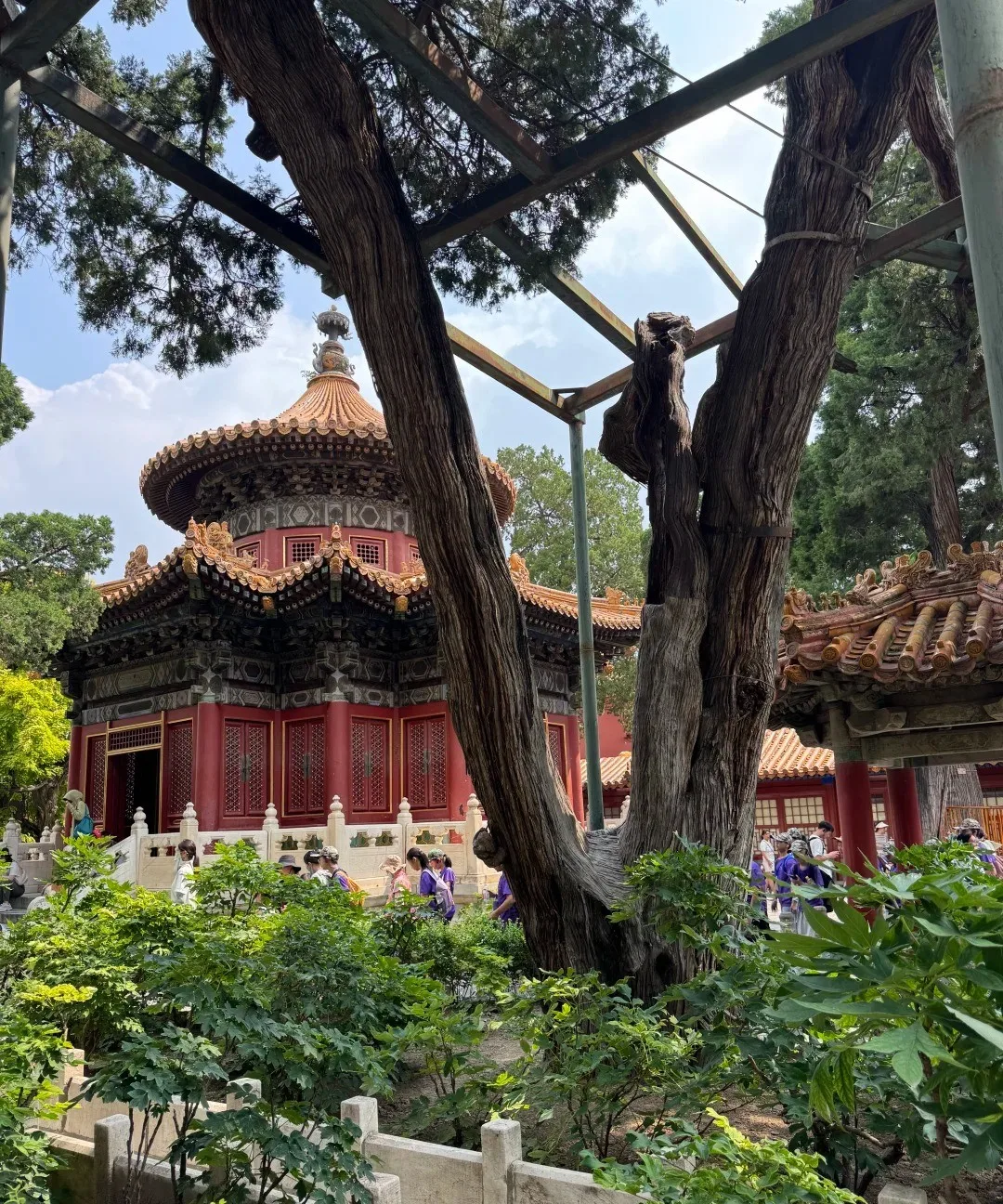
North of the inner court lies the Imperial Garden, about 12,000 square metres, laid out symmetrically around the Hall of Center and Balance. Old cypresses tower over it and the Heap of Piled Rocks stands in for a mountain.
Roofs, painted decor, and exactly two colours
The Hall of Supreme Harmony uses the liujin bracket set, the most elaborate class in official Ming-Qing building. Roof forms are graded too: double-eave hip roofs for the great halls, double-eave gable-and-hip roofs for secondary gates, single gable-and-hip for the eastern and western palaces, and conical roofs for the small square halls. Painted decor follows the same ladder — gold-leaf dragon and phoenix motifs on the principal halls, xuanzi spirals for the residential wings, and sushi landscapes and flowers only in garden pavilions.
Red stands for fire, light and the throne; yellow stands for earth and the centre. That is why walls and columns are vermilion and only the roofs carry imperial yellow — a privilege reserved for the people who stand on the axis.
One point eight-six million objects
The museum holds more than 1.86 million items, over ninety per cent of them classed as precious. Among the paintings and calligraphy are the Song copy of Gu Kaizhi’s Nymph of the Luo River, Han Huang’s Five Oxen, Zhang Zeduan’s Courtyard of the River’s Outflow from the Northern Song, and Zhao Mengfu’s Autumn Colours on the Quehua Mountains. Ceramics include a Ru ware three-footed bin and a Chenghua chicken cup. Bronze, too: the Shang Ya Xu square vessel and the Western Zhou Da Yu ding. The clocks are the crowd-pleasers — a Qianlong-period gilded bronze automaton could write Chinese characters by itself.
What to check before buying a ticket
- Hours: 8:30–17:00 from 1 April to 31 October; 8:30–16:30 from 1 November to 31 March. Closed Mondays unless the day falls on a public holiday.
- Price: 60 yuan in peak season, 40 yuan off-peak; students and seniors pay half. Check the official channels for the current rules.
- Getting there: Metro Line 1 to Tiananmen East or Tiananmen West, or Line 8 to Jinyuhutong, then a ten-minute walk; buses 1, 2, 52, 82 and 120 stop nearby.
- Note: nothing motorised operates inside, so plan on walking the whole circuit in soft shoes; book online in peak season.
- Route: enter at Wumen and leave at Shenwumen to walk the axis in one direction and avoid doubling back.
Related reading
Beijing Travel Guide: Three Millennia of Capital, the Central Axis and Seven World Heritage Sites
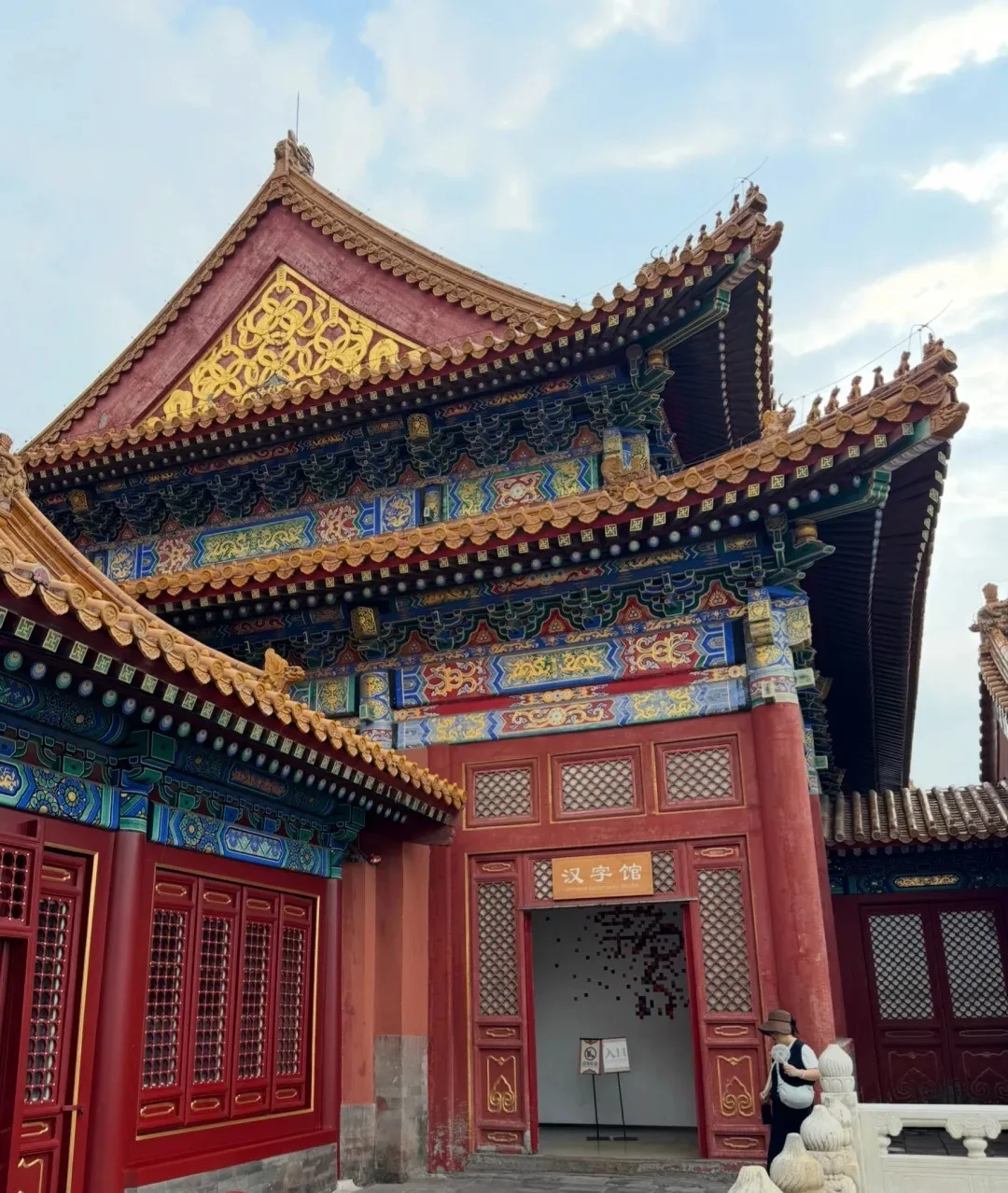
Beijing has three thousand years of city-building and eight hundred years as an imperial capital, with seven World Heritage Sites inside and around it. Here is how to make sense of the city's grand axis and palace complexes — and its equally real daily life in the hutongs.
Temple of Heaven: Where the Square and the Circle Met
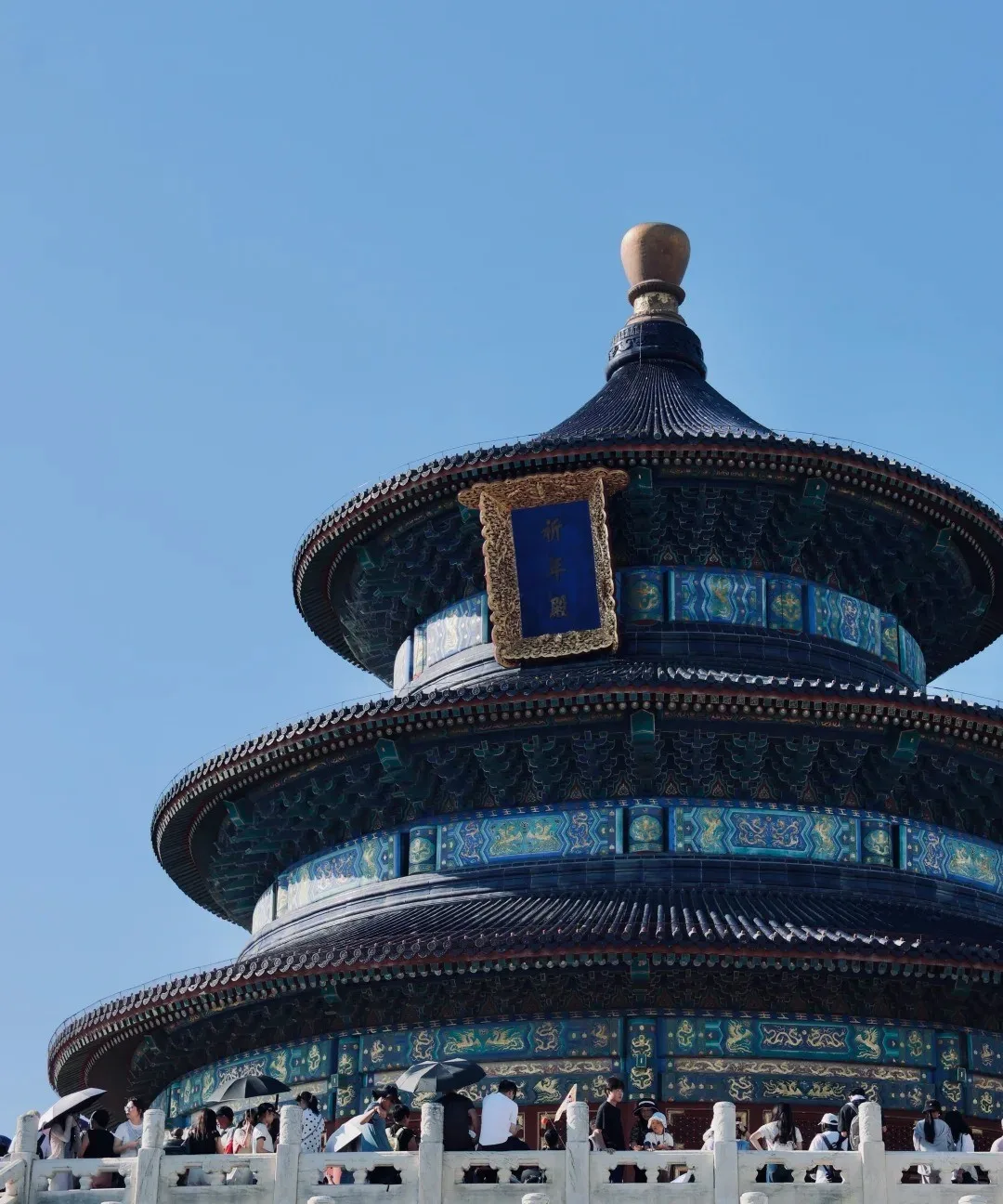
A circle at the north, a square at the south, and a 360-metre stone causeway running between them to the Hall of Prayer for Good Harvests. The Temple of Heaven turned an idea about the sky into a place you can walk through — sound skims along its walls, and every count of stone is a multiple of nine.
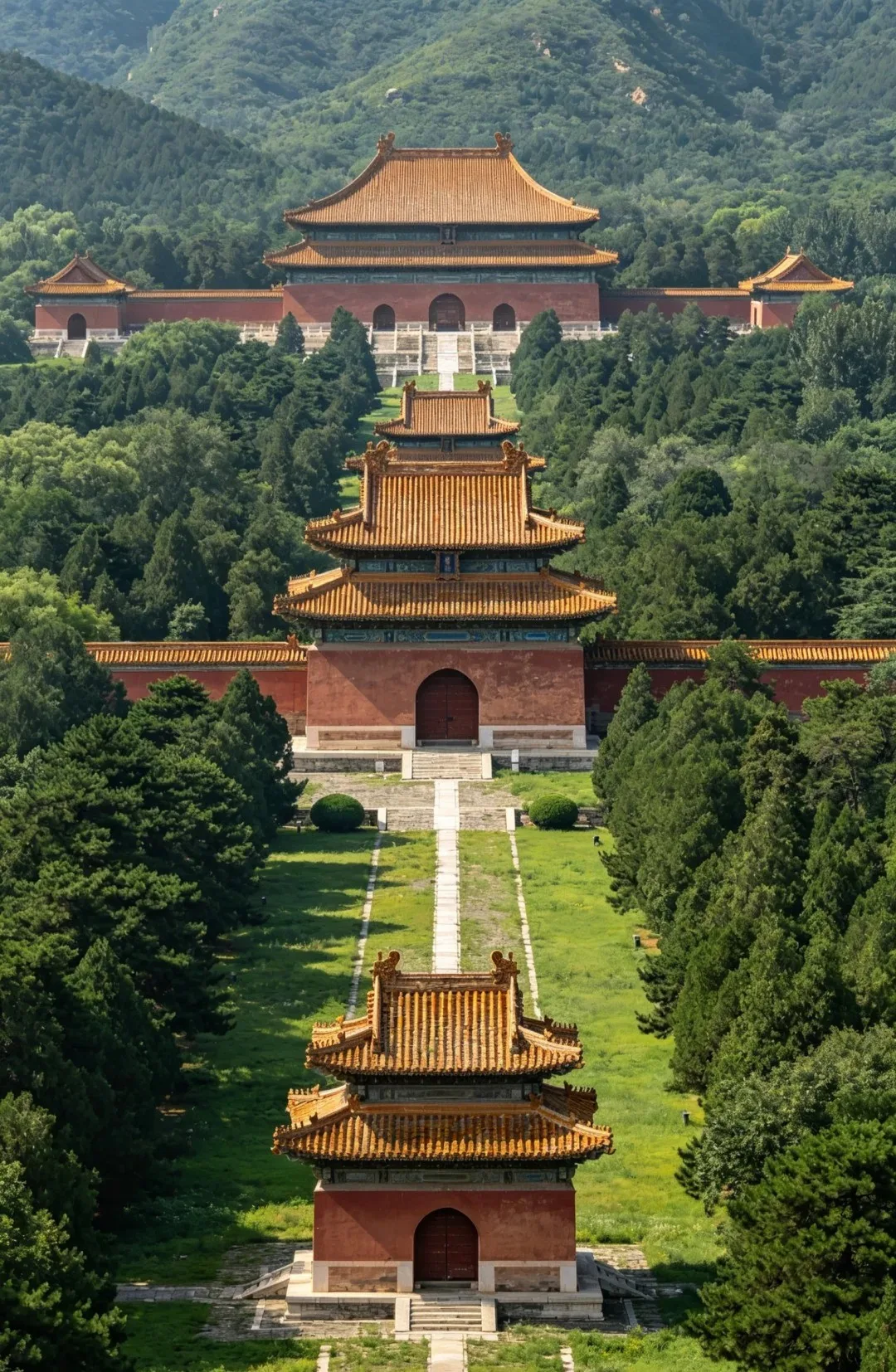
Ming Tombs: Thirteen Emperors in One Mountain Basin
In a forty-square-kilometre basin south of Tianshou Hill lie thirteen emperors of the Ming: the founder's son who moved the capital, the ruler who held no court for twenty-eight years, the last one who hanged himself on Coal Mountain. One stone sacred way, lined with carved animals, links all thirteen.
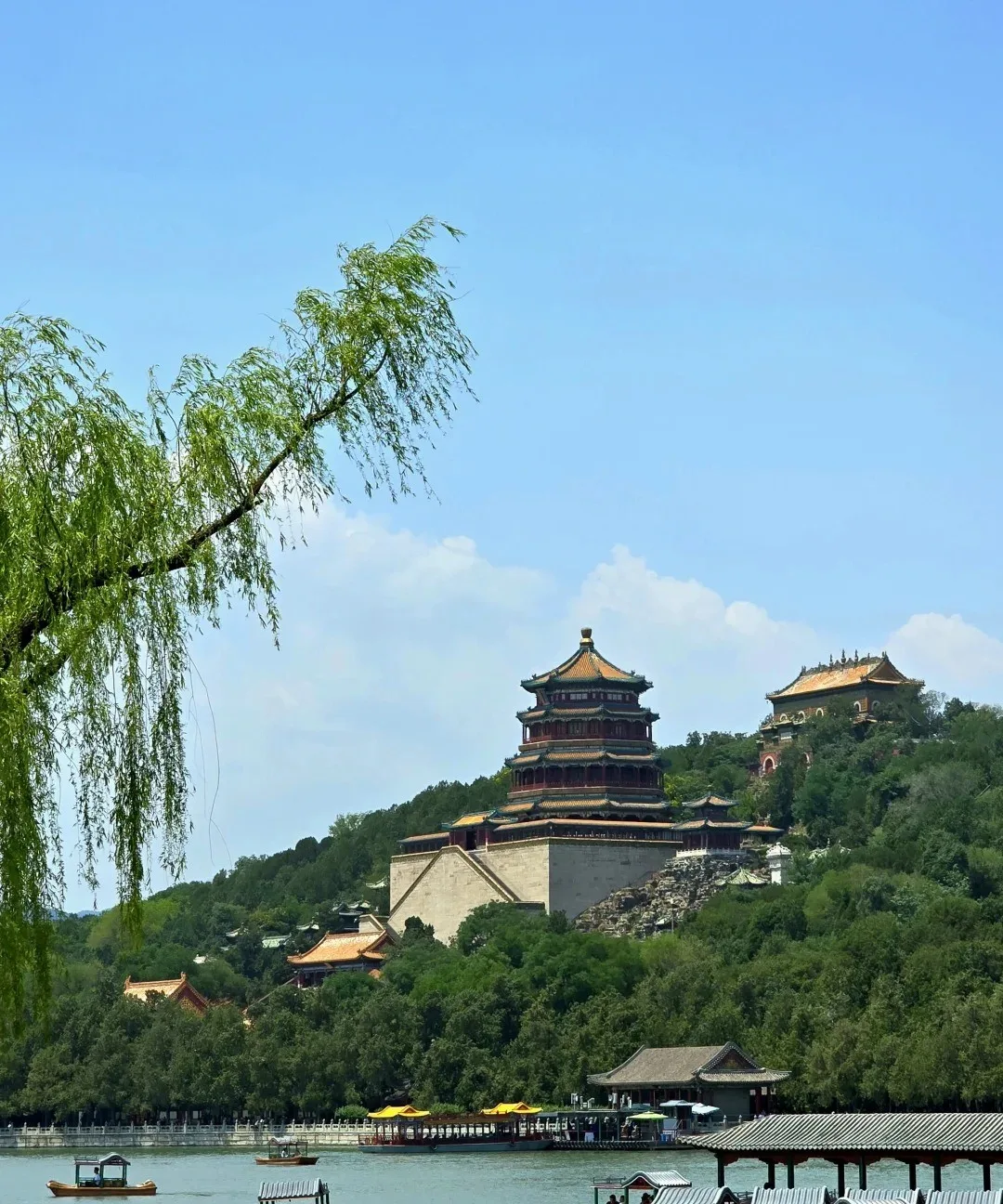
Summer Palace: A Southern Landscape Transplanted to the North
Trying to honour his mother's sixtieth birthday, the Qianlong emperor reworked the western water system and in the process left behind three hundred hectares of lake in north-west Beijing. The long corridor runs 728 metres, Kunming Lake covers 220, and everything else is rockery, colonnades and a stubborn idea of the south.
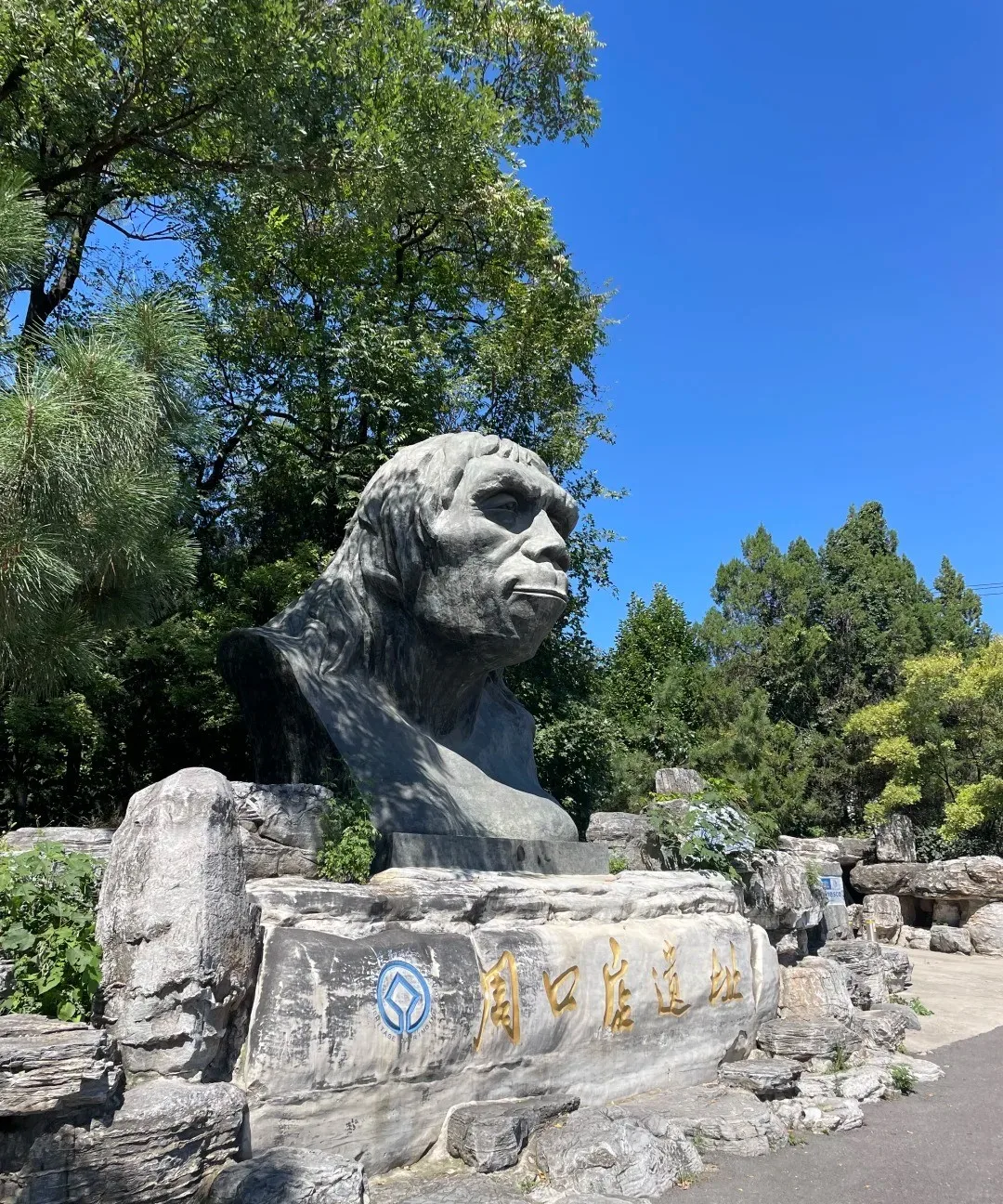
Zhoukoudian Peking Man Site: The First Spade Back in 1929
Beneath a cave on Longgu Shan, some forty metres of silt have built up layer by layer, and the Peking Man skulls sit in level eleven. On 2 December 1929 Pei Wenzhong lifted out the first complete one. In 1941 the collection vanished in the fighting.