 Travel Notes
 The Bund: One and a Half Kilometres Where Two Centuries of Shanghai Stand Side by Side
Start by understanding the river
The Huangpu makes an almost right-angle bend through the city. Inside the bend lies the Bund, outside it lies Lujiazui. The narrowest crossing is a few hundred metres, and a boat takes about ten minutes. This river is the main switch of the whole city: one bank keeps the old world that arrived after the treaty ports opened, the other holds a full wall of new glass. Seen from a Lujiazui tower, the city looks cut in two by a silver ribbon.
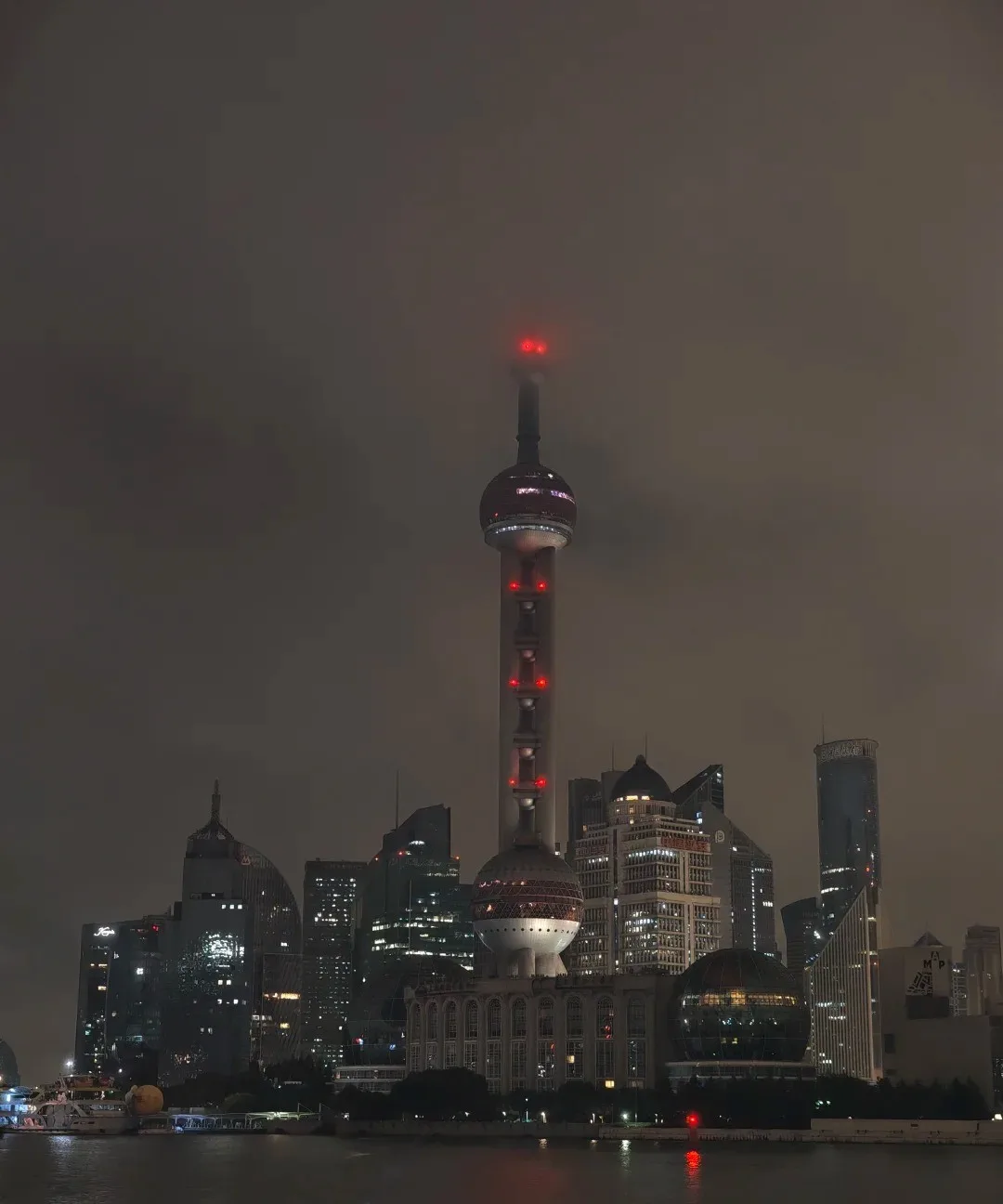
From mudflat to the Far Eastern Wall Street
Before Shanghai opened as a port in 1843 this was a stretch of riverbank mud; the Ming gazetteer of Shanghai county called it Huangpu Tan, and the trade of the town then sat around the City God Temple and Shiliupu. The 1845 Land Regulations marked out the British settlement with the Huangpu as its eastern edge. Wharves, warehouses and consulates came first, then a wide road was laid over the mud, later known as the Bund Avenue. By the late nineteenth and 1930s banks, firms and clubs stood one after another, and this became the financial street of the Far East.
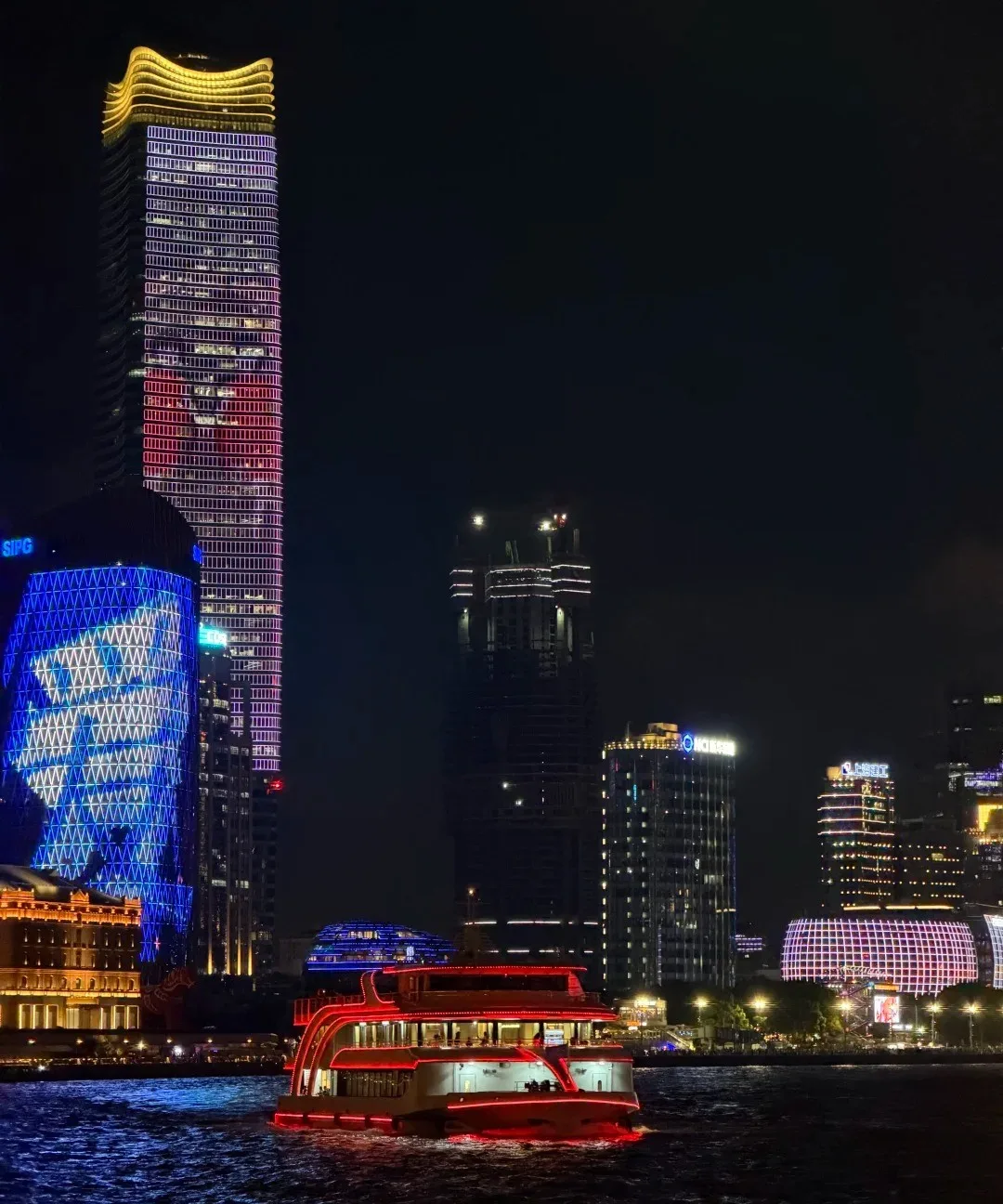
Fifty-two buildings, twenty-three national monuments
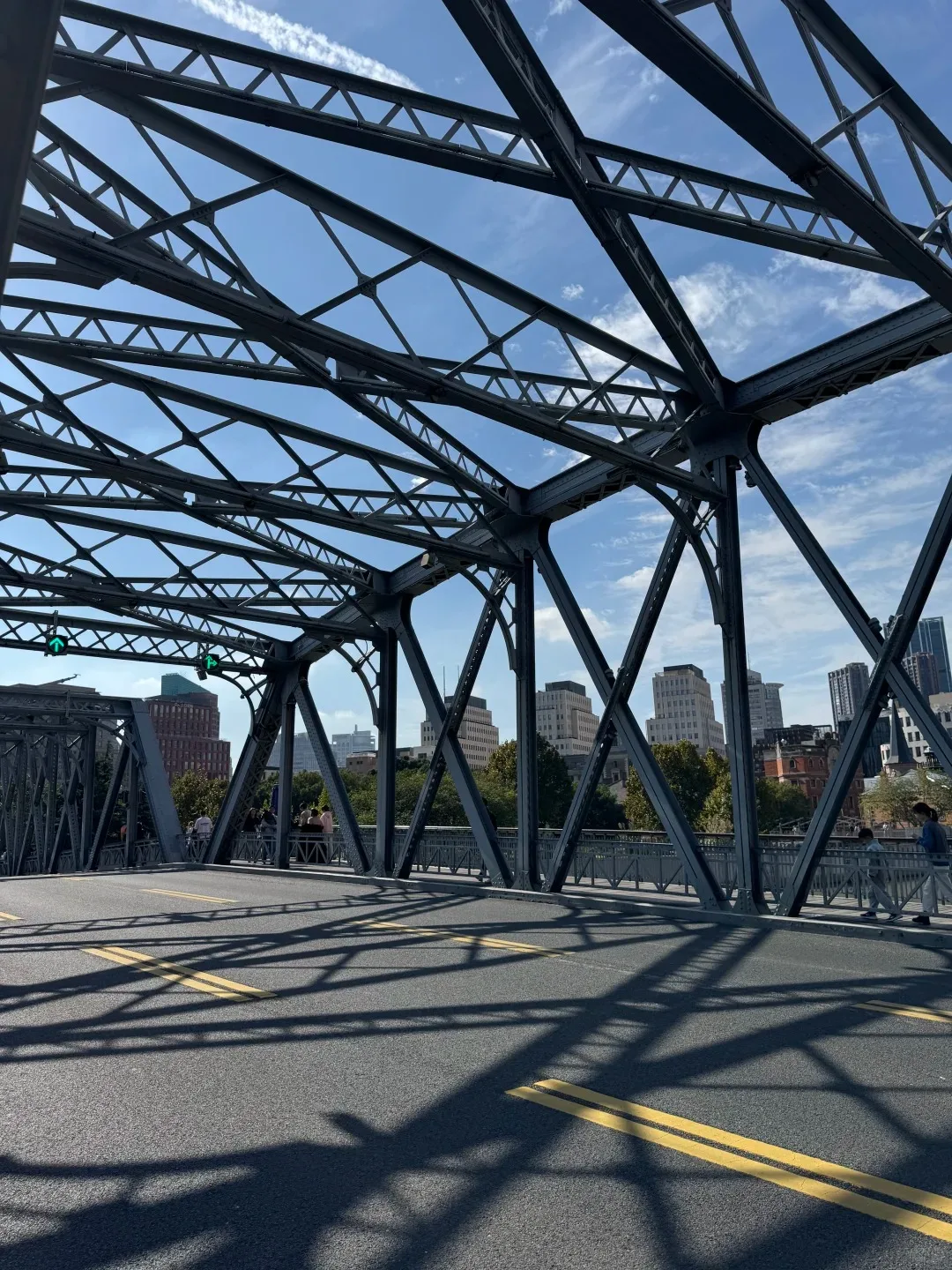
Some fifty-two buildings of the modern period still stand along this stretch, twenty-three of them protected at national level. The HSBC Building of 1923 carries a full Ionic colonnade; its bronze dome opens inside into a ring of radiating copperwork, which from the floor looks like a lotus turned upside down, and it was called the most carefully built structure from Suez to the Bering Strait. Next to it the Custom House tower rises 79.2 metres with a five-point-four-metre dial on each of its four faces, chiming Westminster every quarter hour. At the north end Garden Bridge opened in 1907 as a steel truss and still carries the Suo river mouth under it.
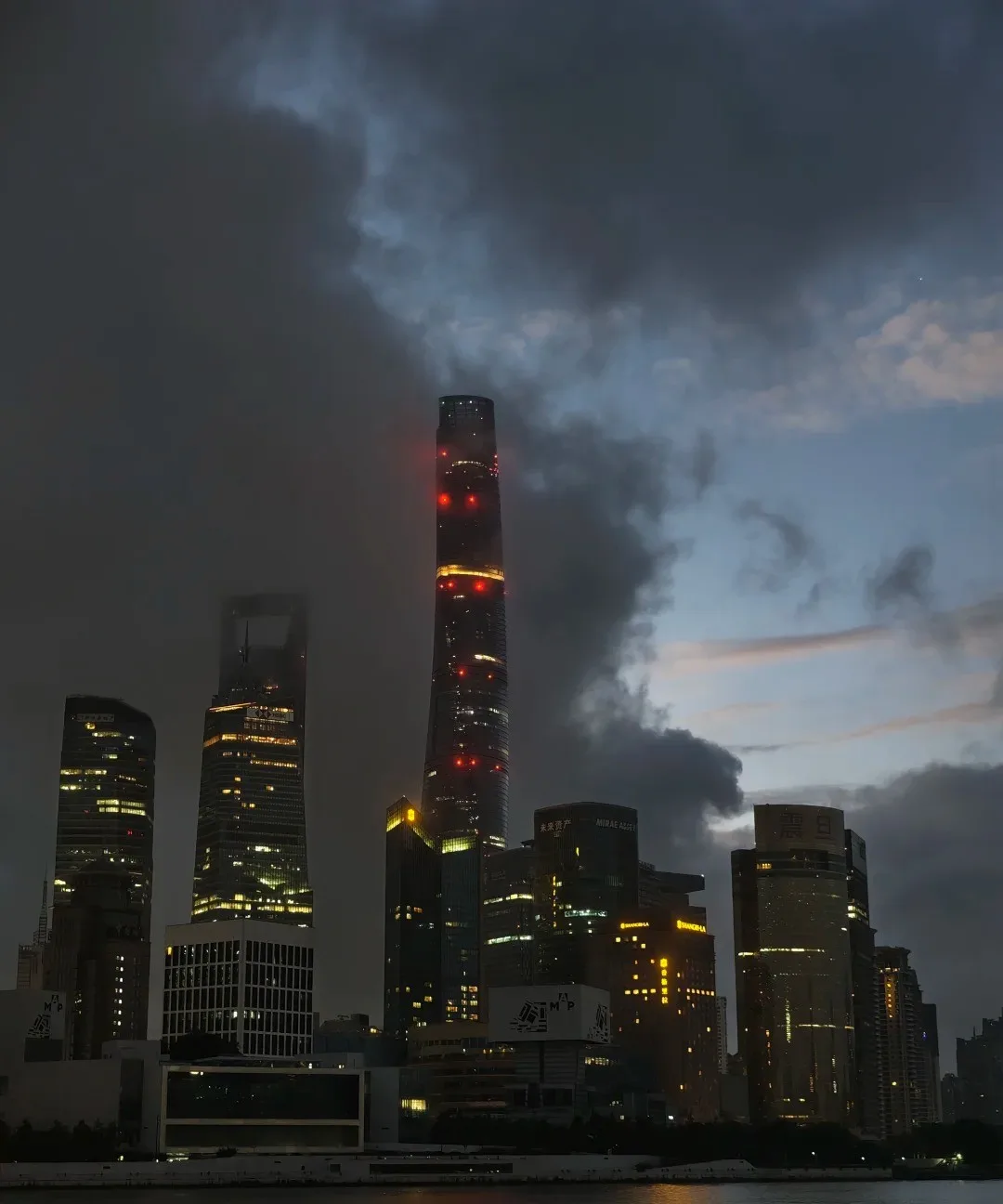
A promenade 1.7 kilometres long
The Bund promenade runs about 1.7 kilometres, some fifteen metres wide on average, and is one of the most heavily used public spaces in the city. Beyond the railing is the river; beyond the river is Lujiazui. Early mornings belong to runners and people with tripods. For the half hour before sunset the facades shift from cream to dark gold while boats cross one after another in front of them. Midway there are a few sunken viewing platforms where you can stand at the very front and get the widest frame, and also the hardest wind.
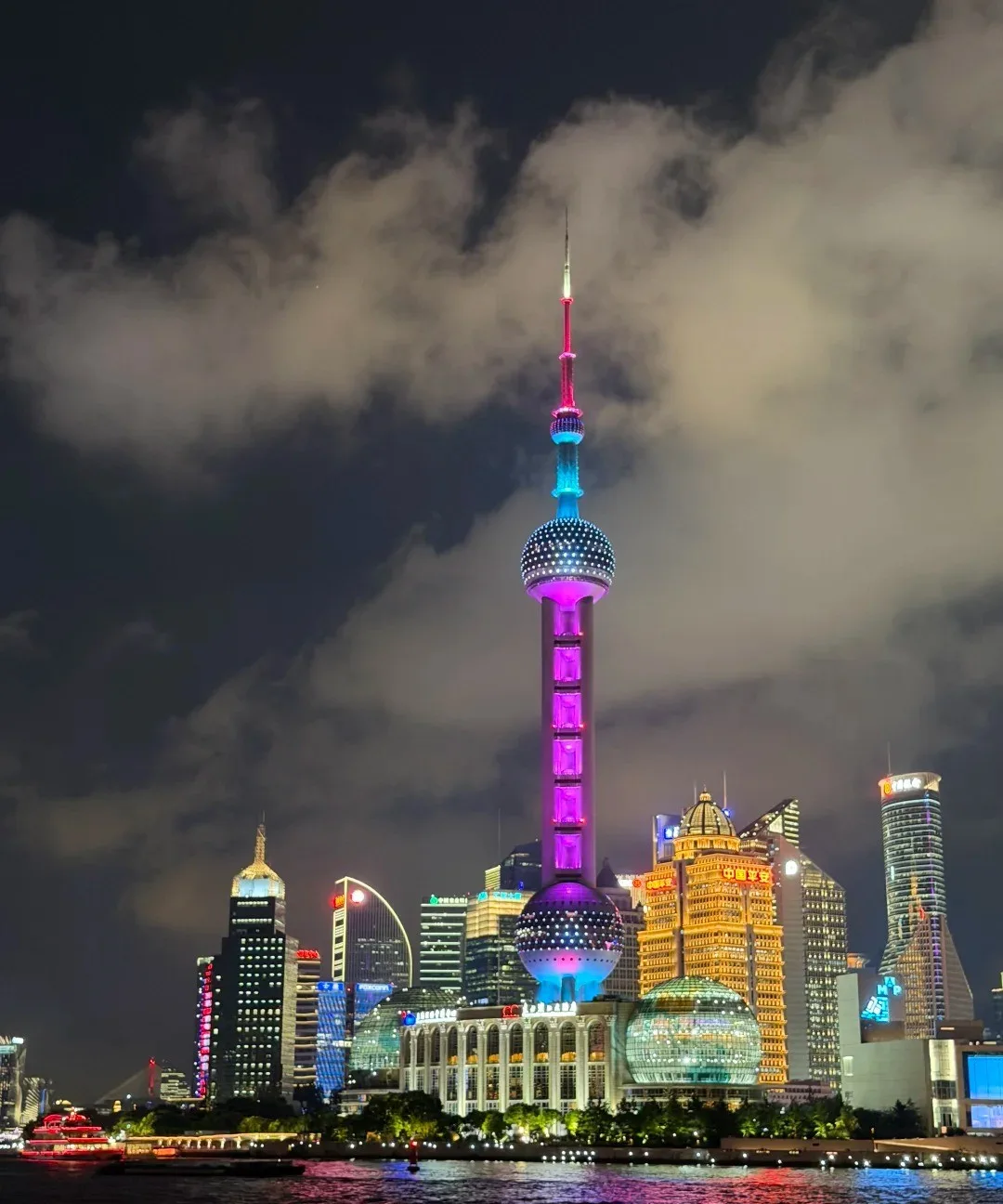
Two yuan across: the cheapest view in town
There are several ways to reach the far bank, and the cheapest is the ferry. A ticket costs two yuan and takes about ten minutes from the pier at the foot of the Bund to Lujiazui. The crew pulls the horn, the cabin mixes tourists with people just off work, and locals who cycle carry their bikes up on deck. River wind, diesel and the lights of both banks arrive together, which is far more alive than the sightseeing tunnel underneath and costs almost nothing.
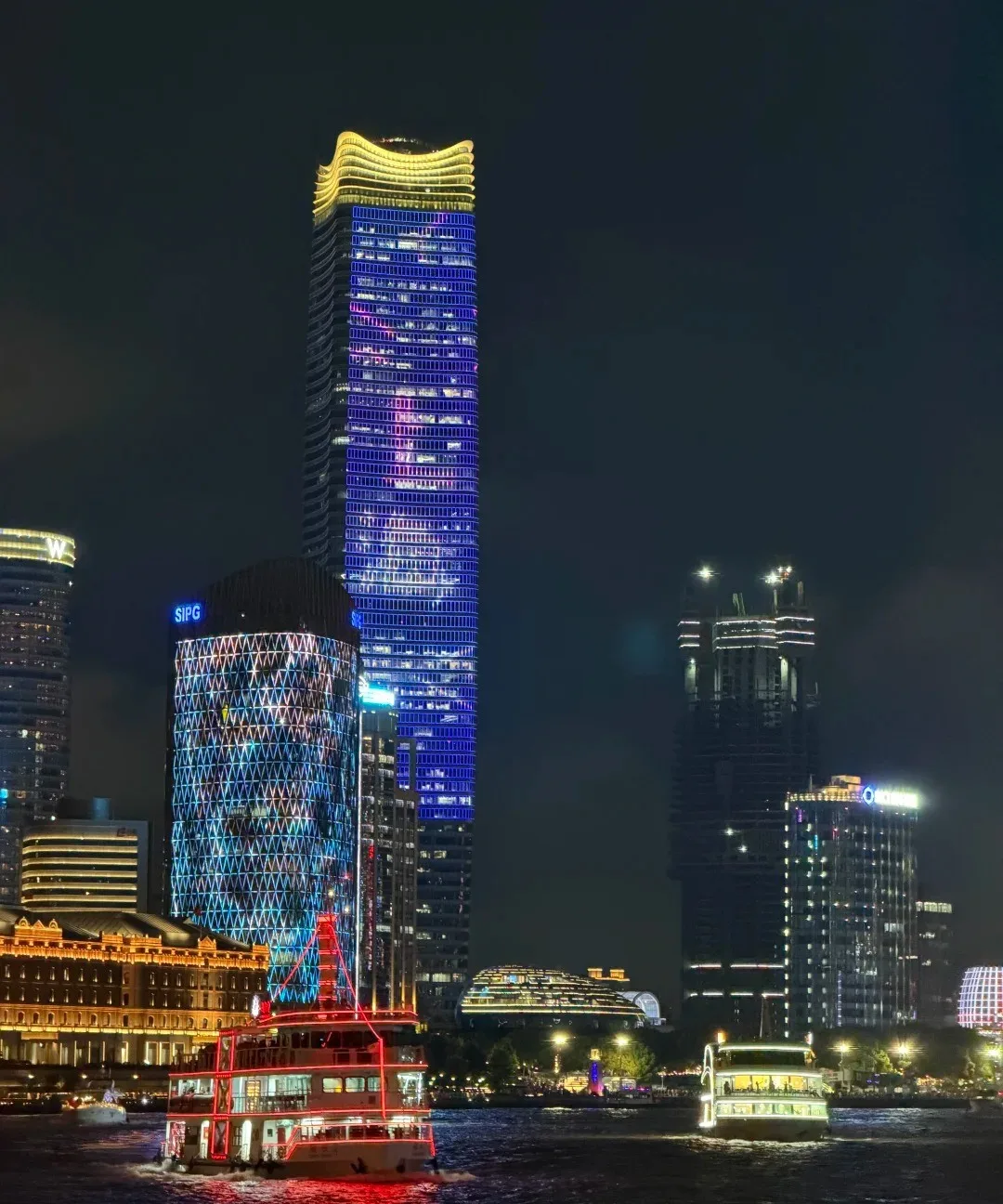
After dark is the real event
Once the lights come on, the row of old buildings turns from silhouette into a gold relief, and the glass on the far side answers in another colour altogether. The jazz band on the ninth-floor terrace of the Peace Hotel plays every night, and the men playing have mostly grey hair. Further south, piers converted into restaurants sit side by side and the terrace tables need booking. The wind off the water is stronger than people expect, and still few go back to their hotels.
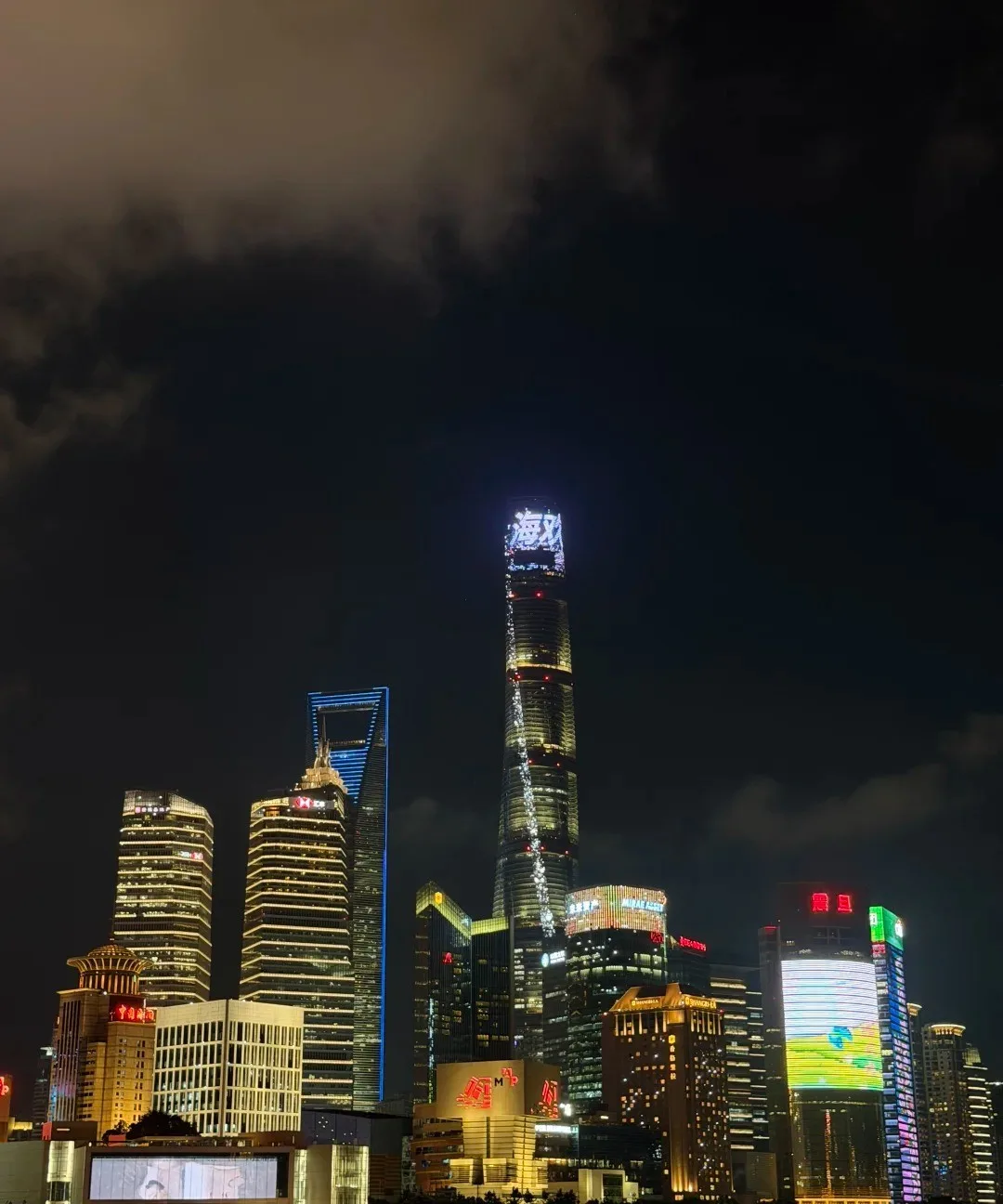
The Bund is not difficult to walk; it is simply long. What people remember is rarely one particular building. It is the empty promenade at six in the morning, the white line the ferry horn cuts across the water, the sound of a polish machine droning behind an old iron door at a corner in the southern section. Once you have finished those kilometre and a half, you basically have your first picture of the city.
Practical information
- Hours: the promenade is free and passable around the clock; interiors of several historic buildings need a booking or a separate ticket.
- Walking: from Garden Bridge south to Jinling Road East takes about twenty-five minutes one way, with no need to double back.
- Getting there: metro lines 2 and 10 to East Nanjing Road, then a ten-minute walk; buses 20, 37, 55, 65 and 71 stop nearby.
- Photography: the west-bank old buildings face away from the light in the morning and look best late afternoon and after dark; Lujiazui across the water makes a good backdrop for portraits.
- Worth combining: West is East Nanjing Road pedestrian street, south turns into Yu Garden and the City God Temple, which easily fill half a day together.
Related reading
Shanghai: Two Shores of the Huangpu, Foreign Architecture and a Skyline
Shanghai goes by the short form Hu and the old name Shen, sits where the Yangtze meets the sea and belongs to East China. The Huangpu divides the city in two: west, the foreign-built architecture, lane houses and plane-tree streets of the treaty-port years; east, the towers of Lujiazui. From the museum at People Square to the Bund, across on a two-yuan ferry, up to the 546-metre deck of the Shanghai Tower; then turn into the old town for Ming rockeries at Yu Garden, the nine-turning bridge at the City God Temple, or an afternoon in the narrow lanes of Xintiandi and Tianzifang.
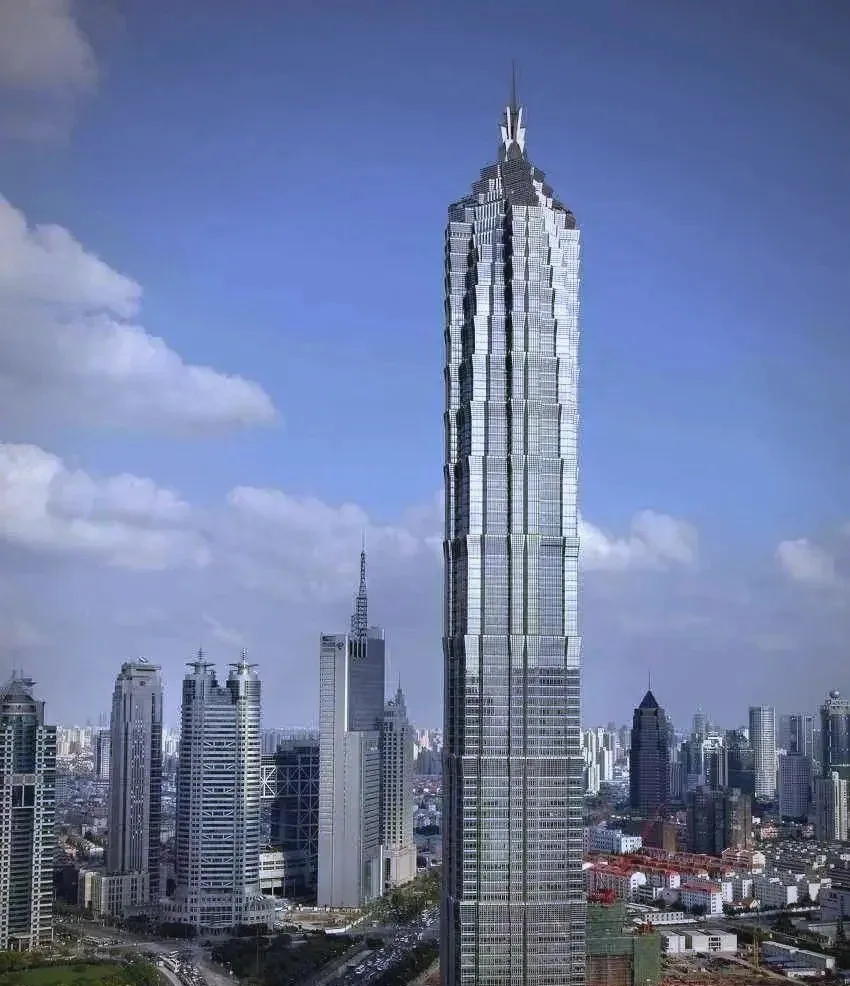
Jin Mao Tower: A 420.5-Metre Pagoda with Thirteen Tapering Stages
Jin Mao Tower stands in Lujiazui in Pudong. At 420.5 metres and eighty-eight storeys, it was the tallest building in mainland China when it finished in 1999 and remains one of the most recognisable high-rises in Shanghai. Adrian Smith of the American firm SOM led the design; the facade narrows in thirteen stages into a pagoda shape, a phrase about climbing step by step. The eighty-eighth floor observation deck sits at 340 metres over about 1,520 square metres, one of the earliest high-level viewing platforms in the city.
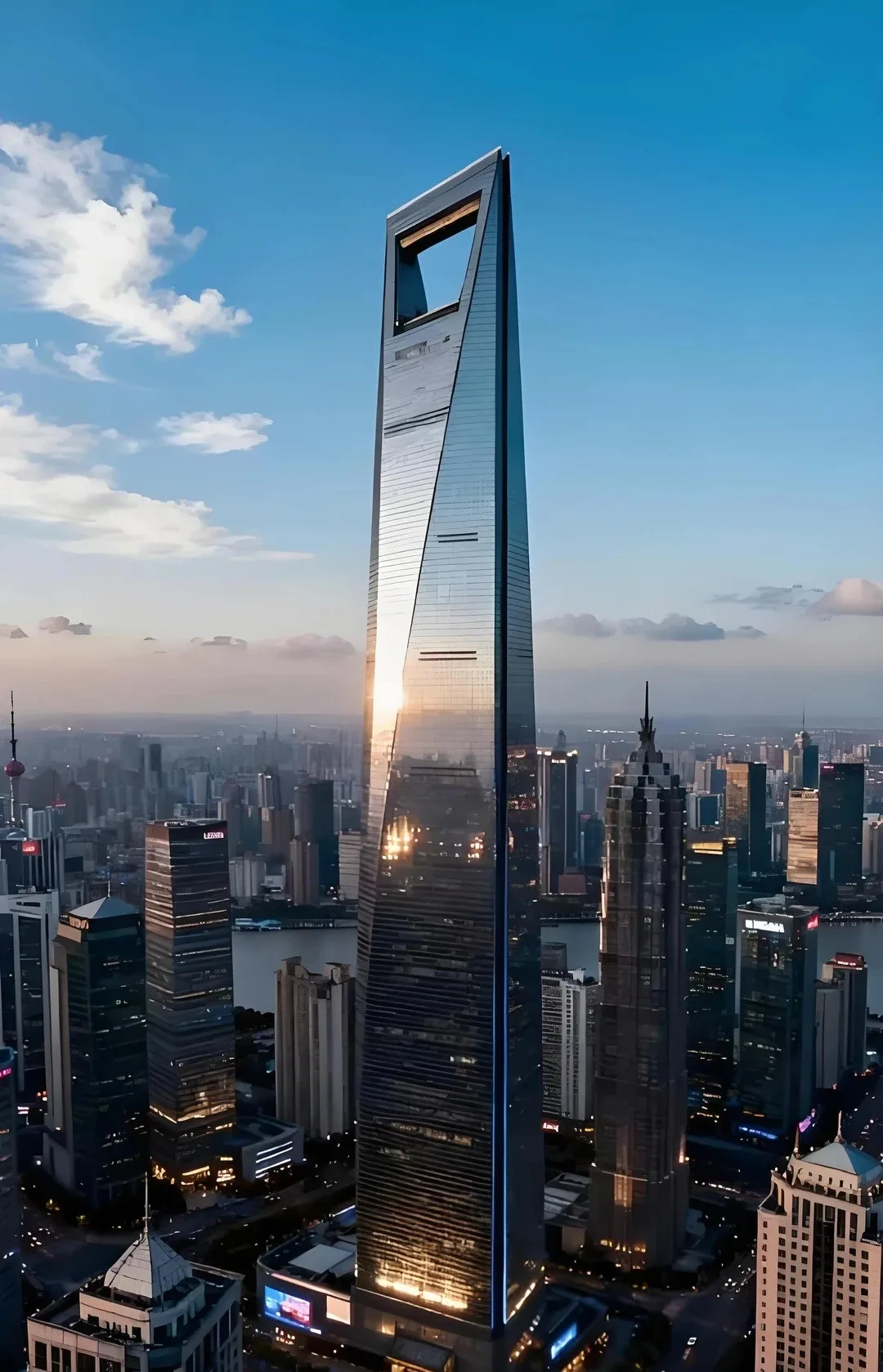
Shanghai World Financial Center: the 474-metre observatory
The first of Lujiazui's three towers to top out, 492 metres and 101 floors, opened in 2008. Its observatory on floor 100 sits at 474 metres above a fifty-five-metre stretch of transparent glass floor — the earliest place in Shanghai to leave you hanging in mid-air.
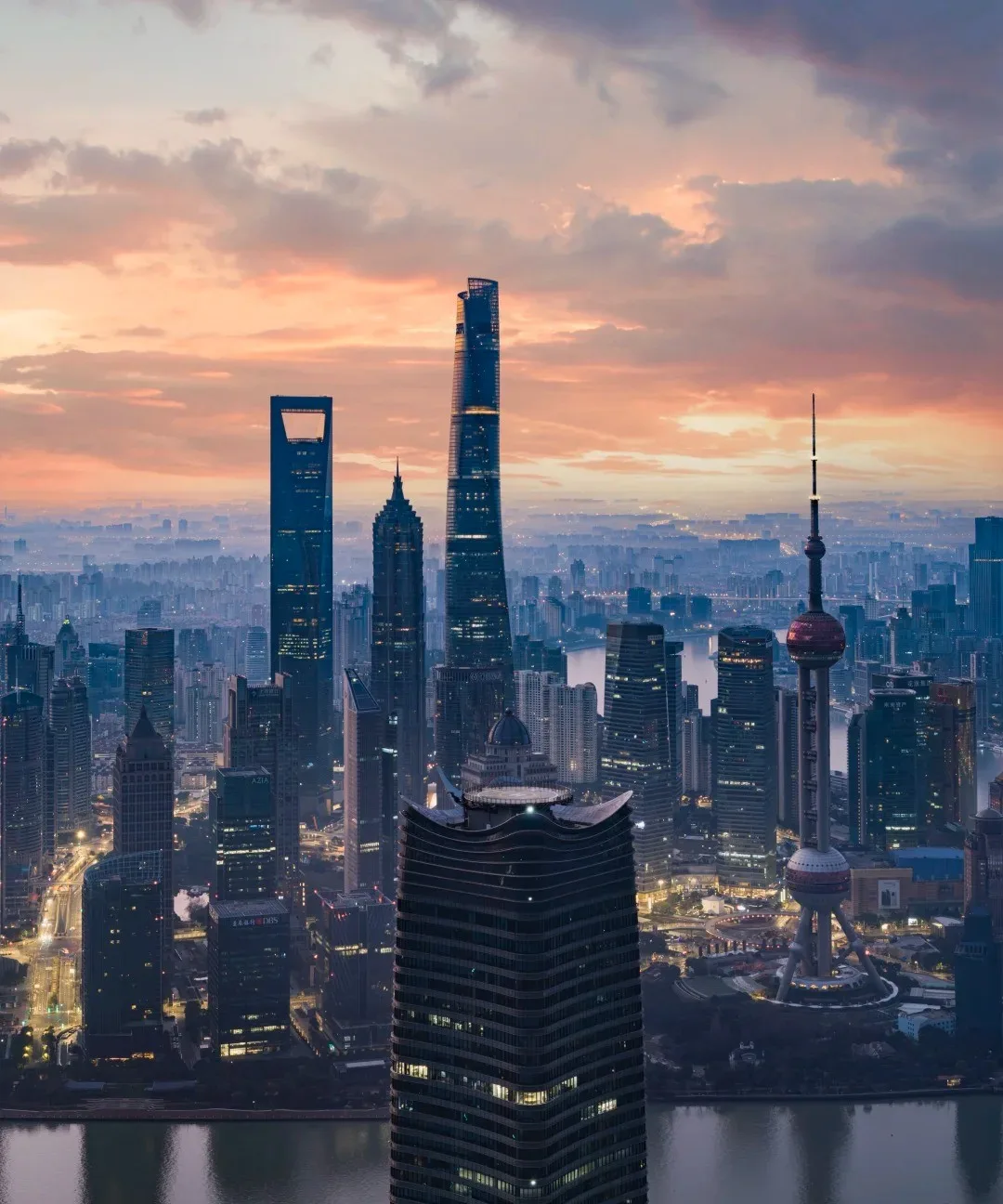
Oriental Pearl Tower: a 468-metre television tower
On the Huangpu in Lujiazui, 468 metres tall and open since May 1995, this was China's first television tower designed and built entirely by Chinese teams. Three observation levels — the space capsule, upper sphere and lower sphere — frame the classic view across the river.
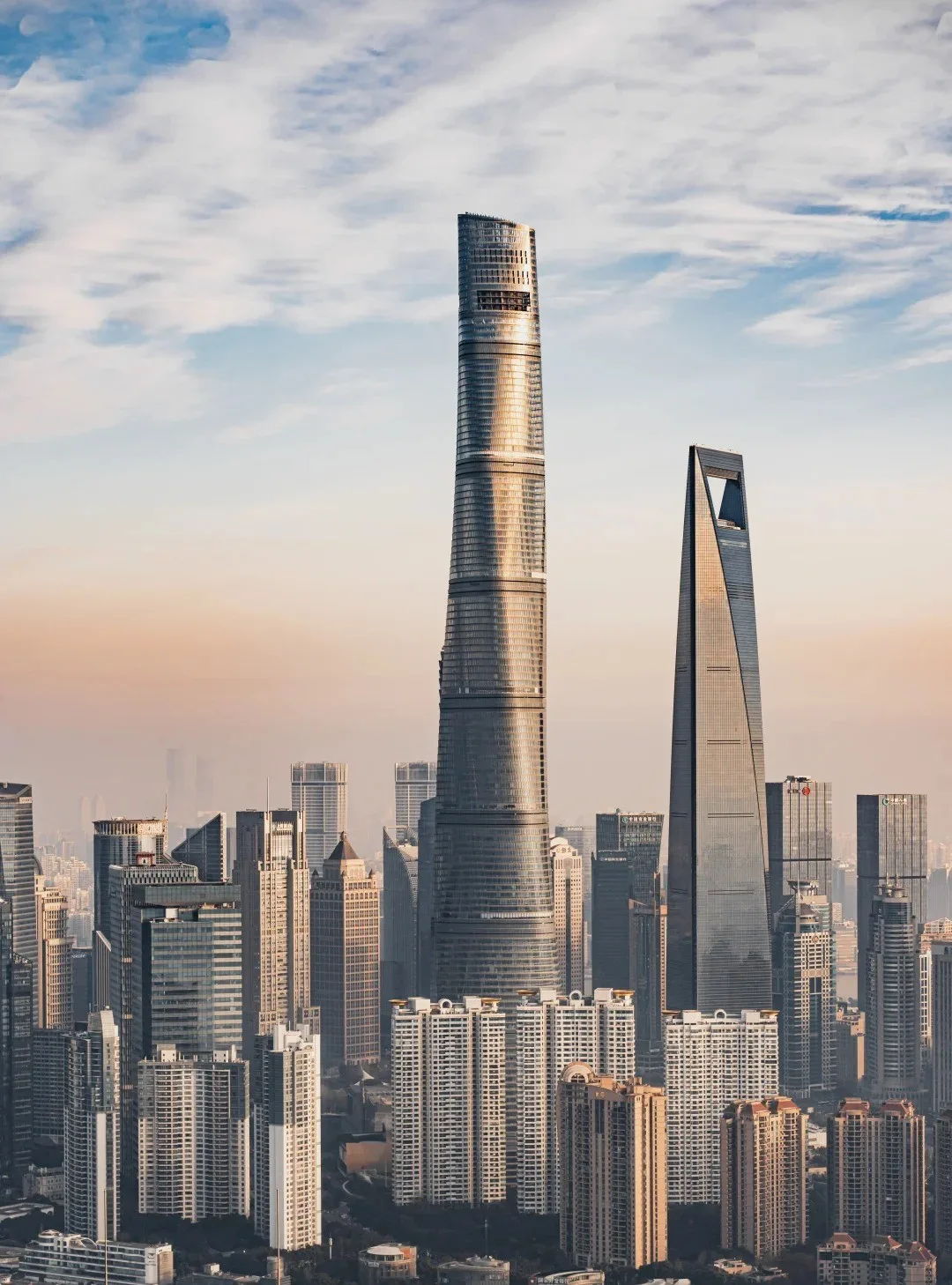
Shanghai Tower: a vertical city at 632 metres
In the heart of Lujiazui, 632 metres tall and 127 floors above ground, fully open since 2016 — China's tallest building and third in the world. The observatory sits at 546 metres on floor 118, a 1,000-tonne damper fills floor 126, and the city's highest bookshop is on 52.