 Travel Notes
 Dule Temple: The Liao-era Guanyin Pavilion Liang Sicheng Called a Priceless Treasure
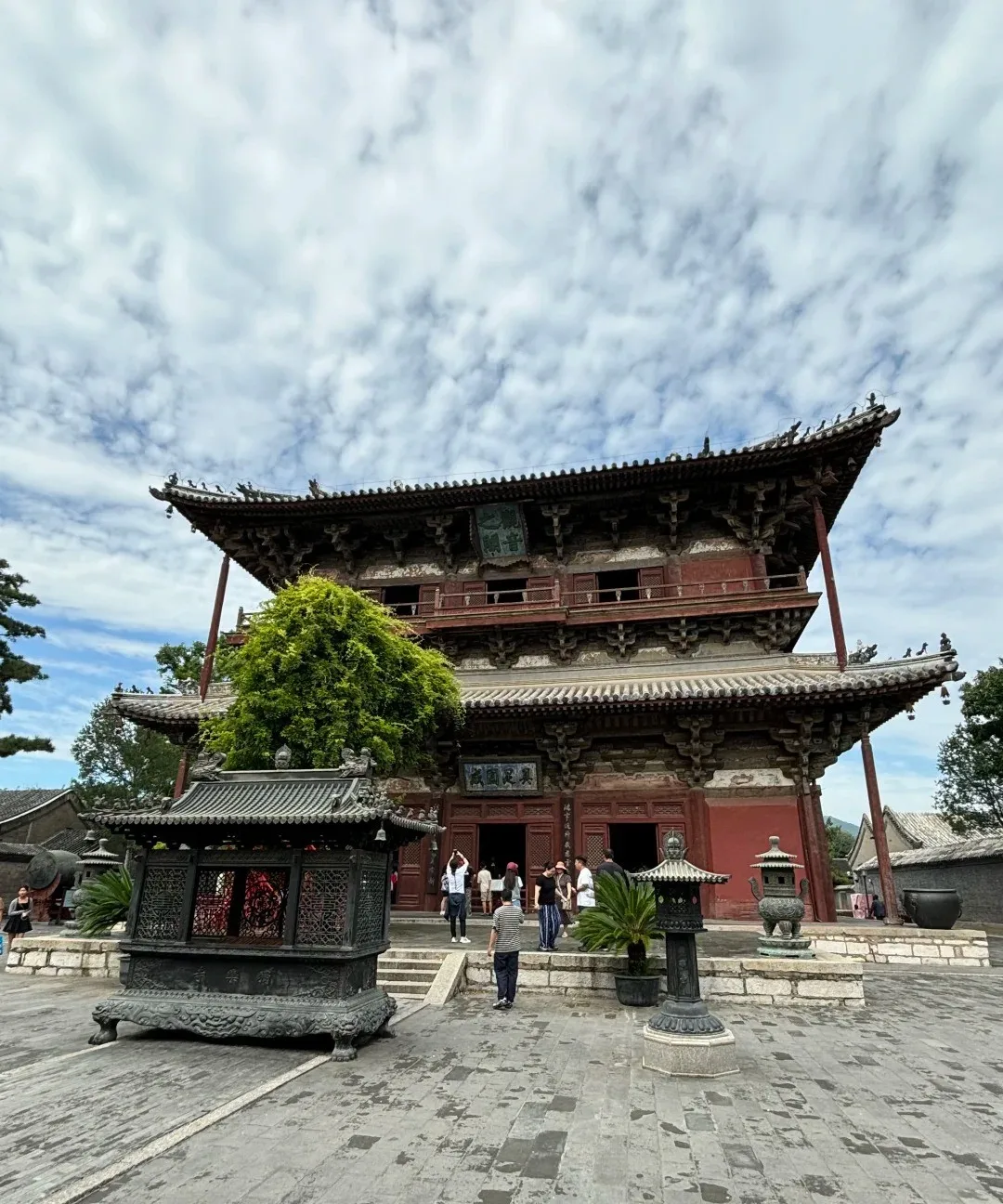
Dule Temple, also the Great Buddha Temple, stands on Wuding Street in Jizhou, Tianjin. It is among the oldest surviving wooden high-rise pavilions in China and, with Liaoning’s Fengguo Temple and Shanxi’s Huayan Temple, one of the three great monasteries of the Liao dynasty. Its brightest star is the Guanyin Pavilion and the sixteen-metre eleven-faced Guanyin clay statue inside. In the 1930s the architect Liang Sicheng surveyed it and wrote a report that startled the world of architecture, calling it a priceless treasure. In 1961 it was named among the first batch of major national heritage sites, and it is now on China’s tentative World Heritage list.
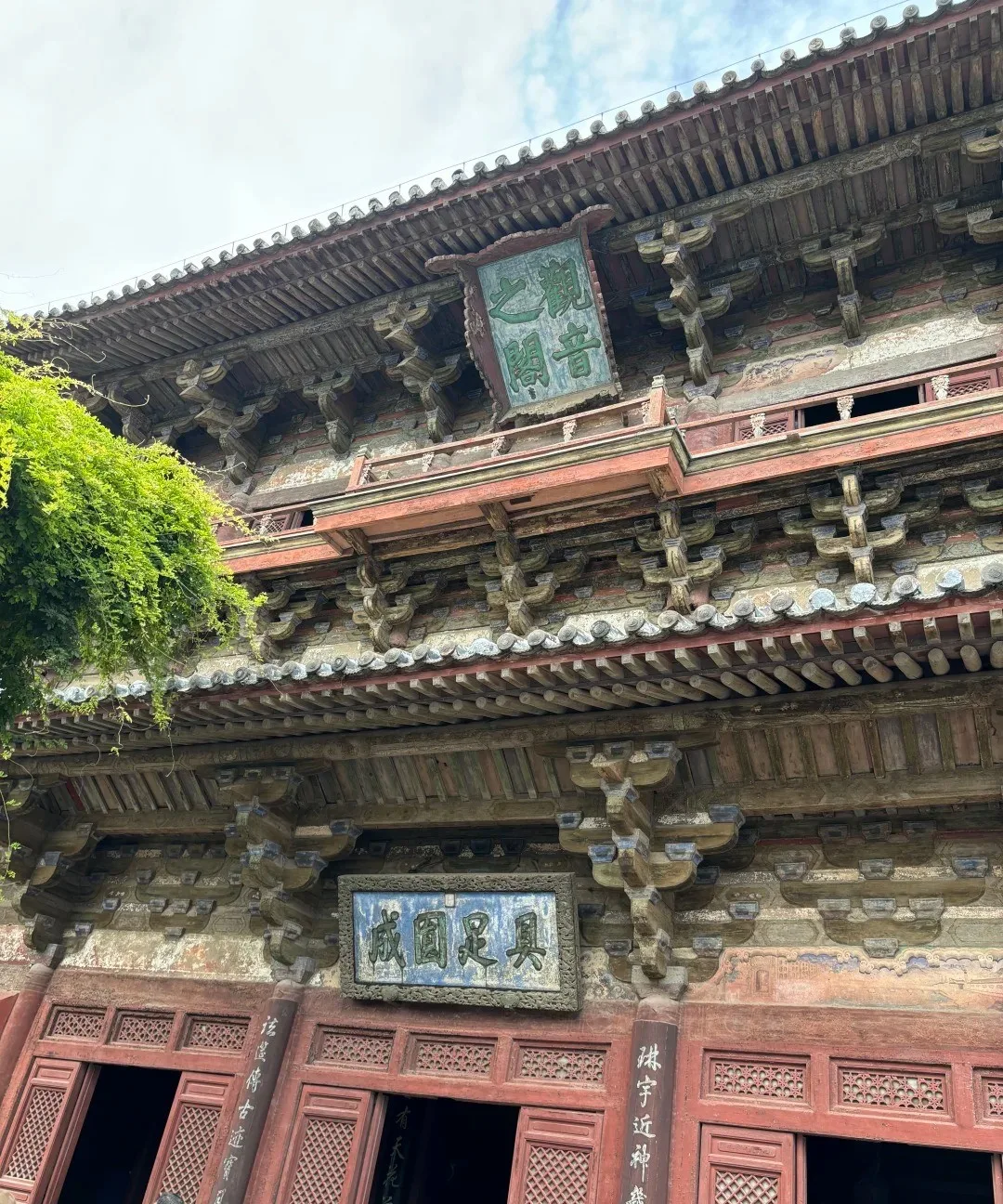
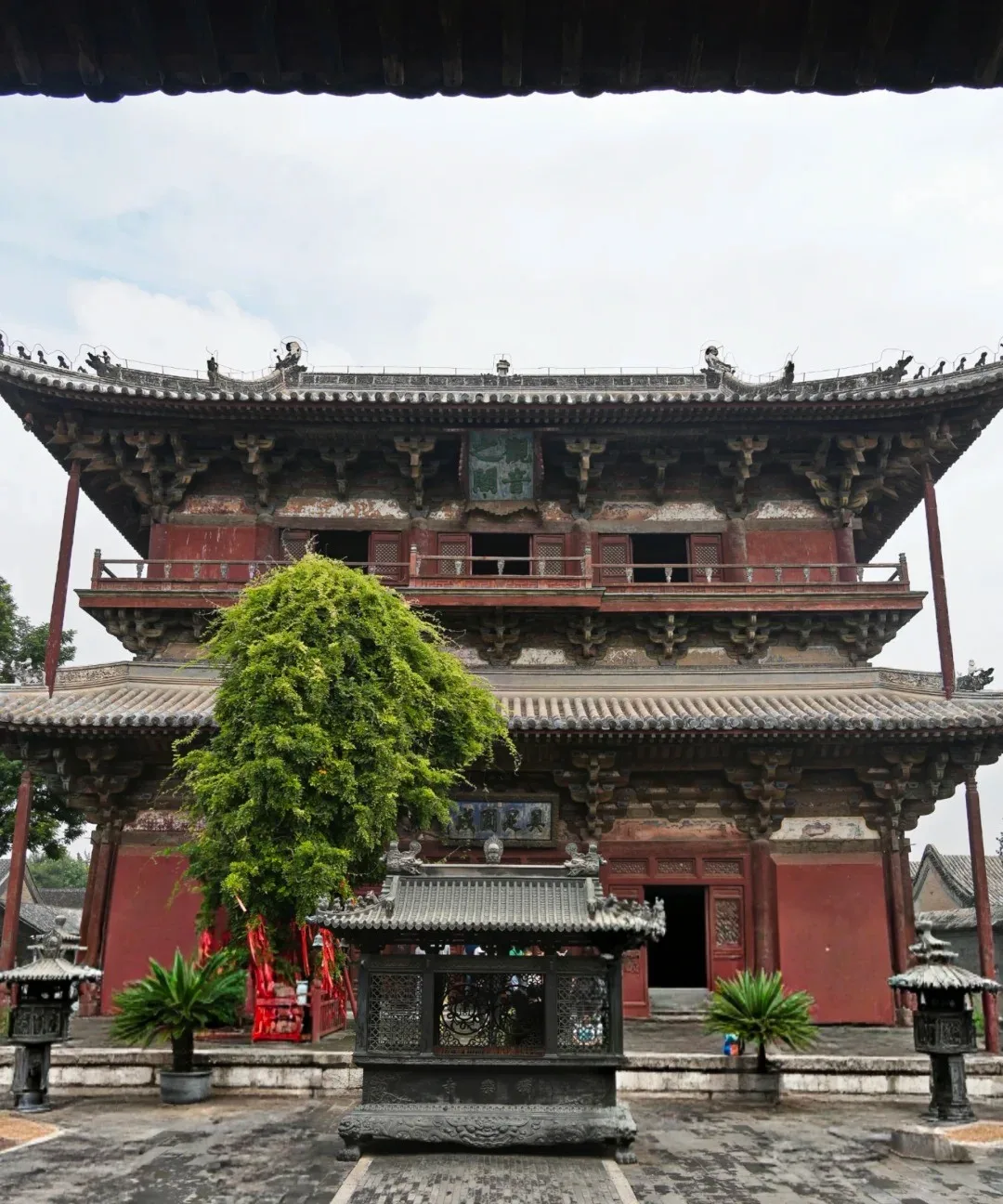
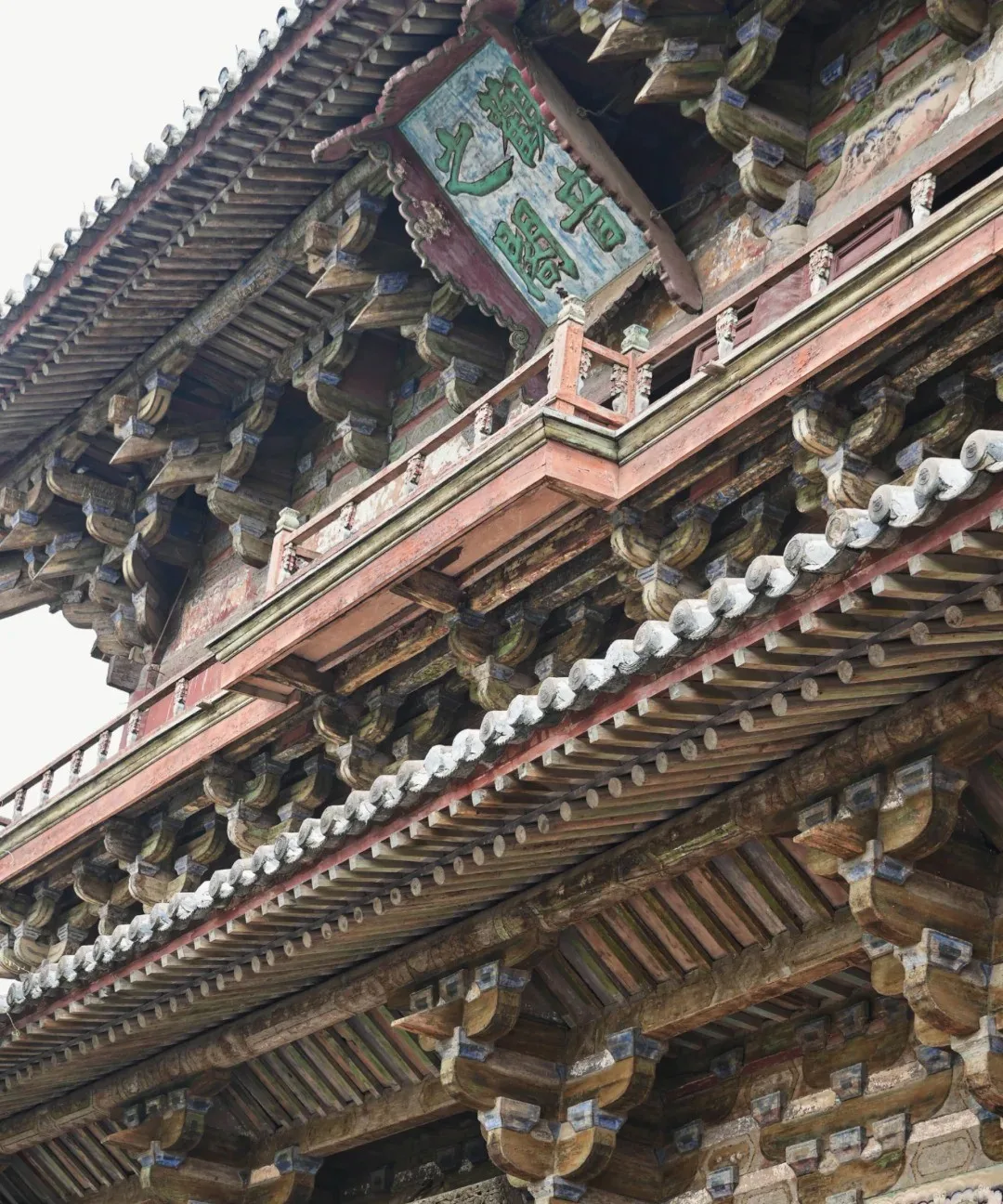
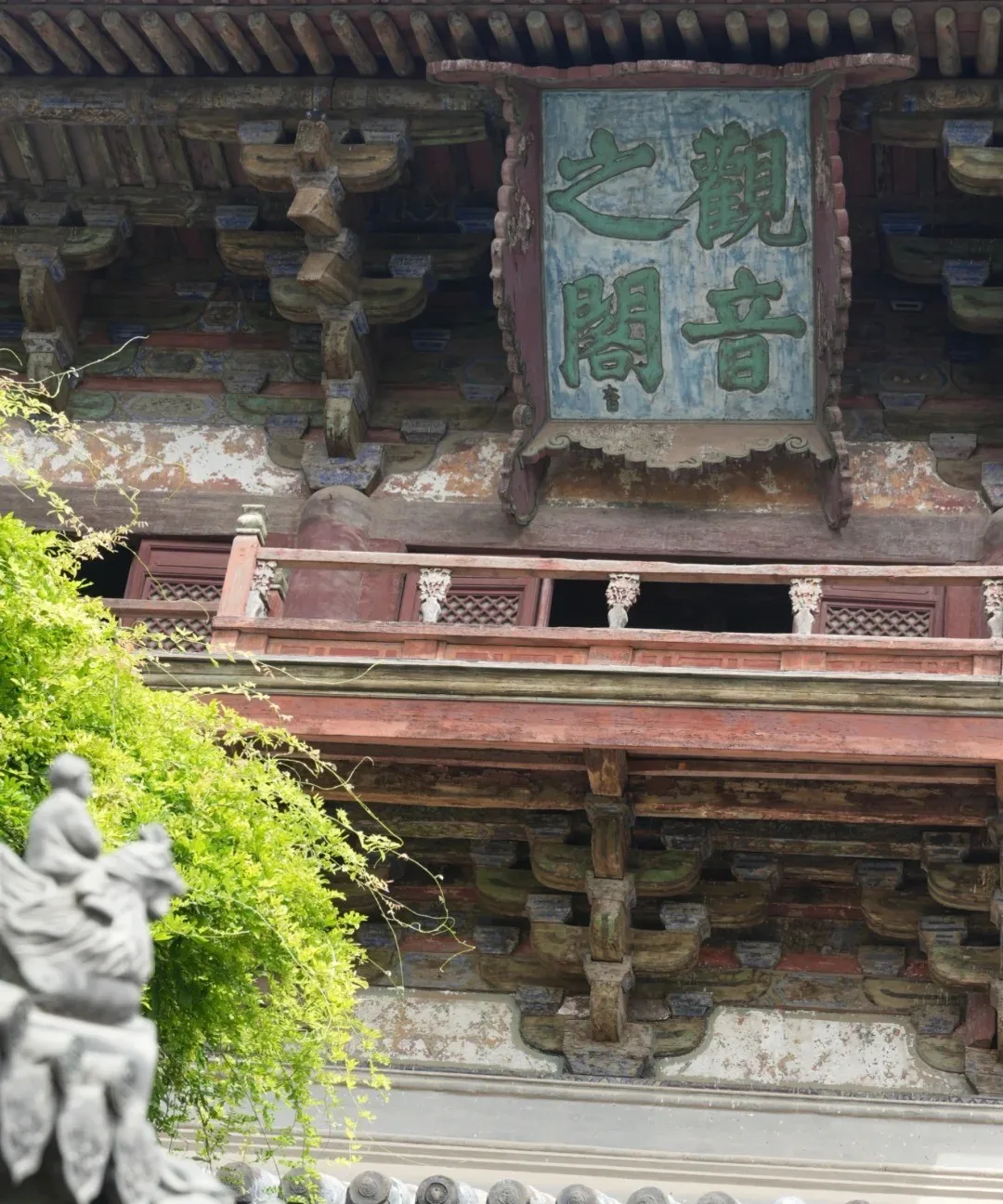
The Guanyin Pavilion, a wooden frame that stood a millennium
The Guanyin Pavilion is the heart of Dule and among the oldest wooden pavilions surviving in China. It looks two storeys outside but is really three — a hidden tier sits in the middle. Five bays wide and four deep, 23 metres to the ridge, its nine-ridged hip-and-gable roof throws a deep eave with the typical Tang mass. Twenty-four columns stand in two rings forming a “gold-box, bucket-base” plan, and the hidden tier carries diagonal braces like a modern “frame-shear wall” — so in the Tangshan quake, at intensity VIII in Jixian, only some plaster fell while the body stood firm. With twenty-four kinds of bracket sets, it is called a “museum of dougong”.
The eleven-faced Guanyin, largest clay image extant
Inside stands the eleven-faced Guanyin, over sixteen metres with its pedestal, among the largest ancient clay Guanyin images in China. Ten small heads crown the main face — eleven in all — symbolising salvation in every form; the attendant bodhisattvas beside it are also original Liao clay, about three metres, gracefully posed. Look up from below and the gilded body rises out of the gloom; a grandeur no photograph can carry.
The gate and its guardian generals
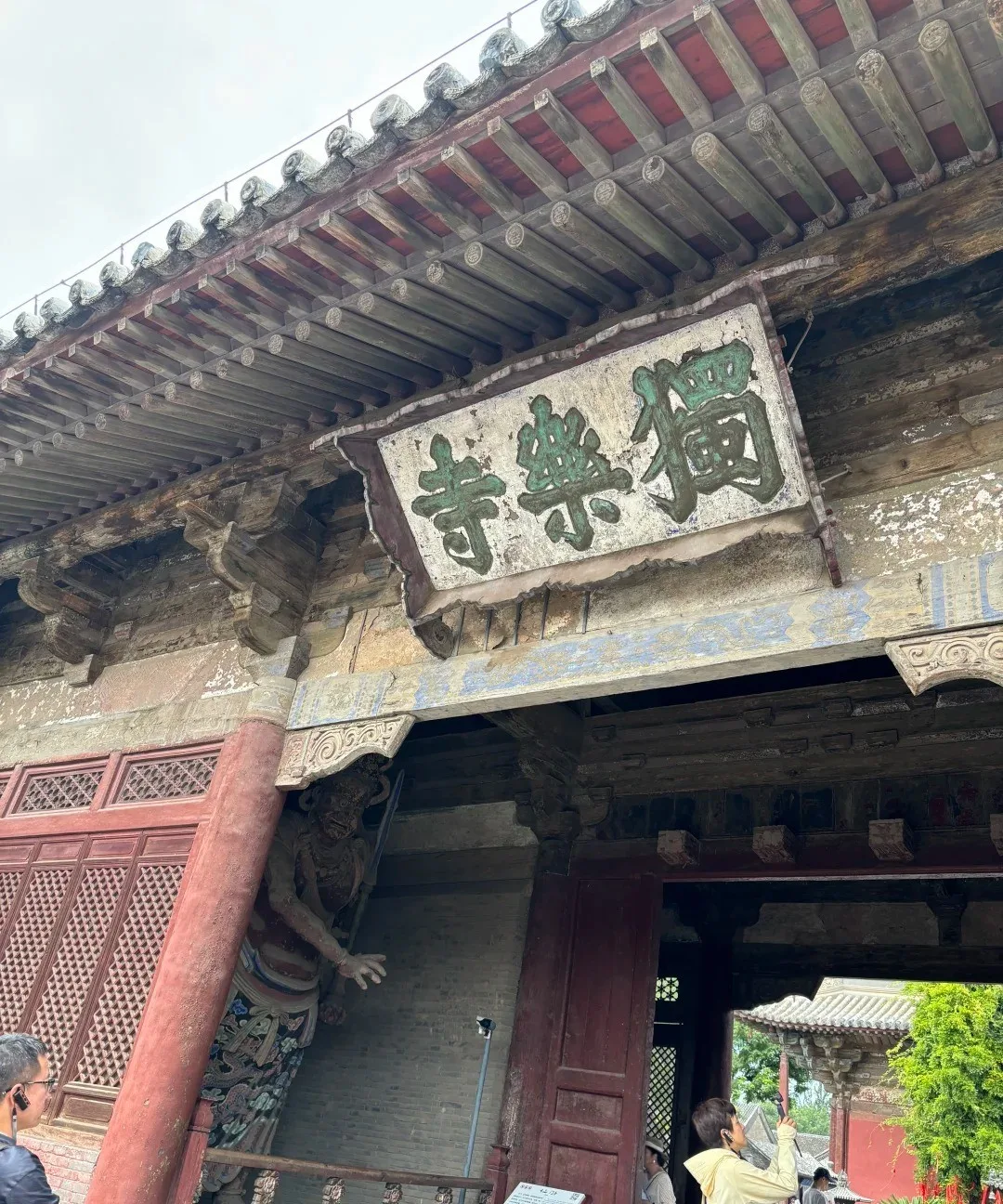
The temple gate is three bays wide, about ten metres tall, roofed in a single-eave hip roof — the highest grade in Chinese architecture, normally reserved for palaces or royal monasteries. Within stand two Ming guardian generals, fierce in polychrome; the board “Dule Temple” is said to be the calligraphy of the Ming’s Yan Song. Gate and pavilion, one low one high, face each other along the axis exactly as a thousand years ago.
The Qianlong retreat and its steles
East of the temple is the Qianlong retreat, built in 1753 as a lodging on the emperor’s way to the Eastern Tombs; a courtyard with twenty-eight steles of Qianlong’s own verse, real evidence for Qing royal culture and calligraphy. West, the Wei-tuo pavilion holds a Ming bronze; the Baoyuan courtyard is a history exhibit of restoration records. Two cypresses in the grounds are over a thousand years old, framing the old monastery.
Practical information
- Hours: high season (Apr–Oct) 8:00–18:00 (sales stop 17:30); low season (Nov–Mar) 8:00–17:00 (stop 16:30).
- Tickets: 40 yuan full, covering pavilion, gate and retreat; half for students and 60–70 seniors, free for over-70s and others.
- Getting there: train from Beijing or Tianjin to Jizhou North, then bus or taxi ~10 min; by car via Jingping or Jinji expressway to Jizhou.
- Visit: allow 1.5–2 hours, focus on pavilion, gate, retreat; no photos inside, many steps, wear comfortable shoes.
- Nearby: Panshan (first mountain east of capital) and Huangyaguan Great Wall make a Jizhou 1–2 day trip.
Related reading
Huangyaguan Great Wall: The Bagua Fortress Rebuilt by Qi Jiguang
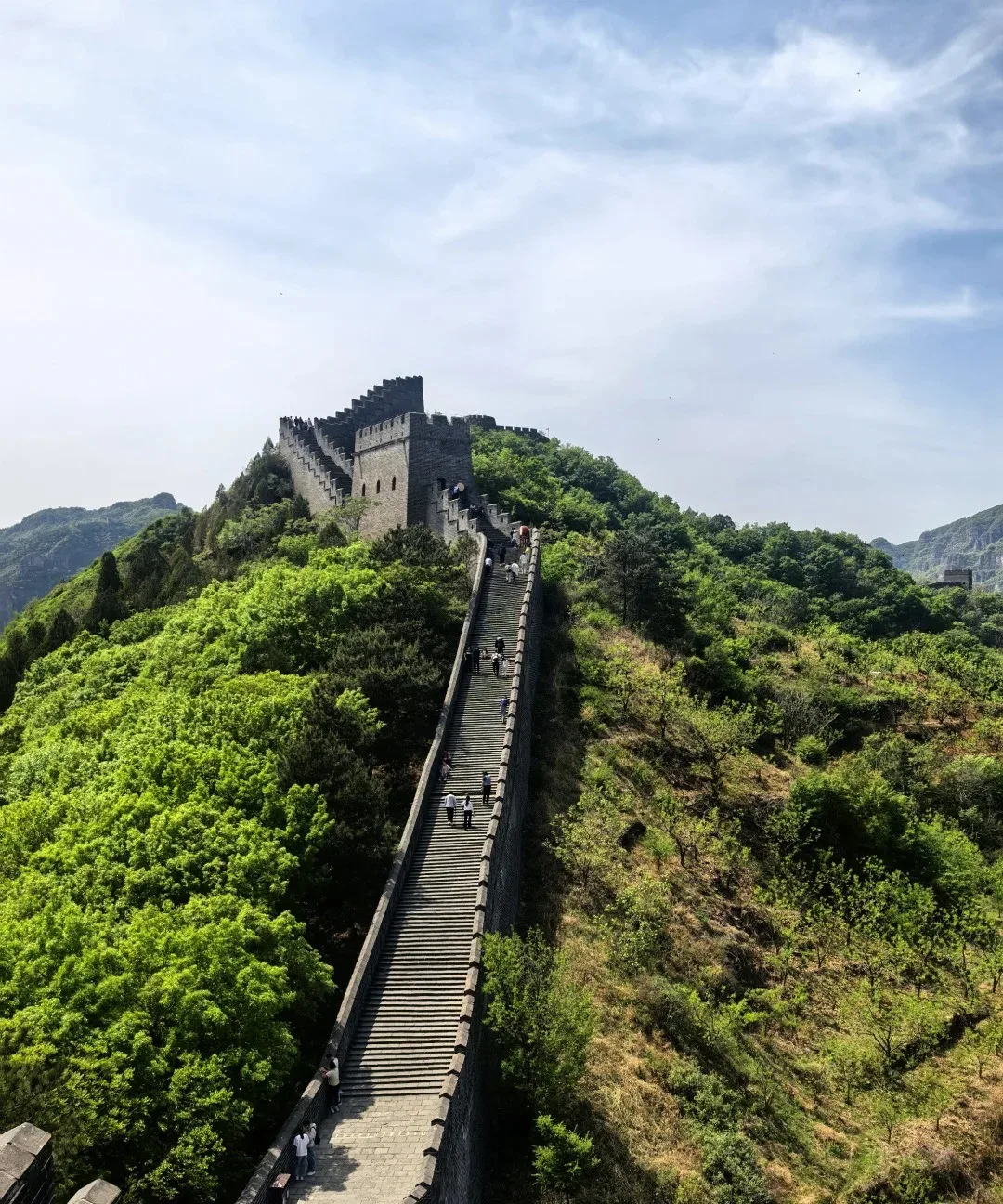
At the northern tip of Jizhou, Tianjin, Huangyaguan was first built in the Northern Qi and rebuilt by the Ming general Qi Jiguang. Its water gates, watchtowers and octagonal Bagua fortress make a complete defensive system; from the pass the hills roll like waves and the wall winds like a dragon.
Panshan: The First Mountain East of the Capital
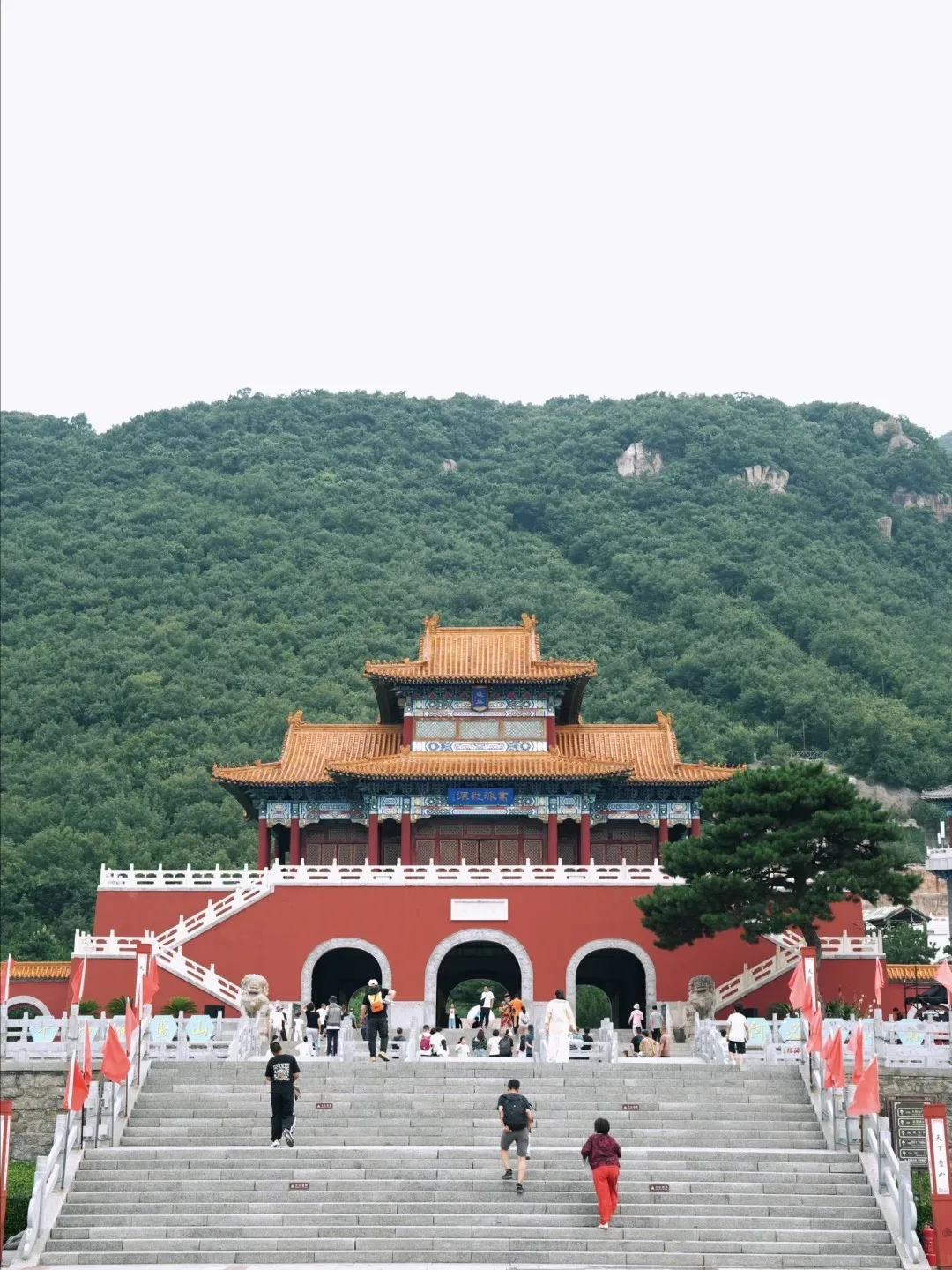
Panshan lies in Jizhou, Tianjin, about 80 km from Beijing; its highest peak, Guayue, rises 864 metres and the mountain is famed for four wonders — strange pines, odd rocks, clear springs and old temples. The Qianlong emperor climbed it thirty-two times and sighed that had he known Panshan he need not have gone south of the river; his retreat villa Jingji Shan zhuang still stands in ruins among the slopes.
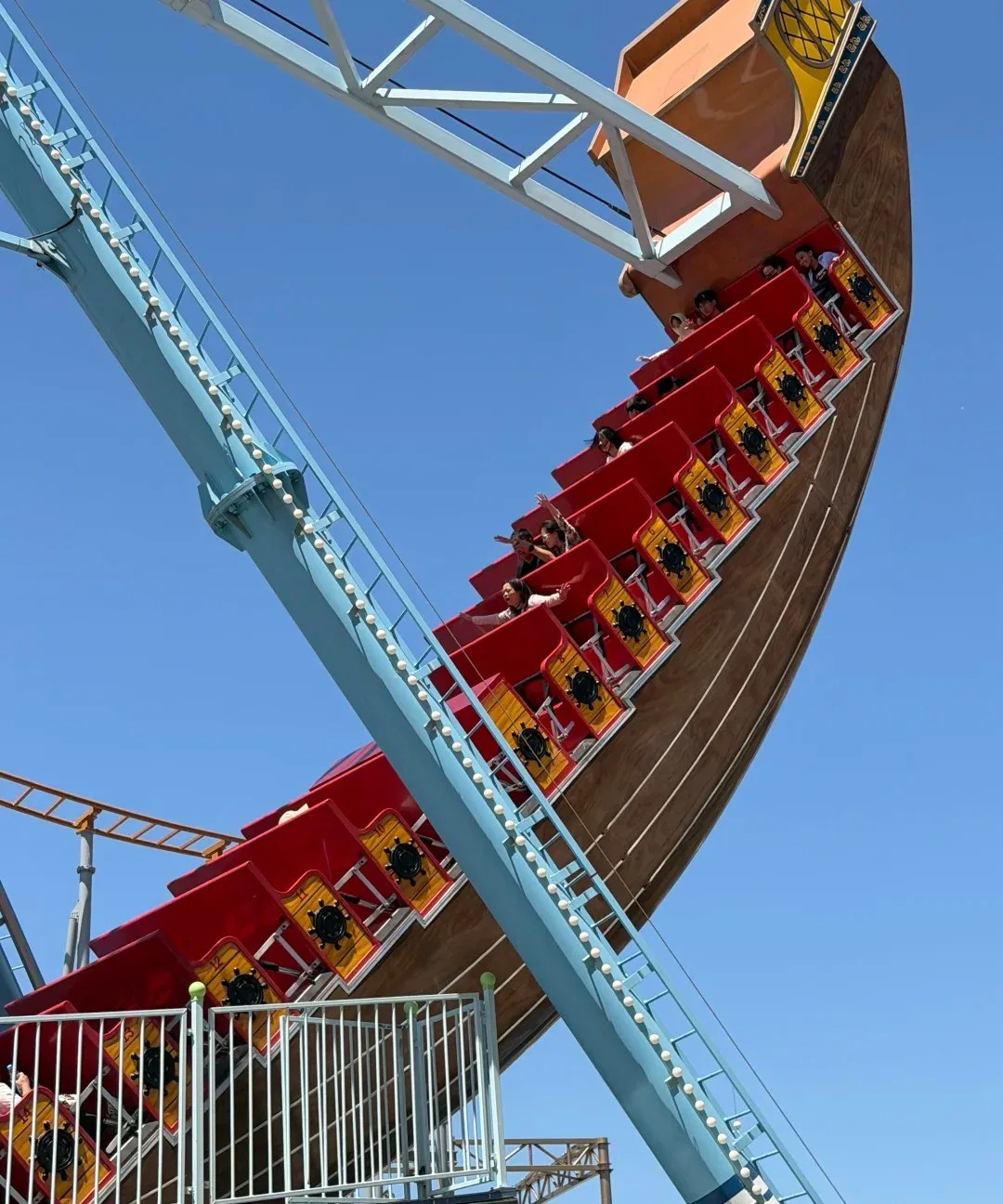
Tianjin Happy Valley: A Twin Park of Thrills by Dongli Lake
Tianjin Happy Valley sits in the Dongli Lake resort and is OCT's large North-China theme park, open since 2013. Six land zones plus a separate water park draw over three million visitors a year — good for families and young crowds alike.
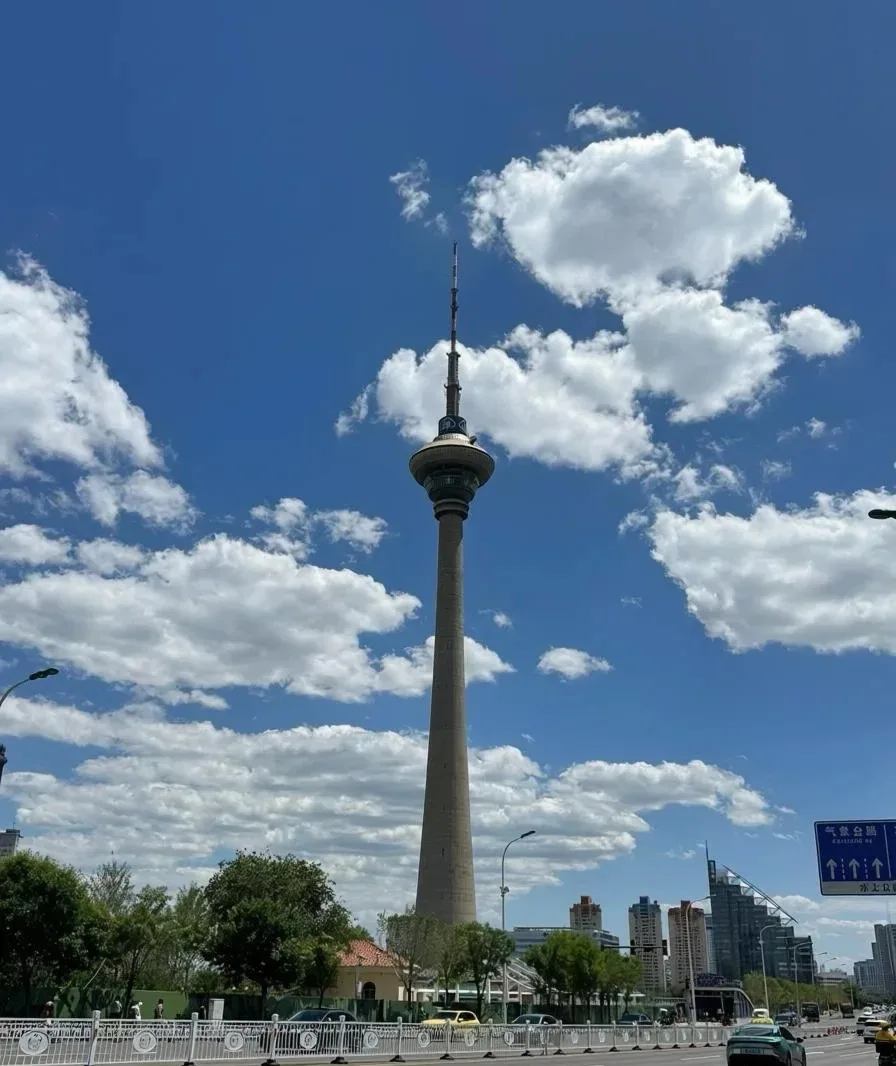
Tianjin TV Tower: The 415m Eye of the City above Tian Ta Lake
The Tianjin TV Tower (Tianjin Radio & TV Tower) stands 415.2 metres tall; when completed in 1991 it led Asia, and still ranks among the continent's tallest. Its pod at 248–278 m holds an observation hall, a revolving restaurant and an open deck, ringed by Tian Ta Lake — a fine perch over the city.
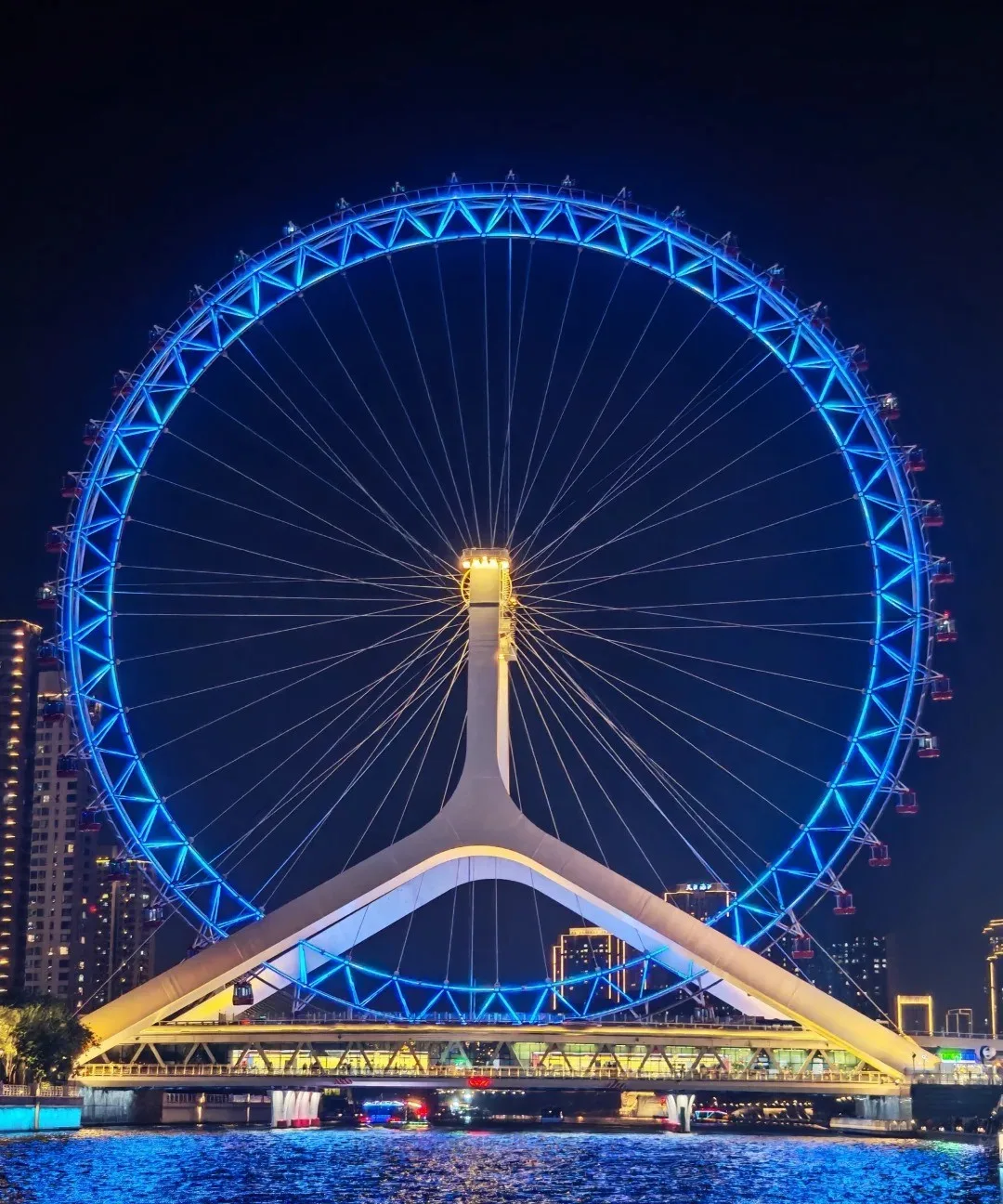
Tianjin Eye: The Ferris Wheel Built on a Bridge
The Tianjin Eye, formally the Yongle Bridge Ferris Wheel, stands at the Three Confluences of the Hai River and is the only ferris wheel in the world built on a bridge. Its 110-metre wheel carries 48 transparent cabins; one turn takes about 28 minutes and the top offers a 360-degree view of the city and river.