 Travel Notes
 Duku Highway: A Scenic Corridor Through the Tianshan
A road that stitches north and south
Starting at Dushanzi in Karamay and running south through the Tianshan to Kuqa in Aksu, these 500-odd km link the grasslands of the north with the desert of the south in a single drive. It is no mere corridor but a stack of a dozen landforms: you begin in canyon country and, over a pass, run straight into snow and meadow.
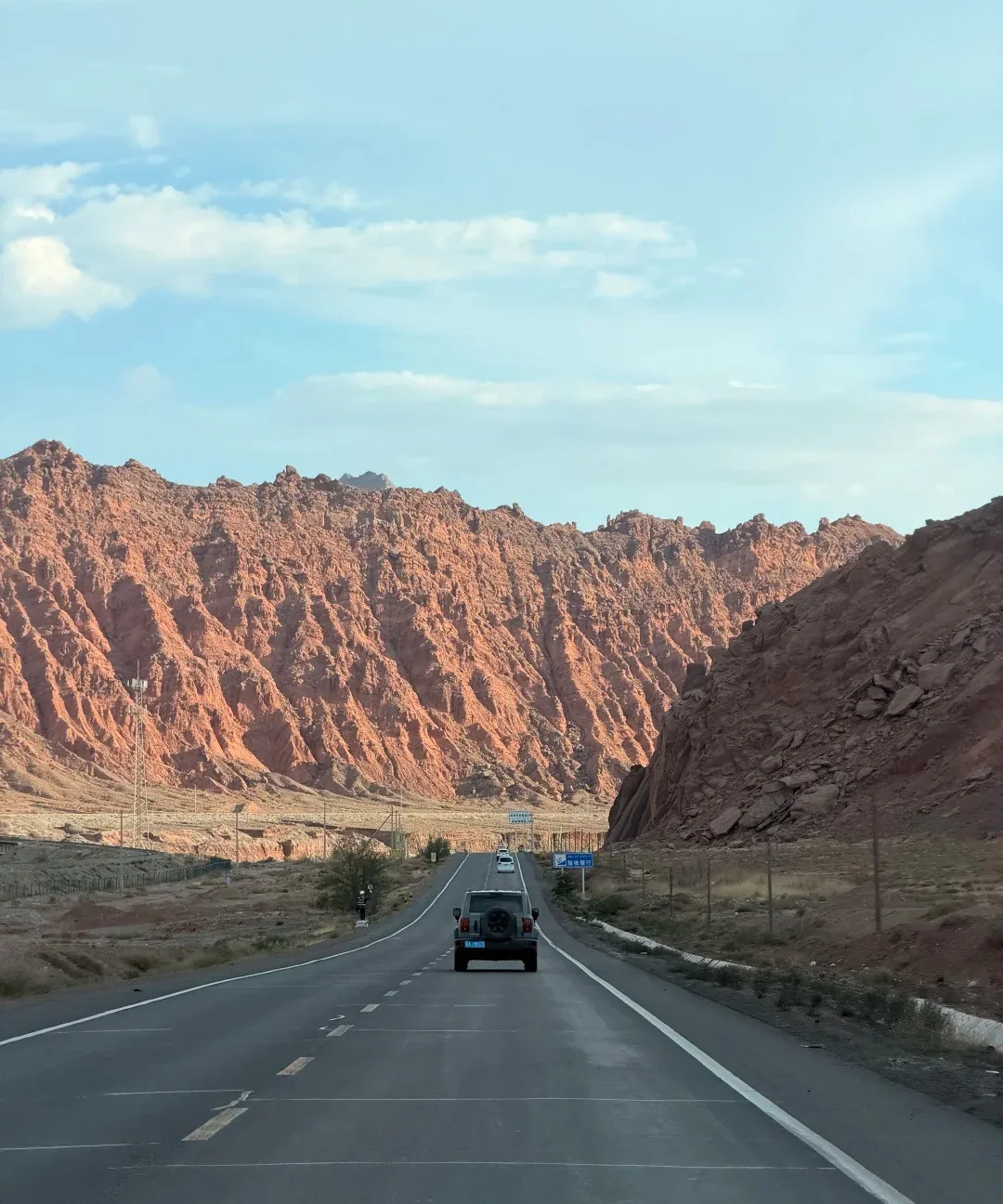
Nine years, one hundred sixty-eight names
Work began in 1974, built by PLA engineers and opened in 1983 — nine years all told. The construction corps blasted through cold, thin air and lost 168 men; on average a soldier lies buried for every three kilometres. The martyr monument at Qiaolma still stands, and many travellers pull over to lay flowers.
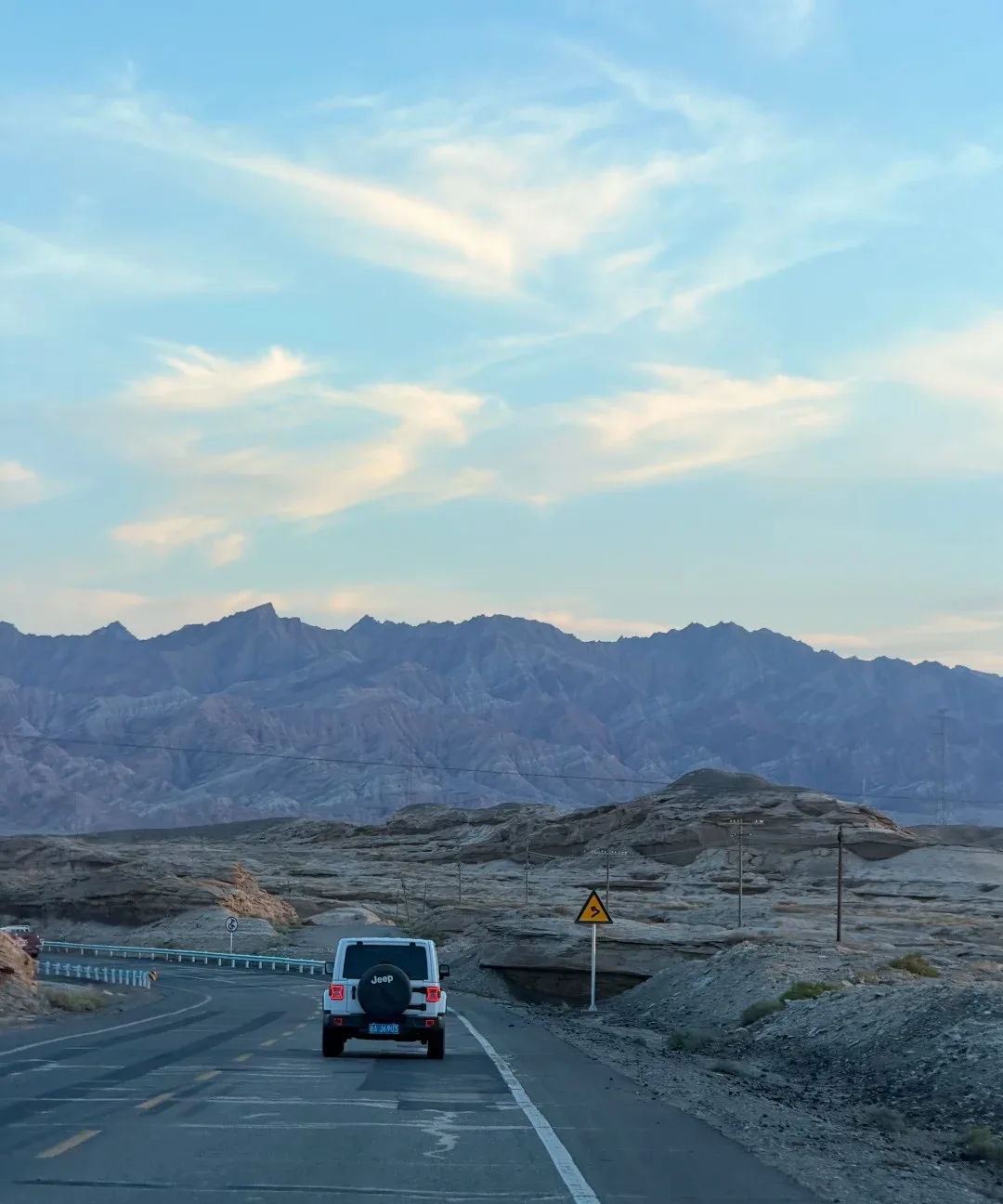
All four seasons in a day
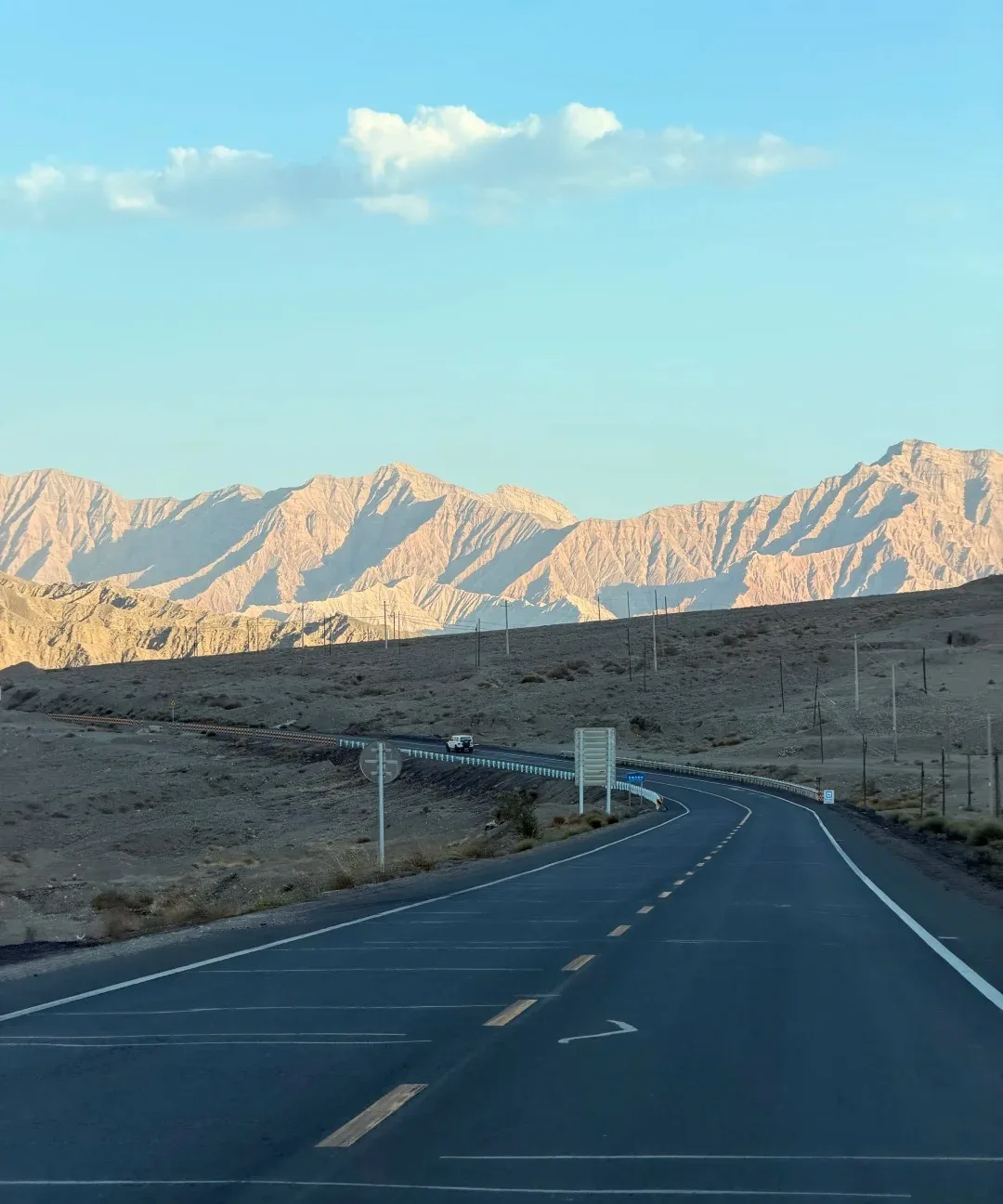
What fascinates on the Duku is compression. Morning at Dushanzi is dry Gobi heat; cross the Heshilegen pass at 3,400 m and roadside snow hasn’t melted; push south to Qiaolma and Nalati and the meadows glow green; further on it’s the red-brown Kuqa canyon. A T-shirt plus a warm jacket both earn their place in one day.
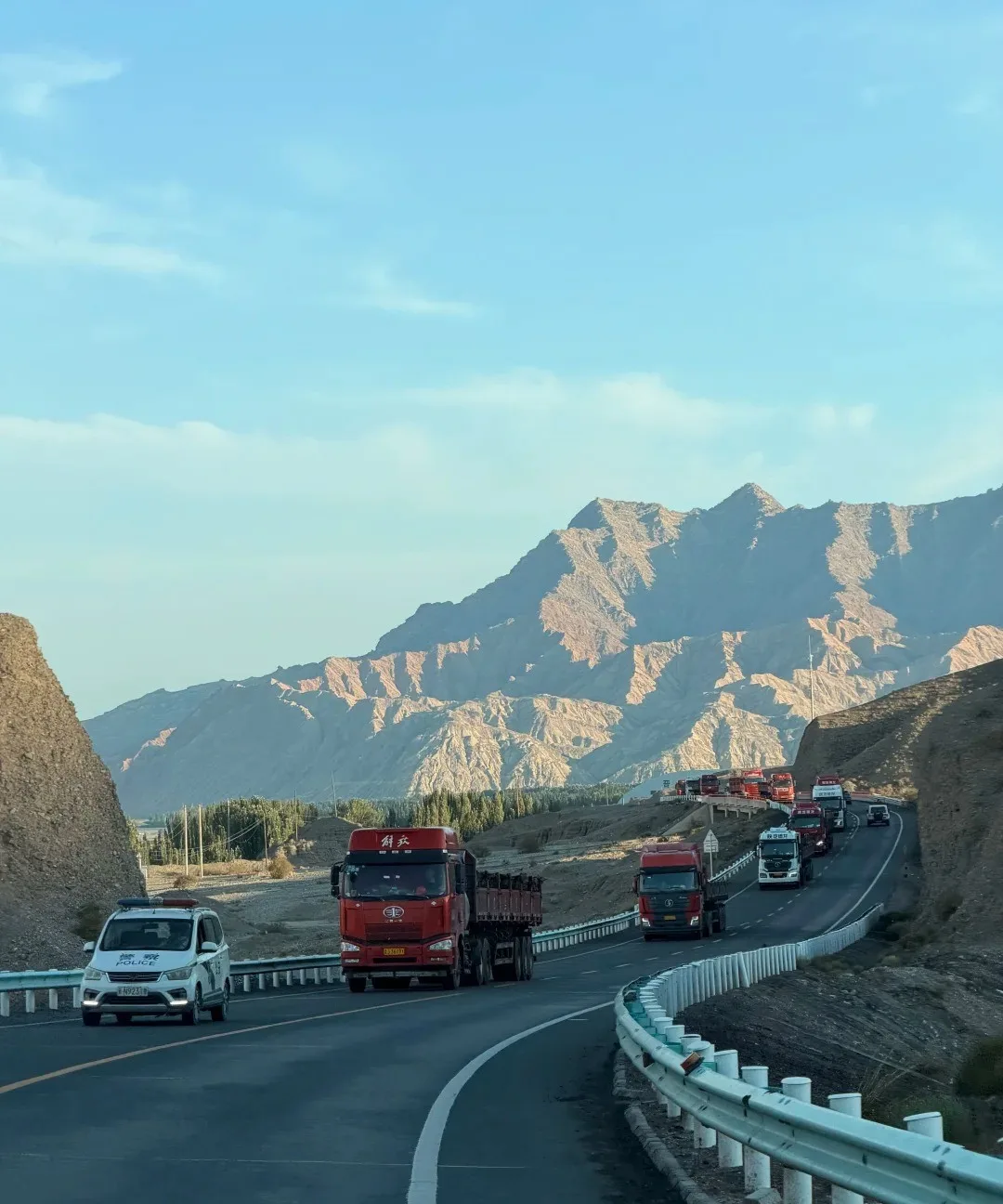
Open only three months a year
Because it clears several passes around 4,000 m, the Duku answers to weather. Normally open early June to late September, it can close early or late with heavy snow, so always check the day’s notice before leaving. Many drivers time their trip to the first days after opening, for the snow line at its most dramatic.
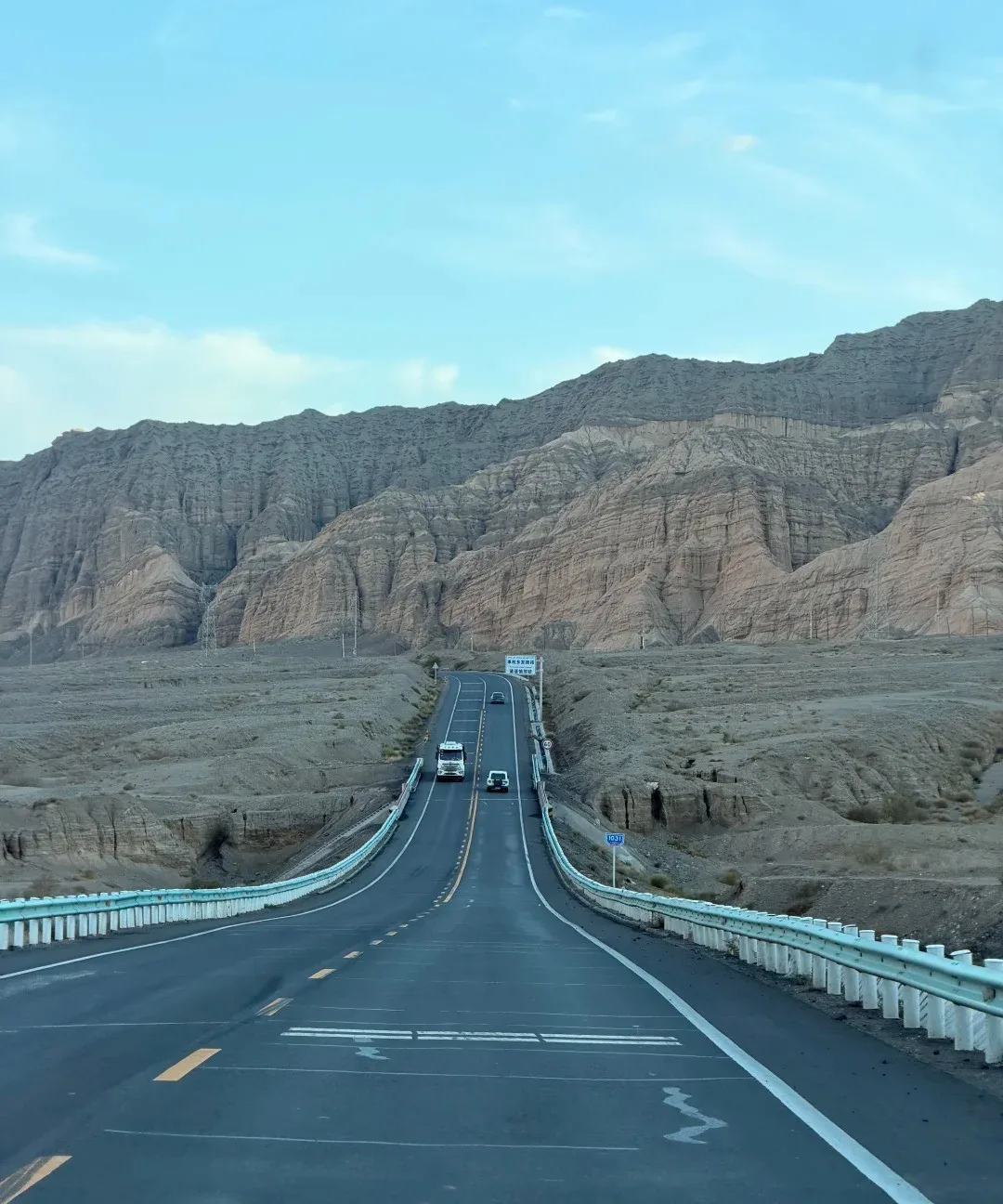
The smoothest way through
Easiest is from Urumqi along the Lianhuo expressway to Dushanzi, then onto the Duku south to Kuqa — two days makes it relaxed, or run it in reverse. There is no through bus from Dushanzi to Kuqa; you piece together rides or charter, roughly 1,000–1,500 yuan a day. Beginners shouldn’t solo the long tunnels and endless curves.
Stops worth the time
Don’t plan to barrel through. Qiaolma honours the builders; Nalati and Bayanbulak are twin gems of meadow, the latter famous for the sunset over the winding Kaidu River. South, the small and large Longchi are two alpine lakes, then the red rock of the Kuqa canyon. Every stop can eat half a day.
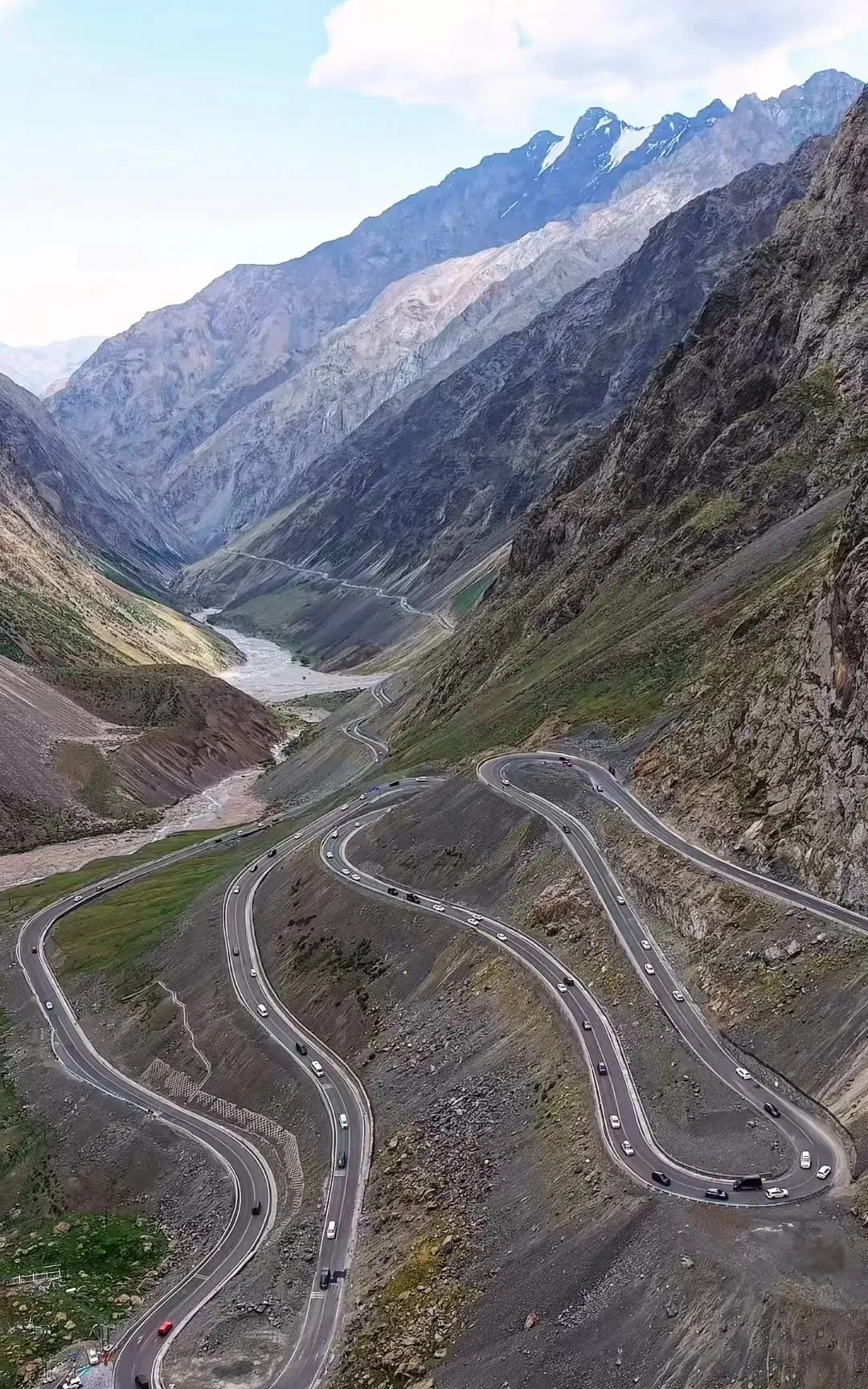
The Duku is not merely A to B. It packs Xinjiang’s most intense faces — desolate, grand, tender — into one road, shocking you again and again in a single day. After these 500 km many say every other highway feels like a compromise.
Practical information
- Opening: early Jun to late Sep each year (weather-dependent — confirm first)
- Tickets: road free; along-route scenic areas charged separately
- Getting there: ~3 h self-drive from Urumqi to Dushanzi, or charter 1,000–1,500 yuan/day
- Tips: complex terrain, changeable weather, summer only; beginners avoid solo tunnels and curves
Related reading
Tian Shan Tianchi: A Highland Lake Beneath Bogda Peak
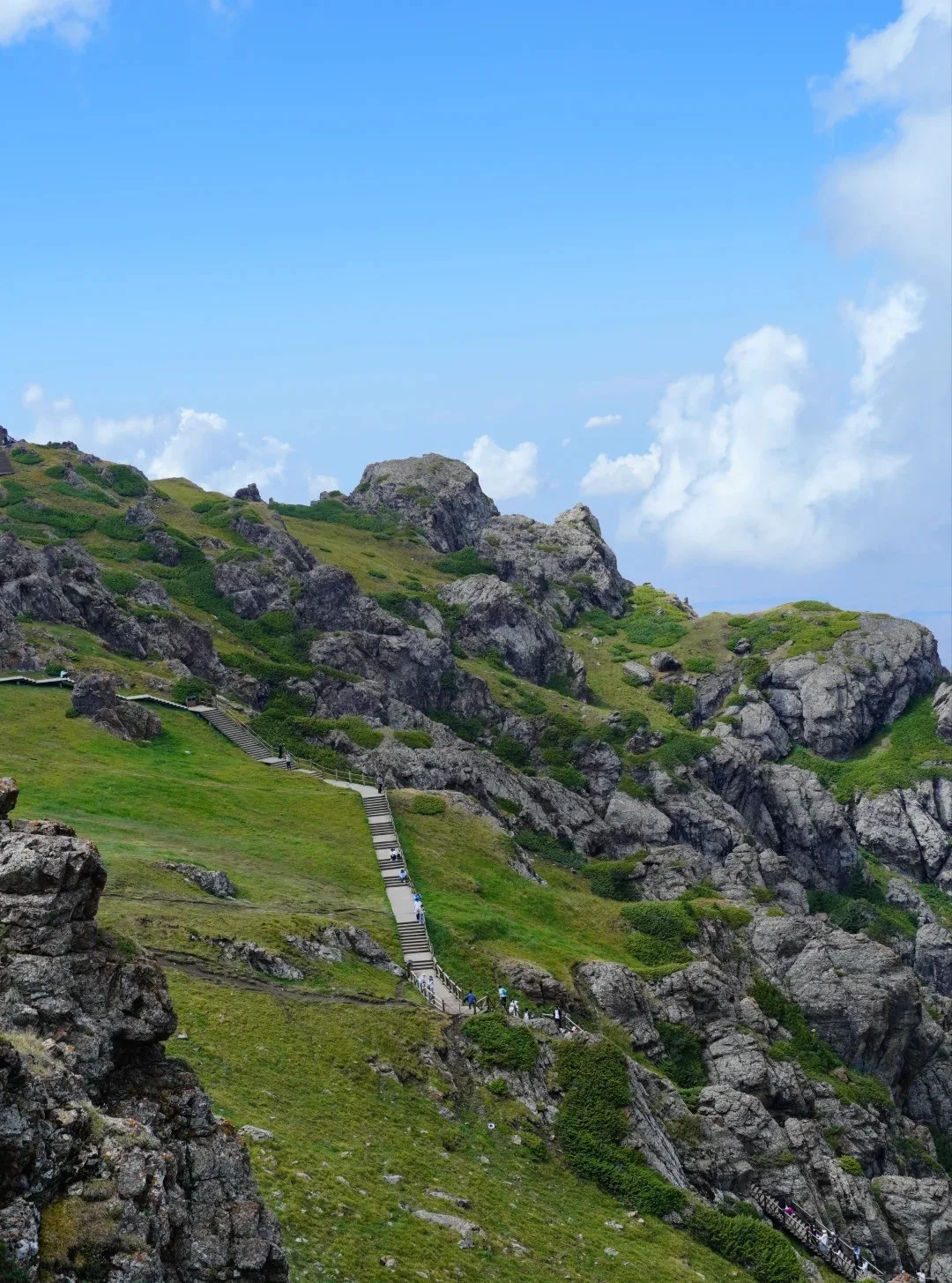
Nestled north of Bogda Peak, Tianchi is a glacial lake fed by snowmelt at 1,910 m. The legendary "Yaochi" of Chinese myth, it is now a 5A scenic area where snow peaks, spruce and water share one frame. Peak and off-season pricing differ sharply.
Nalati Grassland: The "Sky Prairie" Hung on the Tianshan
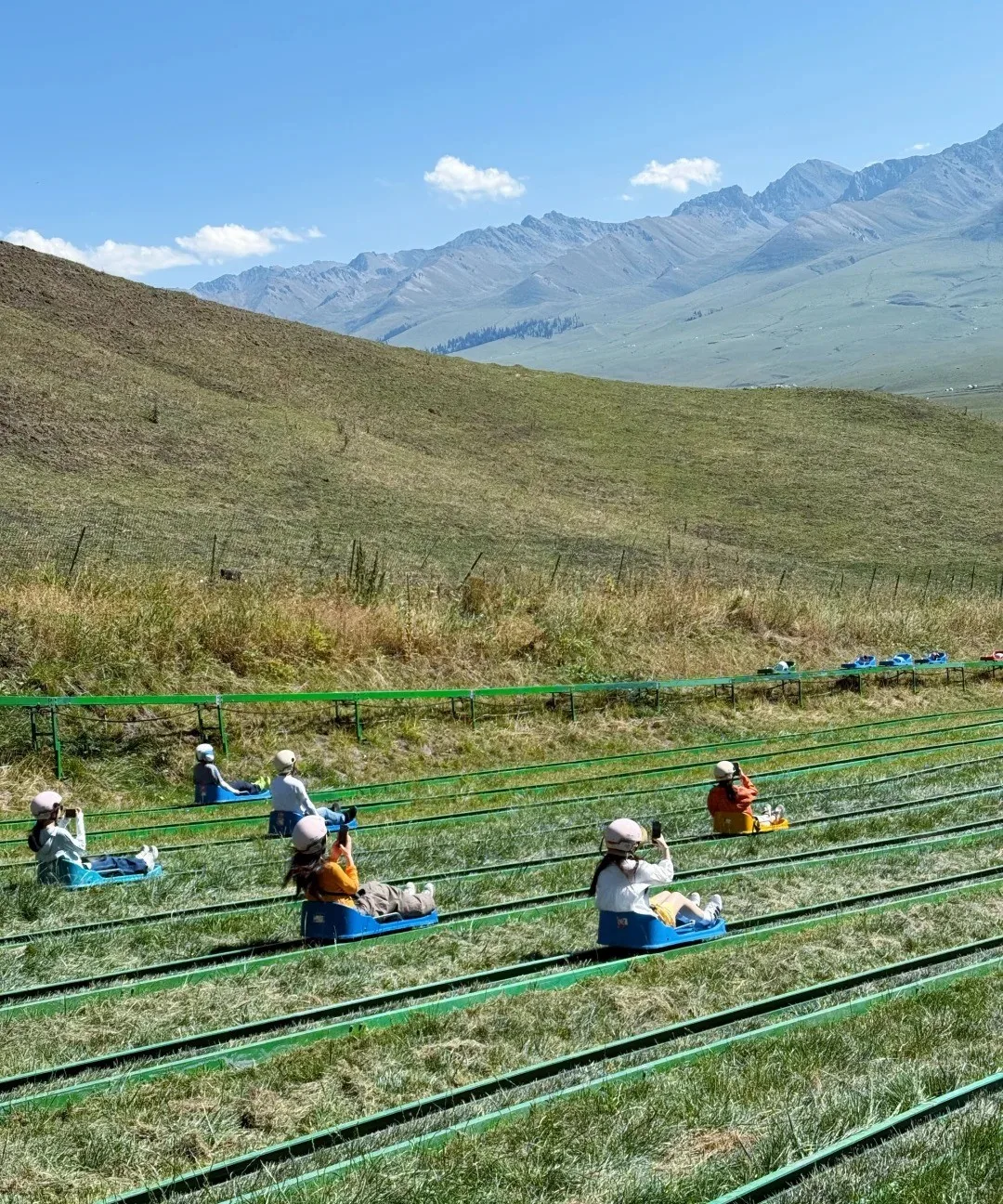
At the eastern end of the Ili Valley and above 1,800 m, Nalati is called the "Sky Prairie". From June to September green waves roll and wildflowers carpet the ground, while Kazakh herders have grazed here for generations. Drive from Yining or fly to Nalati airport.
Turpan Flaming Mountains: A Fiery Legend from Journey to the West
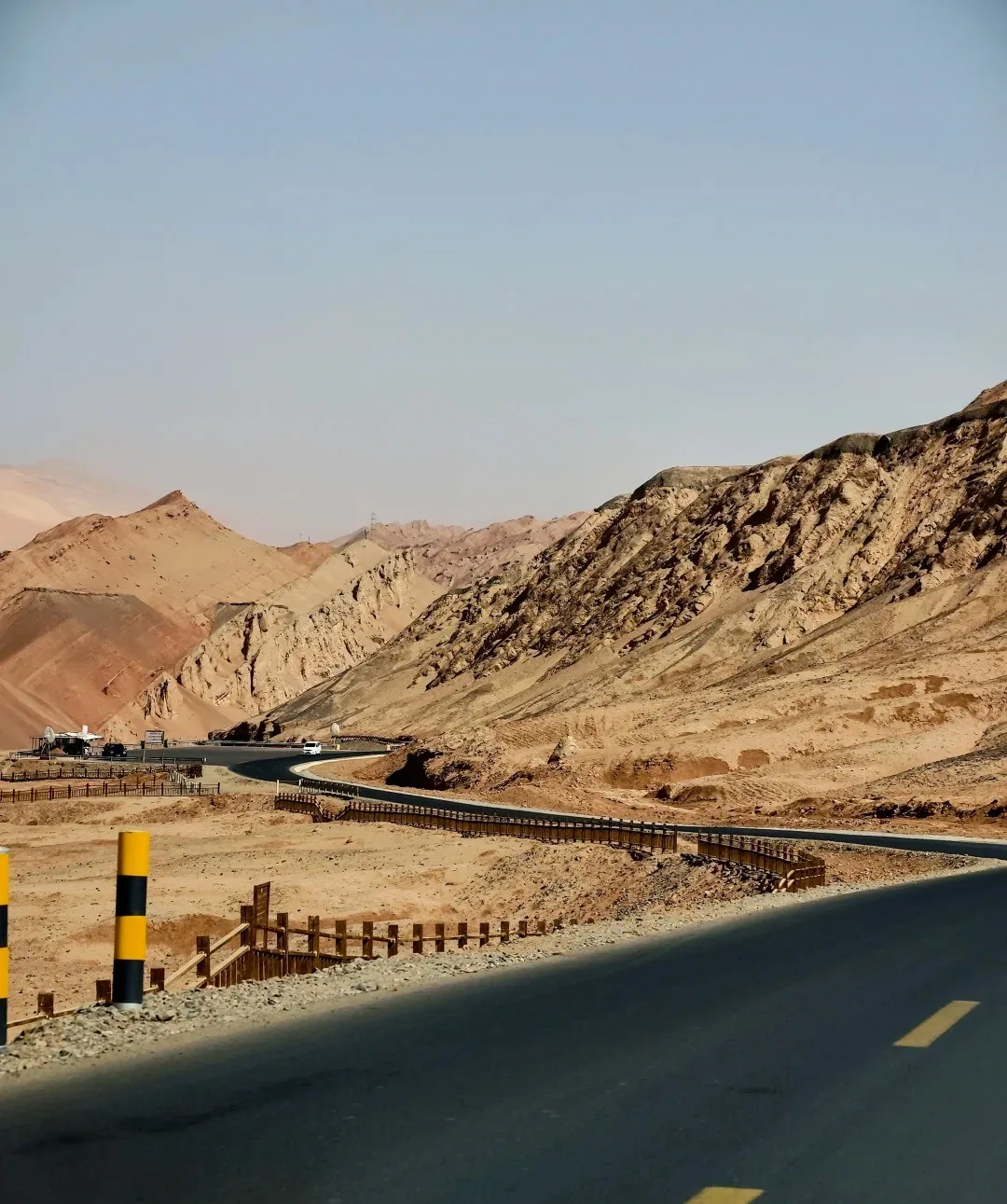
The Flaming Mountains run 98 km along Turpan's northern basin, famed as the "eight-hundred-li flame" of Journey to the West. Peak 831.7 m, summer ground hits 82.3 °C.
Dushanzi Grand Canyon: A Red Rift at the Foot of the Tianshan
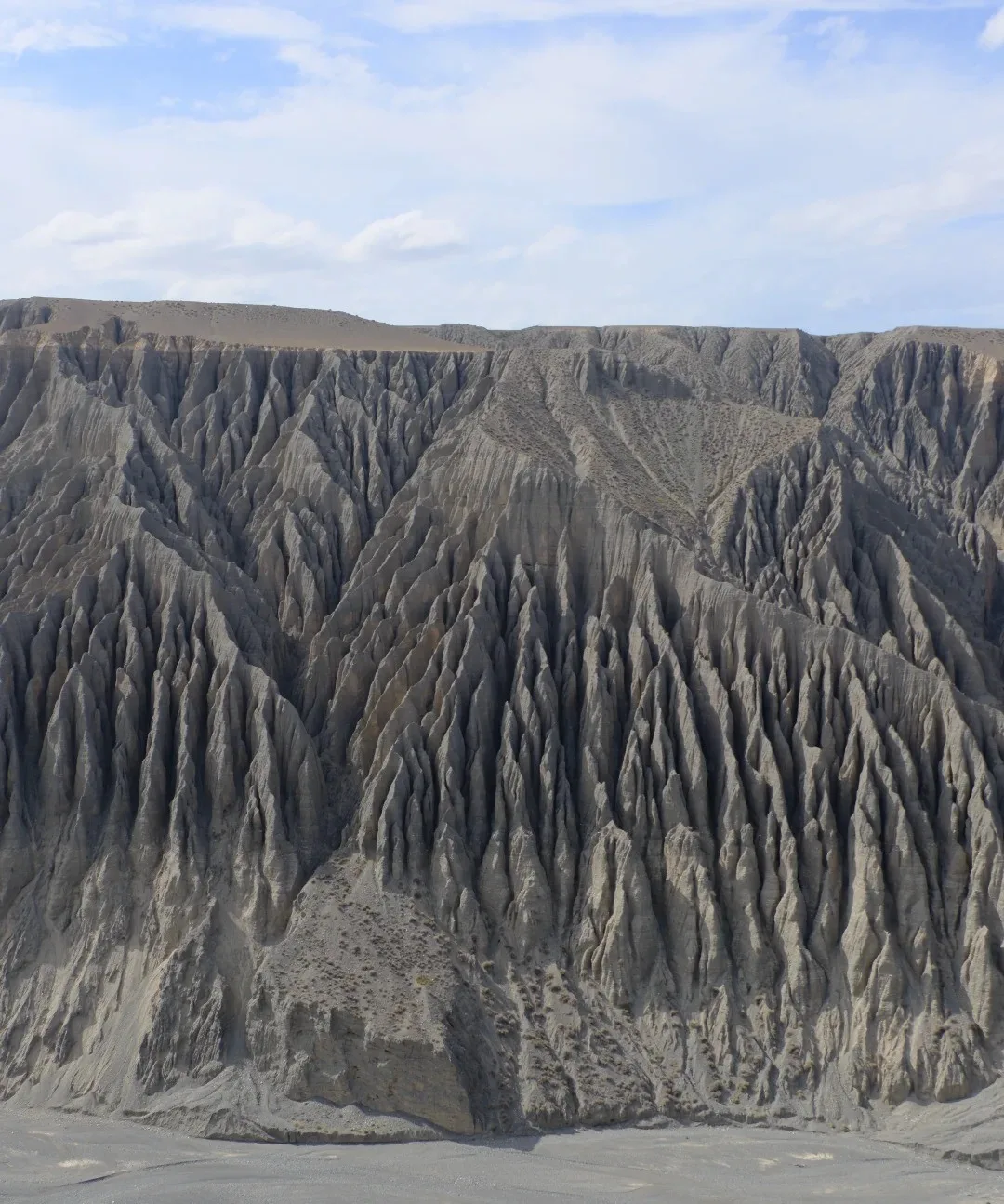
Tucked in Dushanzi District of Karamay, this red canyon was carved by the Kuytun River over millions of years. Near-vertical walls show red, yellow and grey strata; dawn and dusk light it best. A glass walkway and cliff swing wait for the brave.
Xinjiang: 1.66 Million Square Kilometres, from Kanas to Kashgar
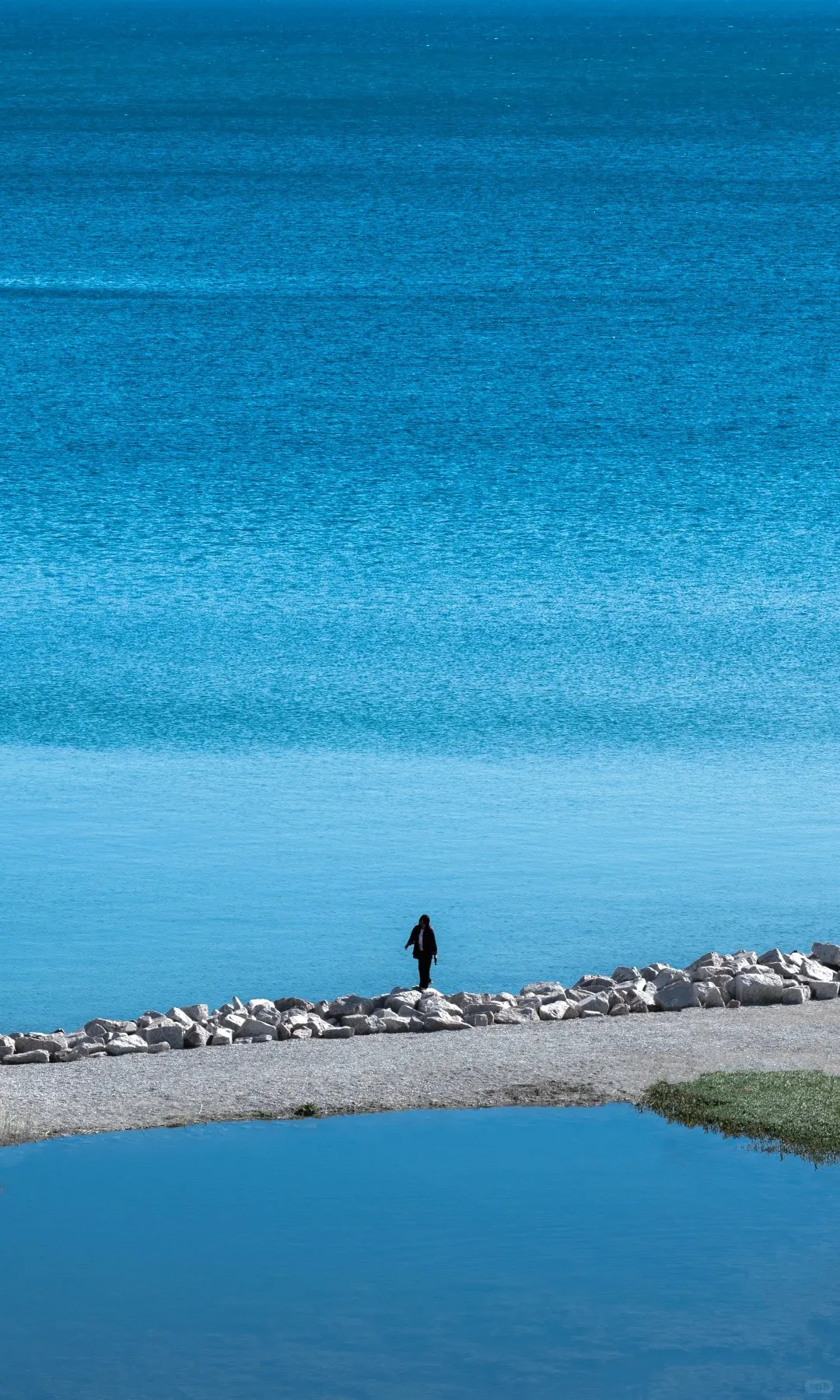
The Xinjiang Uyghur Autonomous Region covers 1.66 million square kilometres in China's far northwest, the largest province-level area in the country. Three mountain ranges holding two basins string together glaciers, grassland, desert oases and Central Asian old towns along one route. Locals divide it simply: nature in the north, people in the south, the Silk Road in the east. Kanas Lake and the timber houses of Hemu, the layered grassland of the Ili valley and Sayram Lake, the lanes of old Kashgar and the Pamir plateau, the jade bazaar at Hotan and the Taklamakan highway, the Flaming Mountains and the karez wells of Turpan.