 Travel Notes
 Turpan Flaming Mountains: A Fiery Legend from Journey to the West
A red ridge lying across the fire basin
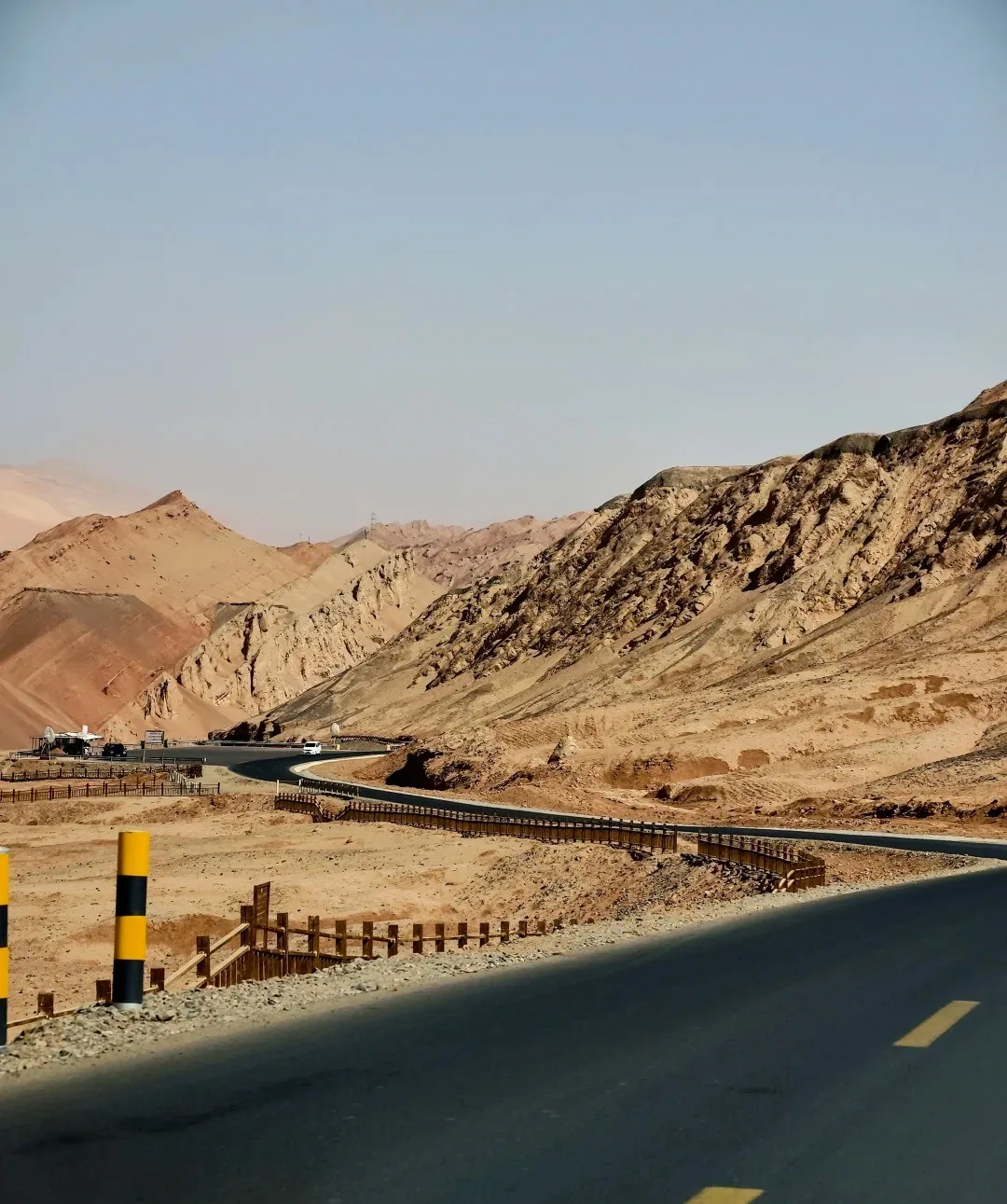
Ten kilometres northeast of Turpan town the horizon suddenly raises a ridge of reddish-brown rock — this is the Flaming Mountains. It runs east-west along the northern edge of the basin, 98 km long and 9 km wide, like a wall baked through by the sun. The highest peak reaches 831.7 m with a relative relief near 500 m, stark against the grey-yellow Gobi. So red and so hot is it that locals gladly claimed it as the model for the “eight-hundred-li flame” in Journey to the West.
That fire in the old novel
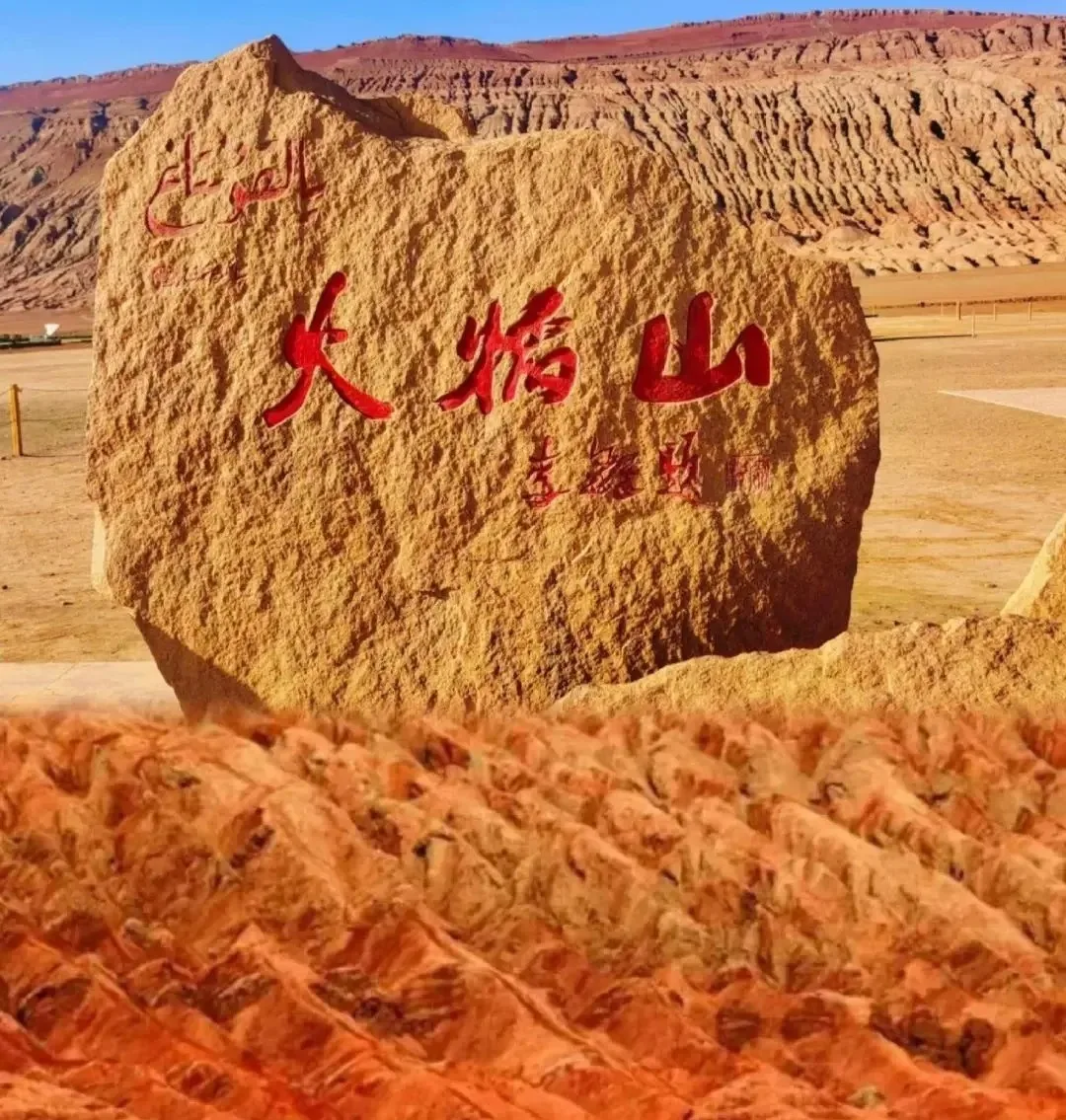
When Wu Cheng’en wrote of the Flaming Mountains he gave Princess Iron Fan a plantain-leaf fan to beat back eight hundred li of fire. The tale is fiction, yet this red range in Turpan is real, so folk tied the story to the place. The site leans into the gag with a Journey culture corridor, painting Havoc in Heaven and the three borrowings of the fan along the path. Families with children love the stop, spotting the pilgrims’ characters as they walk.
Where the red comes from
The mountain’s red was never painted on. Between 140 and 65 million years ago Turpan was an inland lake that laid down kilometres of red sandstone and mudstone. Later the Himalayan uplift folded the strata into a syncline mountain, and the bone-dry basin oxidised iron and magnesium in the rock to ochre. Stand before it and you read the sedimentary bands like pages of geological history.
The fire basin at 82 degrees
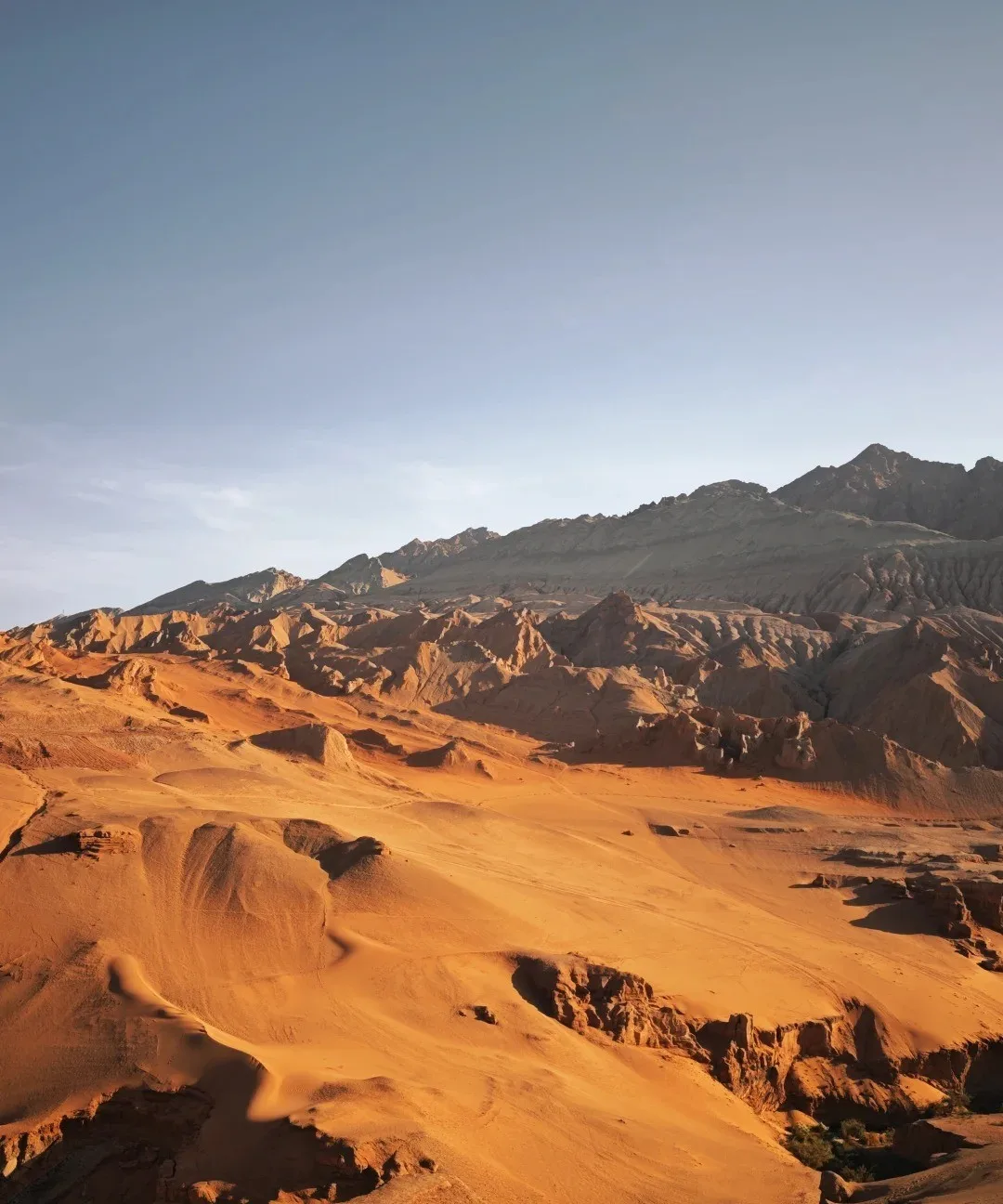
What the Flaming Mountains are famous for is not the view but the heat. Annual rain here is under 16 mm while evaporation tops 3,000 mm; summer air often passes 47 °C and the ground surface has been measured at 82.3 °C — hence the nickname “land of fire”. At noon the stones burn underfoot, so come at dawn or dusk when the slanted red light makes the hills look truly aflame.
Corridor, underground palace, and the old city nearby
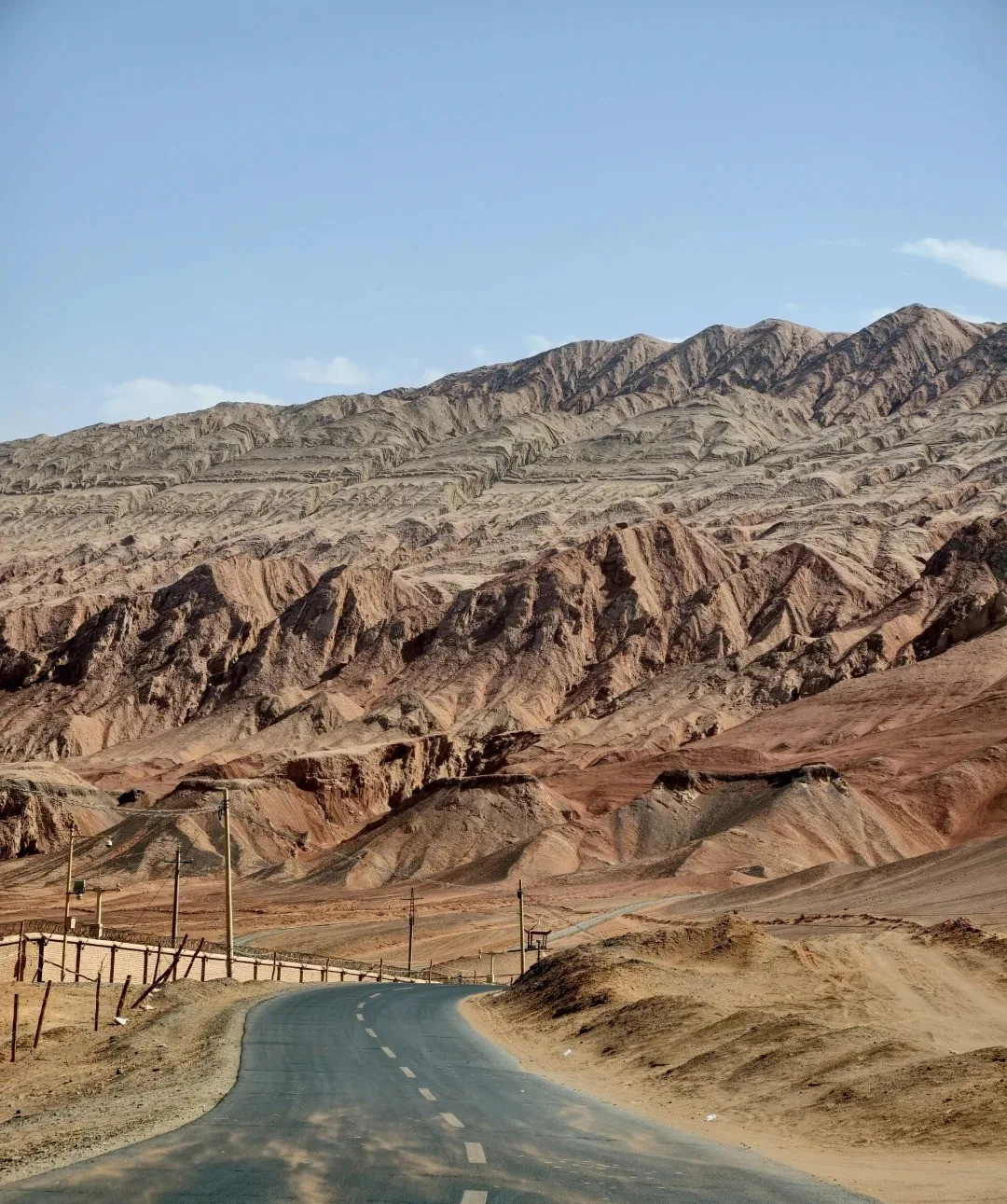
The core area sits at the foot of the main peak. Beyond the Journey corridor there is an underground palace museum gathering the Silk Road and the fire-basin story. Walk into the northern gorges and you reach the Bezeklik Thousand Buddha Caves, a national protected site. A short way northeast lies the Gaochang ruins, so with time you can string them into one line and see red hills and broken walls in a single day.
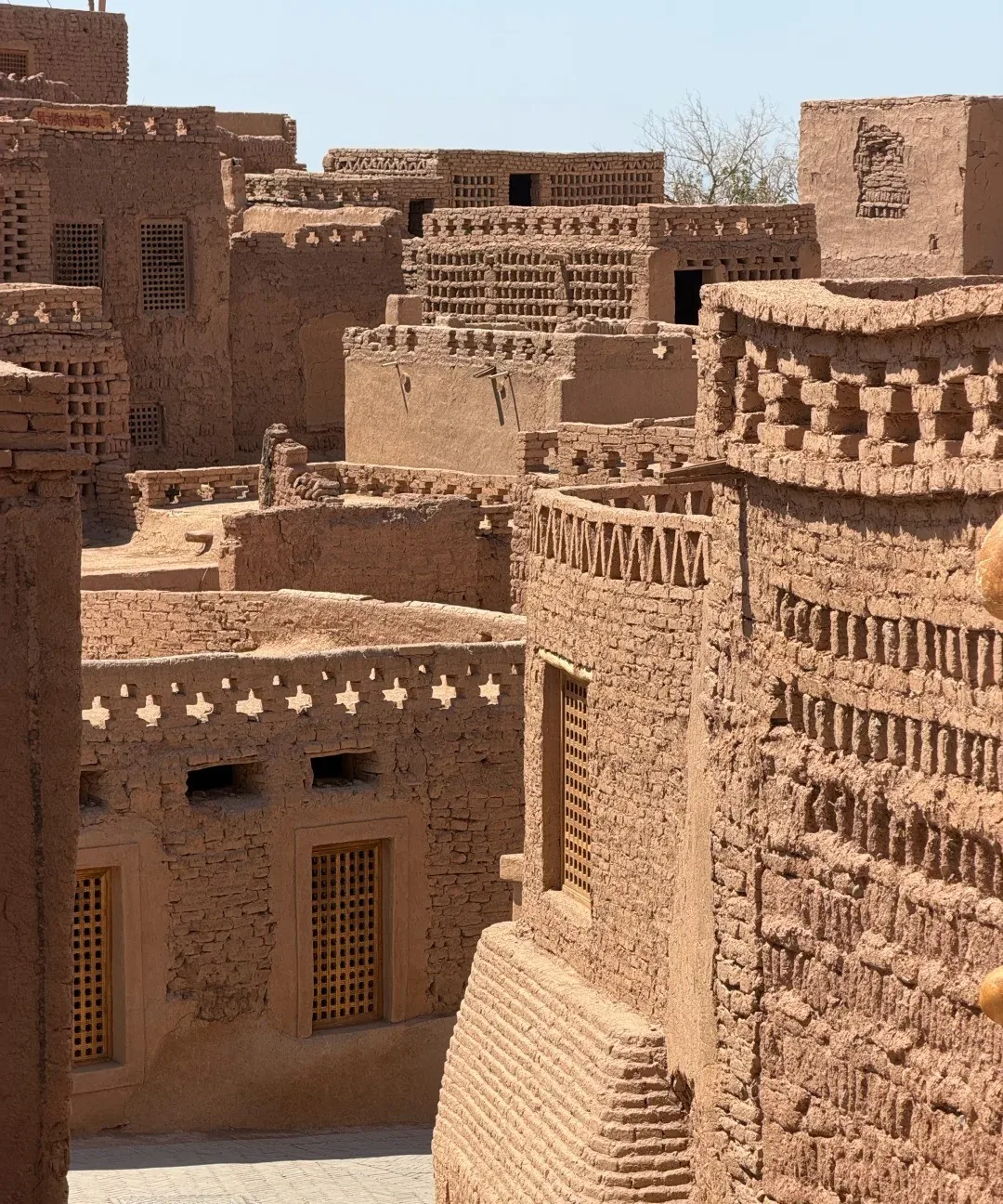
How to get here from Turpan
The mountains are close to town. Self-drive east 10 km along G312, or take the G30 Lianhuo expressway that runs past. No car? A tourist shuttle runs from the city for 10 yuan, every half hour. Fly into Turpan Jiaohe airport, about 20 km away, or take the train to Turpan North station and transfer for roughly 15 km. The site is mostly flat; a loop takes one or two hours.
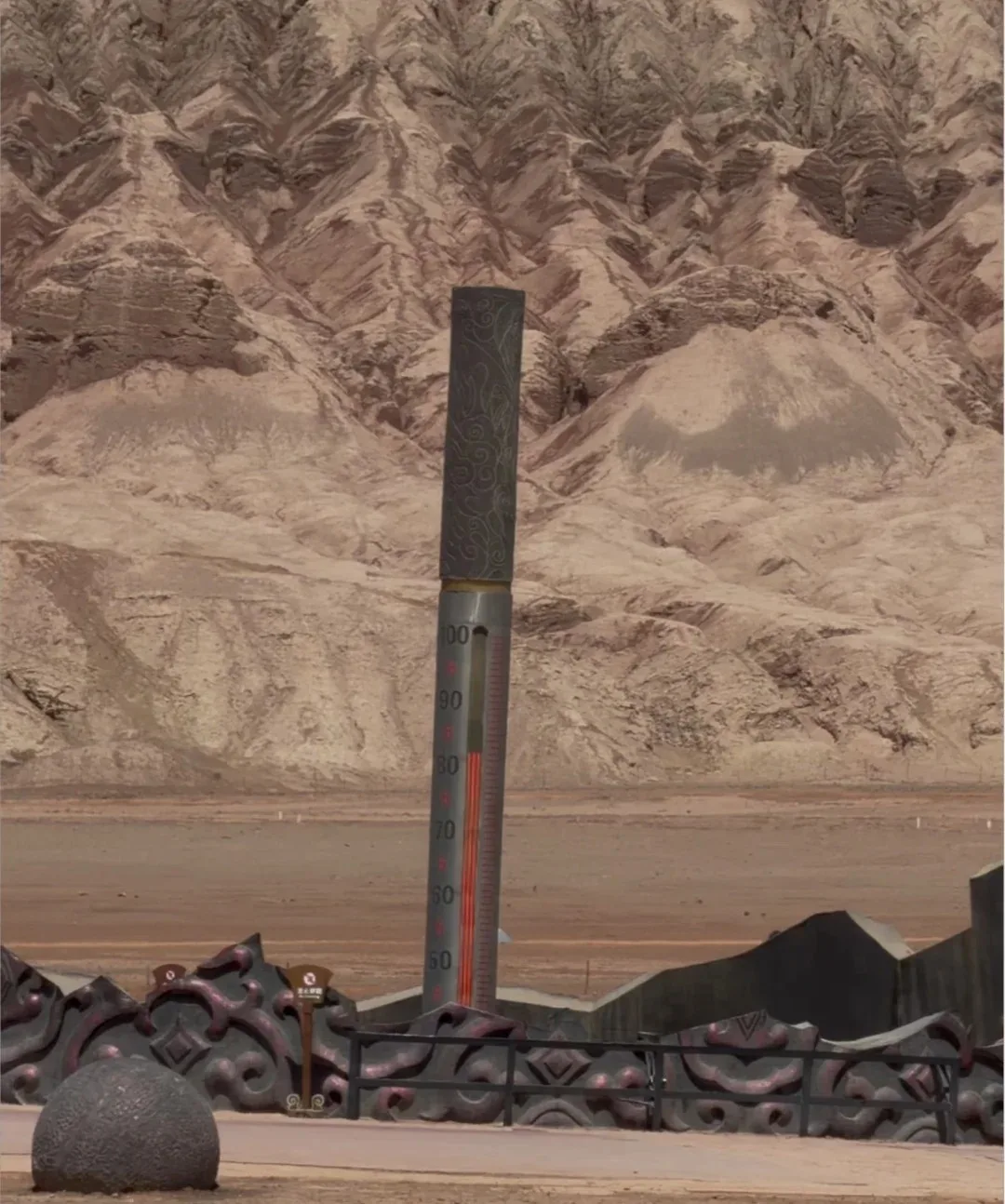
The Flaming Mountains are not a peak to climb but a ridge to gaze at across the heat haze. They twist Turpan’s dry, red, hot character into one force you remember at a glance. Most passers-by stop only half an hour and still say: this place lives up to its name.
Practical information
- Opening: peak season 08:00–20:00, off season 09:00–18:00
- Tickets: peak 40 yuan, off 20 yuan; half price over 60, free under 1.2 m
- Getting there: Turpan Jiaohe airport ~20 km, North station ~15 km; self-drive 10 km east on G312 or tourist shuttle (10 yuan / every 30 min)
- Tips: extreme summer heat — carry water and sun protection; light long sleeves and a hat beat a T-shirt
Related reading
Xinjiang: 1.66 Million Square Kilometres, from Kanas to Kashgar
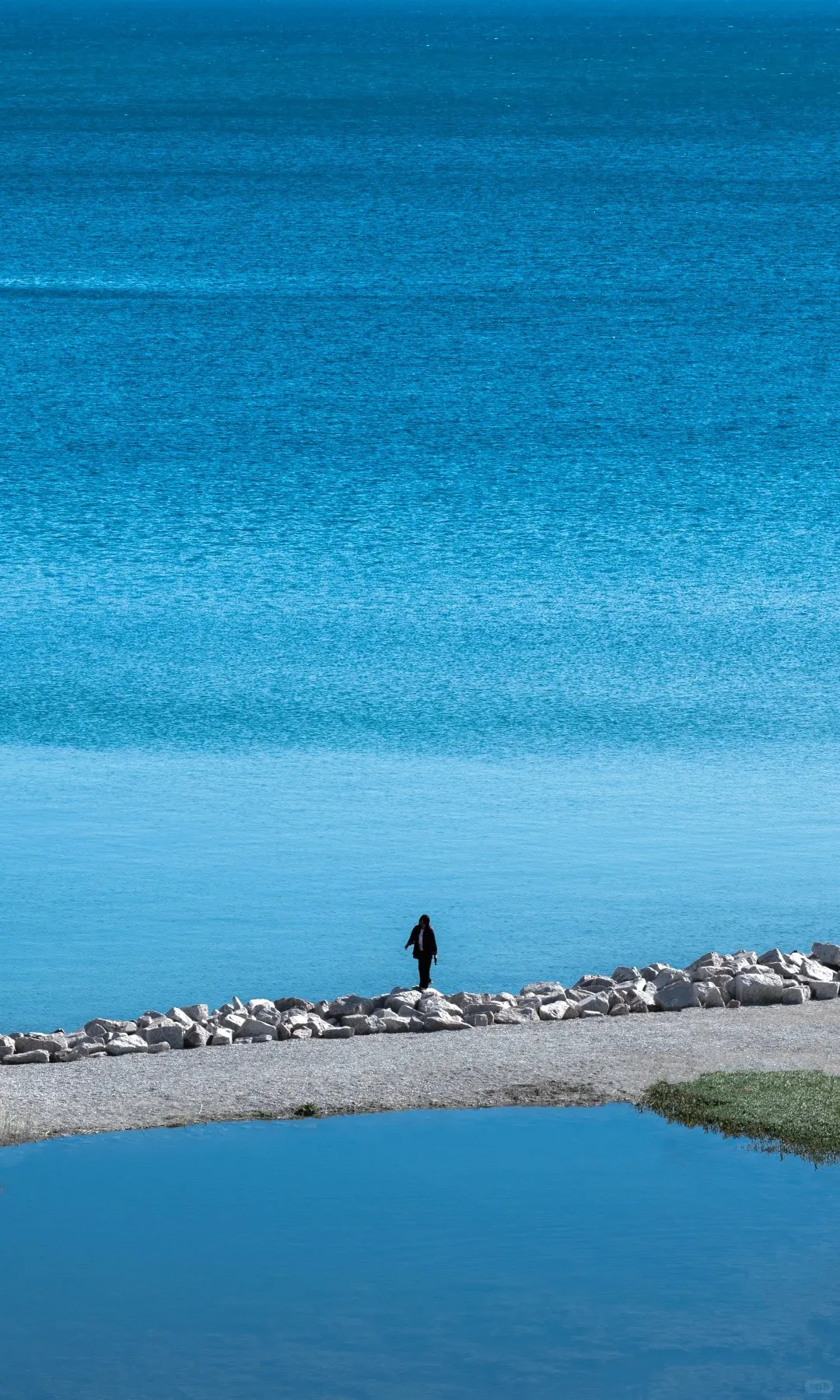
The Xinjiang Uyghur Autonomous Region covers 1.66 million square kilometres in China's far northwest, the largest province-level area in the country. Three mountain ranges holding two basins string together glaciers, grassland, desert oases and Central Asian old towns along one route. Locals divide it simply: nature in the north, people in the south, the Silk Road in the east. Kanas Lake and the timber houses of Hemu, the layered grassland of the Ili valley and Sayram Lake, the lanes of old Kashgar and the Pamir plateau, the jade bazaar at Hotan and the Taklamakan highway, the Flaming Mountains and the karez wells of Turpan.
Tian Shan Tianchi: A Highland Lake Beneath Bogda Peak
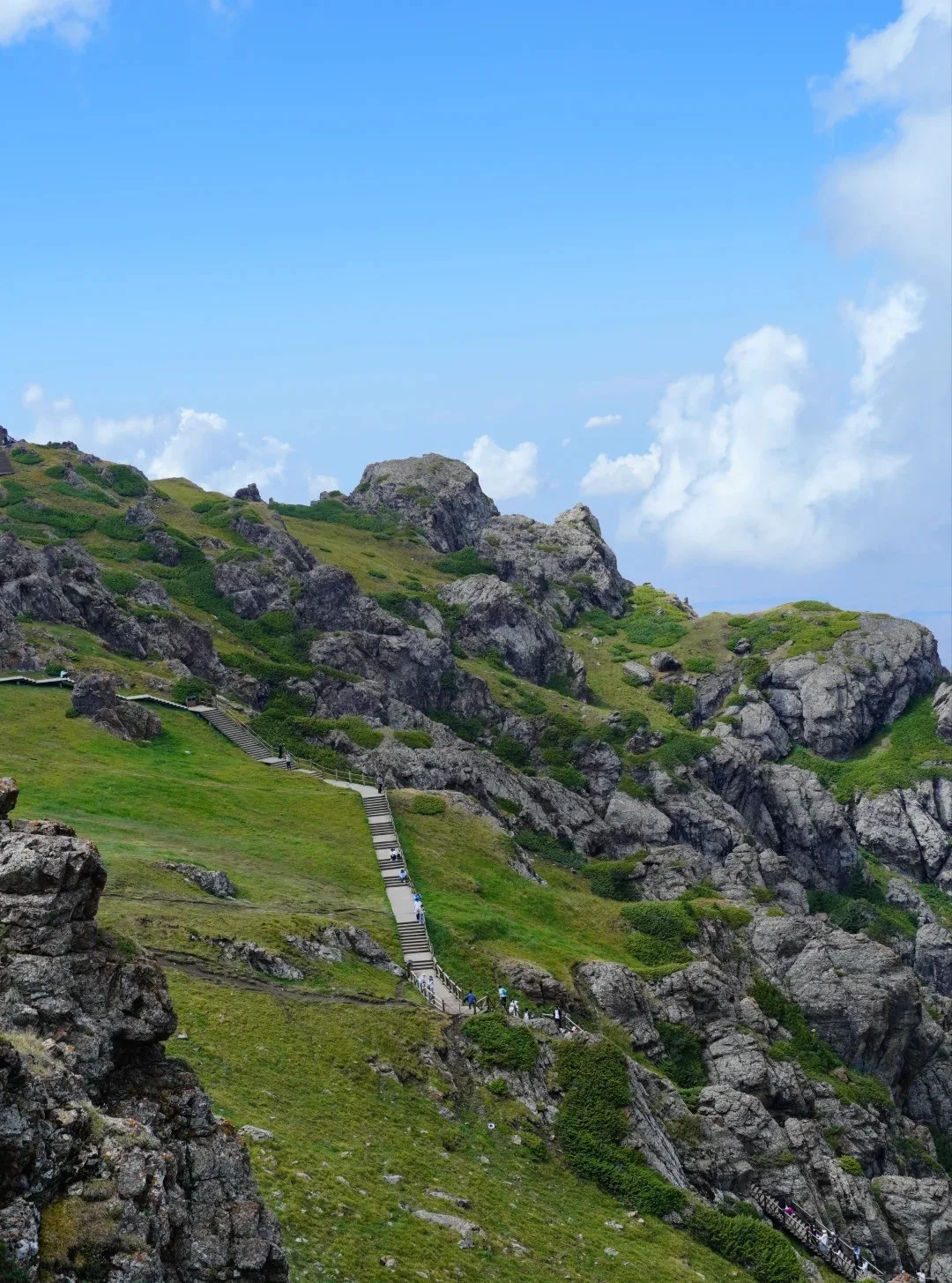
Nestled north of Bogda Peak, Tianchi is a glacial lake fed by snowmelt at 1,910 m. The legendary "Yaochi" of Chinese myth, it is now a 5A scenic area where snow peaks, spruce and water share one frame. Peak and off-season pricing differ sharply.
Nalati Grassland: The "Sky Prairie" Hung on the Tianshan
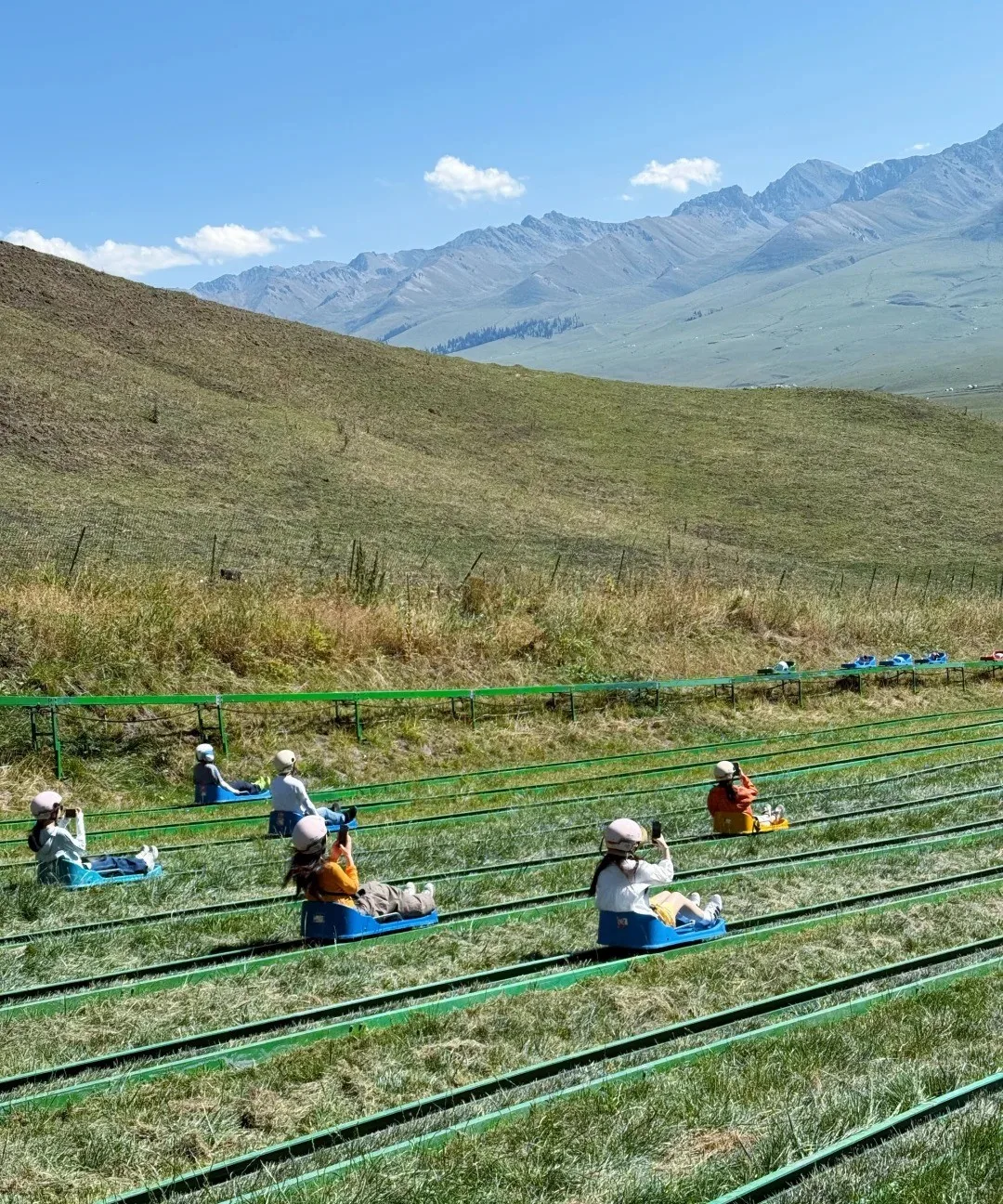
At the eastern end of the Ili Valley and above 1,800 m, Nalati is called the "Sky Prairie". From June to September green waves roll and wildflowers carpet the ground, while Kazakh herders have grazed here for generations. Drive from Yining or fly to Nalati airport.
Dushanzi Grand Canyon: A Red Rift at the Foot of the Tianshan
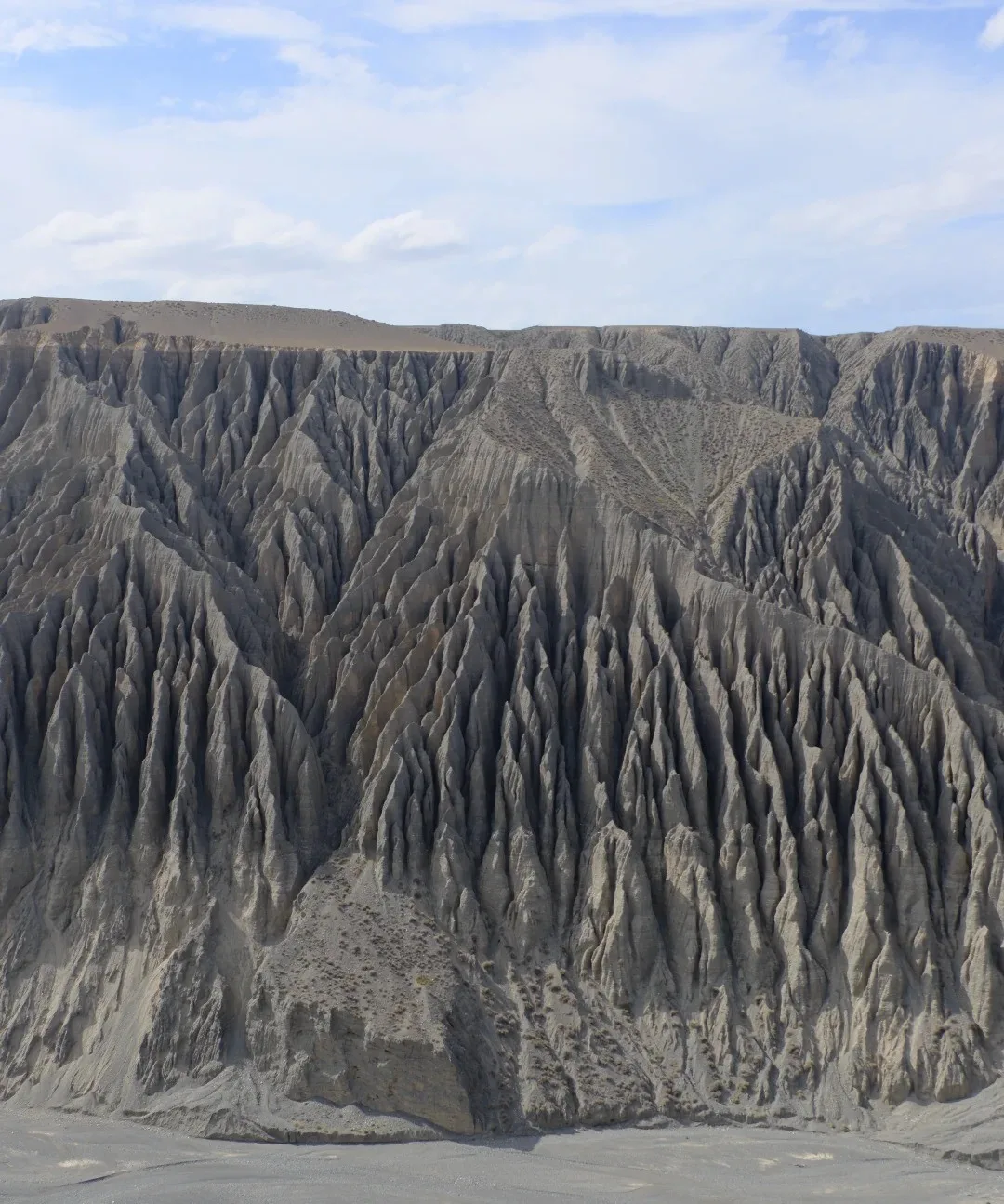
Tucked in Dushanzi District of Karamay, this red canyon was carved by the Kuytun River over millions of years. Near-vertical walls show red, yellow and grey strata; dawn and dusk light it best. A glass walkway and cliff swing wait for the brave.
Duku Highway: A Scenic Corridor Through the Tianshan
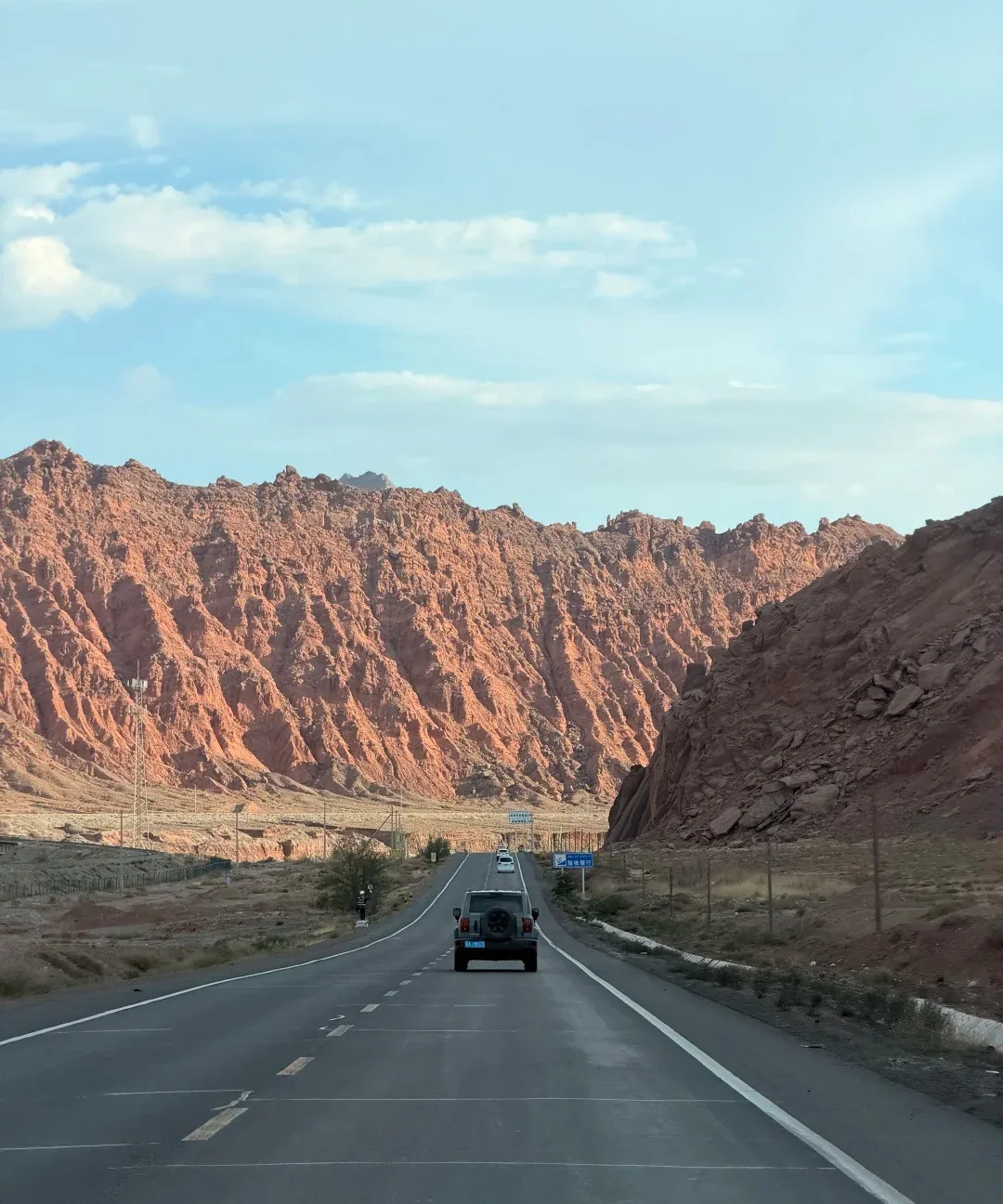
The Duku Highway is the Dushanzi–Kuqa stretch of G217, about 561 km long, crossing the Tianshan to link northern and southern Xinjiang. Snow peaks, canyons and meadows take turns along the way, earning it a place among China's most beautiful roads. Open only June to September, it tops many road-trip wish lists.