 Travel Notes
 Tianjin: A Riverside City of Concessions and International Architecture
Tianjin lies in the northeast of the North China Plain, facing the Bohai Sea to the east, with the Hai River winding through the city and splitting into the South and North canals before merging again at the Three Confluences and running to the sea. The city was fortified as Tianjin Guard in 1404, under the Yongle emperor, more than six hundred years ago. It began as a grain-transport hub and prospered along the river in the Ming and Qing; after it opened to foreign trade in the modern era, nine nations carved out concessions here one after another, and Western buildings landed in dense clusters. So Tianjin took on a character of “East meets West”: on one side Victorian, Baroque and Rococo villas; on the other the everyday life of a teahouse where people crack sunflower seeds and listen to crosstalk, or a morning set of jianbing guozi from a street stall.
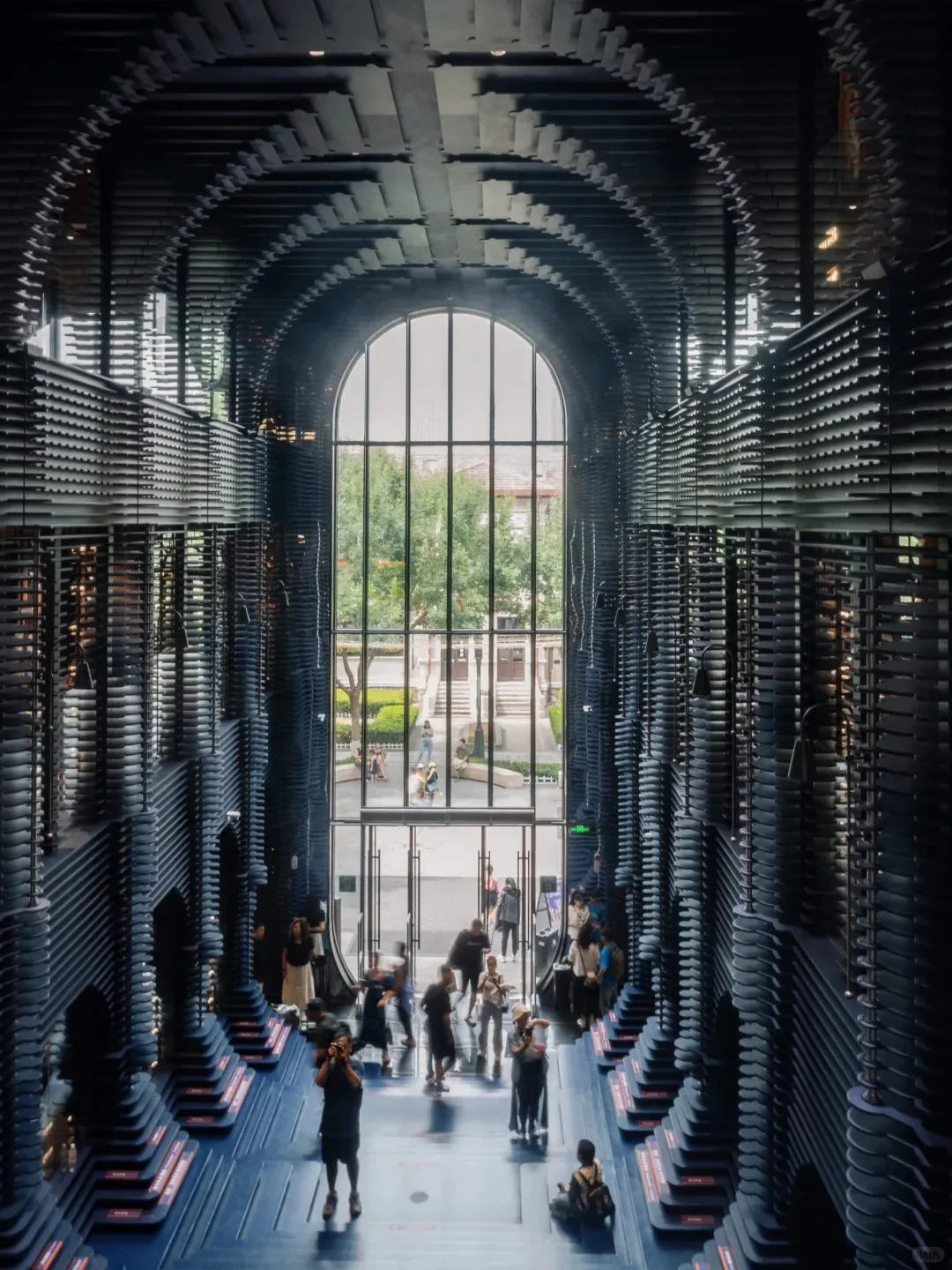
The Five Avenues, a living history you can walk into
Of Tianjin’s countless neighbourhoods, the Five Avenues are the first stop you cannot skip. This historic district in Heping is built around Chengdu, Chongqing, Changde, Munan and Machang roads, gathering more than two thousand garden villas in British, French, Italian, German and Spanish styles, with over three hundred preserved buildings and former celebrity residences — rightly called a “museum of international architecture”. The Prince Qing Mansion is among the best kept, with a 24-yuan ticket and interior decorations worth a close look that blend Chinese and Western taste; the Minyuan Stadium is free to enter, its curved stands distinctly European; former homes like that of Zhang Zizhong hide deep in the lanes, and a glance at the plaque by the door is enough to touch a piece of Republican history. For an easy tour, take a horse-drawn carriage around the block for 50 yuan per person, the coachman narrating the anecdotes behind the buildings.
Mornings are the quietest time on the Five Avenues. Sunlight falls through plane-tree leaves onto the asphalt, and now and then a resident walking the dog nods a smile — that ease dissolves the tension of travel at once. Many people plan two hours and end up staying until dusk. Little bookshops, galleries and designer stores along the street each deserve a pause; in autumn leaves cover the stone pavement and crunch underfoot, while in winter snow settles on the villa roofs and warm yellow light glows from the windows, a completely different picture.
The Italian-style Quarter, Asia’s only Mediterranean ensemble
Heading north along the river brings you to the Italian-style Quarter. Once the Italian concession, it preserves over two hundred Mediterranean buildings and is the only Italian-style architectural cluster in Asia. The sculpture and arcade of Marco Polo Square, the elegant lines of Dante Square, give the illusion of a small European town. The Liang Qichao Memorial is a must: a 10-yuan ticket, and inside the study “Yinbingshi” is faithfully restored; Cao Yu’s former home is nearby too, where the playwright spent his youth. At dusk the restaurants and bars light up, the European buildings gentle in the warm glow, and a walk to the river after dinner leaves the city’s noise behind.
Ancient Culture Street, the “root” and “local” of Tianjin
If the Five Avenues and the Italian Quarter stand for Tianjin’s “foreign”, the Ancient Culture Street is its “root”. This Ming-Qing style block in Nankai gathers folk elements like the Tianhou Temple, the Zhang clay figurines, Yangliuqing New Year paintings and Wei kites. The Tianhou Temple is a rare northern Mazu shrine and one of the three great Mazu temples in the world; a 10-yuan ticket, and the incense is thick. On the twenty-third of the third lunar month the annual Huanghui fair brings stilts, lion dances and yangge in full swing. The Zhang figurines are vivid, the Yangliuqing prints bright, the Wei kites exquisite — even without buying, watching the artisans work is a pleasure. Tired, buy a just-fried Erduyan fried cake, crisp outside and lightly sweet red-bean inside, about 5 yuan each.
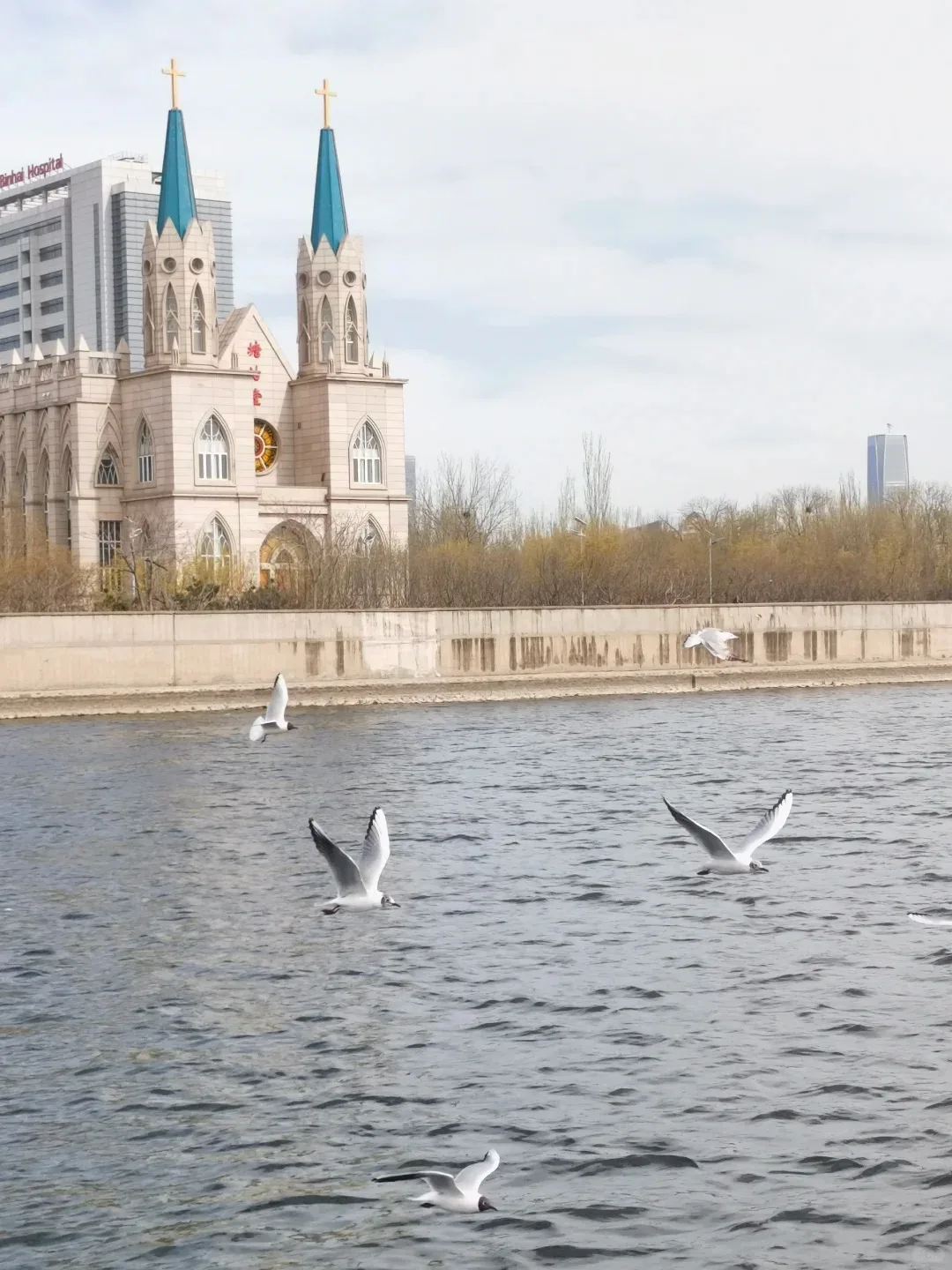
The archway at the entrance, the grey-tile ridges, the palace lanterns under the eaves, all carry the flavour of old Tianjin. Step into the Tianhou Temple and among the incense you often see locals praying, a piety that shows the city’s tender side. The street sits by the river; when tired, sit by the water and watch the towers and tour boats across the way, and the noise just recedes. This switch between motion and stillness is exactly Tianjin’s most charming rhythm.
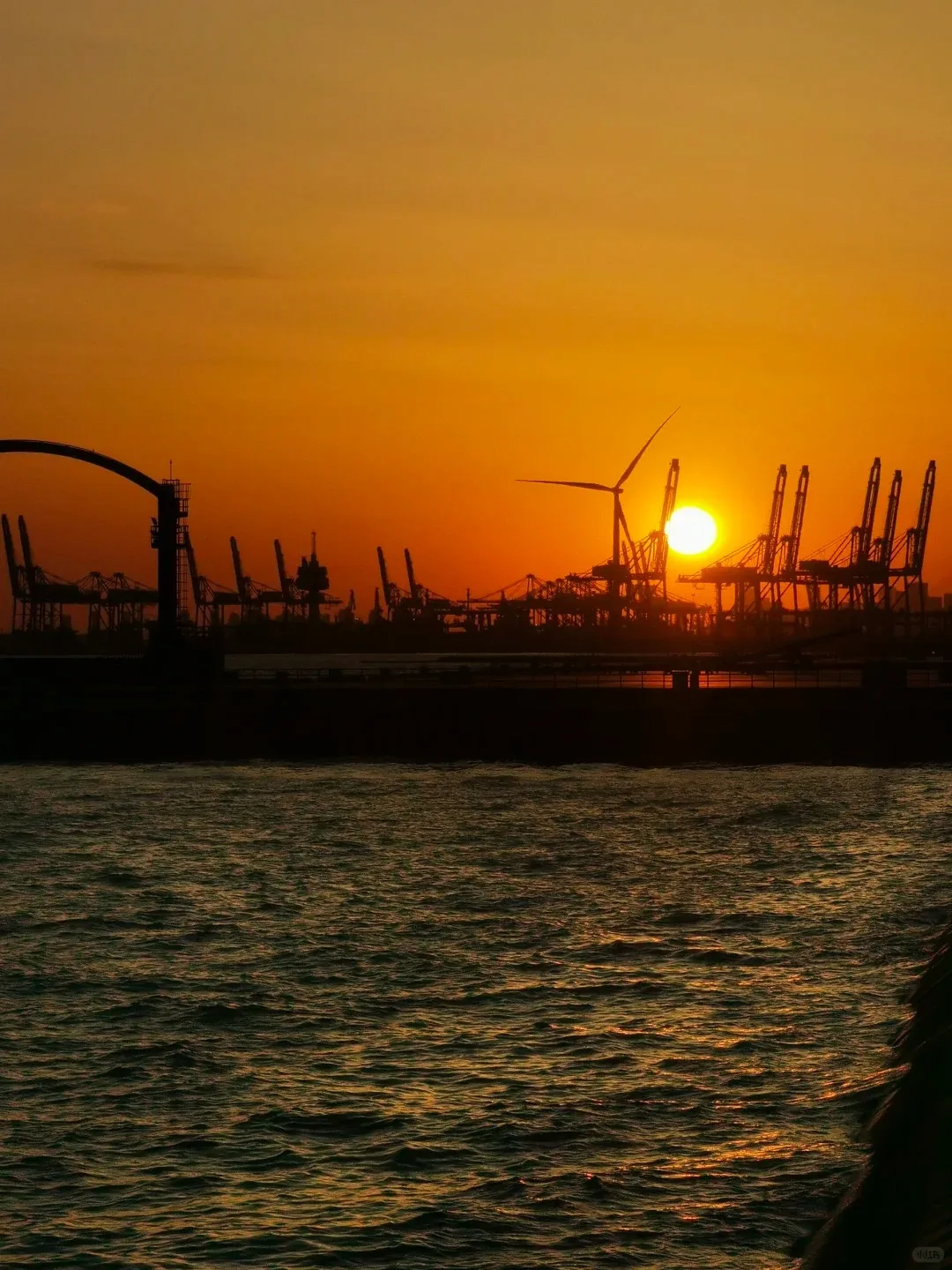
The Hai River, soul of the city
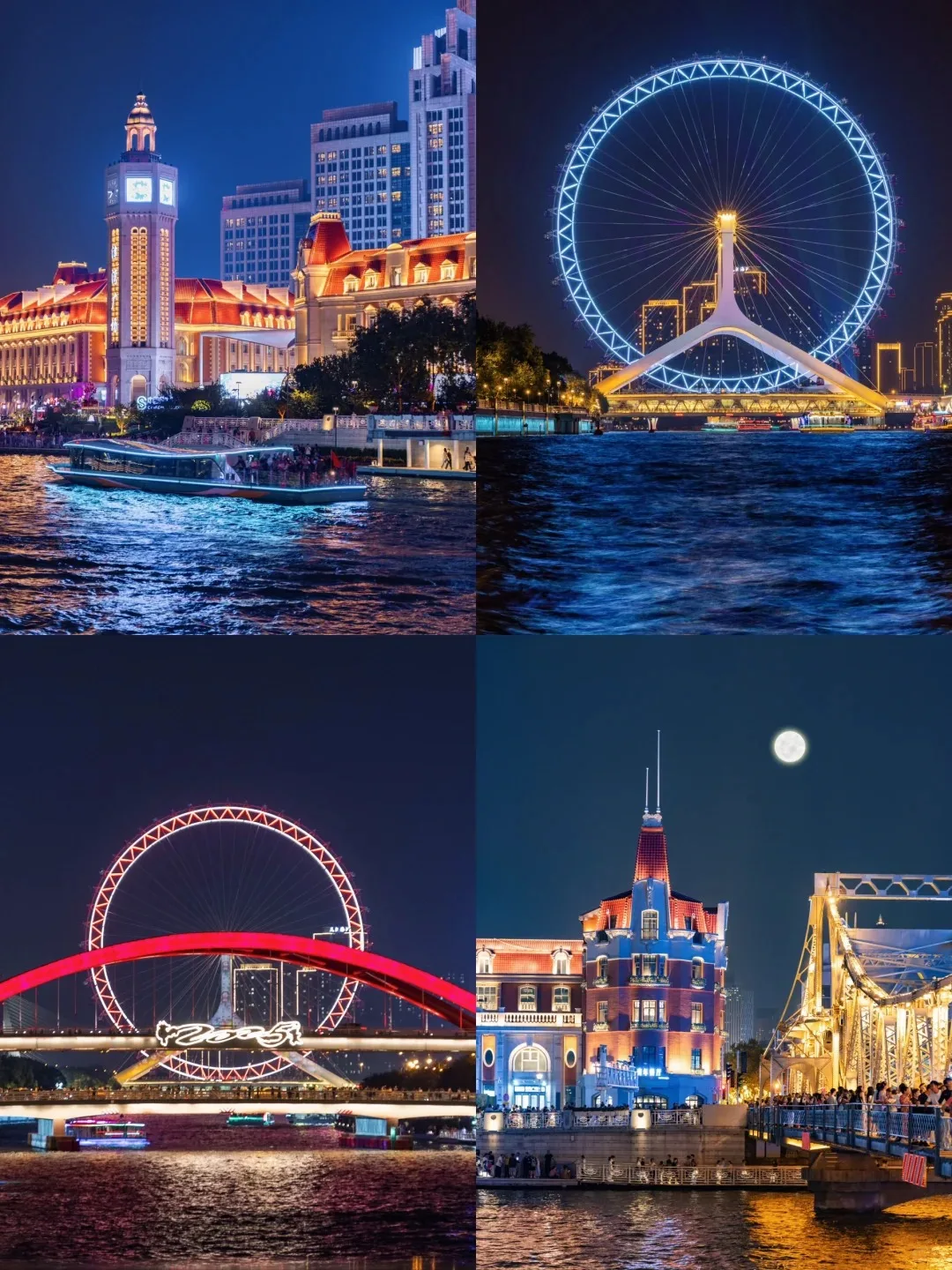
The Hai is Tianjin’s mother river. Its most striking landmark is the Tianjin Eye, a Ferris wheel set on the Yongle Bridge — the only one in the world built on a bridge, with a 110-metre wheel, about 120 metres tall, a half-hour revolution and a 70-yuan ticket. Go up before sunset to watch the river turn red, then ease into the city’s lights. To skip the queue, take a Hai River cruise from the Tianjin Eye pier past the Lion Grove, Jintang and Liberation bridges, about fifty minutes for 100 yuan; on the deck in the wind, the riverside buildings unfold in light, and the night ride beats the day.
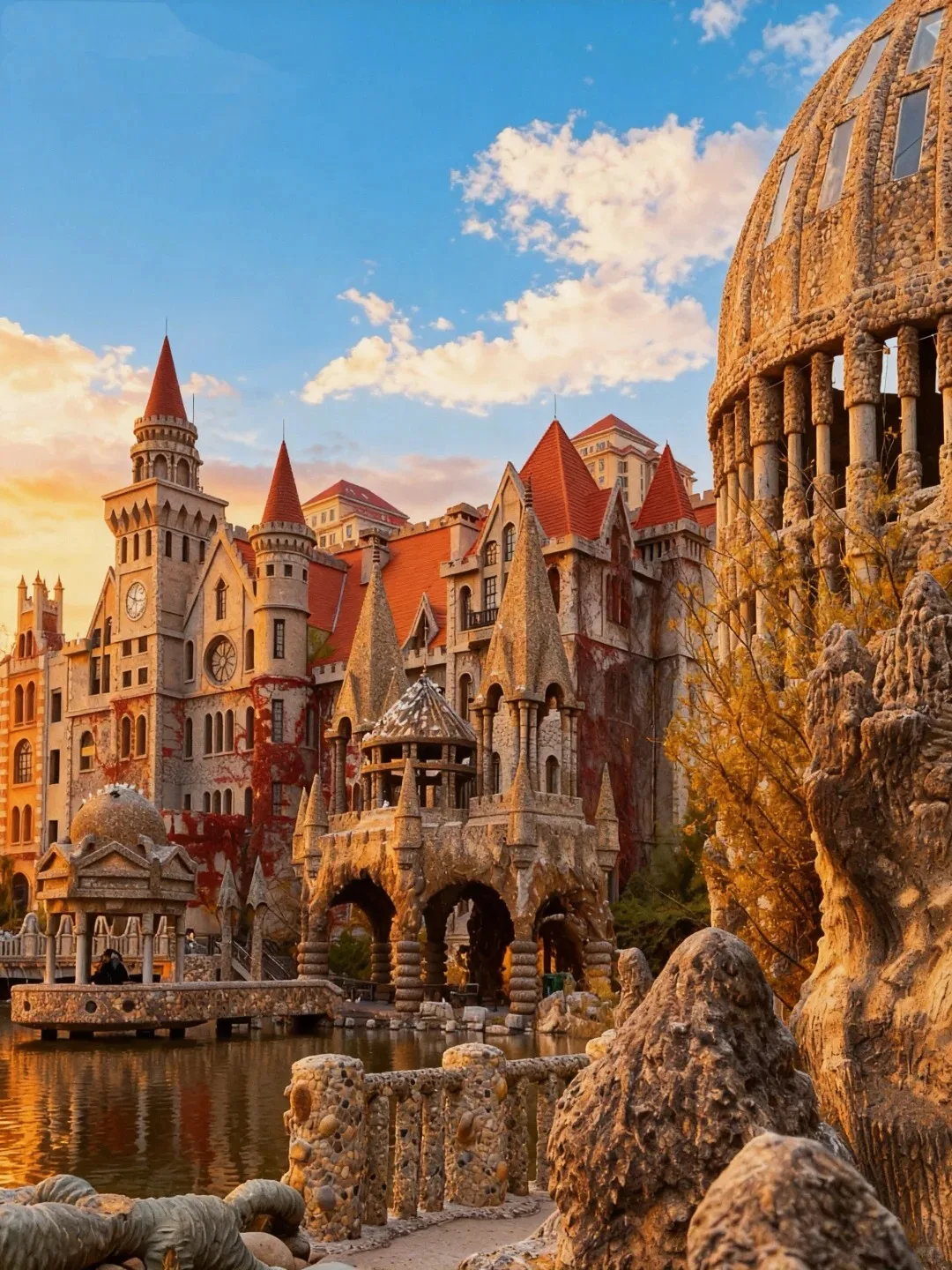
More than boating, a riverside walk is lovely. The promenade runs from Ancient Culture Street to the Italian Quarter, past the Lion Grove, Jintang and North An bridges, each with its own character: the varied stone lions of Lion Grove, Jintang where east and west forces met in the liberation of Tianjin, the French-elegant sculptures of North An. At dusk citizens run, fish and dance by the river, the afterglow on the water, the towers’ glass facades lit — this idleness is the Hai’s most moving part.
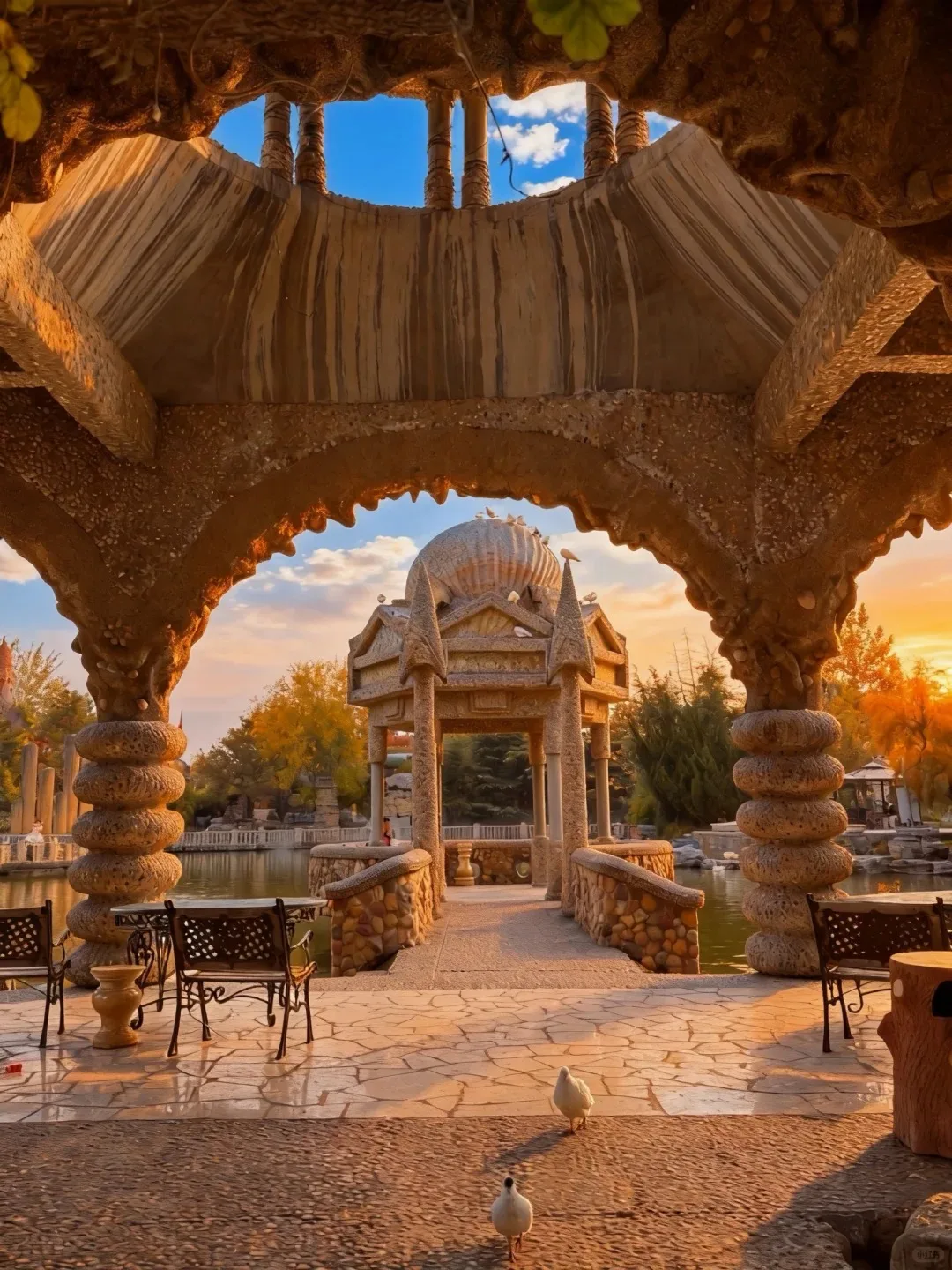
Another face of a modern city
Tianjin’s modern history is a book that never ends. On Chifeng Road in Heping stands the Porcelain House, its exterior paved with hundreds of millions of ancient porcelain shards, crystal and agate, jokingly called “the most luxurious house”, about 50 yuan. The city also scatters former homes of Li Shutong and Yuan Shikai: many hum Li’s farewell song “Outside the long pavilion, along the old road”; stepping into his home you almost hear the piano of a century ago. The bank buildings along Jiefang Road still keep their century-old look; that “Wall Street of the East” records Tianjin’s glory as the financial centre of the north.
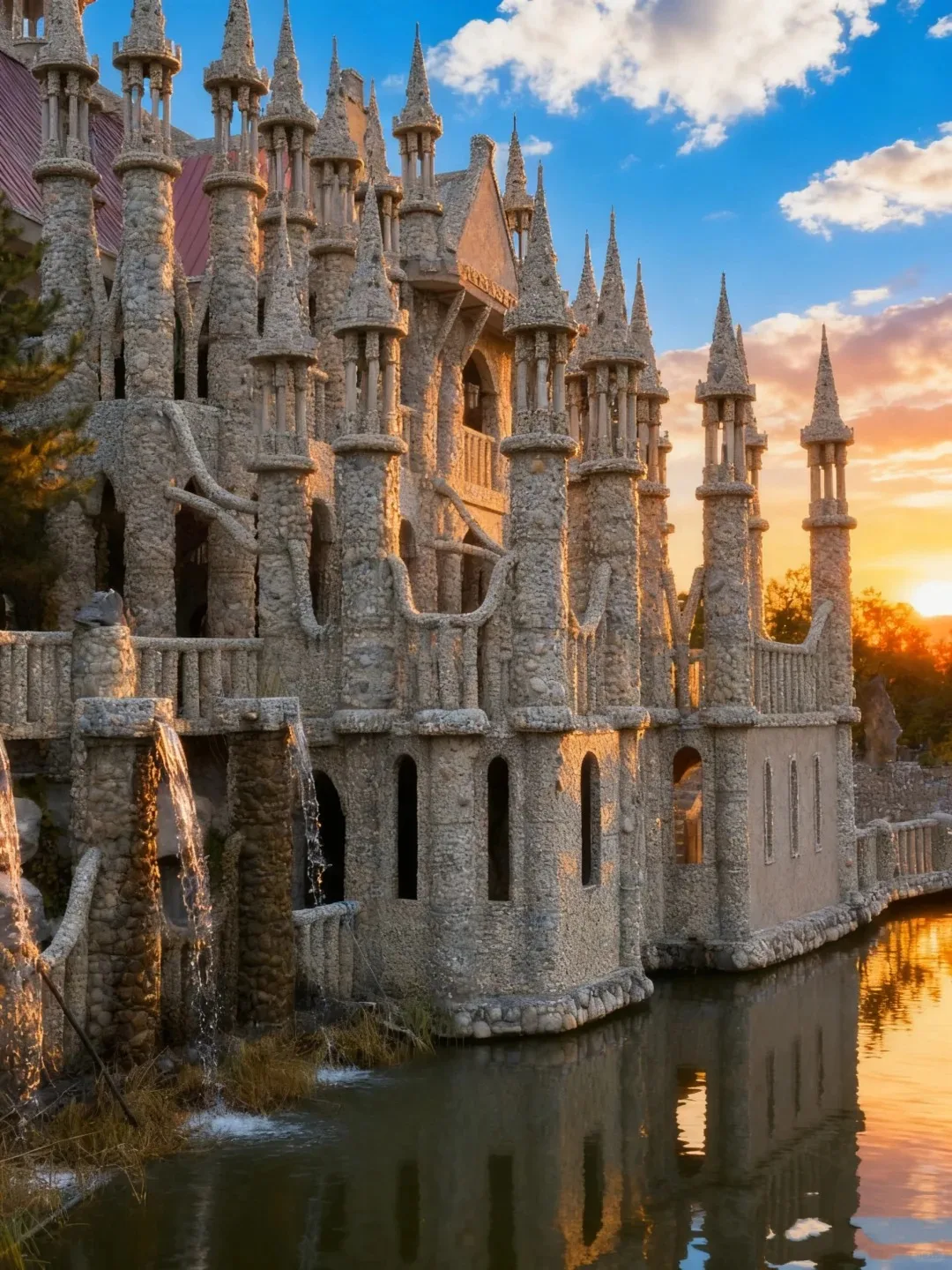
Tianjin is also a cradle of modern Chinese industry and education. From the Self-Strengthening Movement, railways, telegraph and post gathered here; walking Jiefang Road today, the corner plaques and old photos still hold that era. For history lovers, Tianjin is a city where you meet the past without looking.
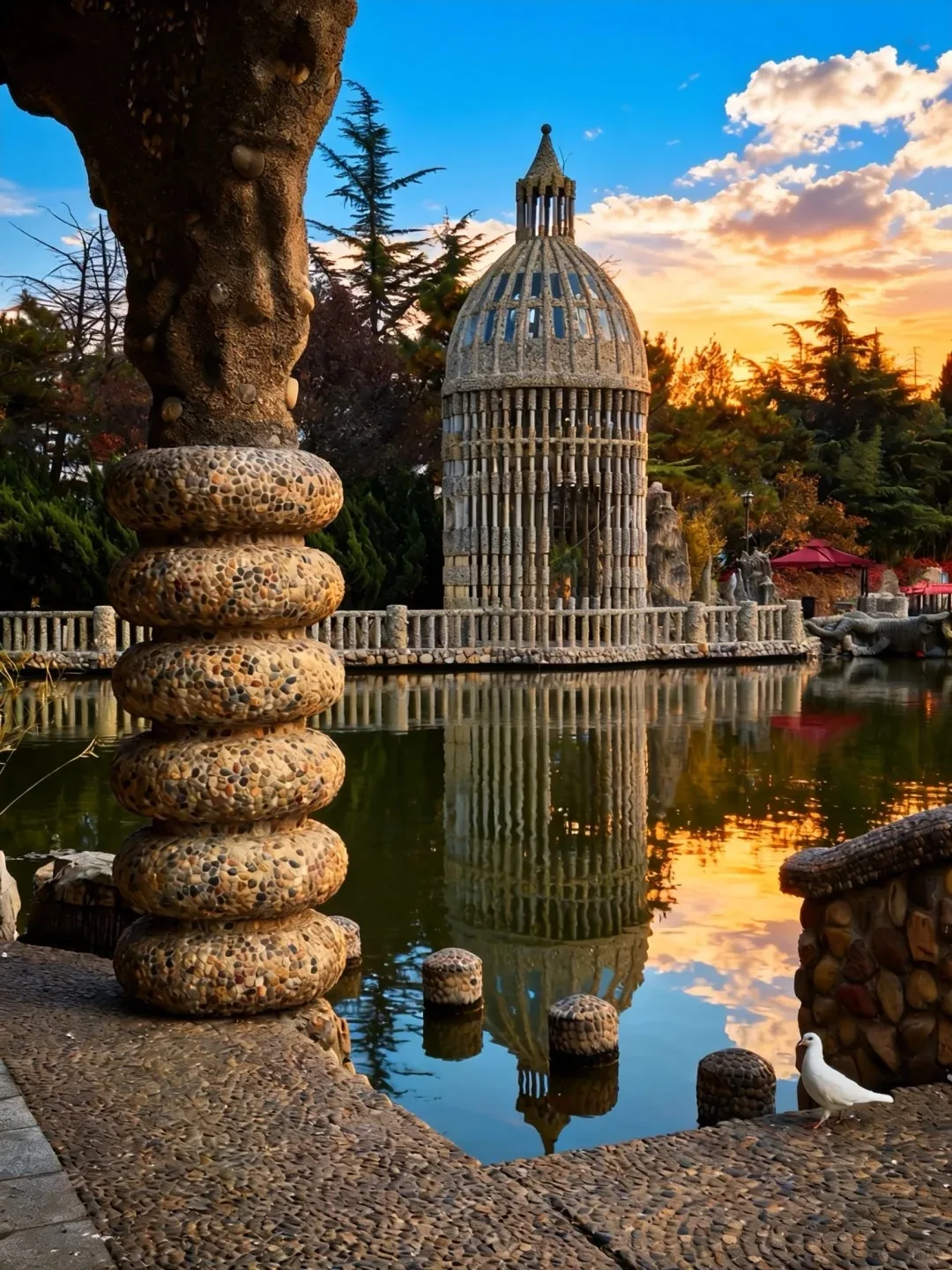
North to Jizhou, hills and water
Tianjin is not only cityscape. North in Jizhou district is another landscape. Panshan is called “the first mountain east of the capital”, rugged and wooded; the Qianlong emperor climbed it many times and left the line “Had I known Panshan, why go south of the river” (folk lore). A 75-yuan ticket, gentle paths, a full day’s hike with old temples, strange rocks and clear springs, and from the top a view of plain and reservoir. Further north, Huangyaguan is the only Great Wall pass within Tianjin, towering on the ridge with majestic watchtowers and winding walls — less crowded than Badaling, but more desolate. Pairing Panshan and Huangyaguan in one trip reveals Tianjin’s little-known majestic side.
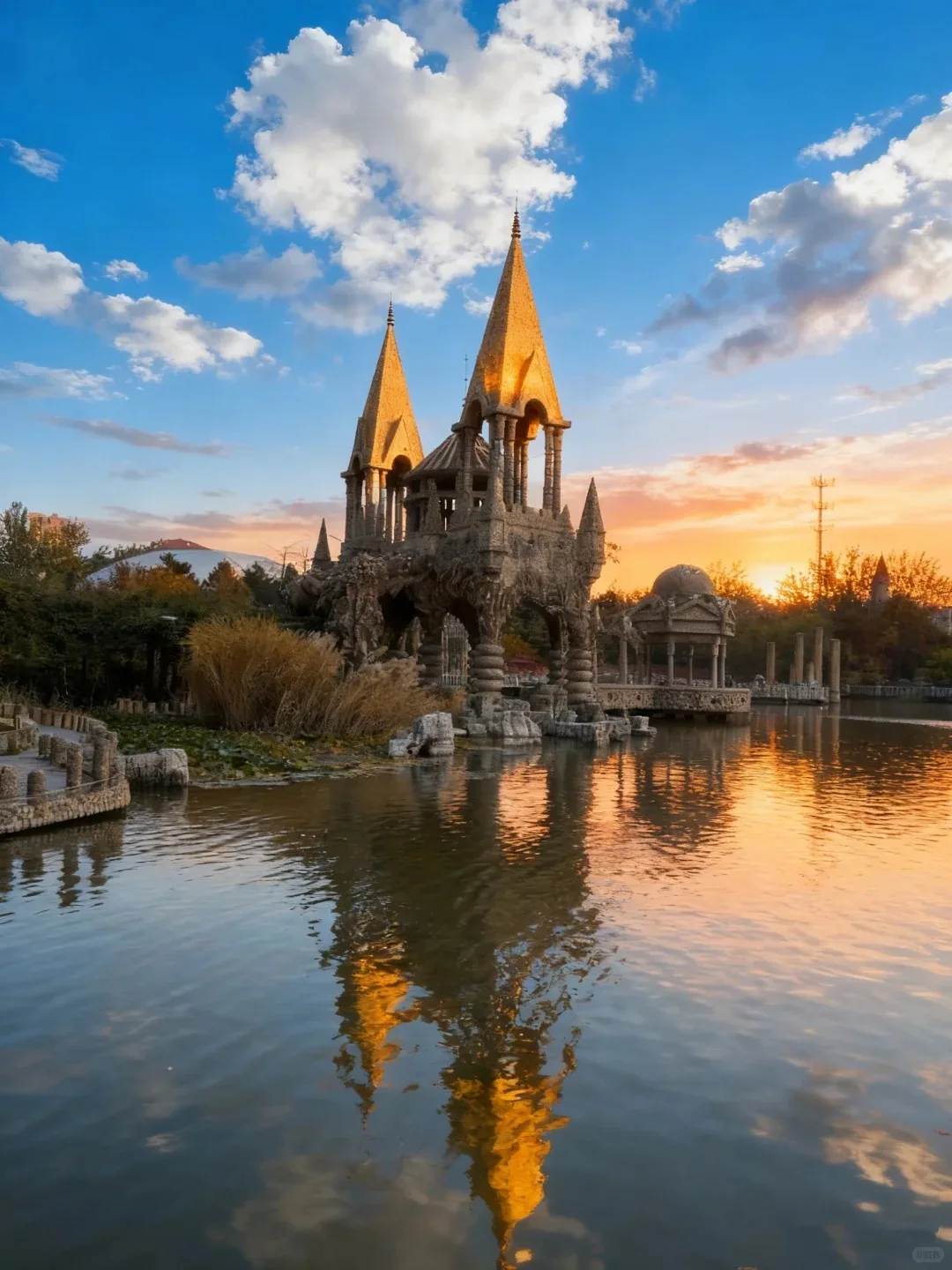
Practical information
- Best season: spring and autumn are pleasant; summer evenings by the river are cool and good for slow walks.
- Getting there: Beijing to Tianjin by the Beijing-Tianjin intercity high-speed rail takes about thirty minutes, an easy day trip.
- Must eat: jianbing guozi, Erduyan fried cake, Goubuli buns, Shibajie fried dough twist.
- Nightlife: crosstalk teahouses are Tianjin’s daily ritual; the riverside night view and the Tianjin Eye are not to be missed.
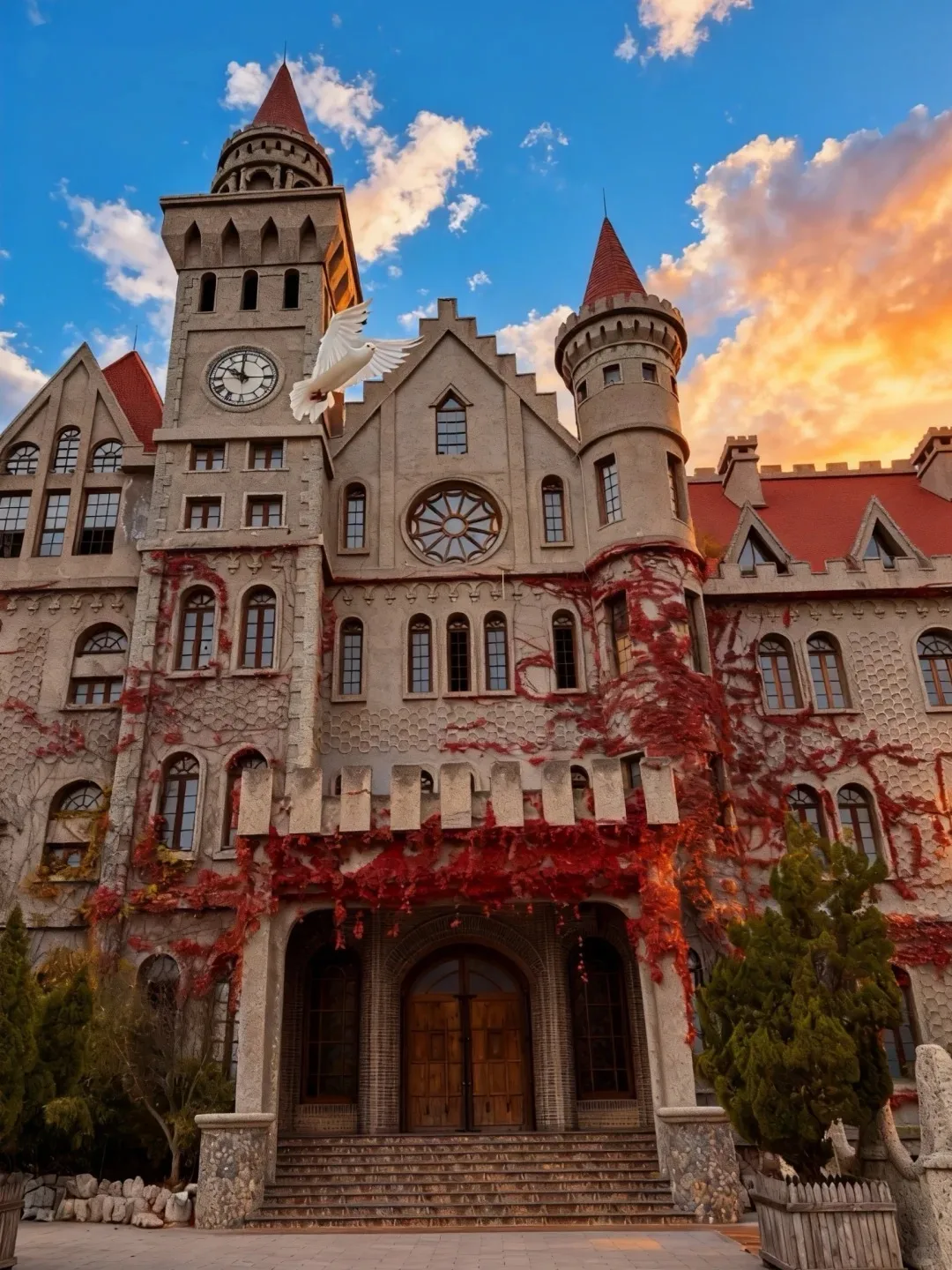
Related reading
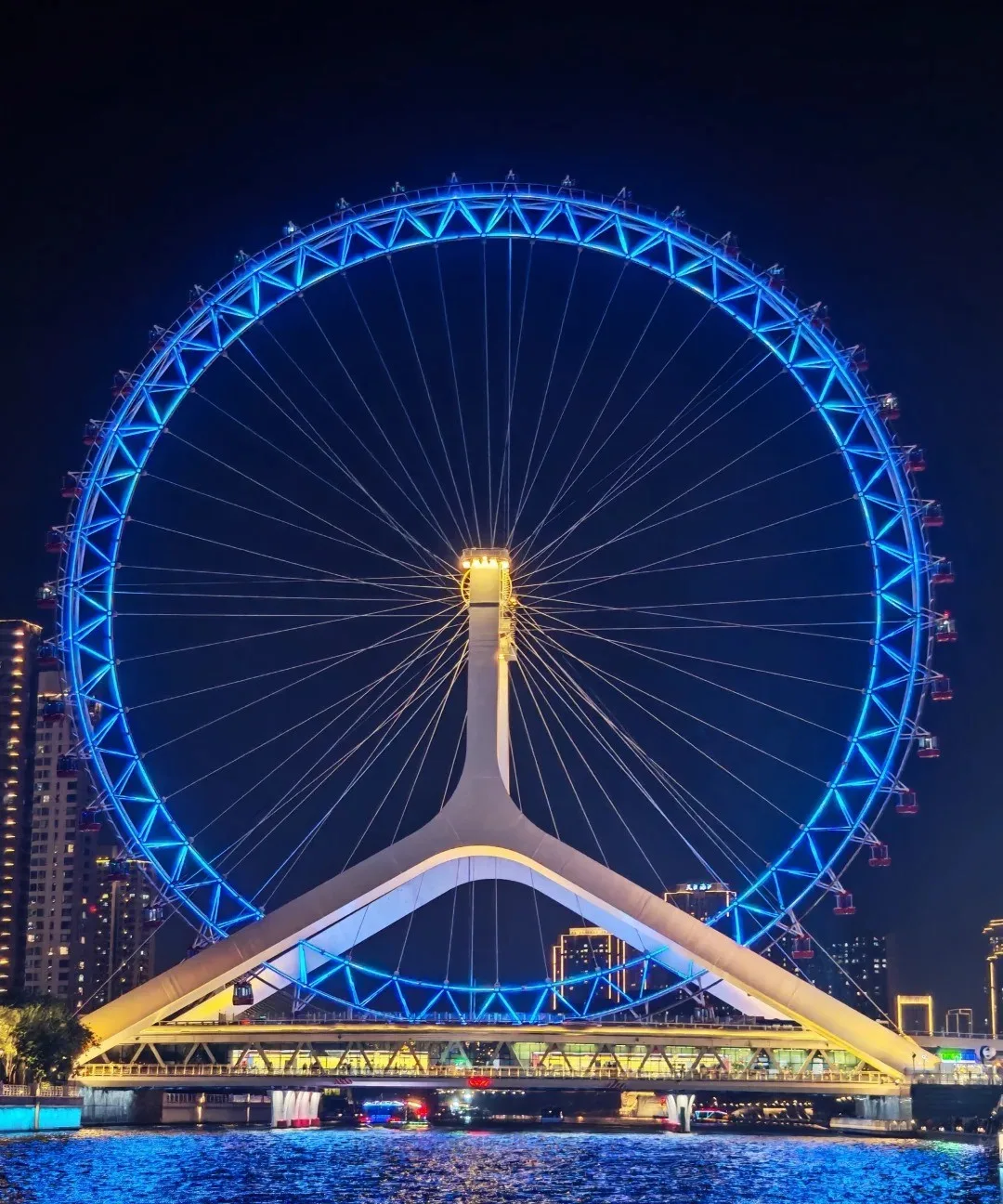
Tianjin Eye: The Ferris Wheel Built on a Bridge
The Tianjin Eye, formally the Yongle Bridge Ferris Wheel, stands at the Three Confluences of the Hai River and is the only ferris wheel in the world built on a bridge. Its 110-metre wheel carries 48 transparent cabins; one turn takes about 28 minutes and the top offers a 360-degree view of the city and river.
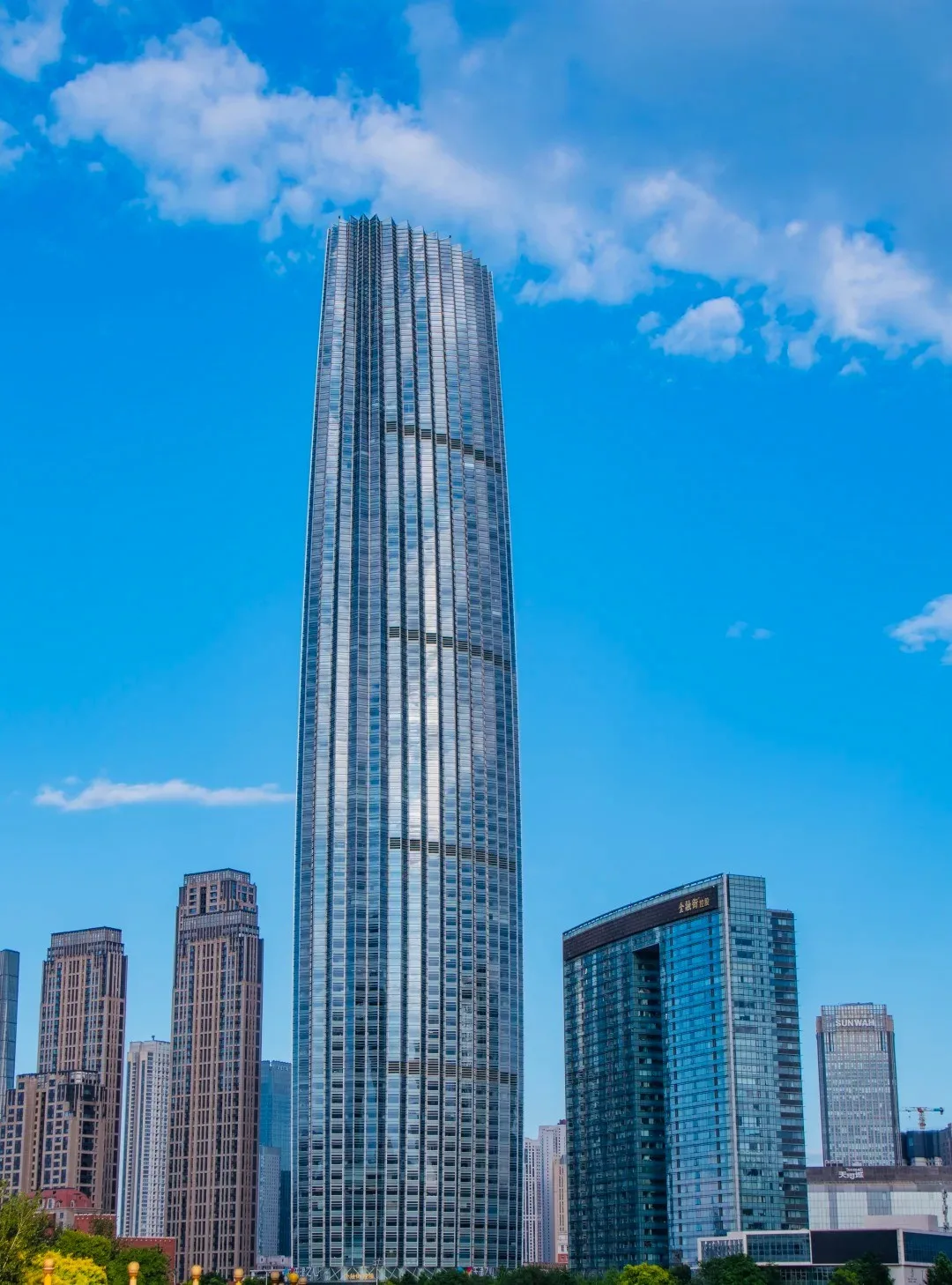
Tianjin Jin Tower: The 336m Landmark by the Hai River and Jinwan Plaza
The Tianjin Jin Tower, or Tianjin IFC, rises 336.9 metres over 75 floors and is the city's tallest building, designed by SOM and completed in 2011. Its base, Jinwan Plaza, opens to the Hai River and is a fine spot to view Tianjin Station and the Liberation Bridge by night.
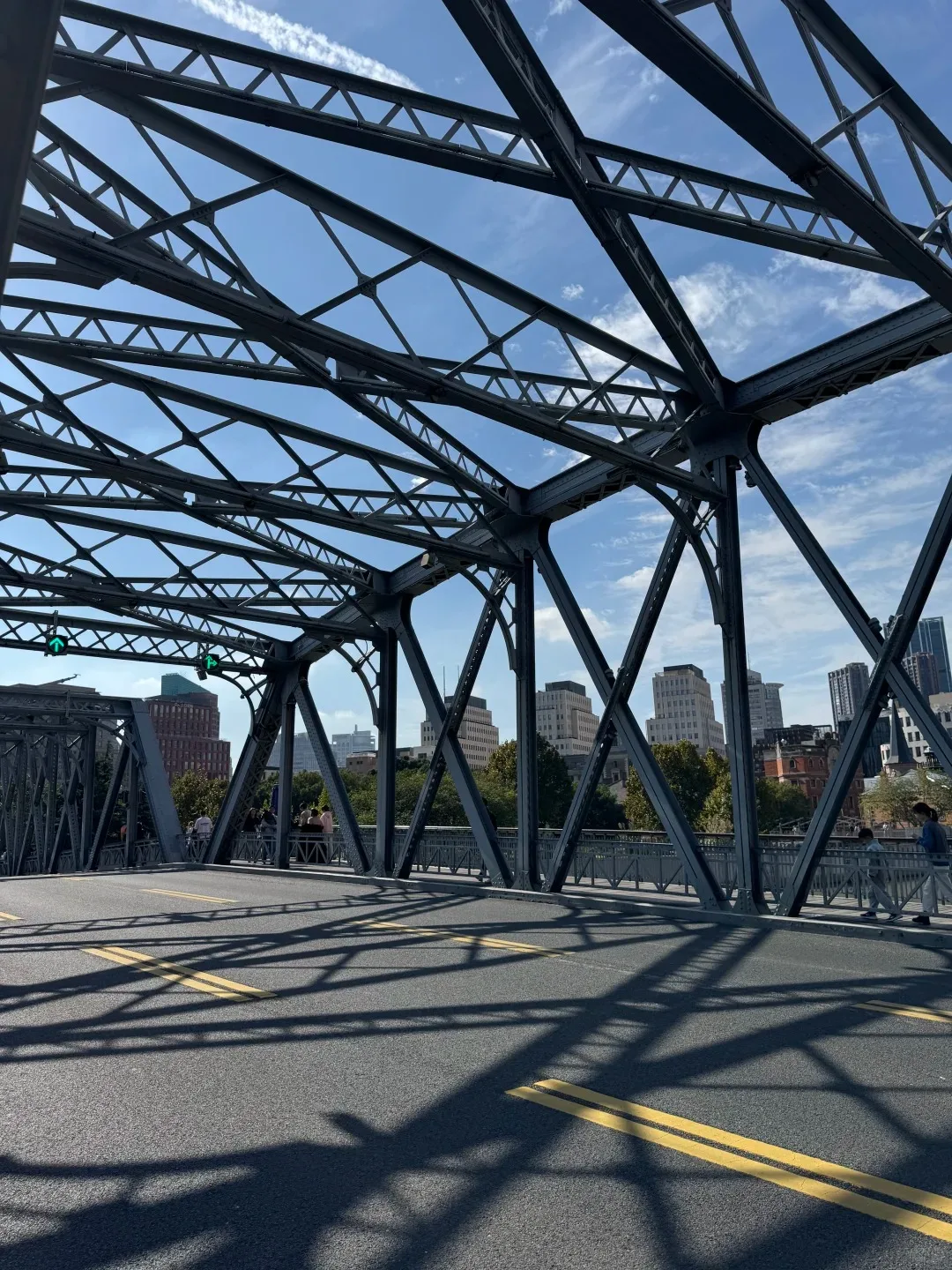
Shanghai: Two Shores of the Huangpu, Foreign Architecture and a Skyline
Shanghai goes by the short form Hu and the old name Shen, sits where the Yangtze meets the sea and belongs to East China. The Huangpu divides the city in two: west, the foreign-built architecture, lane houses and plane-tree streets of the treaty-port years; east, the towers of Lujiazui. From the museum at People Square to the Bund, across on a two-yuan ferry, up to the 546-metre deck of the Shanghai Tower; then turn into the old town for Ming rockeries at Yu Garden, the nine-turning bridge at the City God Temple, or an afternoon in the narrow lanes of Xintiandi and Tianzifang.
China's Administrative Divisions & City Tiers Explained
China has four administrative levels: provincial (23 provinces, 5 autonomous regions, 4 municipalities, 2 SARs) → prefecture-level cities → county-level → townships. Beijing, Shang
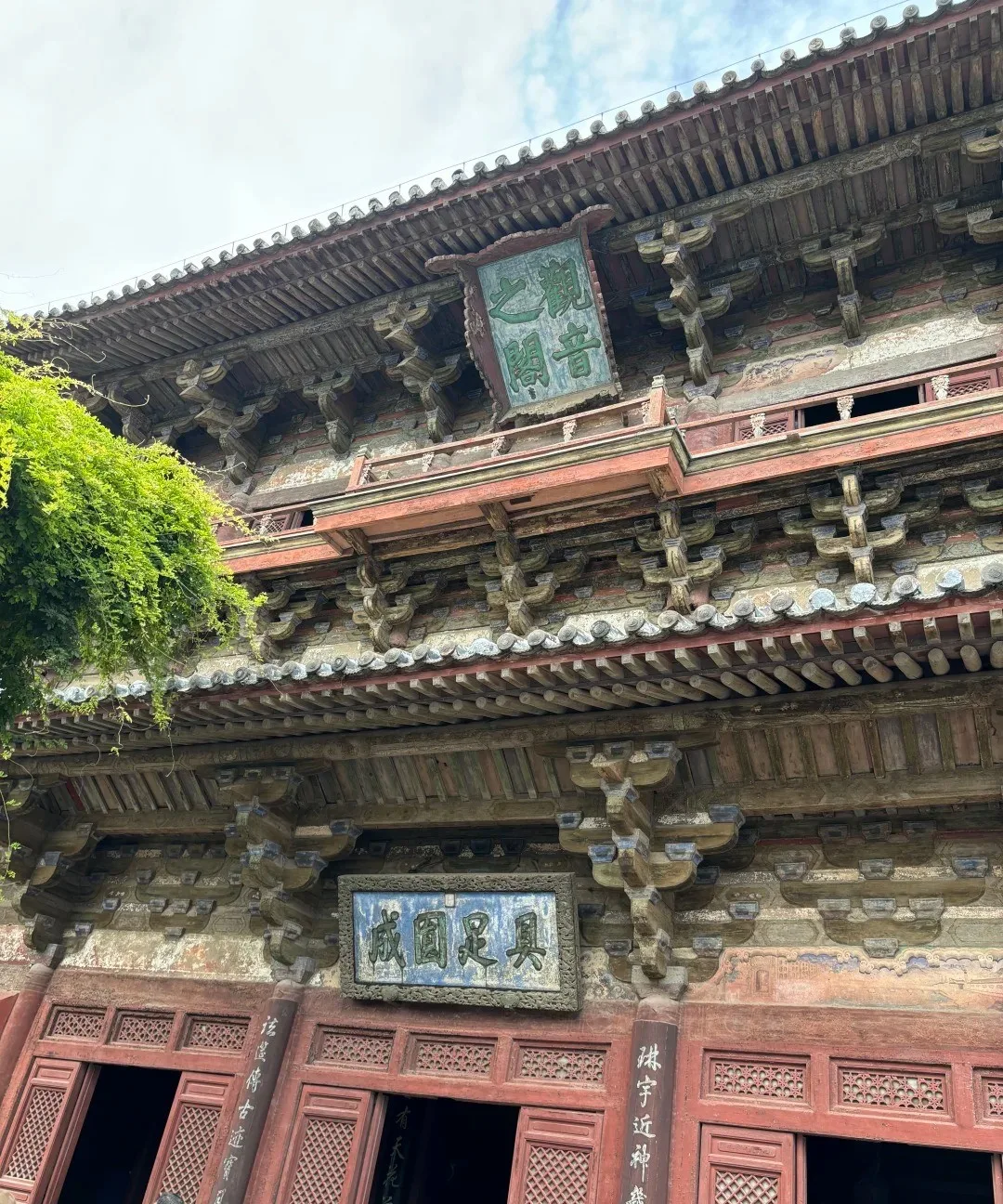
Dule Temple: The Liao-era Guanyin Pavilion Liang Sicheng Called a Priceless Treasure
Dule Temple, also the Great Buddha Temple, stands in Jizhou, Tianjin, among the oldest surviving wooden high-rise pavilions in China and one of its three great Liao-dynasty monasteries. Its heart, the Guanyin Pavilion, rises 23 metres and shelters a eleven-faced clay Guanyin 16 metres tall — the largest ancient clay Guanyin image extant. The architect Liang Sicheng called it a priceless treasure.