 Travel Notes
 Temple of Heaven: Where the Square and the Circle Met
East of the Yongdingmen inner avenue in Dongcheng district there is a quiet patch screened by cypress. For the Ming and Qing dynasties the emperor came here every winter solstice to worship Heaven and every spring to pray for a good harvest; nobody else was allowed near. UNESCO inscribed it in 1998 as “a masterpiece of human art,” and added that its architecture and landscape planning “exercised a profound influence on building and planning in the Far East.”
Numbers and rules
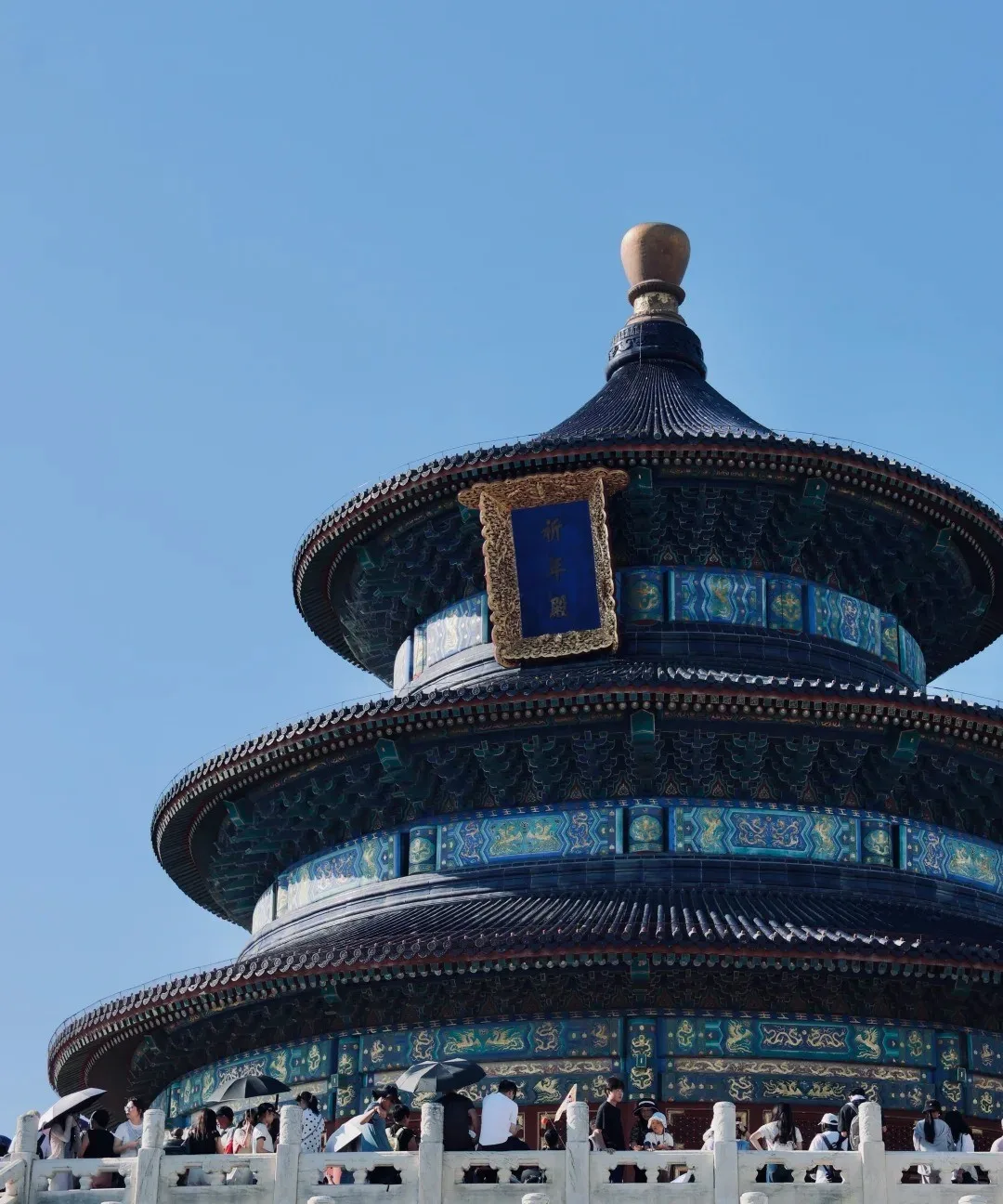
First built in 1420, it covers some 273 hectares — a little over four thousand Chinese acres. Two walls enclose it, the outer one forming a squared outline with a closed central court, while the inner wall is round at the north and square at the south: the sky is round, the earth is square. Six structures matter: the Hall of Prayer for Good Harvests, the Circular Altar, the Hall of Heavenly Compassion, the Fasting Palace, the Bureau of Musical Rites and the slaughterhouse. In 1961 it was named a national heritage site, first batch.
From honouring heaven and earth together
In the Yongle years the complex was called the Altar of Heaven and Earth. The original Hall of Great Ritual was not round at all: eleven bays wide, rectangular, crowned with yellow glazed tiles, and used for sacrificing to heaven and earth in one service.
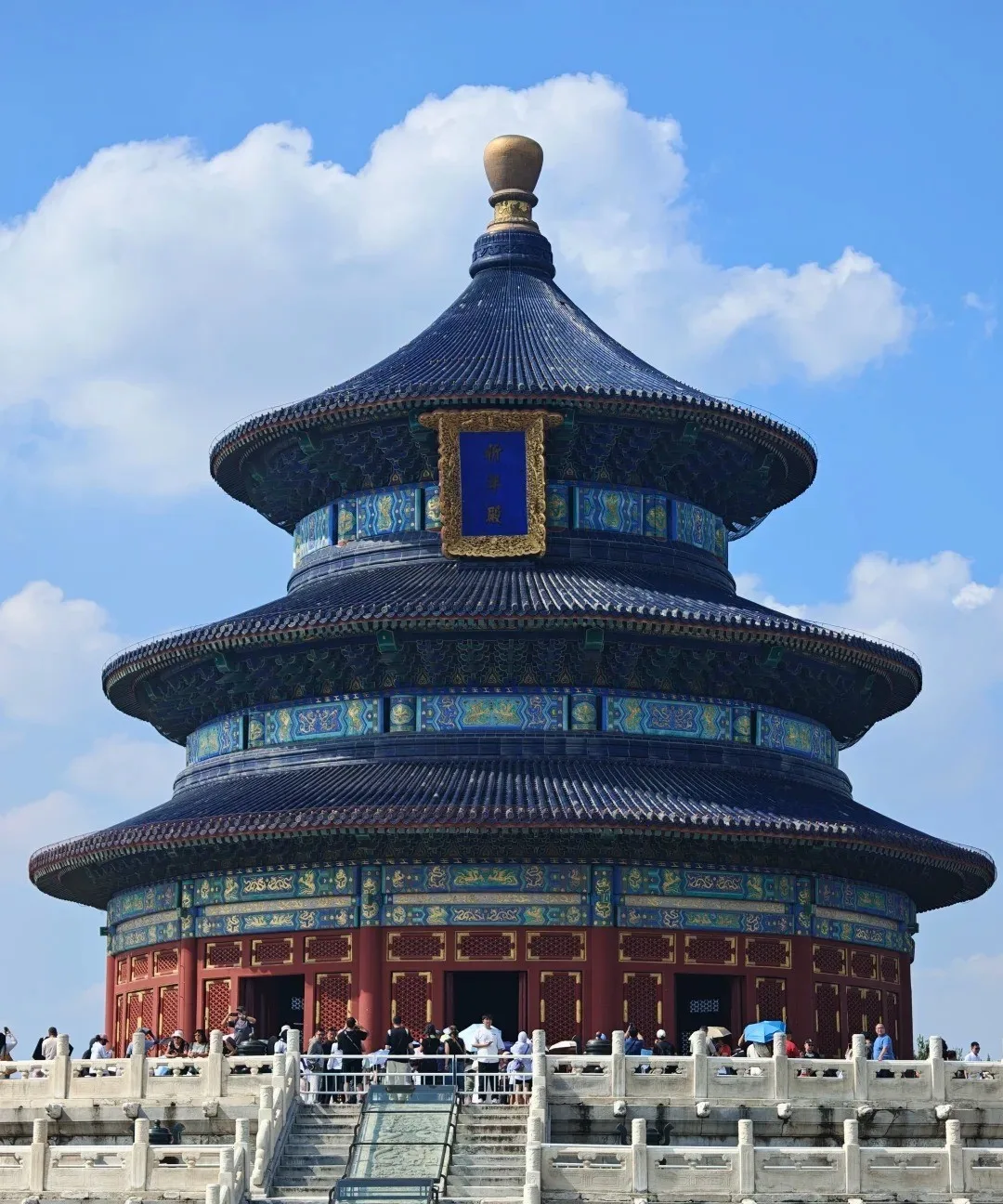
The turning point came under the Jiajing emperor. In 1530 he reinstated the older practice of worshipping the two separately — the earth altar was built out at the northern suburb, the existing altar was re-tasked with Heaven alone, and to the south of the great hall a new open-air three-tier circular stone altar appeared, the Circular Altar, for the winter solstice rite. In 1538 the great hall was rebuilt as a three-eave circular building and renamed the Hall of Grand Harvests, used for the spring prayer; its three roof tiers carried blue, yellow and green glaze in turn, representing heaven, earth and all things. That fixed the layout “prayer for grain at the north, altar at the south.”
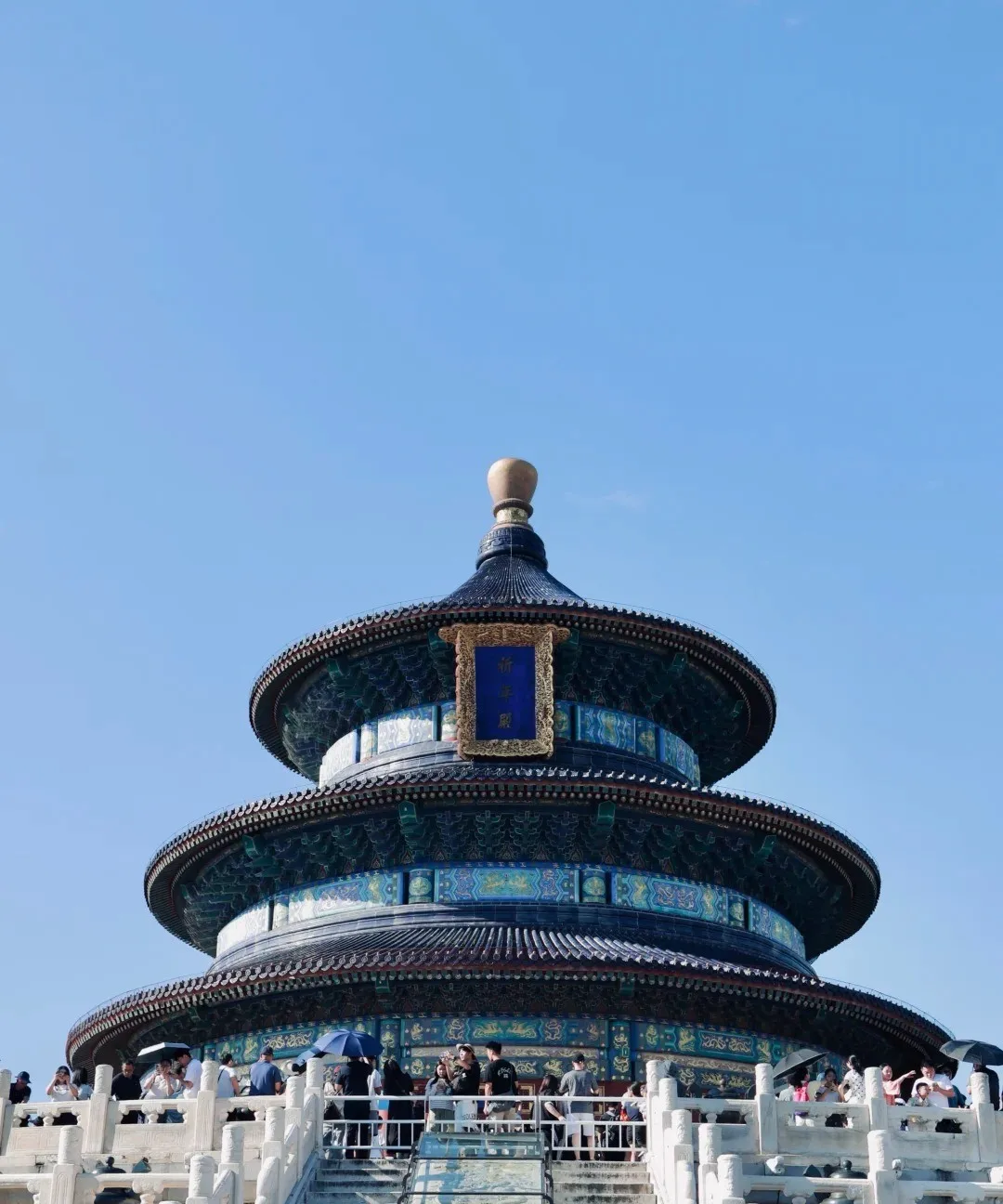
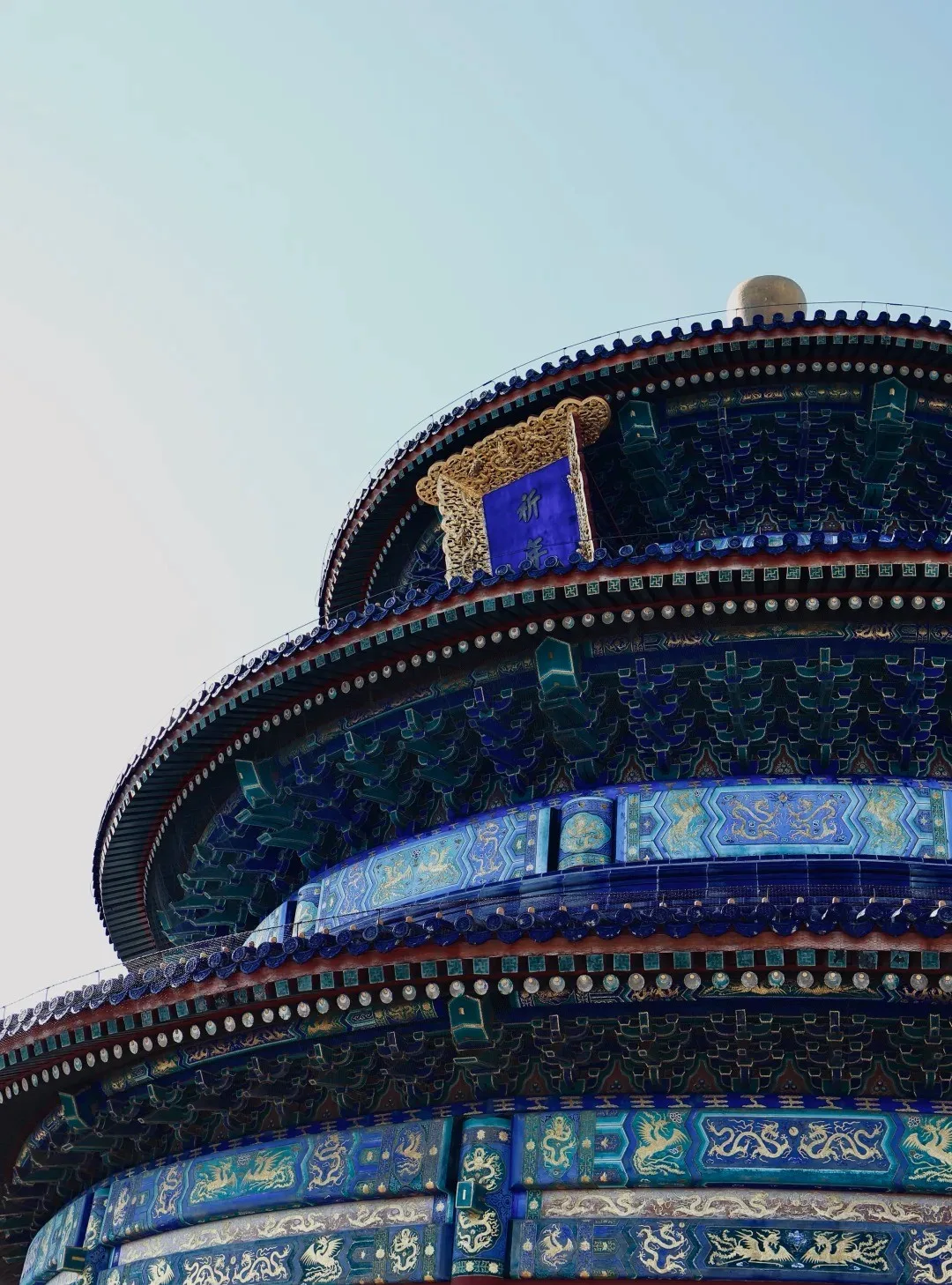
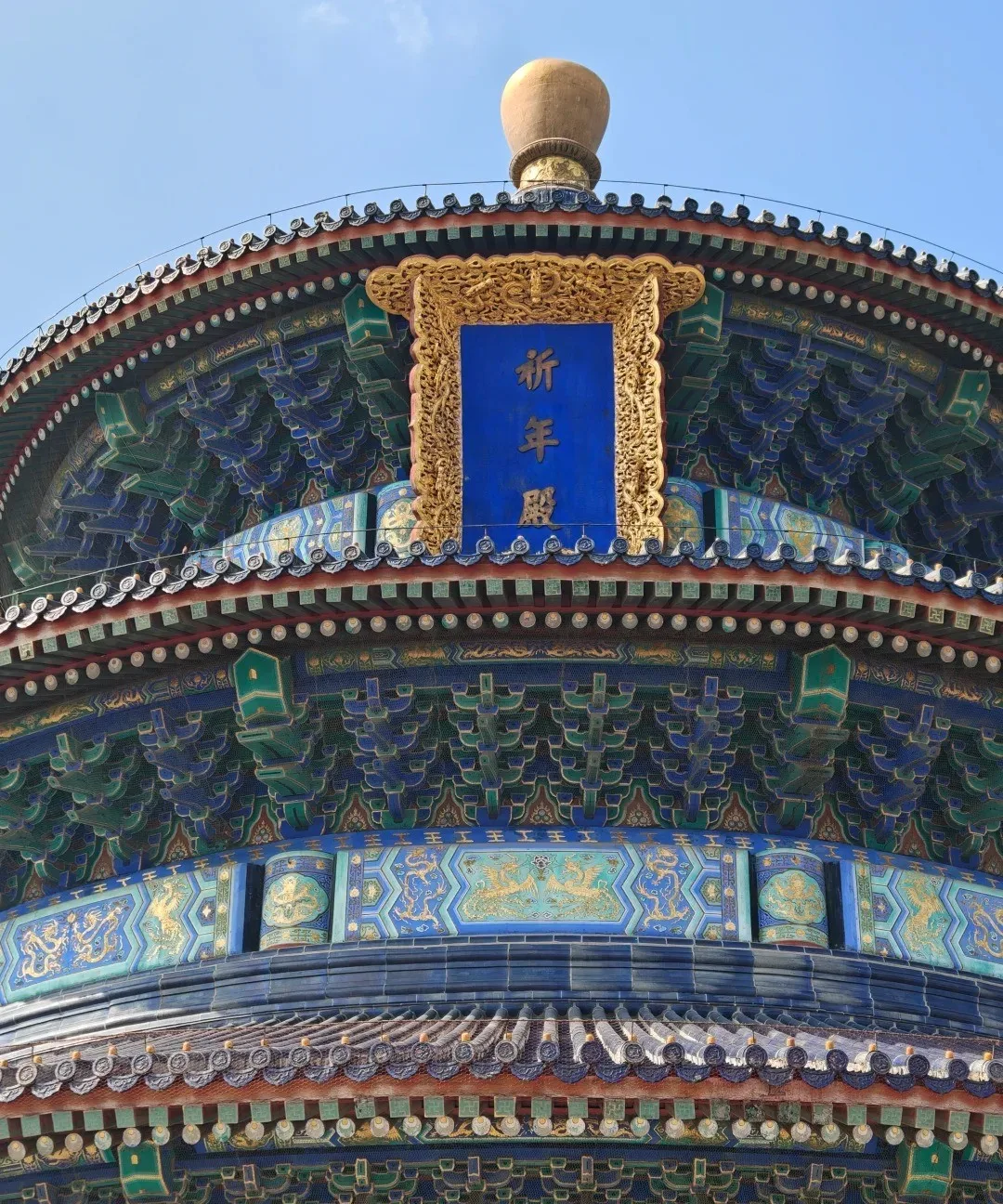
The Qing inherited the whole rite. The single largest change came in 1751, during the Qianlong era: the hall was renamed the Hall of Prayer for Good Harvests and all three tiers were reglazed in blue, to make Heaven unmistakably supreme. Around the same time the Circular Altar’s platforms, balustrades and posts were recalibrated so that their dimensions and counts are all multiples of nine, and the platform stones were replaced with blue-grey marble quarried near Beijing. The Hall of Heavenly Compassion and the Fasting Palace were enlarged and repaired too.
The hall of prayer: an arithmetic of thirty-two columns
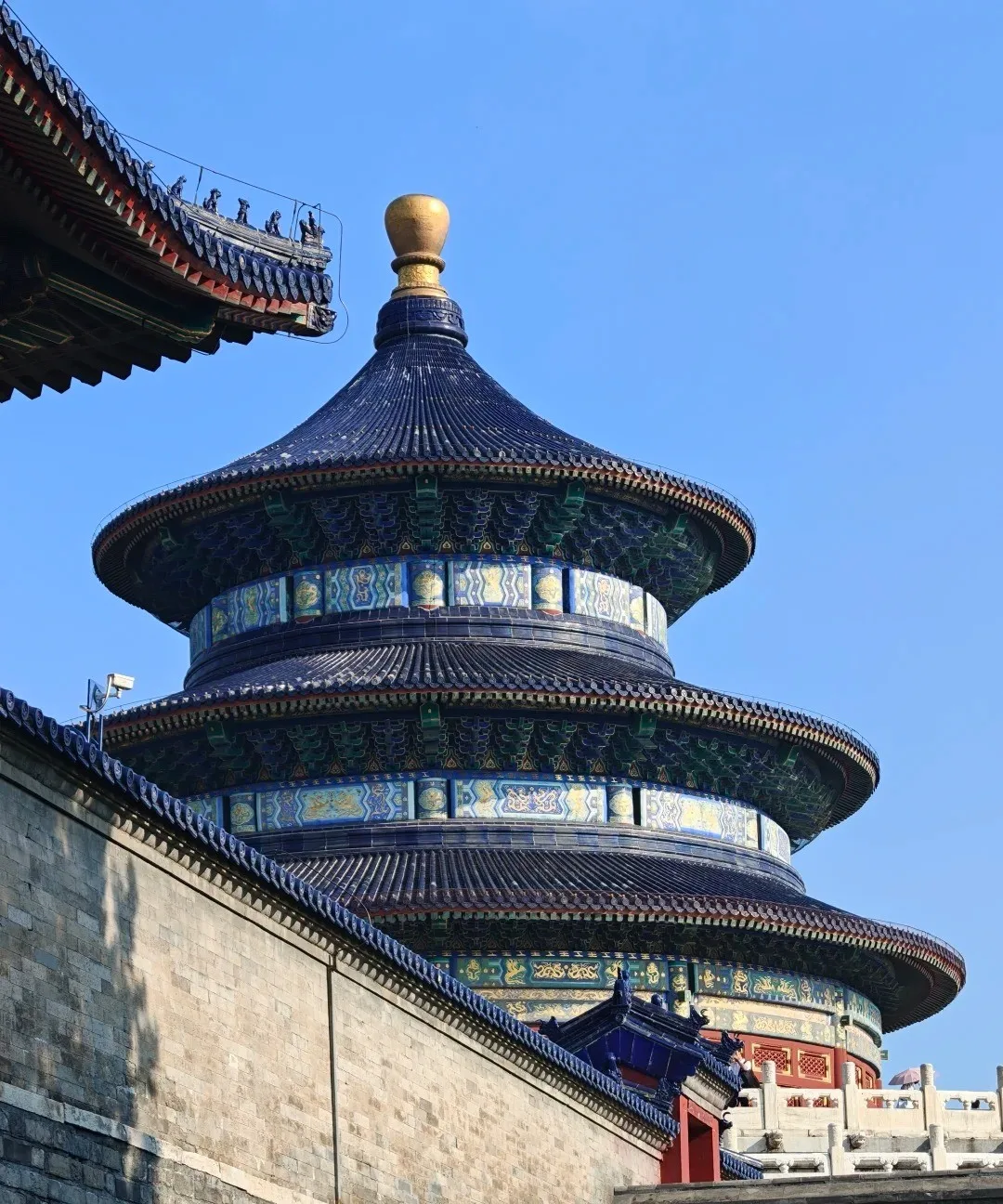
Three eaves, circular, roughly 32 metres across and 32.8 metres tall, carried on thirty-two nanmu columns — four giant central ones, twelve gold columns and twelve eave columns, which add up to twenty-eight and match the twenty-eight lunar mansions. Blue glazed tile from base to ridge, and nothing but blue above the sea of cypress. It is worth walking around once.
The altar and the wall that carries sound
The Circular Altar to the south is an open three-tier stone terrace. The round slab at its centre is the taiji stone; stand on it and speak, and the balustrades bounce your voice back so strongly it seems amplified. North of it stands the single-eave round Hall of Heavenly Compassion, ringed by the famous Echo Wall — whisper from one side and the person on the other hears you clearly, because sound travels along the curved surface. Nobody left a formula for it.
One bridge and a piece of protocol
Heading north from the altar you cross the Royal Bridge: three metres high, some thirty wide, and a long stone causeway. Ming and Qing emperors fasted and bathed before the rite and walked this bridge in silence. The cypresses beside it are older than the buildings, and walking under them lowers your voice without asking. On the first and fifteenth of each month it opens to the public, and Beijingers turn up to sing, play chess and do tai chi. Sacred ground and public square share the same mornings here.
Practical information
- Hours: April–October, gates 6:00–21:00, sites such as the Hall of Prayer, Echo Wall and Circular Altar 8:00–17:30; November–March, gates 6:30–21:00, sites 8:00–17:00. Sales stop an hour before closing, entry thirty minutes before.
- Tickets: 34 yuan combined / 15 yuan gate in season; 28 / 10 off-season. Students, seniors and military personnel pay half or enter free — check the park’s official notice.
- Getting there: Metro Line 5 to Temple of Heaven East (exit A2), or Line 8 to Tianqiao (exit C). Buses 6, 34, 35, 36, 72, 106 and 110 stop at the north or south gate.
- Driving: parking around the park is scarce; take public transport.
- Tip: come on a weekday morning for empty photography, or on a weekend dawn to hear the locals sing.
Related reading
Ming Tombs: Thirteen Emperors in One Mountain Basin
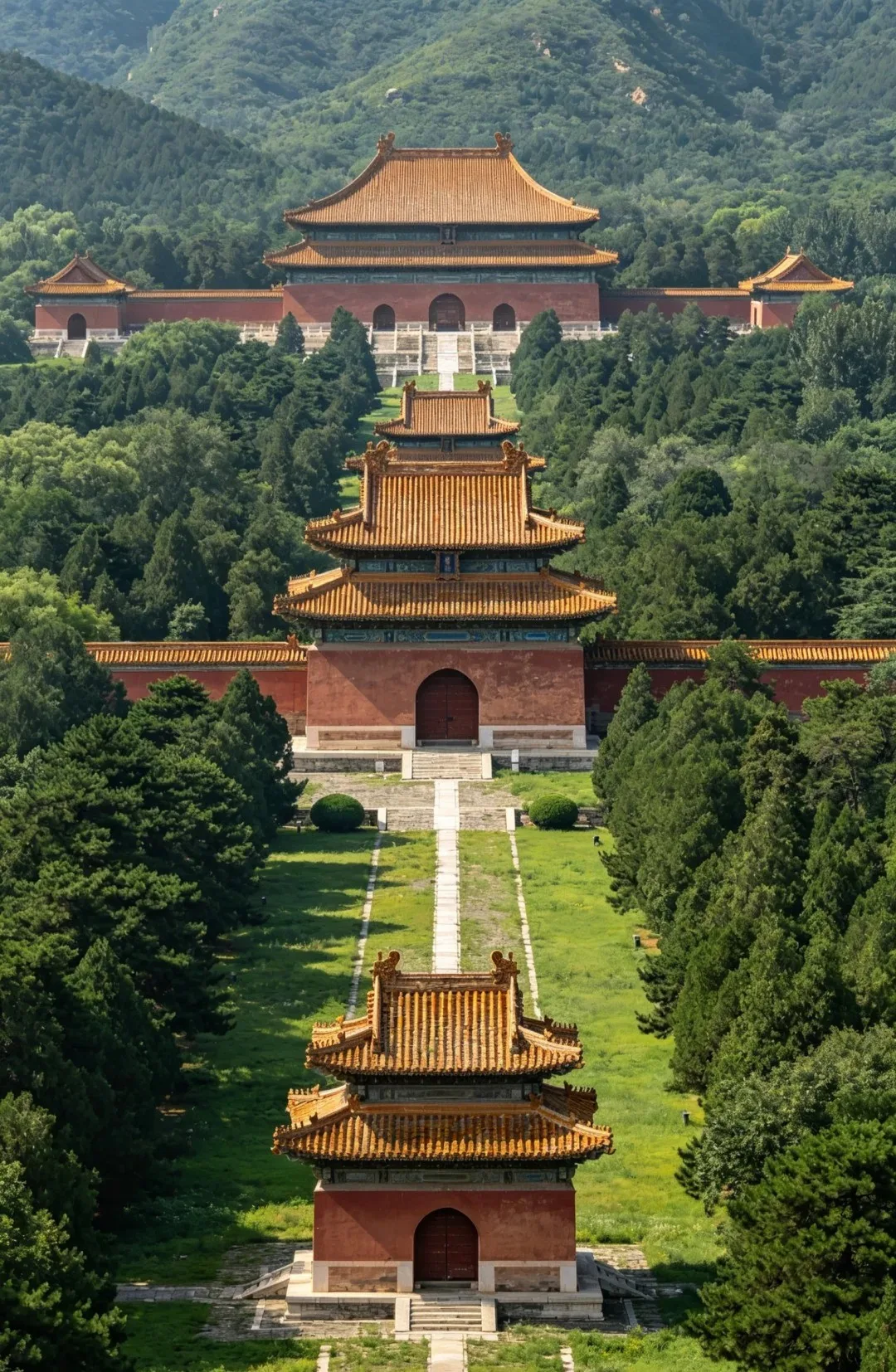
In a forty-square-kilometre basin south of Tianshou Hill lie thirteen emperors of the Ming: the founder's son who moved the capital, the ruler who held no court for twenty-eight years, the last one who hanged himself on Coal Mountain. One stone sacred way, lined with carved animals, links all thirteen.
Summer Palace: A Southern Landscape Transplanted to the North
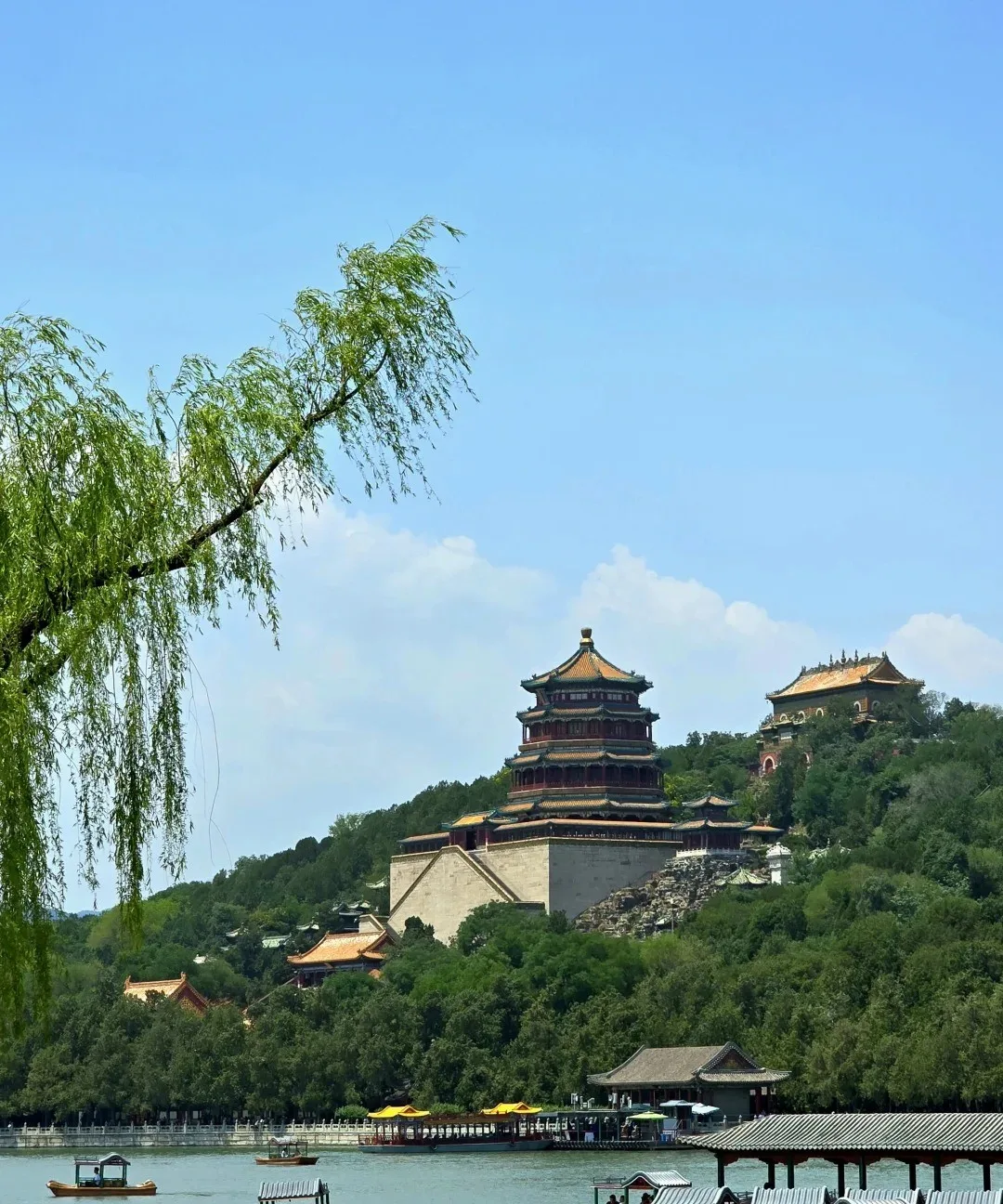
Trying to honour his mother's sixtieth birthday, the Qianlong emperor reworked the western water system and in the process left behind three hundred hectares of lake in north-west Beijing. The long corridor runs 728 metres, Kunming Lake covers 220, and everything else is rockery, colonnades and a stubborn idea of the south.
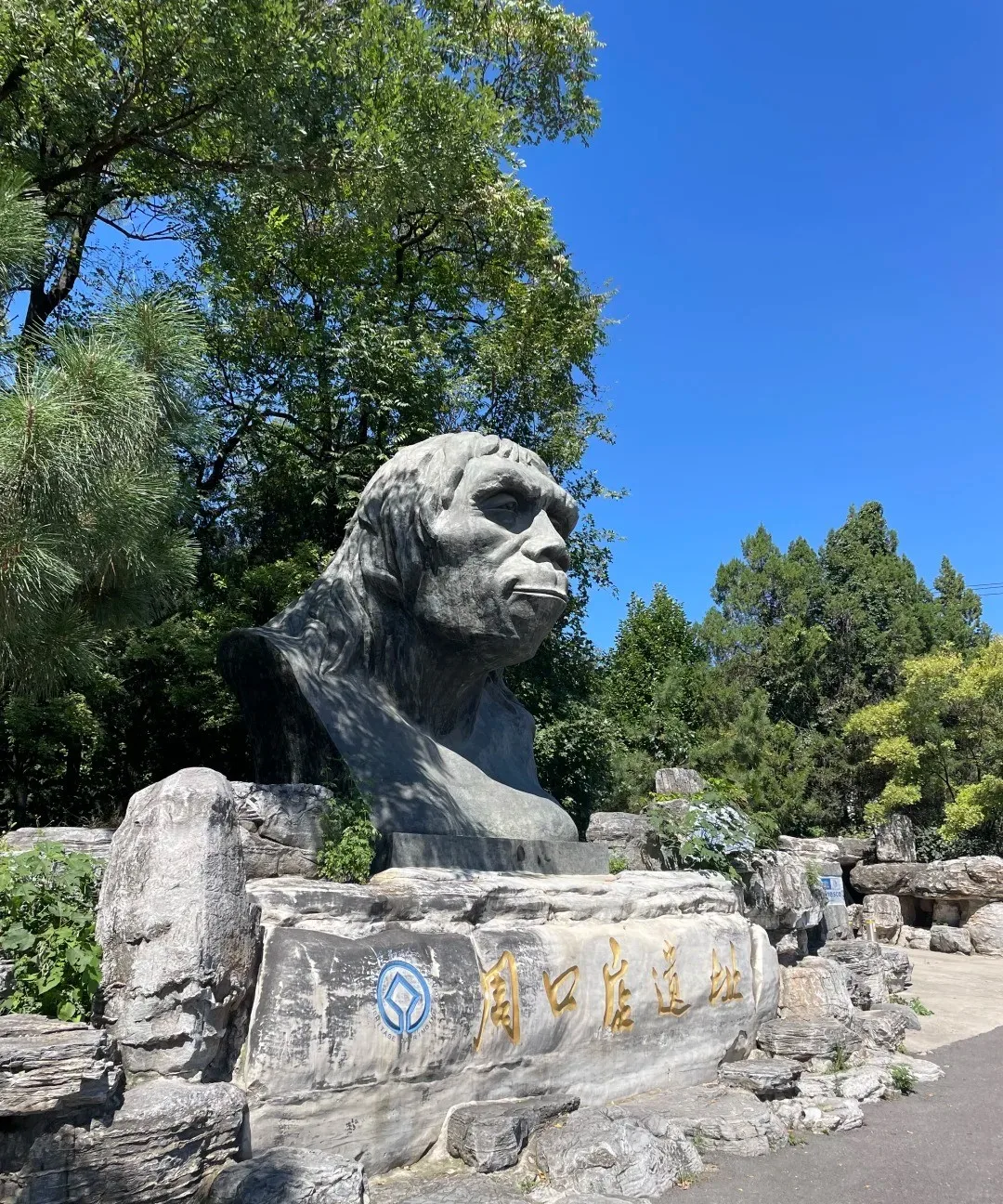
Zhoukoudian Peking Man Site: The First Spade Back in 1929
Beneath a cave on Longgu Shan, some forty metres of silt have built up layer by layer, and the Peking Man skulls sit in level eleven. On 2 December 1929 Pei Wenzhong lifted out the first complete one. In 1941 the collection vanished in the fighting.
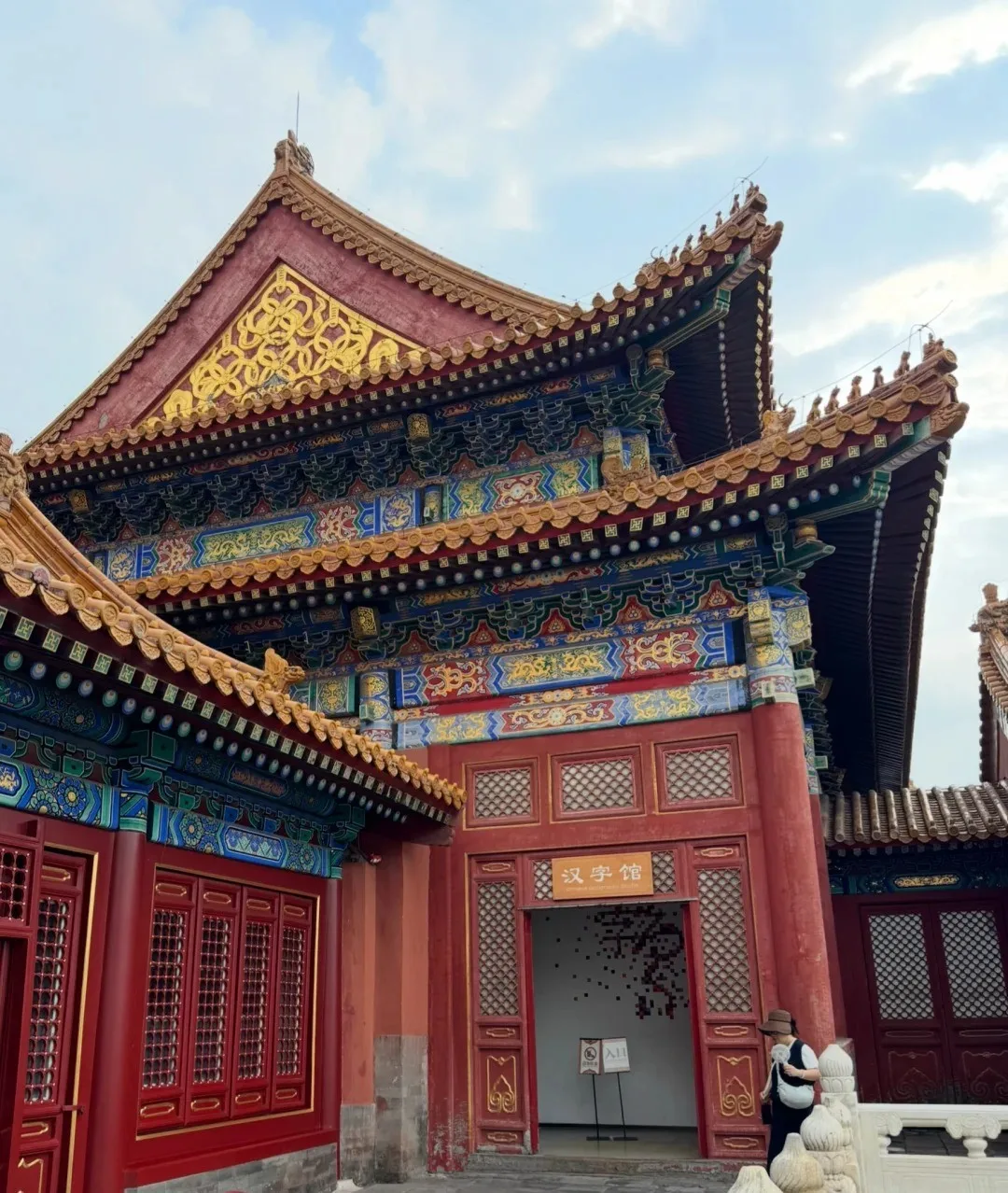
Forbidden City: A Wooden City Standing on Beijing's Central Axis
For two dynasties, China piled its most expensive timber, its longest central axis and its strictest rituals inside one walled rectangle. The Forbidden City grew out of a single decision to move the capital north, burned down four times, was rebuilt four times, and today is still the quietest large courtyard in Beijing.
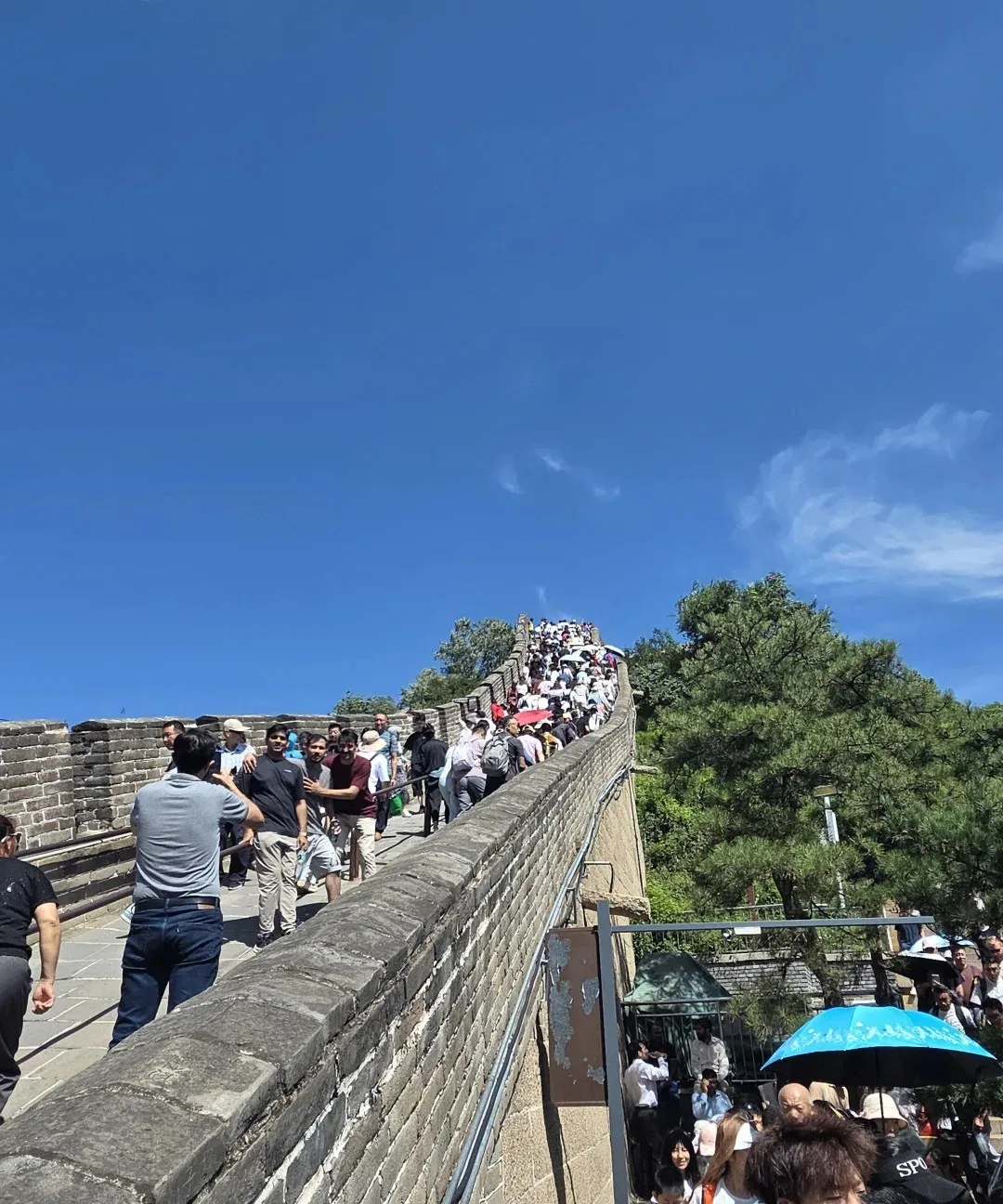
Badaling: The Pass Worth Climbing, and the Trait It Cut Through
A pass at a thousand metres, a Ming section of wall, 3,741 metres of rampart and nineteen beacon towers. Badaling is neither the longest nor the most dramatic stretch of the Great Wall — but it was the first to open to visitors, which is why six centuries later almost everyone recognises this particular frame.