 Travel Notes
 Shanghai: Two Shores of the Huangpu, Foreign Architecture and a Skyline
What kind of city Shanghai actually is
Shanghai goes by the short form Hu and the old name Shen. It stands where the Yangtze meets the sea, faces the East China Sea and belongs to East China. The Huangpu cuts through the built-up area and splits the city softly in two: west of it the old houses, lane houses and plane-tree streets left by the treaty-port years, east of it a whole wall of glass. It is one of the four municipalities and one of the largest port cities in the country. Most first-time visitors get hit by a very specific disorientation — a nineteenth-century church with a twenty-first-century concept store in the next doorway.
The river is less a border than a seam in time. The west bank narrates the past, the east bank argues for the future. Visitors start out dazzled, and what actually stays with them is, much later, the smell of fried bun and hot oil on a lane corner one morning.
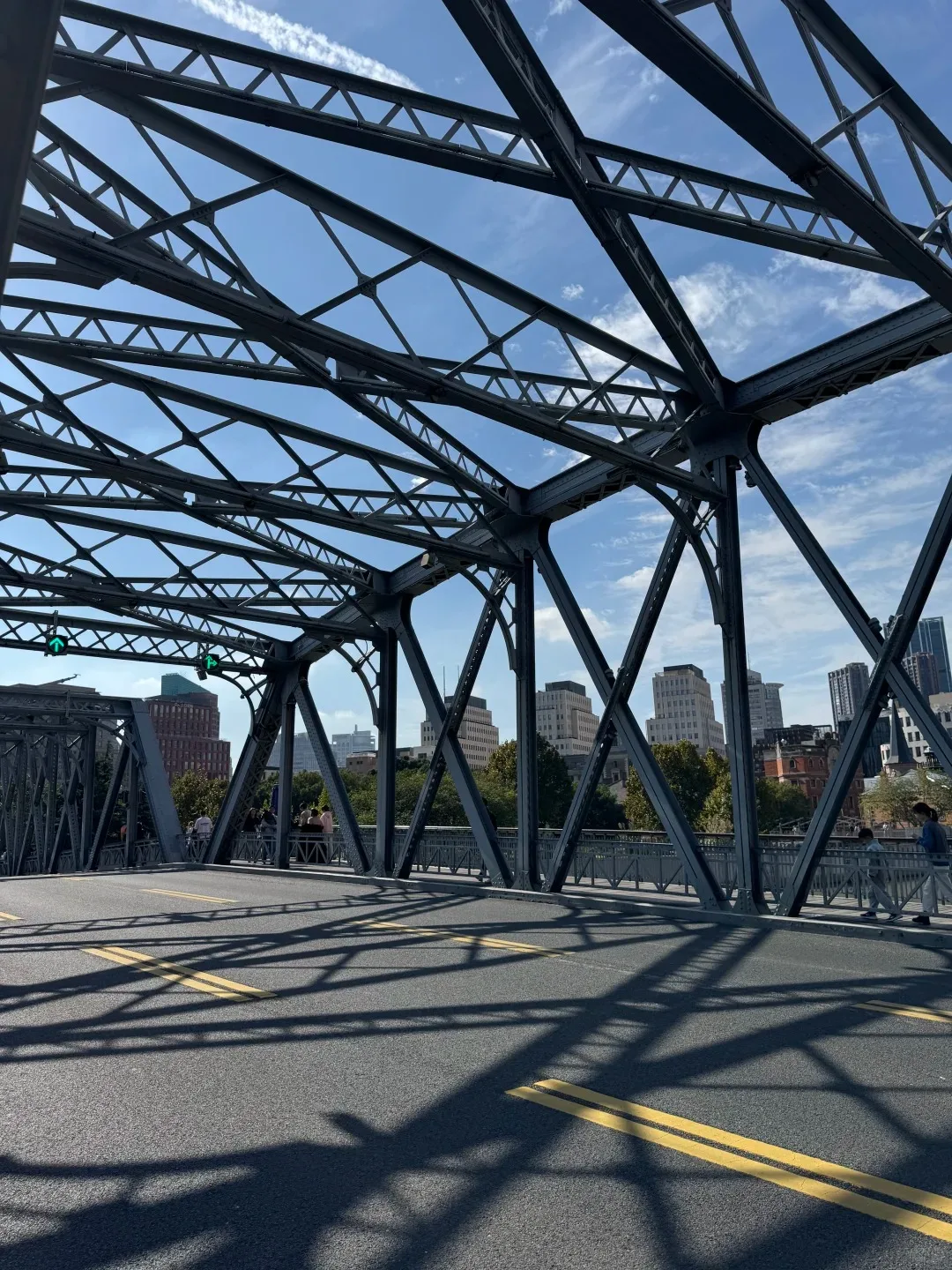
People’s Square: start at the museum
Most itineraries begin at People’s Square. The Shanghai Museum sits here, free but by reservation, with the bronze gallery and the gallery of classical painting as its two anchors — the great Da Ke Ding ritual bronze and a run of authentic scrolls under very quiet light. Two or three hours is exactly right, and when you step back out the glass canopy of the Shanghai Grand Theatre is right above you. The urban planning hall next door is a cheap way to understand how the city grew into this.
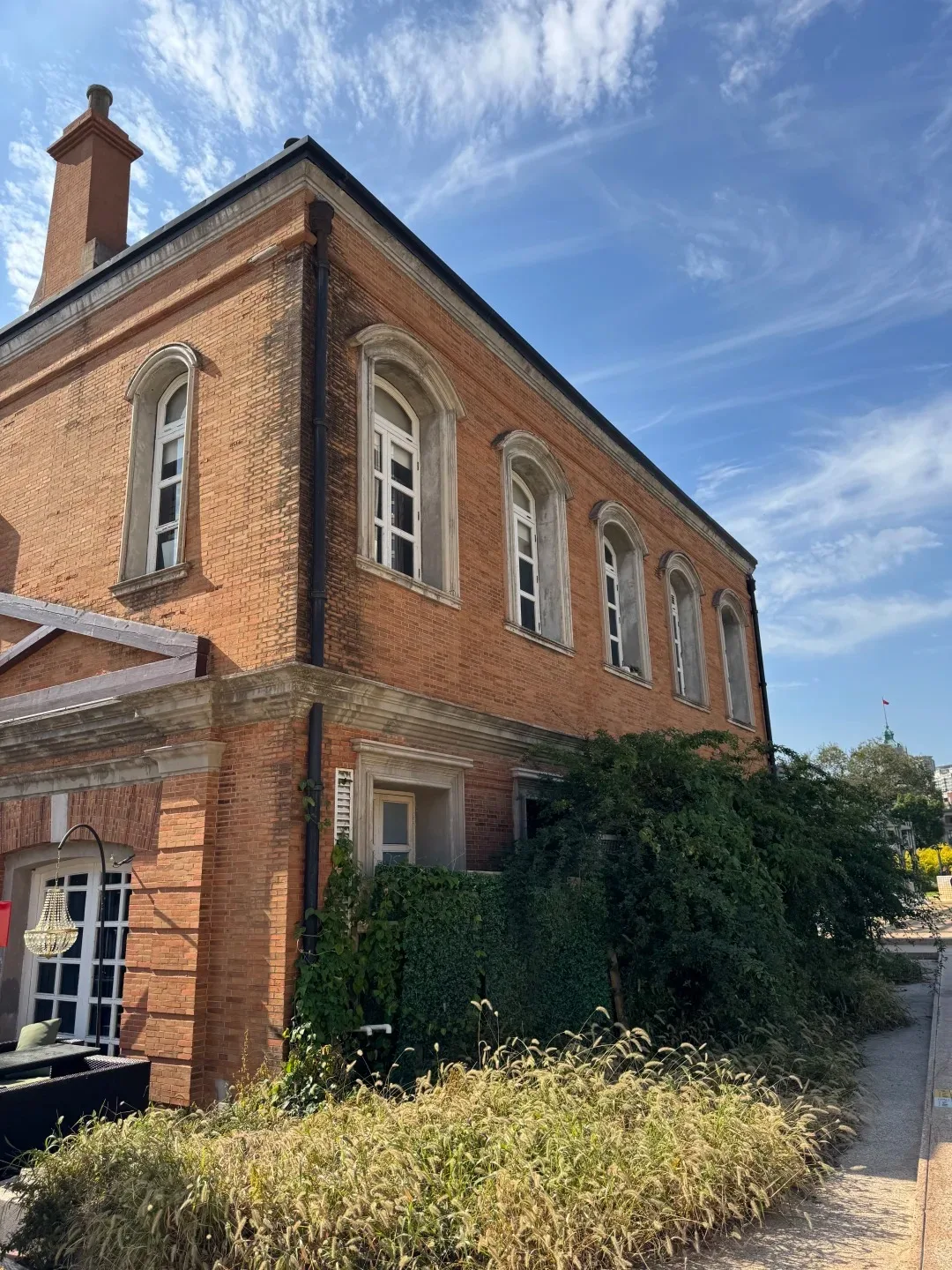
Nanjing Road: one street, a century of commerce
East from People’s Square is the Nanjing Road pedestrian mall, known as China’s first commercial street. The old department stores, Yong’an and Xianshi among them, are still in place, their façades not quite scrubbed of an earlier century while the windows show this season’s goods. The paving is polished by decades of feet and the crowd never really thins. The road simply runs east and ends at the Bund, the most famous stretch of riverfront in the city.
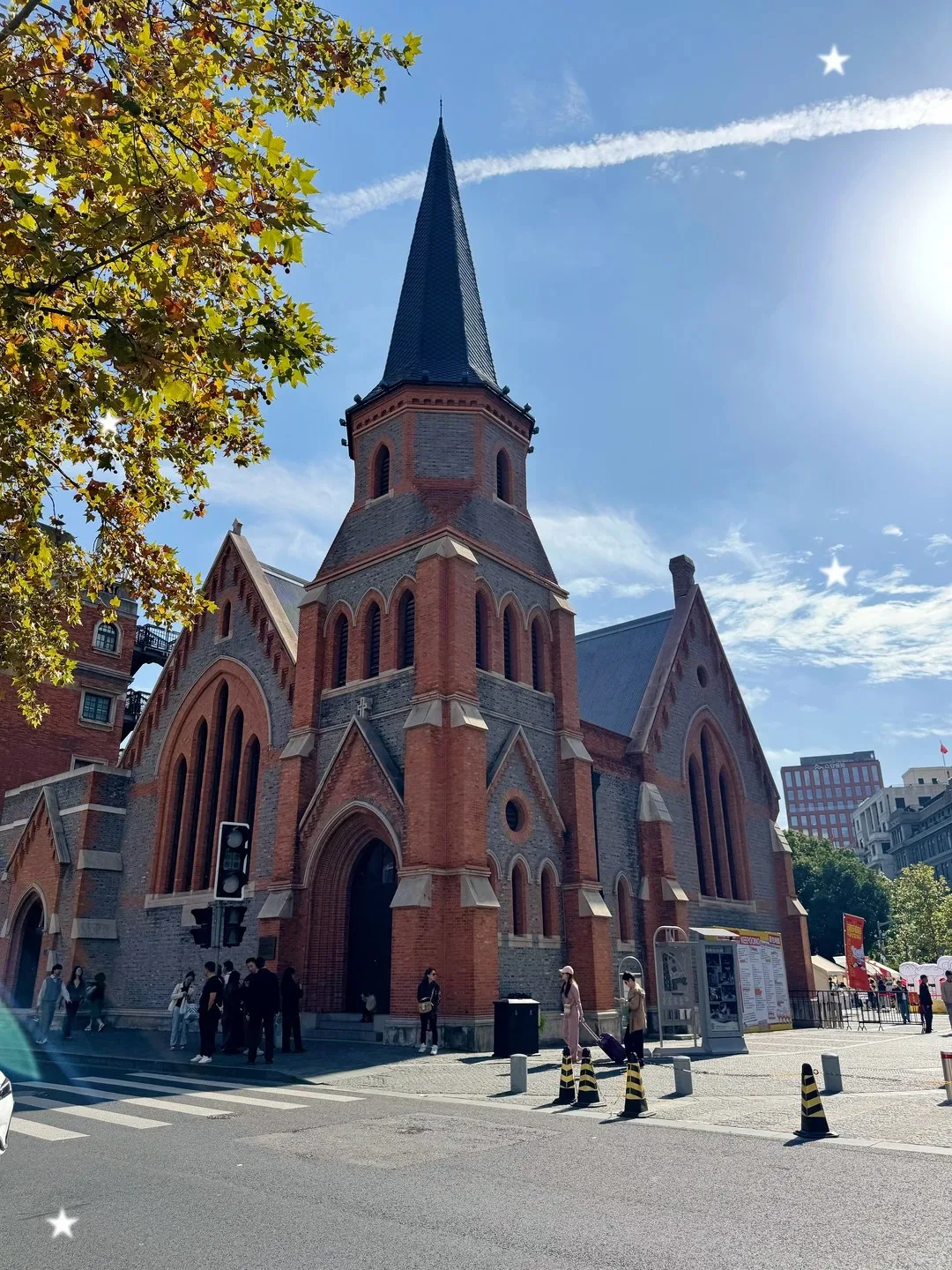
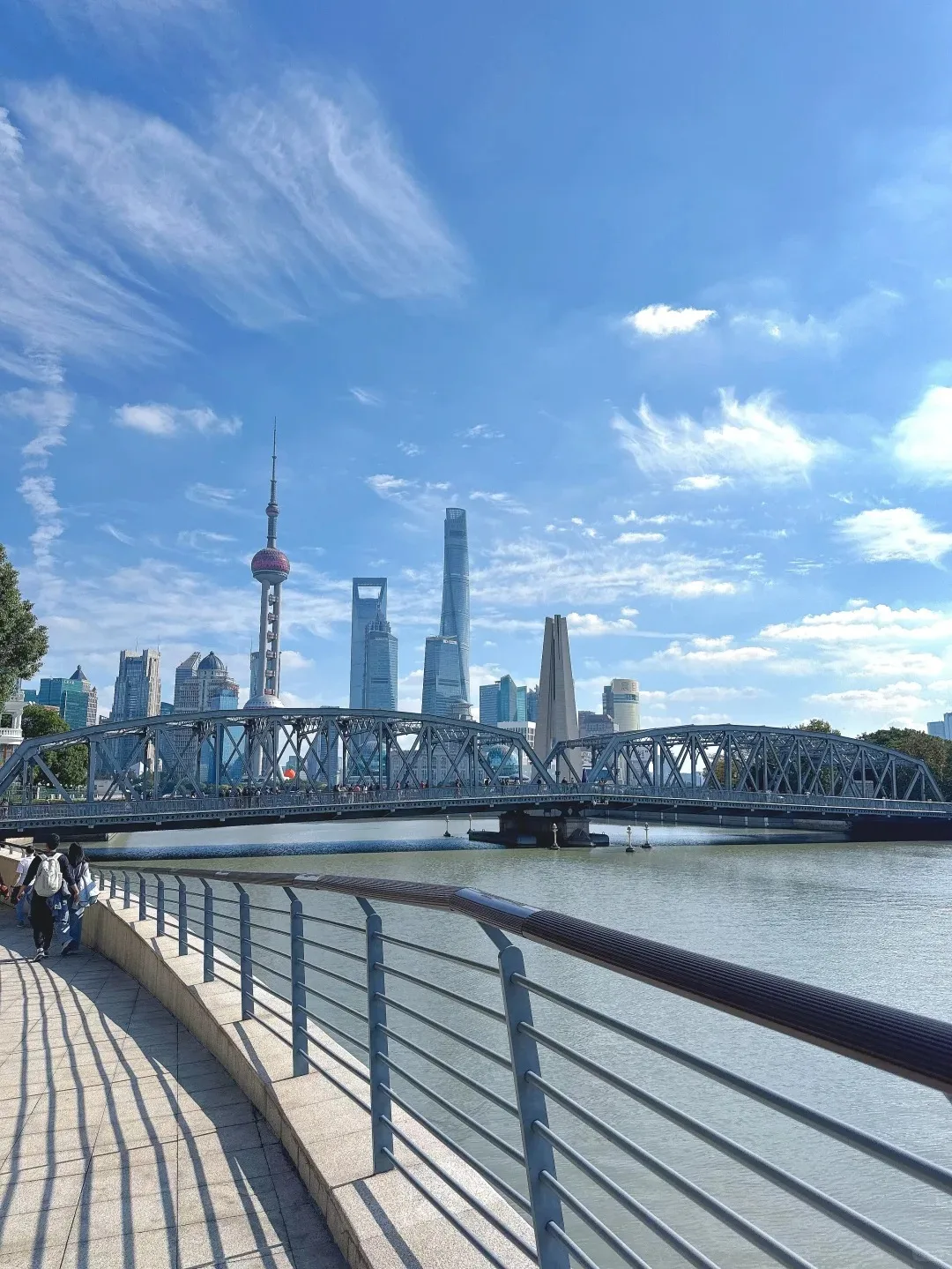
The Bund: fifty-odd buildings, one century
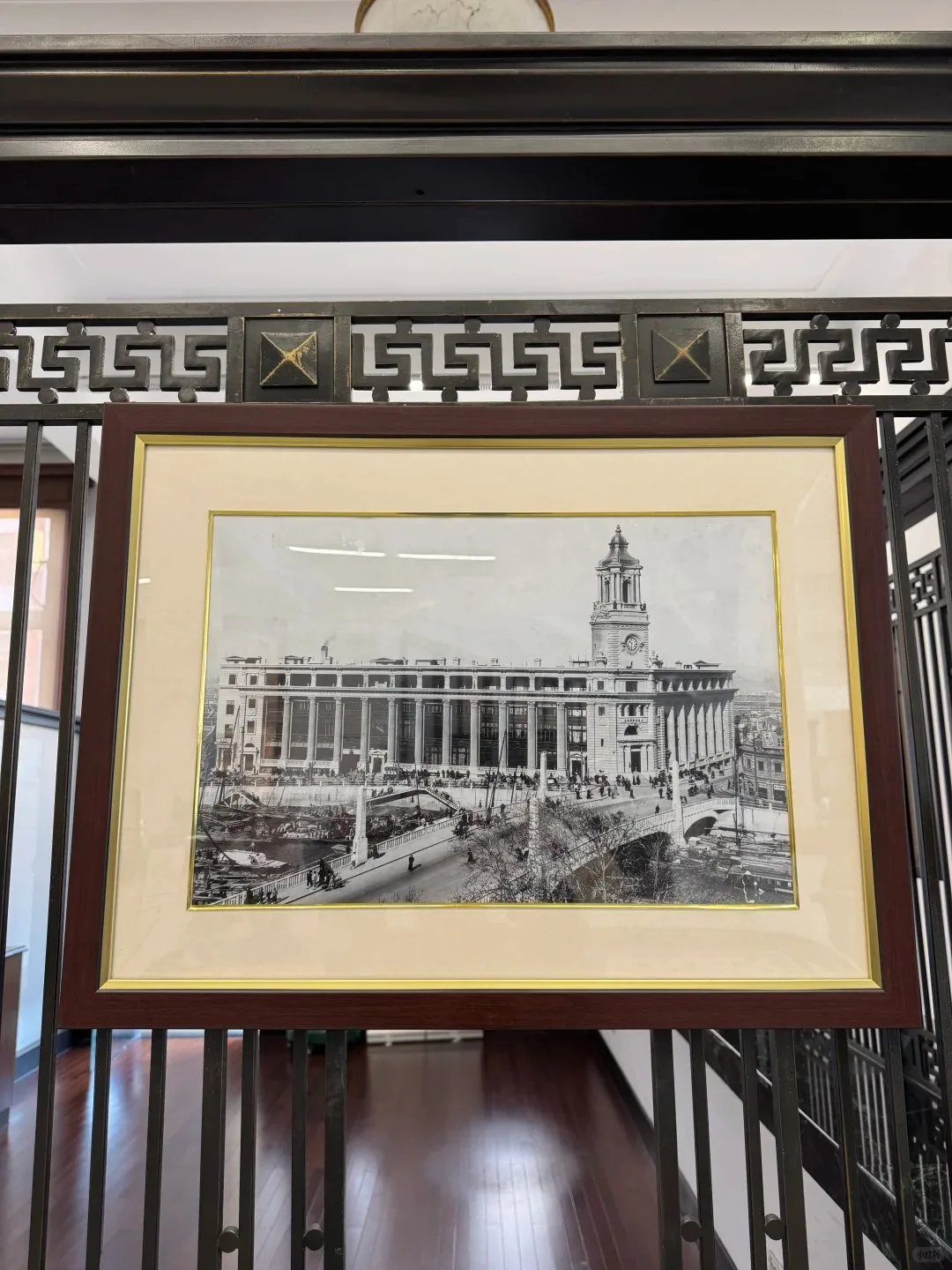
The Bund runs from the Garden Bridge in the north to Jinling East Road in the south, about 1.5 km along the water. Some fifty-odd modern-era buildings stand in that length, more than twenty of them national protected monuments, and in 1996 the Bund Buildings went onto the World Heritage list. The HSBC building of 1923, with its colossal Ionic columns and bronze dome, is called the most finely worked building from Suez to the Bering Strait; beside it the Customs House tower rises 79.2 metres, its clock faces five and a half metres across, chiming Westminster every quarter of an hour. Once the lights come on, the whole row sinks into a golden silhouette.
The promenade itself is around 1.7 km long and only some fifteen metres wide — the most heavily used public space in the city. In the morning it belongs to runners and people with cameras; in the evening it becomes a handover from daylight to floodlight.
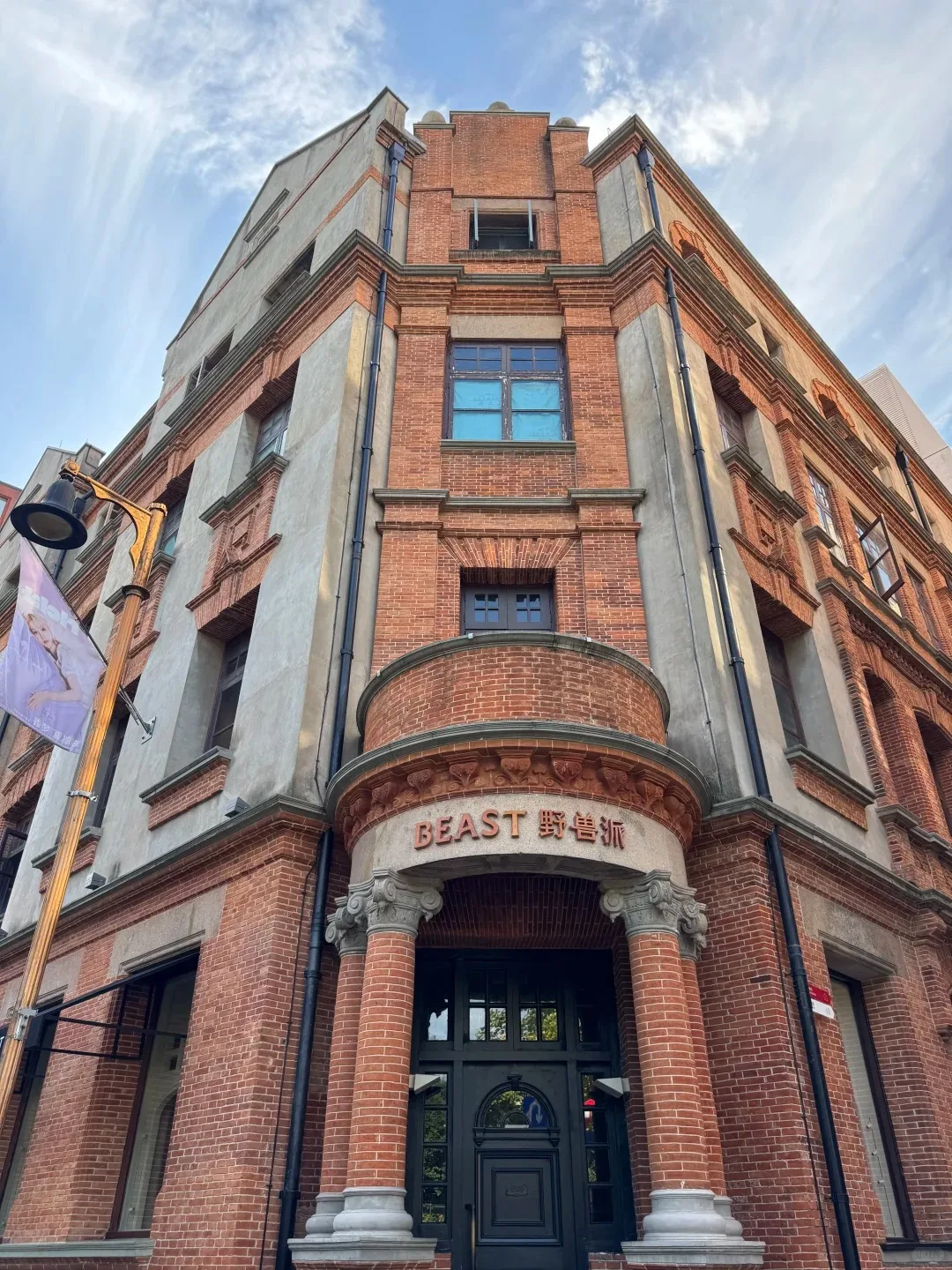
The two-yuan ferry: the cheapest view on the water
Several ways exist to cross, but the most rewarding is the ferry. One ticket costs two yuan and the boat runs from the Bund landing across to Lujiazui in a good ten minutes. The crew toots, the cabin mixes tourists with people still in work clothes, and locals who carried their bicycles aboard. River wind, a whiff of petrol and both skylines arrive together, which beats the sightseeing tunnel hands down.
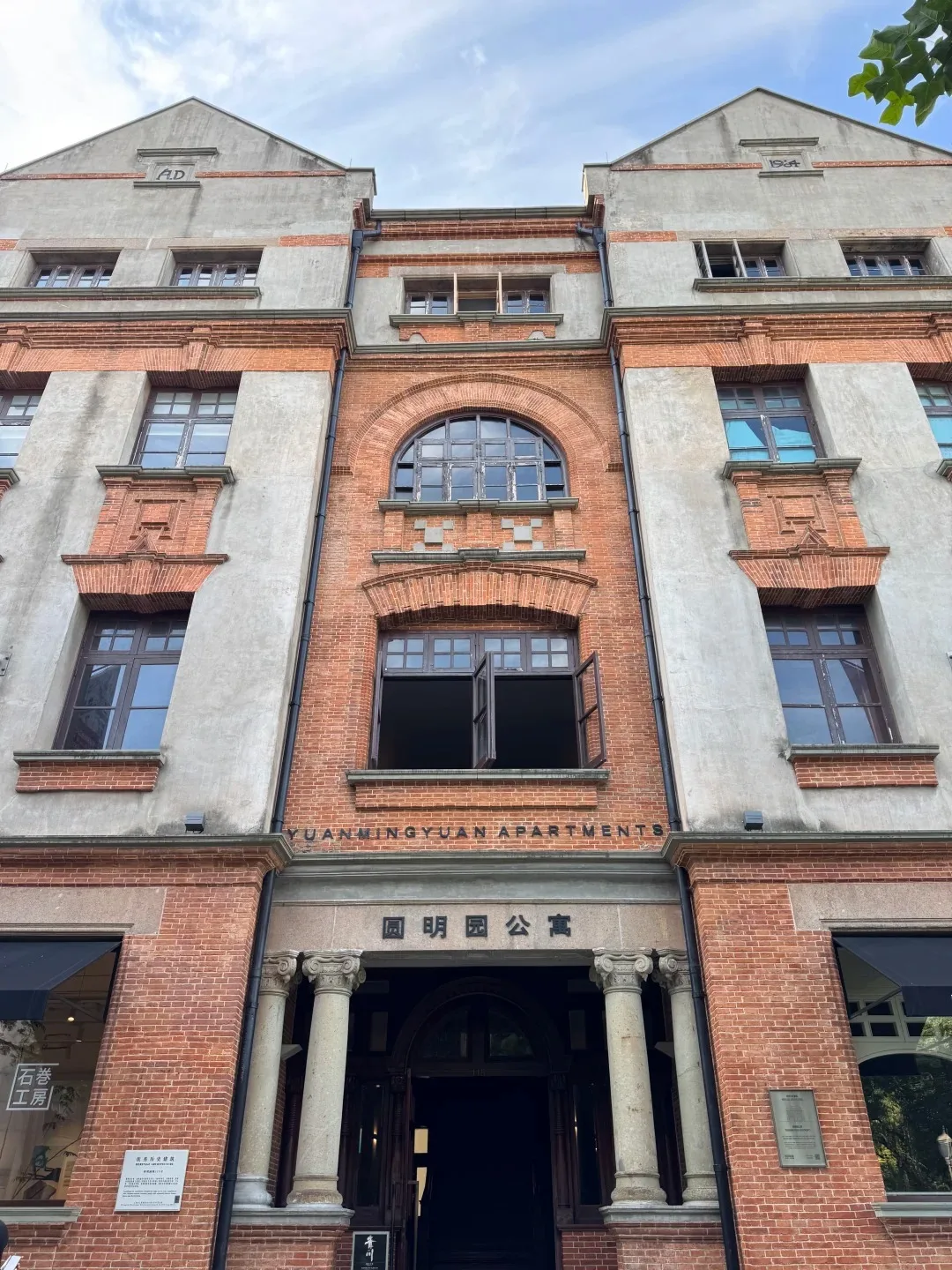
The Lujiazui trio
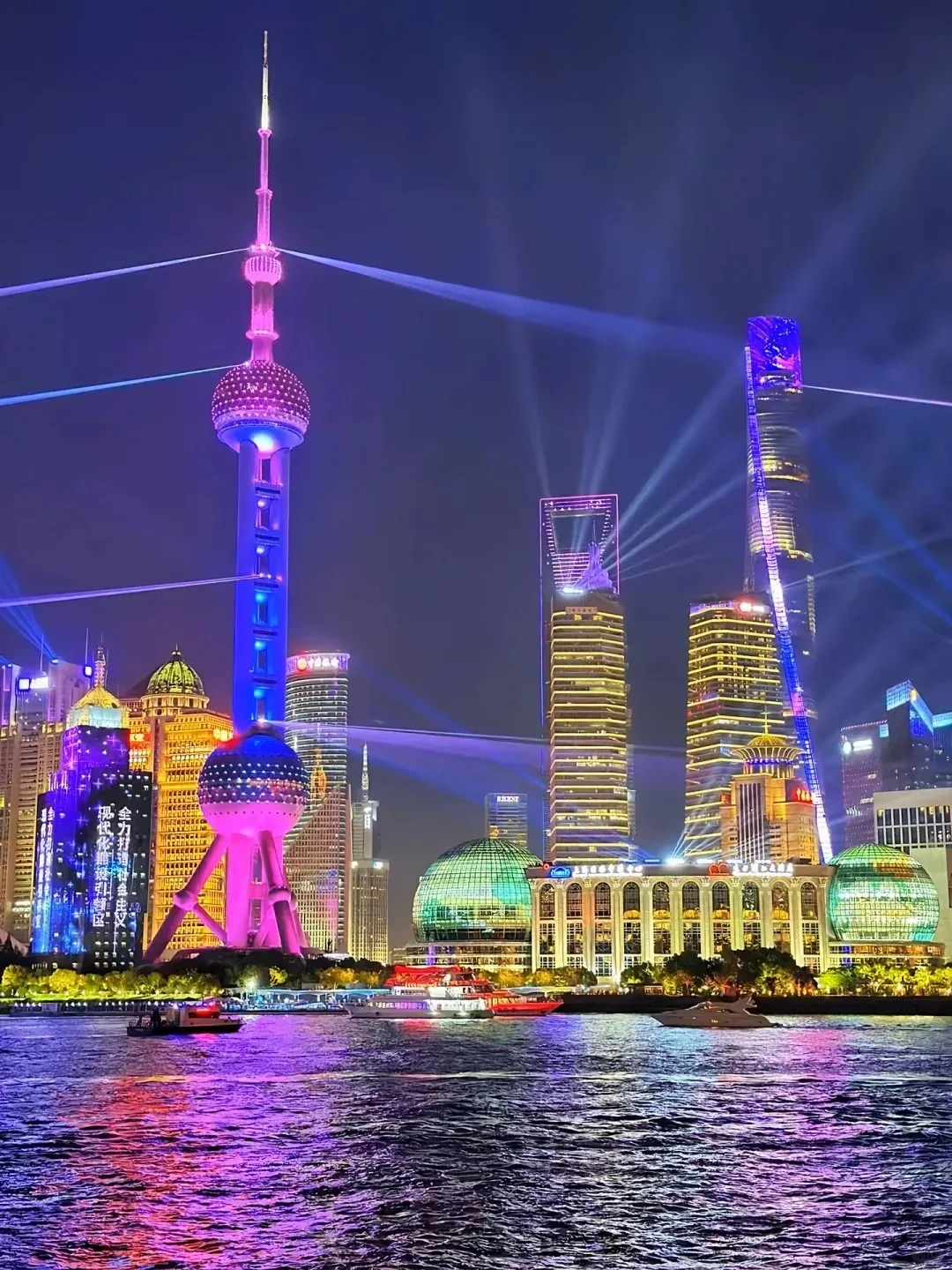
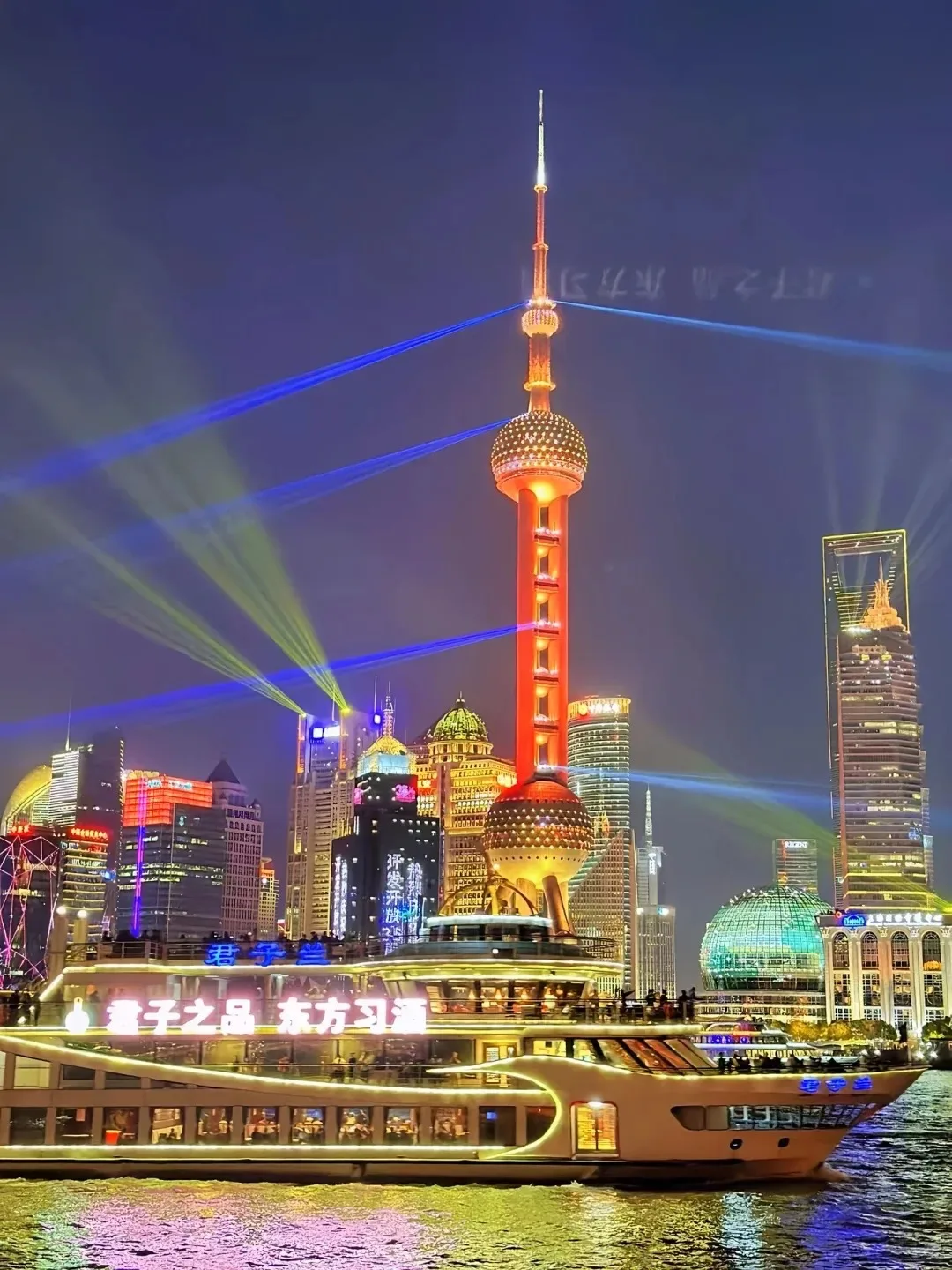
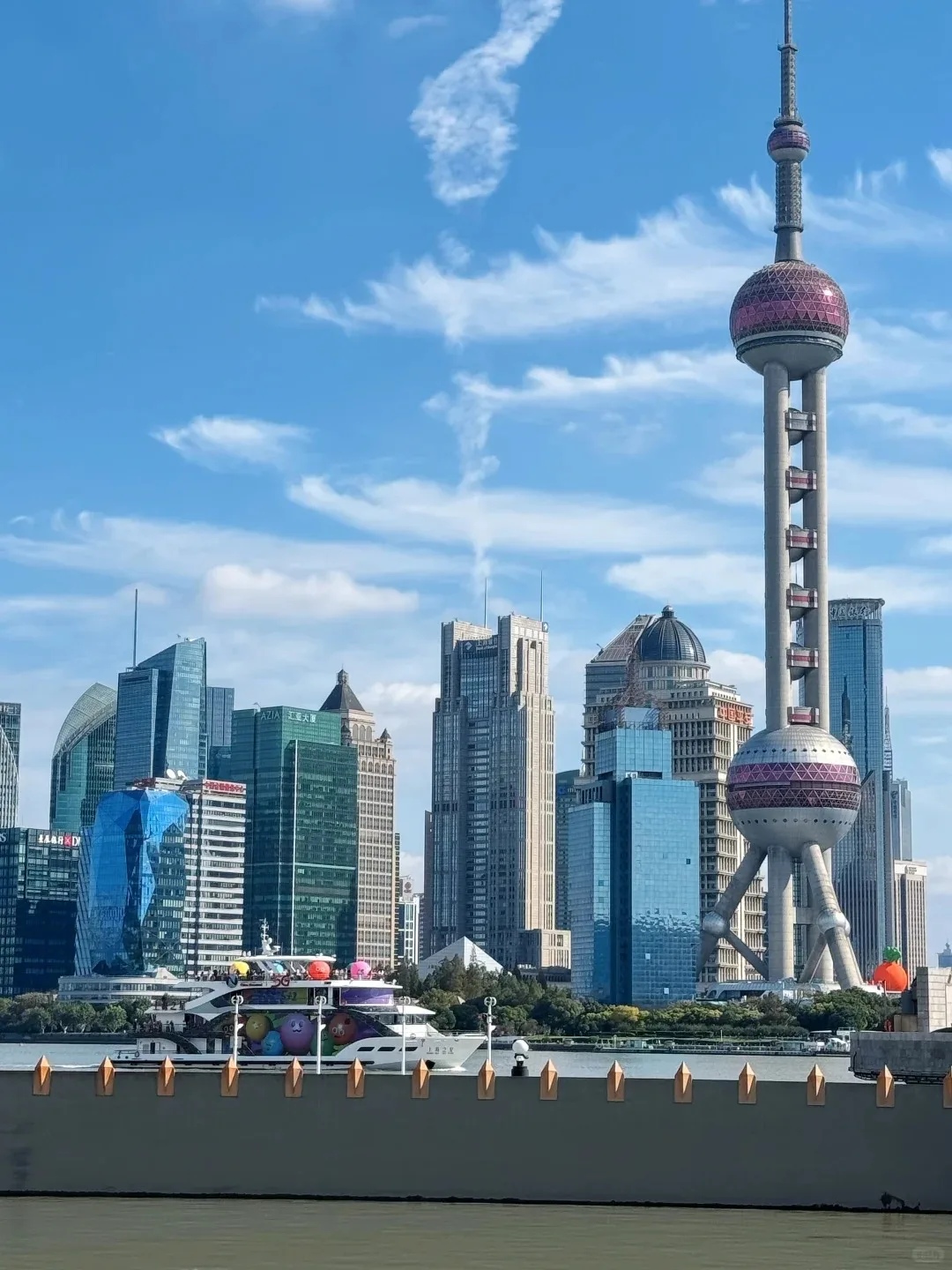
You land in Lujiazui. Three towers are always named together here: the Shanghai Tower at 632 metres, the Shanghai World Financial Center at 492 and the Jin Mao Tower at 420.5, known as the trio. From the west bank, the one spiralling upward is the Tower, the one with a trapezoidal slot cut near the top is the Financial Center, and the one stepping inward like a pagoda is Jin Mao. Each keeps its own observation level, so one river can be read three times over from three heights.
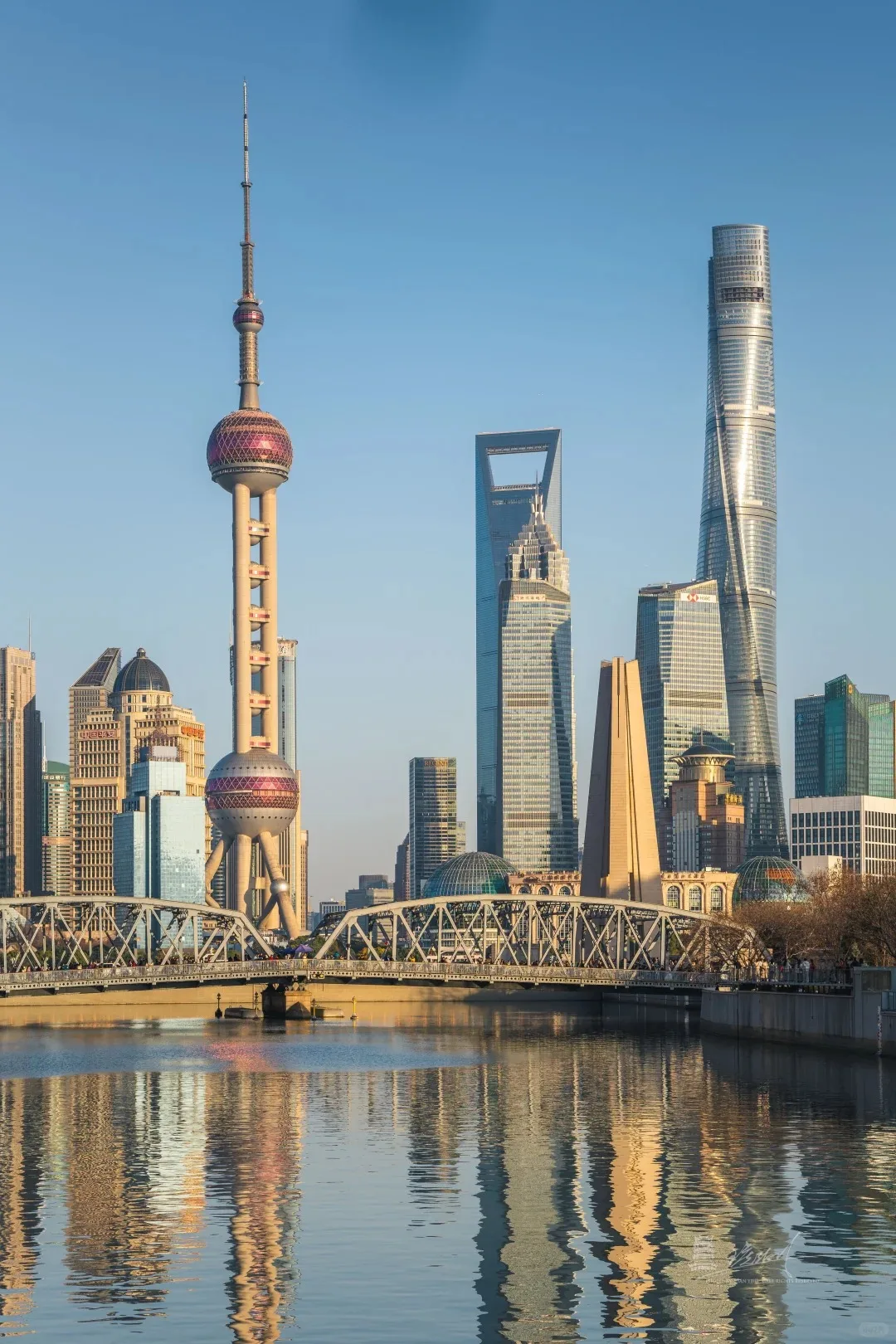
Shanghai Tower: 632 metres of turning
The Shanghai Tower reached full operation in 2016 — 127 floors above ground, five below, some 578,000 square metres, the tallest building in China. Its mass turns as it rises through a total of 120 degrees, about one degree per floor, and that twist is more than a look: wind-tunnel testing showed it cuts wind load by roughly a quarter. The Shanghai Peak deck on floor 118 sits at 546 metres, the highest enclosed observation floor in the city, wrapped in full-height glass. Floor 126 holds a 1,000-tonne damper, opened up as a space you can walk inside and see.
Lifts run at 18 metres a second so floor 118 is under a minute away, and the J Hotel takes the floors 84 to 110 — the highest guest rooms you can actually book. For daylight, sunset and night in one visit, go up late on a clear afternoon.
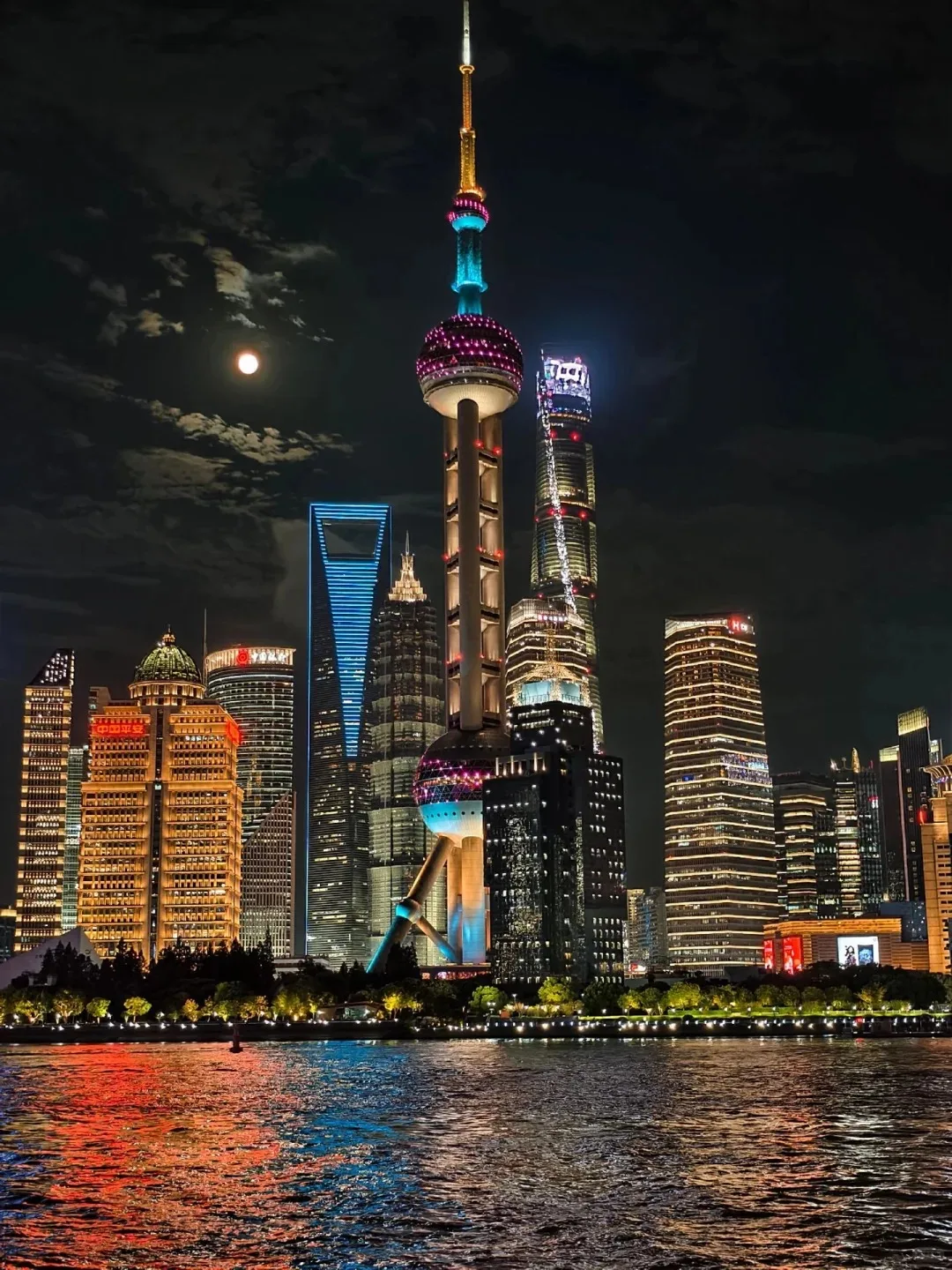
Financial Center and Jin Mao: 474 and 340
The Shanghai World Financial Center opened in 2008. Its gallery on floor 100 sits at 474 metres, and one stretch has a fully transparent glass floor — 55 metres long, three wide — that lets you look straight down at the traffic. Floor 97 adds an open-air bridge under a glass canopy, bracing when the wind comes through. Jin Mao was completed in 1999; its deck on floor 88 is at 340 metres, 45 seconds from the lobby, with glass underfoot and clear air out to forty kilometres. An hour before sunset at any of them gathers all three pictures at once.
Yu Garden: a Ming garden dropped into the city
South from the Bund into the old town is Yu Garden. Its building started in 1559, when Pan Yunduan, a provincial finance commissioner, laid it out to keep his father comfortable — the name comes from the idea of pleasing the old man — and it took more than twenty years. Under two hectares to begin with, it now holds about 1.8 with the inner garden, the only fully surviving Ming garden in Shanghai. The great rockery of Taihu stone at the entrance is original Ming work, its path winds, and from the top you see a low sea of grey tile. The Yulinglong stone is riddled with holes; it is said that burning incense beneath it sends smoke out of every one. Rocks, water and pavilions are packed so tightly that each turn brings a new picture.
City God Temple and the Nine-turn Bridge
Outside the garden the old town carries on at full volume. Incense burns steadily at the City God Temple, and the teahouse out in the middle of the lake talks in soft Wu-accented speech. Cross the nine-turning bridge and koi move below while the span itself stays packed. The queue at the xiaolongbao house never breaks, and the first bite through the thin skin is scalding. Stalls stand shoulder to shoulder here, pear candy, spiced broad beans and crab-roe buns piled on the counters. Sitting by the water afterwards, watching the tiled eaves across the pond while a ping-tang tune drifts from the teahouse, you see that this neighbourhood simply will not quieten down.
Xintiandi: lane houses that grew a new life
A few steps west of the City God Temple is Xintiandi. The shikumen lanes were rebuilt wholesale: the grey brick and black tiles are still old, but behind the doors sit restaurants, boutiques and cafés. What makes it work is that nobody froze the district under glass — people still live there. Take a seat in a café set inside an old doorway and look up at the carved lintels and the strip of sky a formal court lets through. It is a very Shanghai afternoon.
Tianzifang: a workshop in a few metres
South of Xintiandi is Tianzifang, entered through an alley on Taikang Road no wider than a few metres. Studios, pottery benches and shops of old objects line both sides; the walls carry faded slogans and tangle of cable, laundry hangs overhead and the stone underfoot is often damp. Push through any door and it might be an exhibition, a workshop, or a five-seat shop. The lanes are so tight that two people pass shoulders first, and that stacking of small things into very little space is exactly what Shanghai lane life looks like.
Site of the First Congress and Xujiahui
Day two can head west. The site of the First National Congress of the Communist Party of China is a small shikumen building in grey and red brick; the meeting of 1921 happened here, and the table, cups and wooden chairs stand as they were, sunlight falling across the boards through the louvred windows. Further south is Xujiahui: the twin spires of the cathedral point straight at the sky, rose windows throw patches of colour onto the floor, and in the nearby library the boards creak underfoot among foreign books left from the first meetings between East and West in the late Ming. At night walk over to Hengshan Road, where tall plane trees and street lamps drop broken patterns on the pavement, and the loud half of the city hands over to the quiet one across a single street.
Reading architecture slowly
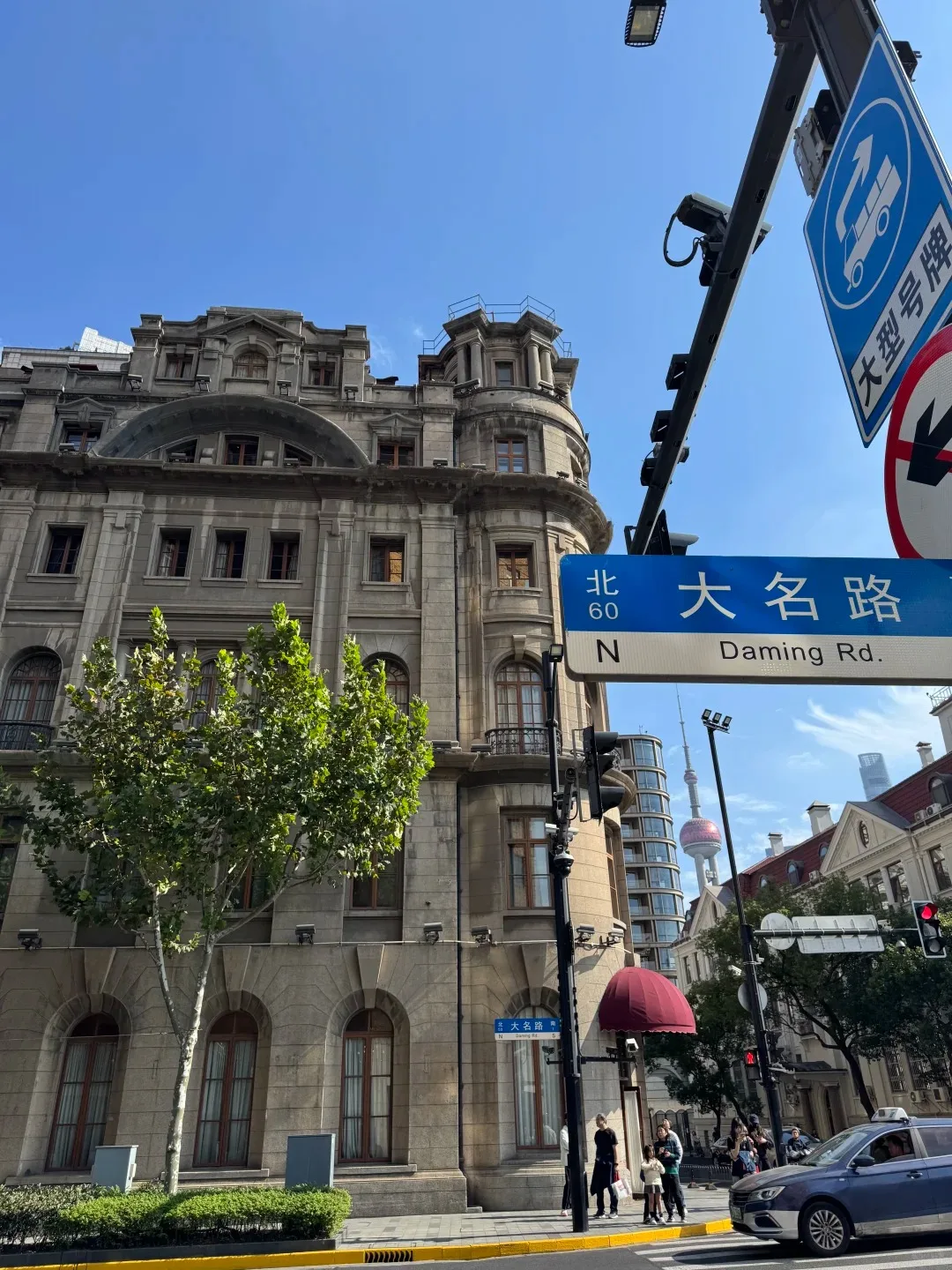
For the everyday Shanghai that people actually live, skip the crowded parts. North from the Bund to the Yuanmingyuan and Huchiu Roads, red brickwork and Art Deco buildings stand quietly at the corners; the former British consulate and the Holy Trinity Cathedral are still there with their date plates on the wall. Setts, ivy down the wall, carved doorheads — walking these slowly beats photographing them. The other direction is Wukang Road and Anfu Road, where plane trees shade the whole street and the Wukang Mansion sits at the junction like the bow of a ship with photographers parked below; turn into the two small roads beside it and all that is left is clothes poles, flower pots on sills and a dormer window pushed half open.
West Bund and M50: museums along the water
The city’s art spaces line the river too. South along the west bank runs the West Bund gallery district: the Long Museum set in board-marked concrete over a former coaling wharf, the Yuz Museum installed in a hangar with a vast hall, and the West Bund Museum’s partnership with the Pompidou that keeps world-class shows in town. Further north a metro stop at M50 drops you into the old textile mills along Suzhou Creek, where more than a hundred galleries and studios sit under the original steel beams and red brick, now hung with contemporary painting and photography.
Three days with children
Families have a well-built three-day loop. Day one is Shanghai Disneyland, opened in 2016 as the first in mainland China, covering some 1.16 square kilometres; its Enchanted Storybook Castle is 69.28 metres, the tallest and largest of any Disney castle, and in late 2023 the first Zootopia land opened here. The evening light and fireworks are what lands: the castle cycling through projected colour while a child rides a shoulder waving glowing Mickey ears. Morning of day two belongs to the Shanghai Science and Technology Museum, where the Africa hall is built at true scale and robots play chess and the piano, with Century Park beside it for kites and boats. Day three takes the wild animal park, where the vehicle drives through the carnivore enclosure and a white tiger walking past the window makes a child shout.
The river at night and a jazz set
After dark Shanghai changes face. The river cruise pulls away slowly, the Bund lights and the Lujiazui neon each spreading a doubled reflection on the water; as the boat turns towards the far bank the foreign buildings shrink behind you and the towers close in ahead, and that switch from one to the other is the whole century in a single move. The wind on deck is stronger than expected and nobody steps back inside. For the old Shanghai note, the terrace on the ninth floor of the Peace Hotel has a jazz band every night, all of them grey-haired, the sound passing through the river air as though it carried the tram bells of the 1930s along with it.
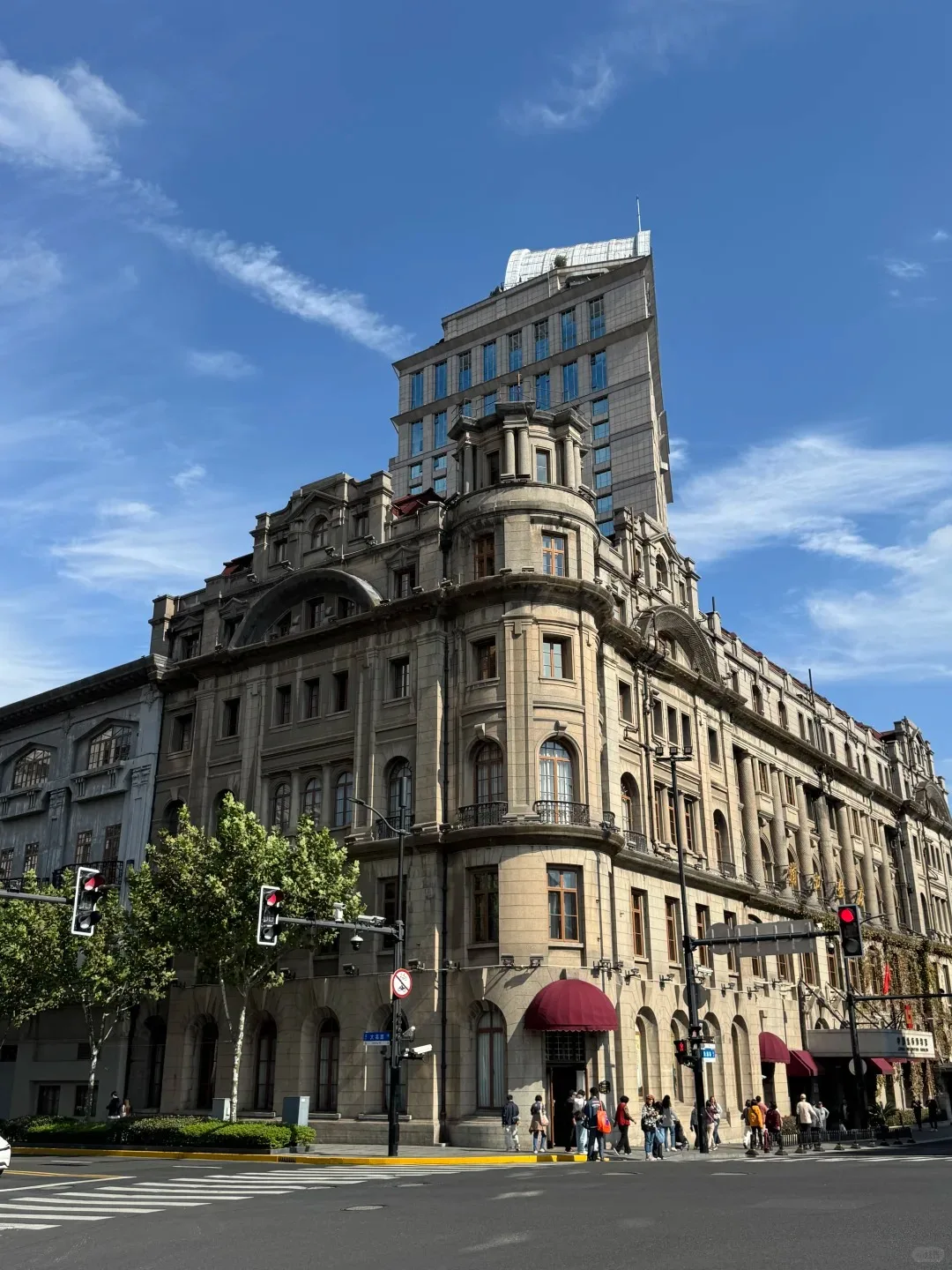
Old streets, handcrafts and the local plate
For craft, the Old Street next to Yu Garden is the easiest stop: a pair of scissors turns out dragons, phoenixes and flowers, and a pinch of the dough between a craftsman’s fingers produces Sun Wukong and a court lady. Qibao Old Street works more like a living folk museum, with square cakes, long rice bars and victory cakes lined on the board, the steamed ones white and soft with a sweet red bean centre that spreads on the tongue. The bamboo-carving workshop on Jiading Zhouqiao Old Street moves a knife slowly across bamboo, walking out landscapes and figures — a skill that runs entirely on patience.
The local kitchen runs on dark sauce
Beyond braised pork and prawns in hot oil stand the real slow dishes — peppered crab roe, eel finished off the heat, sea cucumber with shrimp roe. A house called Fu 1088 hides inside an old villa where the braised pork melts; Lao Zhengxing, nearly a century old, will serve you a plate of greens with duck intestine and rice, which is what Shanghai cooks on an ordinary day. The stall outside the lane keeps a queue down the road and turns out a sesame flatbread that cracks outside and gives inside; the Erguang wonton shop wraps thin skin round shepherd’s purse and pork, hot enough to earn its name. For something else entirely, the Japanese quarter around Gubei in Hongqiao runs from late-night izakaya to high-end sushi bars.
Practical information
- Best seasons: March to May is the comfortable one, when cherry trees along Gucun Park and Tongji’s campus come down in petals — arrive before seven in the morning if you want them quiet. September to November brings clear air and fat hairy crabs, good with a little ginger and Zhenjiang vinegar.
- Getting around: the metro covers almost everything worth seeing; a three-day ticket gives unlimited rides while it lasts. Shared bikes work well for Wukang Road and an afternoon along the West Bund riverwalk. The cross-river ferry costs two yuan a head.
- Book ahead: the Shanghai Museum, Disneyland and similar attractions need reservations or tickets through official channels. Most museums close on Mondays, so check the hours first.
- What to wear: the summers are muggy and the winters damp, but indoor air conditioning is everywhere. What you really need is footwear for walking and a jacket for autumn.
Towering buildings can be copied anywhere. The bend of a lane, the wind off the river and the half-street that goes quiet around the corner are what this city keeps for you alone. Shanghai is worth the return trip.
Related reading
The Bund: One and a Half Kilometres Where Two Centuries of Shanghai Stand Side by Side
The Bund runs from Garden Bridge in the north to Jinling Road East in the south, a little over 1.5 kilometres. Fifty-two buildings of the modern era stand along it, twenty-three of them national protected monuments, and in 1996 the Bund architecture grouping entered the World Heritage list. By day it is red brick and Ionic columns; after dark the whole row sinks into a golden edge while Lujiazui answers from the far bank. Free and open around the clock.
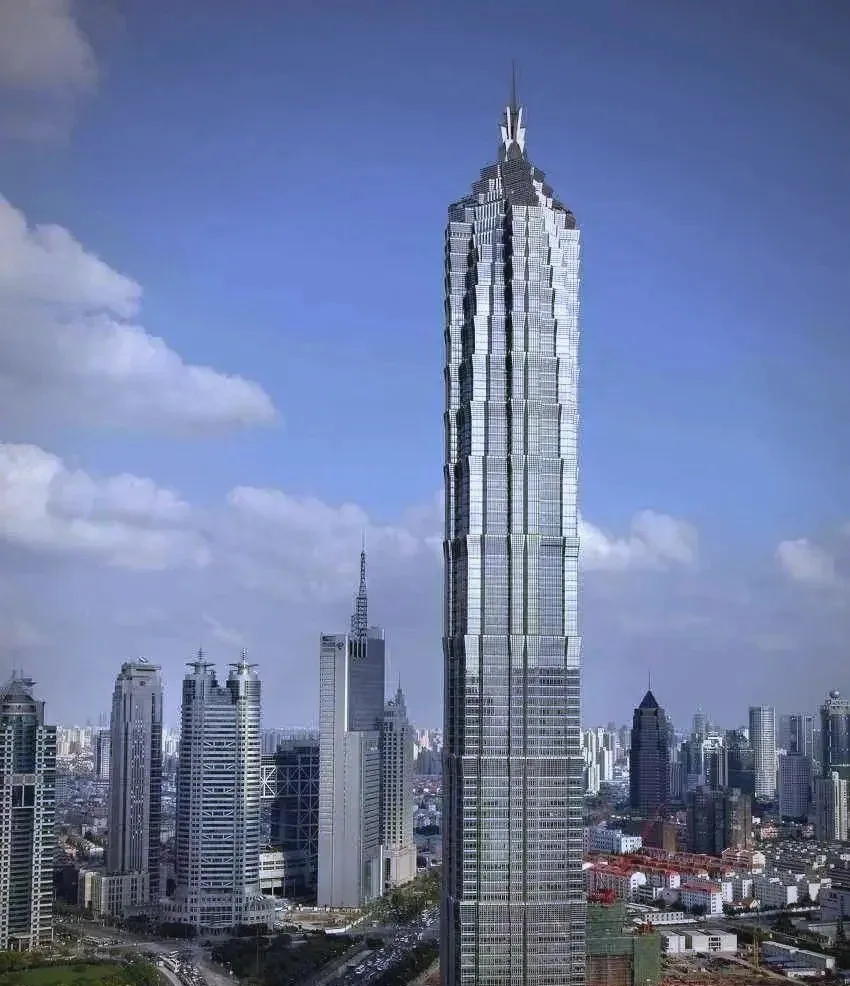
Jin Mao Tower: A 420.5-Metre Pagoda with Thirteen Tapering Stages
Jin Mao Tower stands in Lujiazui in Pudong. At 420.5 metres and eighty-eight storeys, it was the tallest building in mainland China when it finished in 1999 and remains one of the most recognisable high-rises in Shanghai. Adrian Smith of the American firm SOM led the design; the facade narrows in thirteen stages into a pagoda shape, a phrase about climbing step by step. The eighty-eighth floor observation deck sits at 340 metres over about 1,520 square metres, one of the earliest high-level viewing platforms in the city.
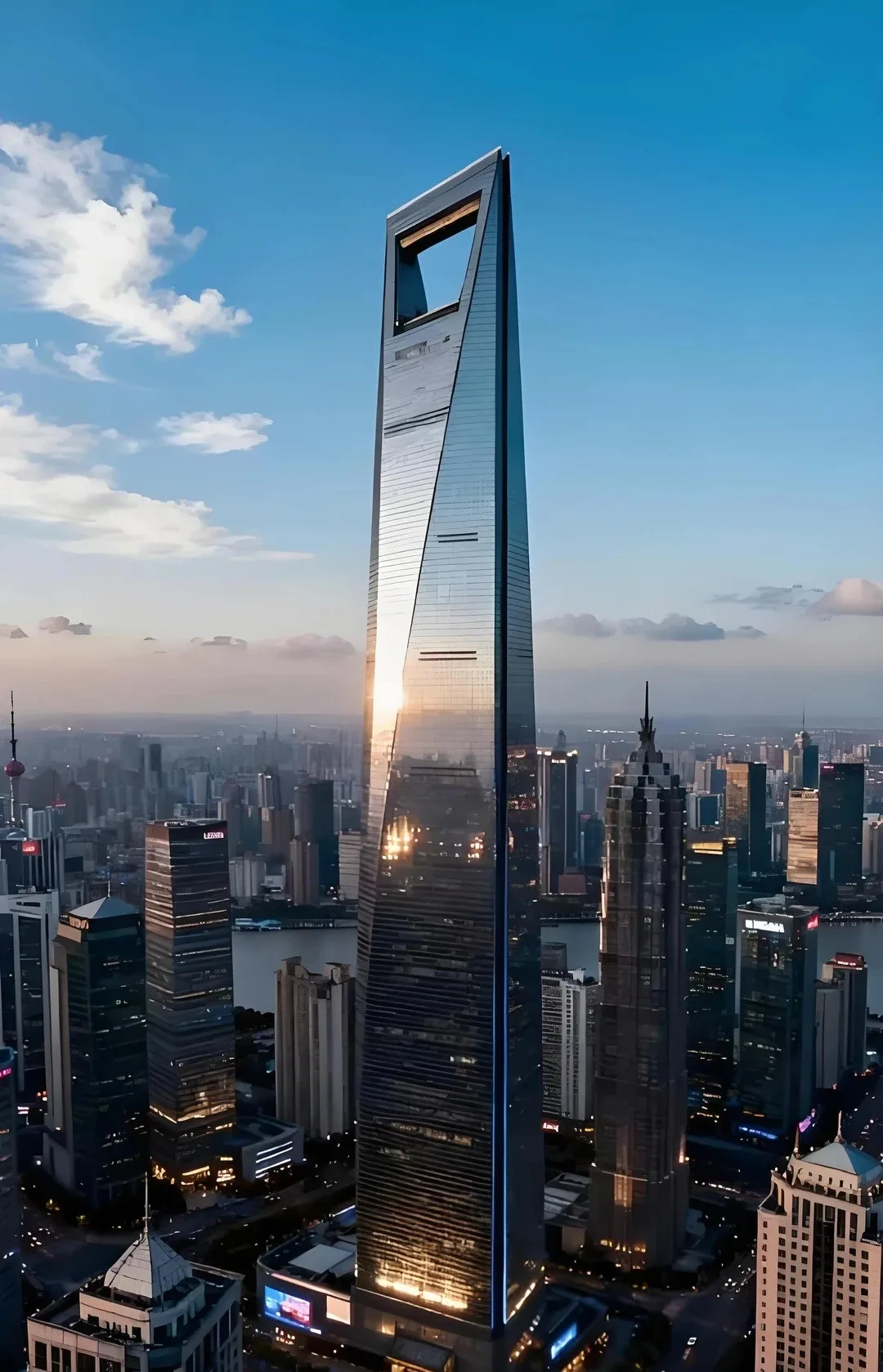
Shanghai World Financial Center: the 474-metre observatory
The first of Lujiazui's three towers to top out, 492 metres and 101 floors, opened in 2008. Its observatory on floor 100 sits at 474 metres above a fifty-five-metre stretch of transparent glass floor — the earliest place in Shanghai to leave you hanging in mid-air.
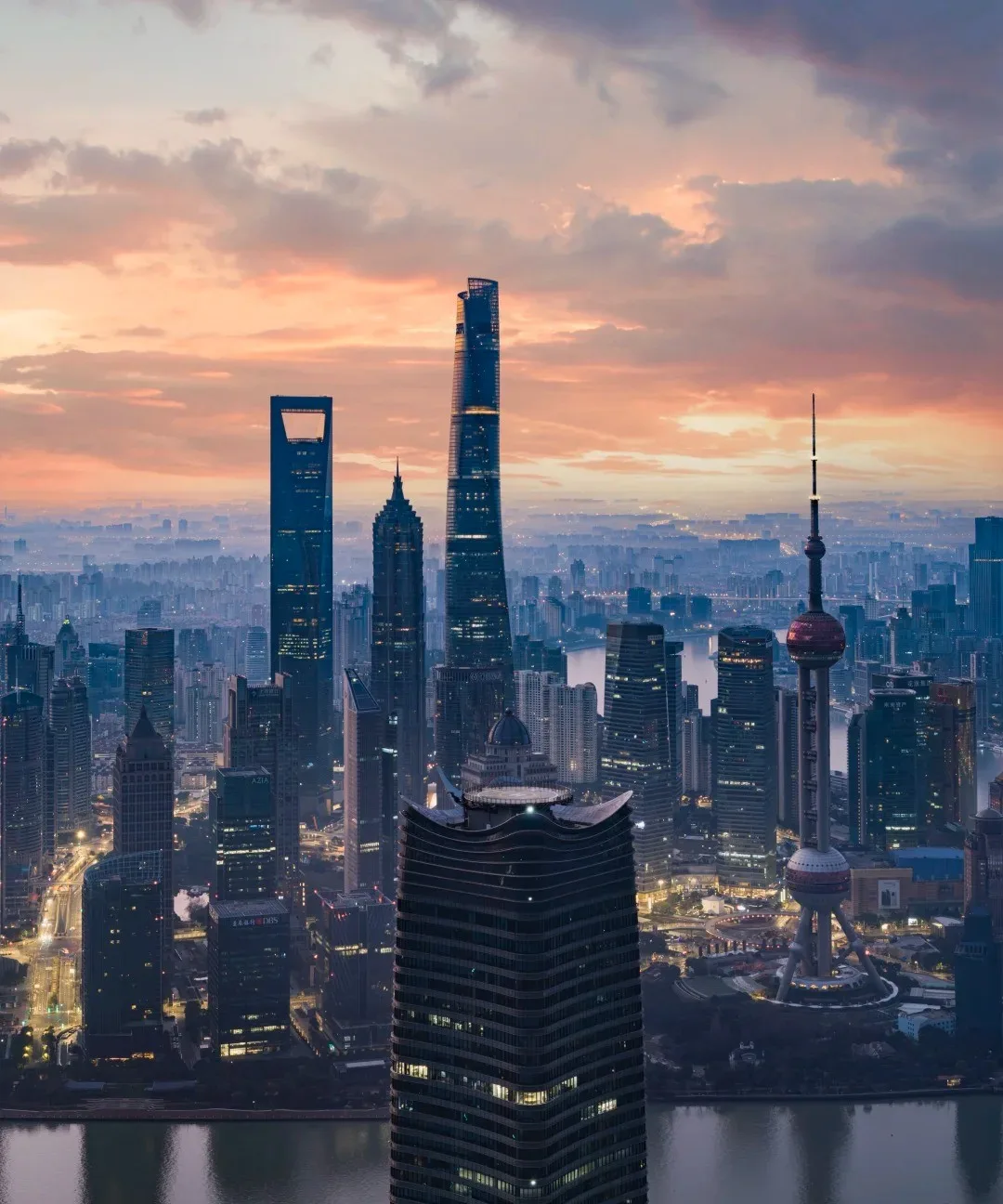
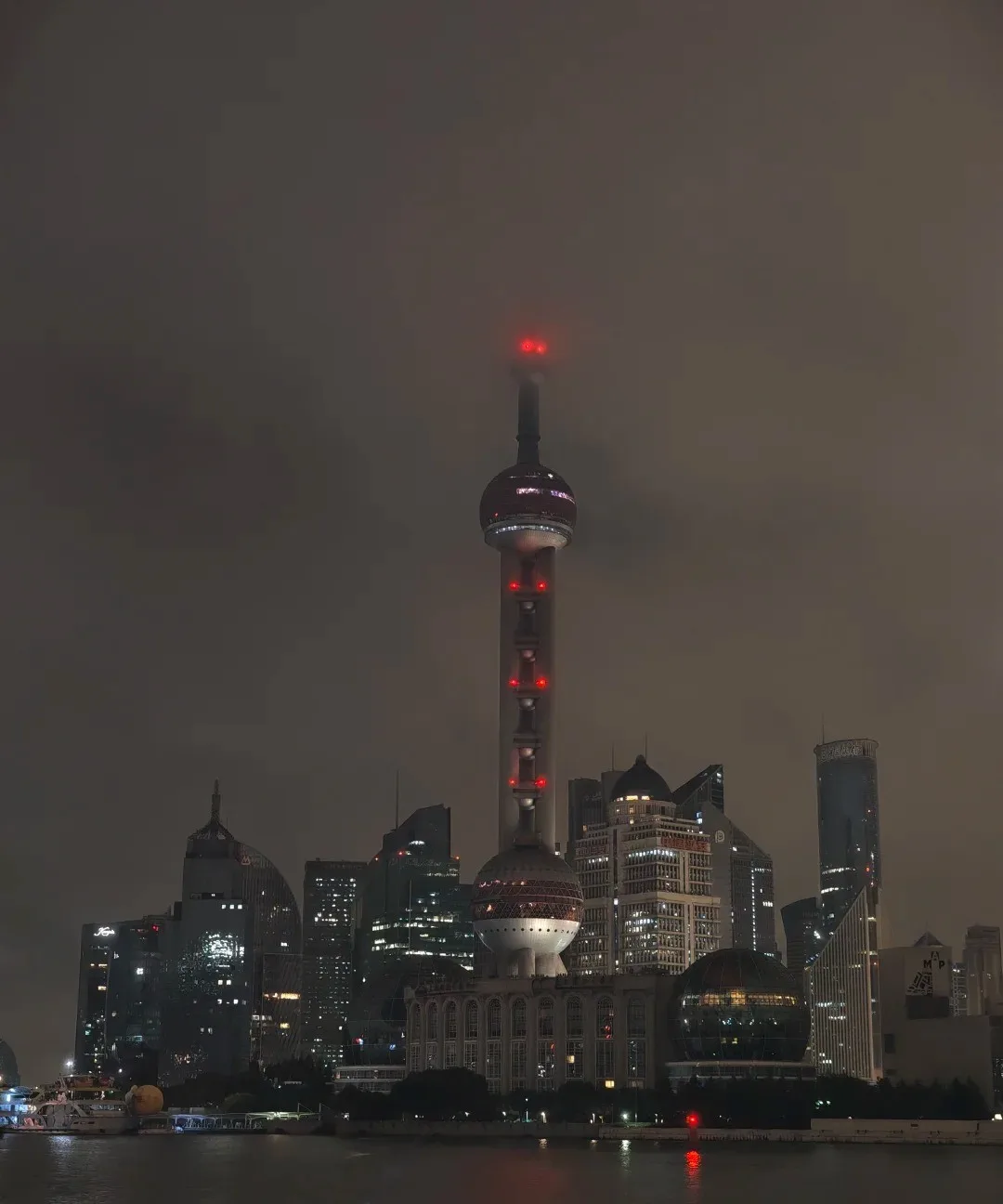
Oriental Pearl Tower: a 468-metre television tower
On the Huangpu in Lujiazui, 468 metres tall and open since May 1995, this was China's first television tower designed and built entirely by Chinese teams. Three observation levels — the space capsule, upper sphere and lower sphere — frame the classic view across the river.
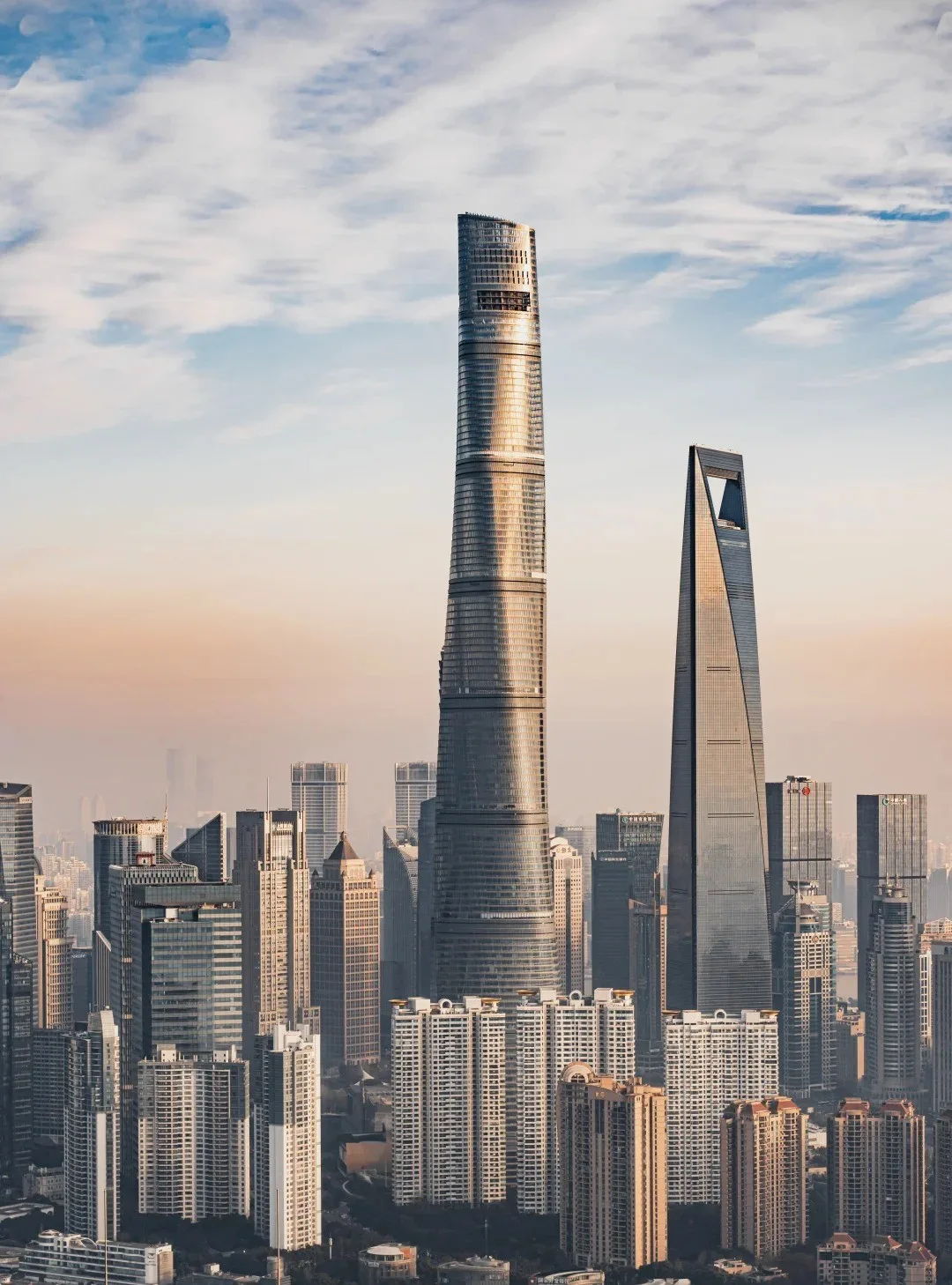
Shanghai Tower: a vertical city at 632 metres
In the heart of Lujiazui, 632 metres tall and 127 floors above ground, fully open since 2016 — China's tallest building and third in the world. The observatory sits at 546 metres on floor 118, a 1,000-tonne damper fills floor 126, and the city's highest bookshop is on 52.