 Travel Notes
 Yu Garden: A Private Garden of Four Centuries Ago, Tucked Behind Nanjing Road
A Ming garden in the middle of noise
Yu Garden sits in the north-east of the old town in Huangpu, and it is a rare city garden: houses on every side, crowds a step beyond the wall. It began in 1559 and has passed more than four hundred and fifty years; with the Inner Garden it now covers about 1.8 hectares, and it has been a national protected monument since 1982.
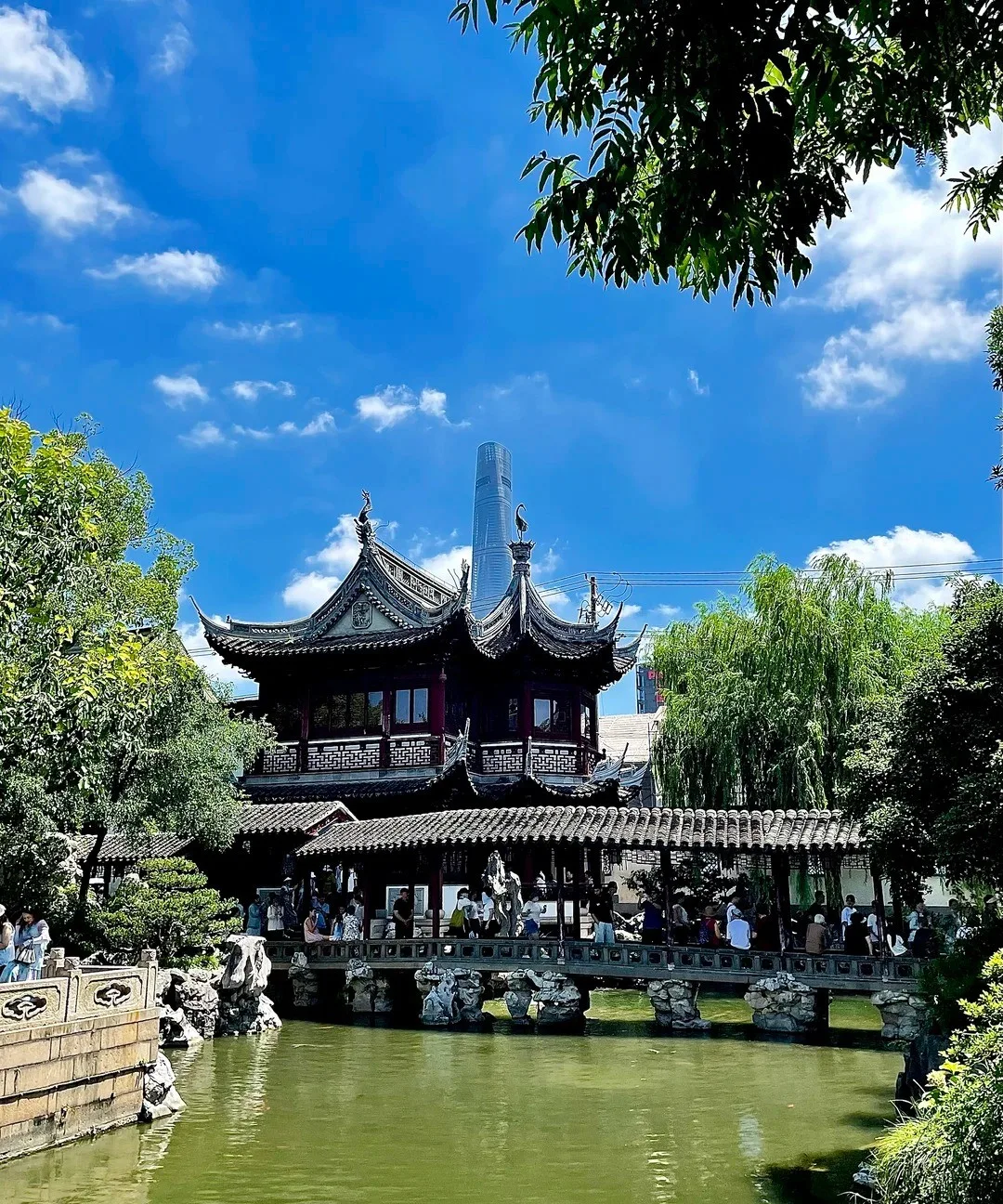
A garden built for a father
After passing the imperial exams in the Jiajing era, Pan Yunduan started digging on the vegetable plot beside his house to honour his parents; the work ran over twenty years and finished around 1577. The name borrows a line from the Book of Songs about ease without end, meaning the old man should sit comfortably. The family later declined, and in the Qianlong period merchants bought the garden and gave it to the City God Temple as a public park.
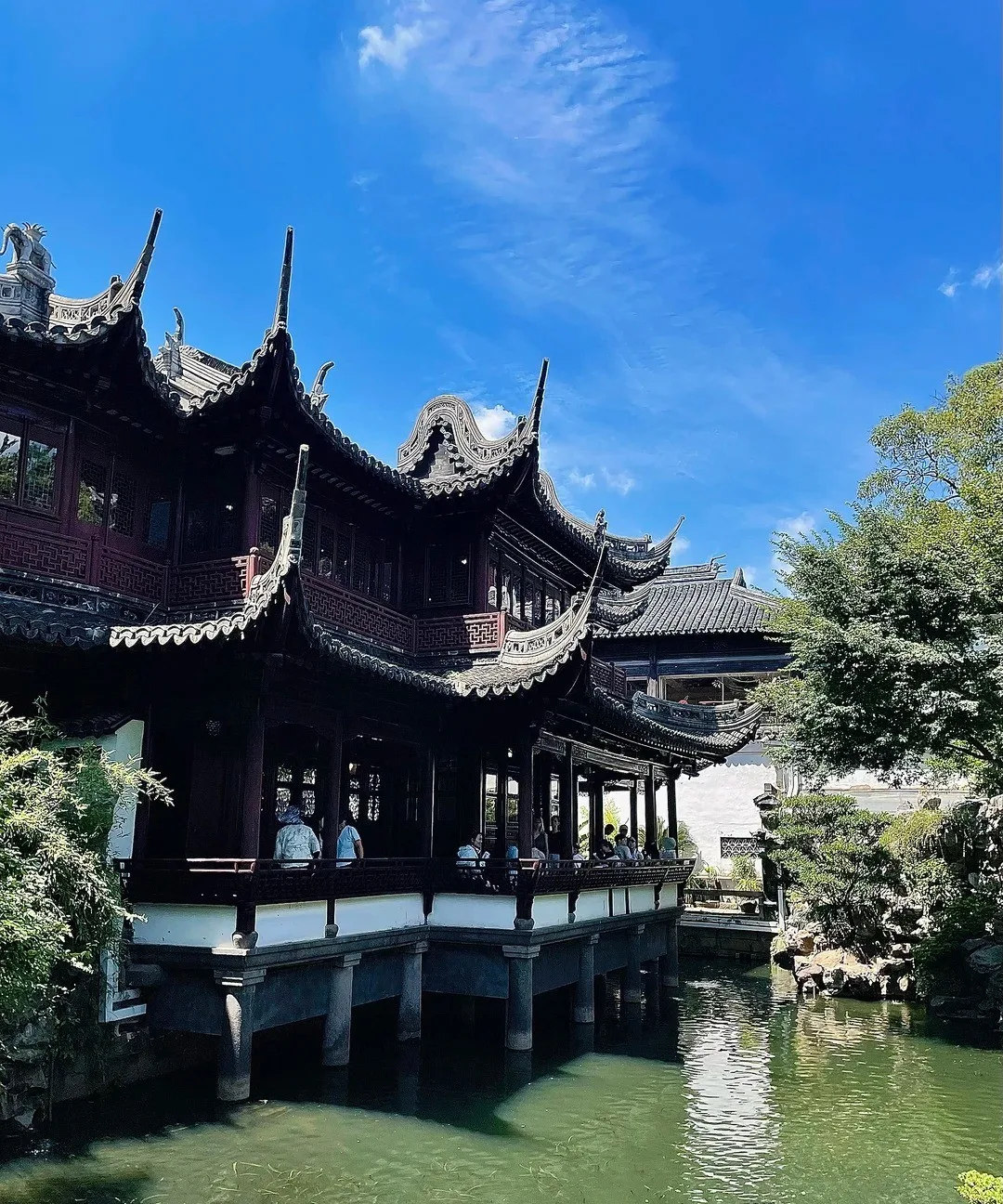
The rockery you meet first
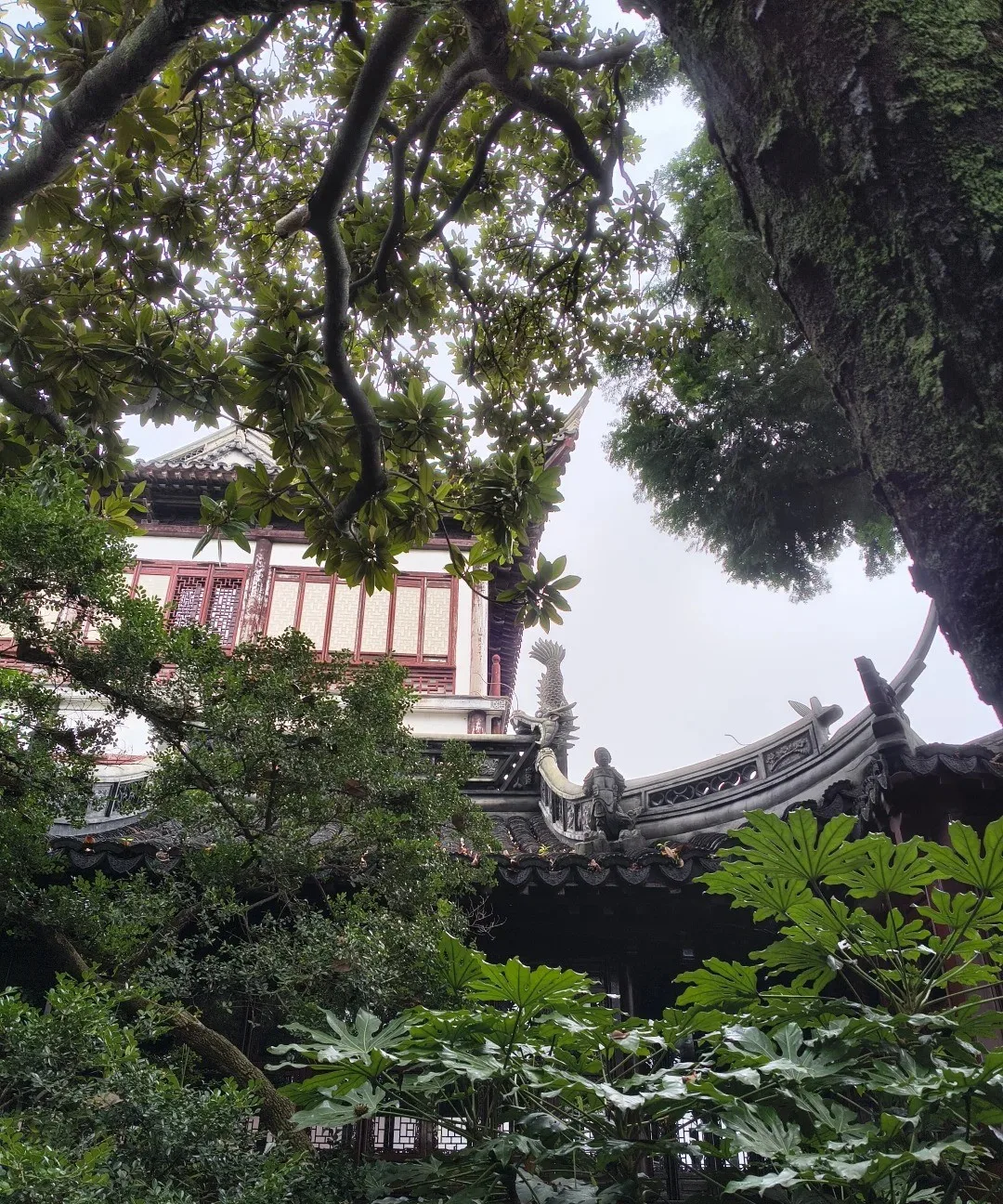
The first thing inside is the great rockery built of Taihu stone, a Ming original. The path wraps around it and from the top you see a landscape of tilt-tiled roofs. The stone called Jade Fairy Pass is holed all the way through, and the old story says that if you light incense beneath it the smoke escapes from every hole. Rocks, water and pavilions are packed together so that two steps bring a new view.
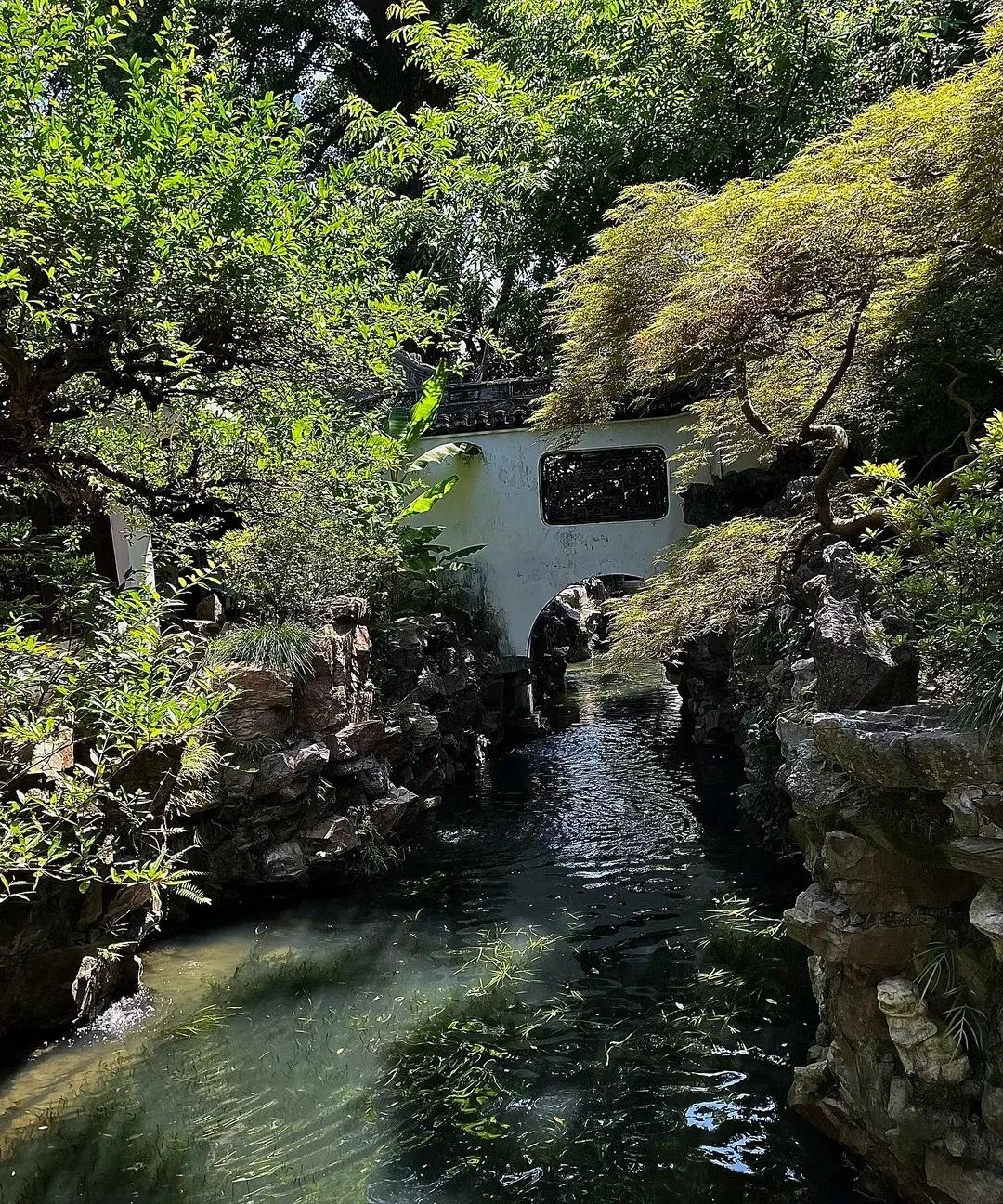
The Point Spring Hall and the Inner Garden
The Point Spring Hall was the command post of the Small Sword uprising and still carries its old name. Deyue and Yuhua halls line the water, and every window frame is a picture in itself. Pass through a moon gate into the Inner Garden: an acre holds a pond, a waterside pavilion and a few old trees, and the scale is so small that people unlock speaking without noticing.
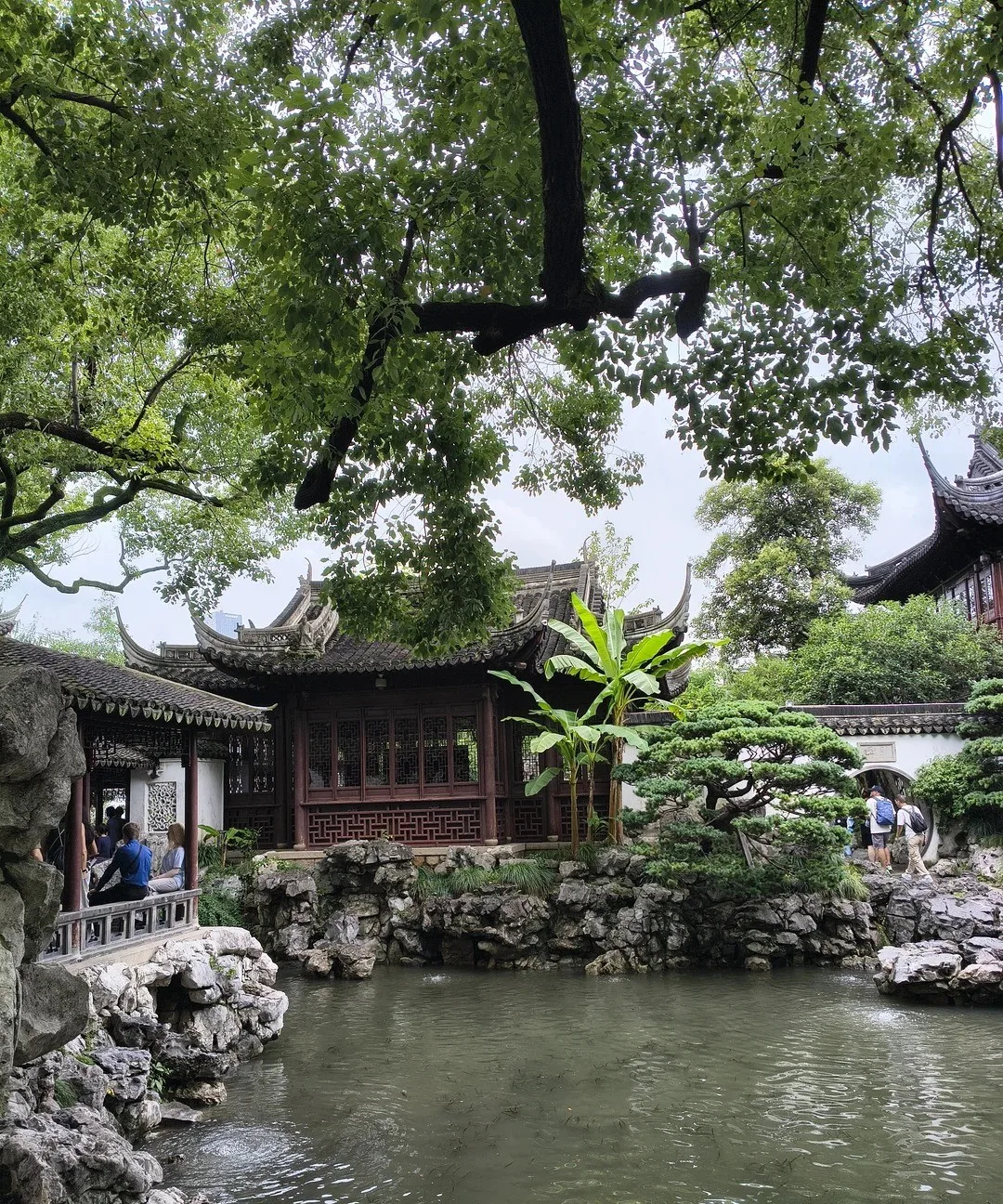
Step out onto the nine-turning bridge
The gate opens straight into the bustle of the old town. The City God Temple keeps its incense going, and the teahouse on the lake throws out soft Wu-dialect chatter. Cross the nine-turning bridge and below you the koi gather while above you the bridge is packed. East lies the Old Street, where pear-honey candy and spiced beans fill the counters and the steam buns from Nanxiang never leave the queue.
The best hours to come
Arrive at opening and the garden is nearly empty for an hour before half past eight. Weekdays beat weekends, and the Monday closure is worth remembering. It costs forty yuan in season, thirty off season, half for students. To sit down, the tea room inside or the lakeside house both work; one bowl of tea for an afternoon is the actual rhythm of the old town.
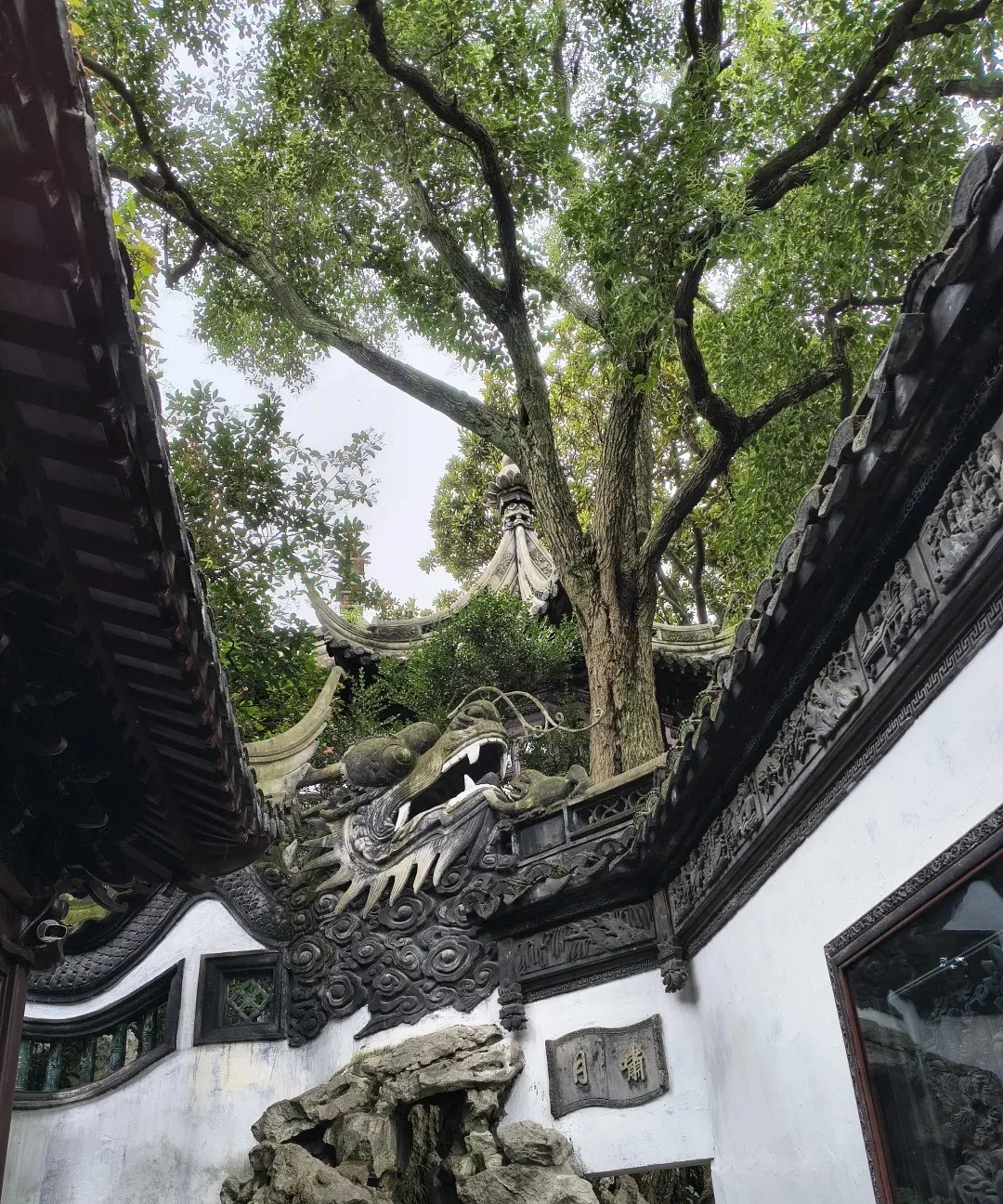
The trick Yu Garden plays is density. In the noisiest part of the whole city it squeezes a mountain, water, caves and a bridge into an acre, so that you forget the traffic on Nanjing Road is only a step away. When you finish, do not leave at once. Turn right over the nine-turning bridge, look back at the tiled eaves, and you will understand why the people of Shanghai have kept this patch for more than four hundred years.
Practical information
- Hours: 8:30-17:00 in season, 8:30-16:30 off season, closed Mondays, subject to official notice.
- Tickets: 40 yuan in season, 30 off season, half price for students.
- Getting there: metro line 10 to Yu Garden station, five minutes on foot; line 1 to People Square and change to 10 works too; the streets are narrow, so public transport first.
- Walking: rockery first, then the Point Spring Hall to the Inner Garden, out over the bridge at the end, an hour and a half is enough.
- Eating: buns and noodles line the outside of the gate; walk deeper into the Old Street for quieter tables.
Related reading
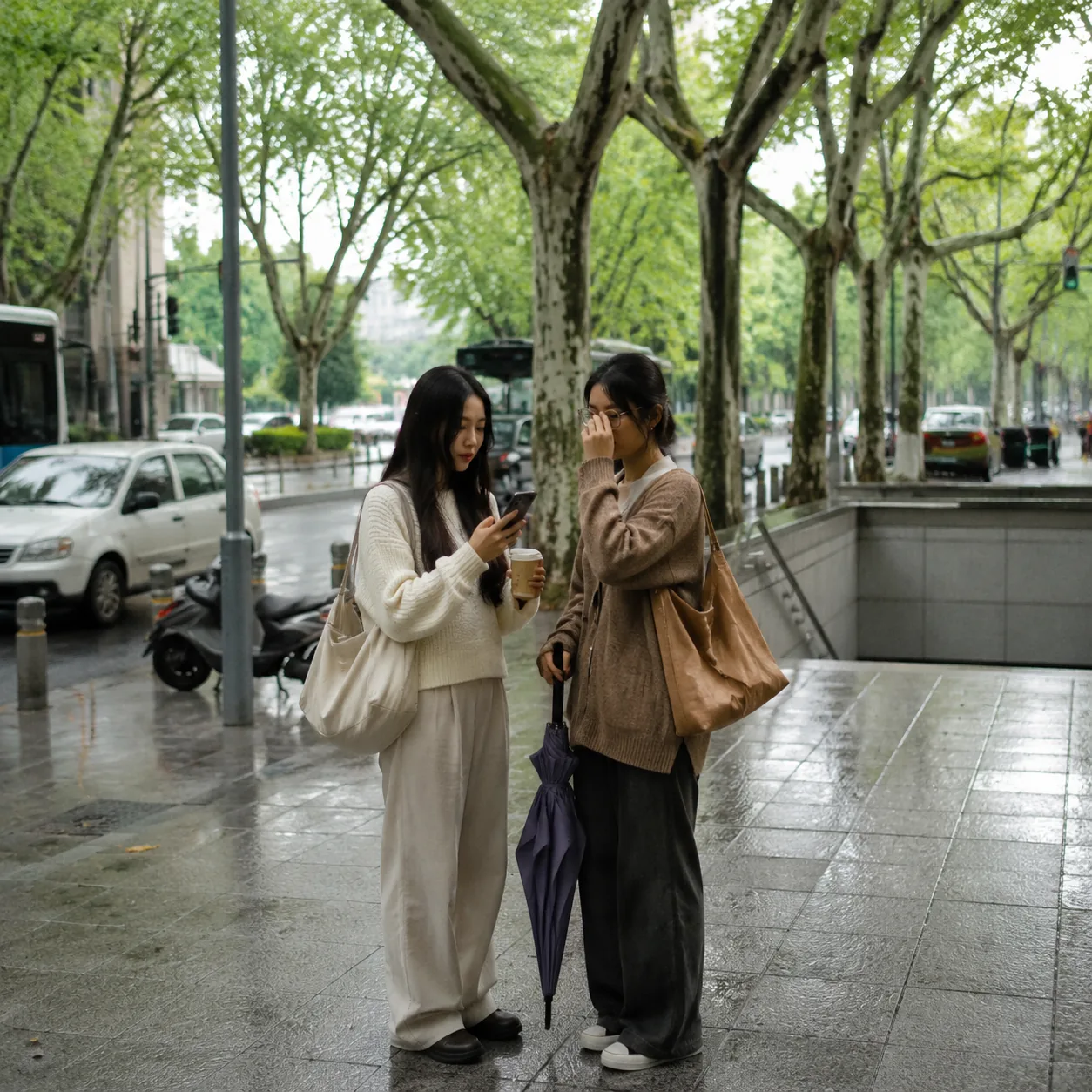
After the Rain in Nanjing, I Let My Itinerary Go Beneath the Plane Trees
At 4:17 in the afternoon on April 12, 2025, I stood outside the Shanghai Road metro exit in Nanjing, my shoes pressing against bricks freshly washed by rain, while I held a cup of
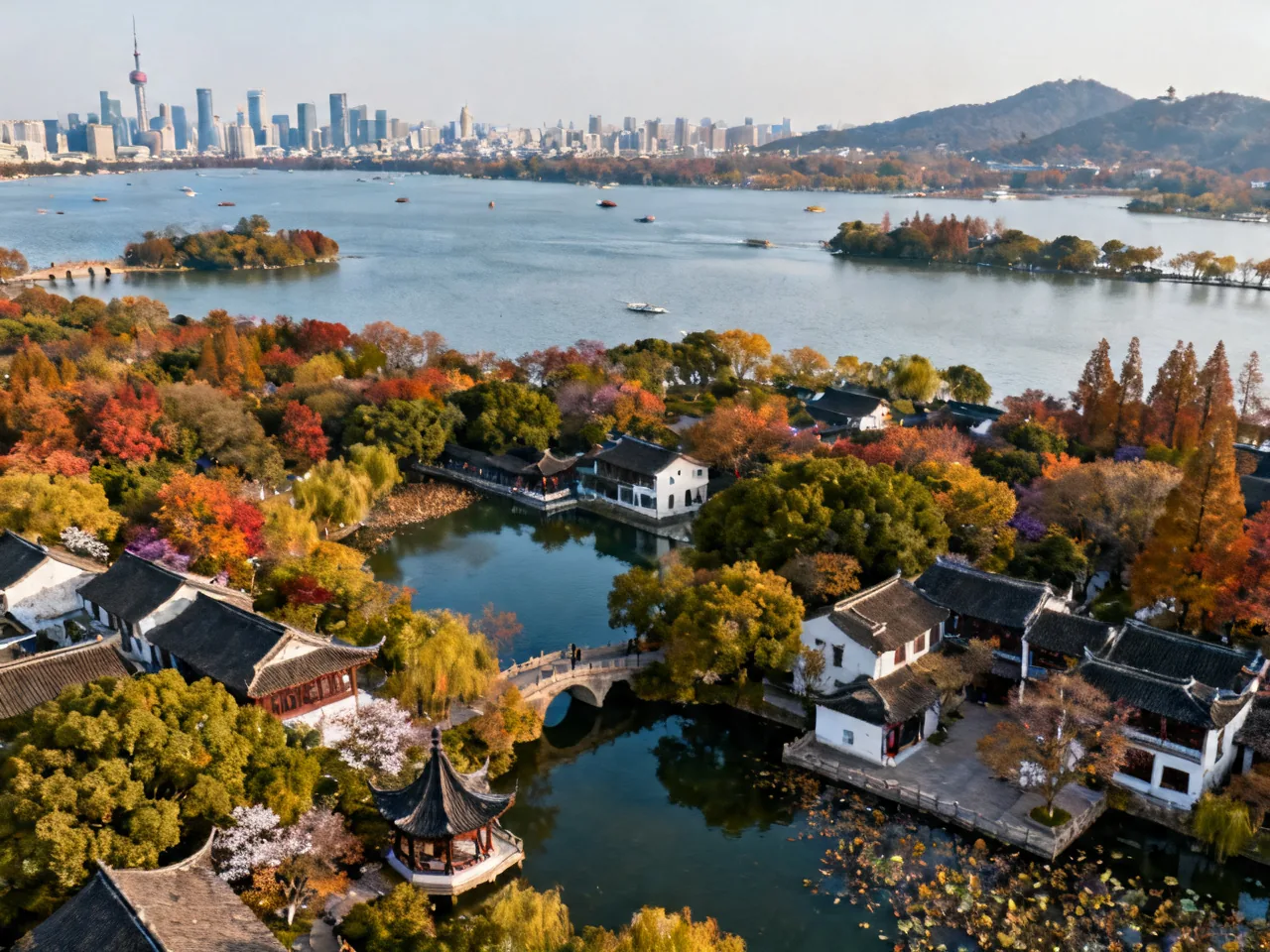
10-Day East China Five-City Loop
Shanghai, Hangzhou, Suzhou, Nanjing, Huangshan — five cities, one loop. This guide covers transport links, pacing, and the highlights of each stop so you never backtrack.
Shanghai: Two Shores of the Huangpu, Foreign Architecture and a Skyline
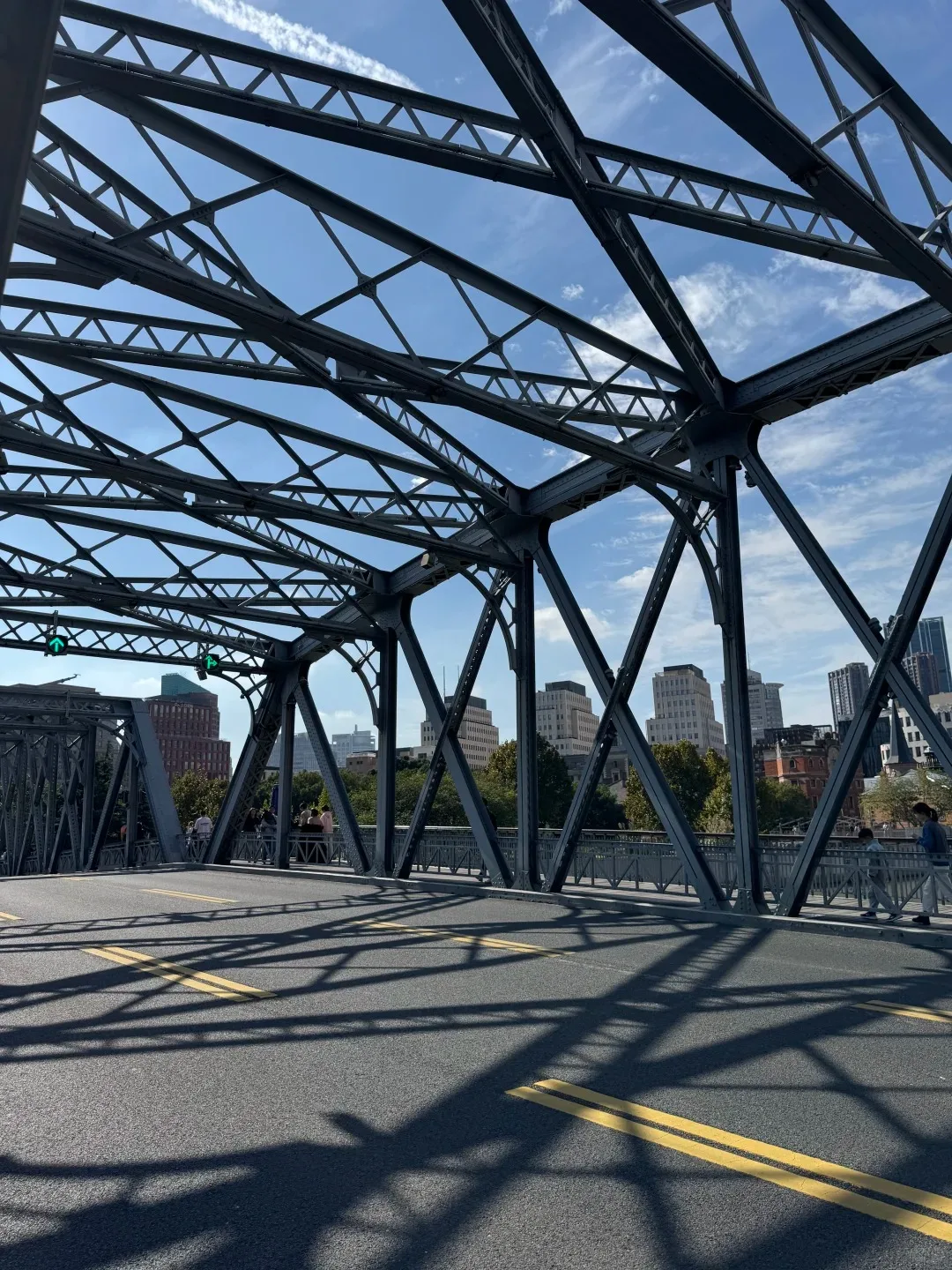
Shanghai goes by the short form Hu and the old name Shen, sits where the Yangtze meets the sea and belongs to East China. The Huangpu divides the city in two: west, the foreign-built architecture, lane houses and plane-tree streets of the treaty-port years; east, the towers of Lujiazui. From the museum at People Square to the Bund, across on a two-yuan ferry, up to the 546-metre deck of the Shanghai Tower; then turn into the old town for Ming rockeries at Yu Garden, the nine-turning bridge at the City God Temple, or an afternoon in the narrow lanes of Xintiandi and Tianzifang.
In Shanghai I Learned to Read the Metro Exit Area Before Choosing a Café
The first time I seriously tried to find a place in Shanghai where I could sit and work for half a day, I did not begin with review scores. I began with the first few seconds after
The Art of Gift Giving in China
Last Chinese New Year, I stood in a shopping mall on Nanjing Road in Shanghai, clutching a gift list and sweating bullets. The list read: boss, landlady, girlfriend's parents, coll