 Travel Notes
 White Cloud Temple: The First Abbey of the Quanzhen Order
No. 9 Baiyunguan Street, Xicheng district. One of the three great abbeys of the Quanzhen school and the seat of the Taoist Association of China, covering some 60,000 square metres with about 12,000 built. Listed as a national protected site in 1988.
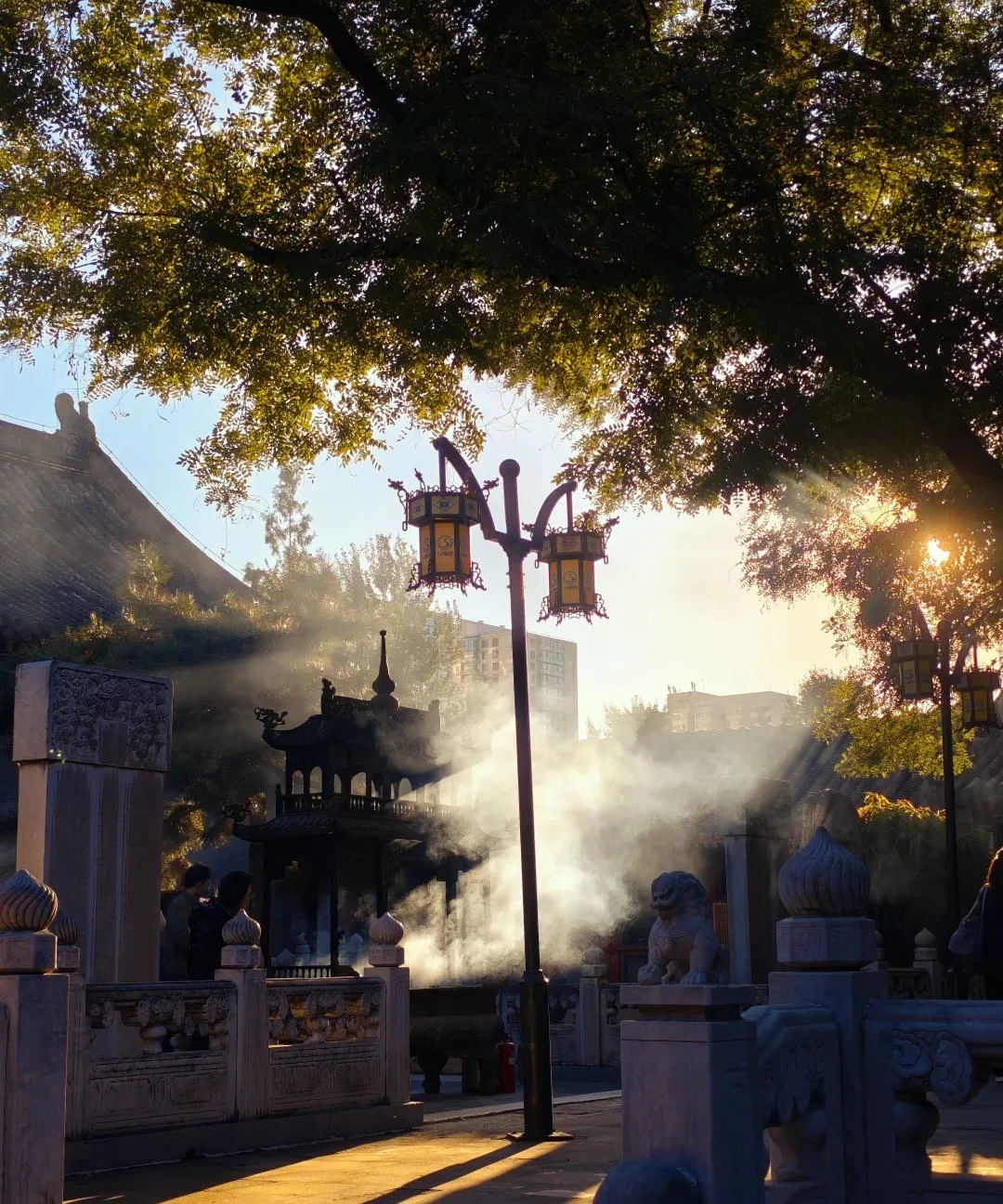
Four names, six hundred years
- 739: under Emperor Xuanzong of Tang, a Tianchangguan is built at Youzhou (today’s Beijing) to sacrifice to Laozi; one of the earliest Taoist monasteries in the north
- 1156–1161: the Jin emperor Wanyan Liang enlarges it and renames it Taijigong
- 1227: after Qiu Chuji returns from his summons by Genghis Khan, the Mongol court renames it Changchunguan; after his death his disciple Yin Zhiping builds a hall to the east, the Chushun hall, where his bones are buried
- 1394: Zhu Di rebuilds the complex, which takes the name Baiyunguan after the old name of the Chushun hall
- Qing dynasty: repaired under Kangxi, Yongzheng, Qianlong and Guangxu; most of what stands today is Qing work
- 1957: the Taoist Association of China is founded here
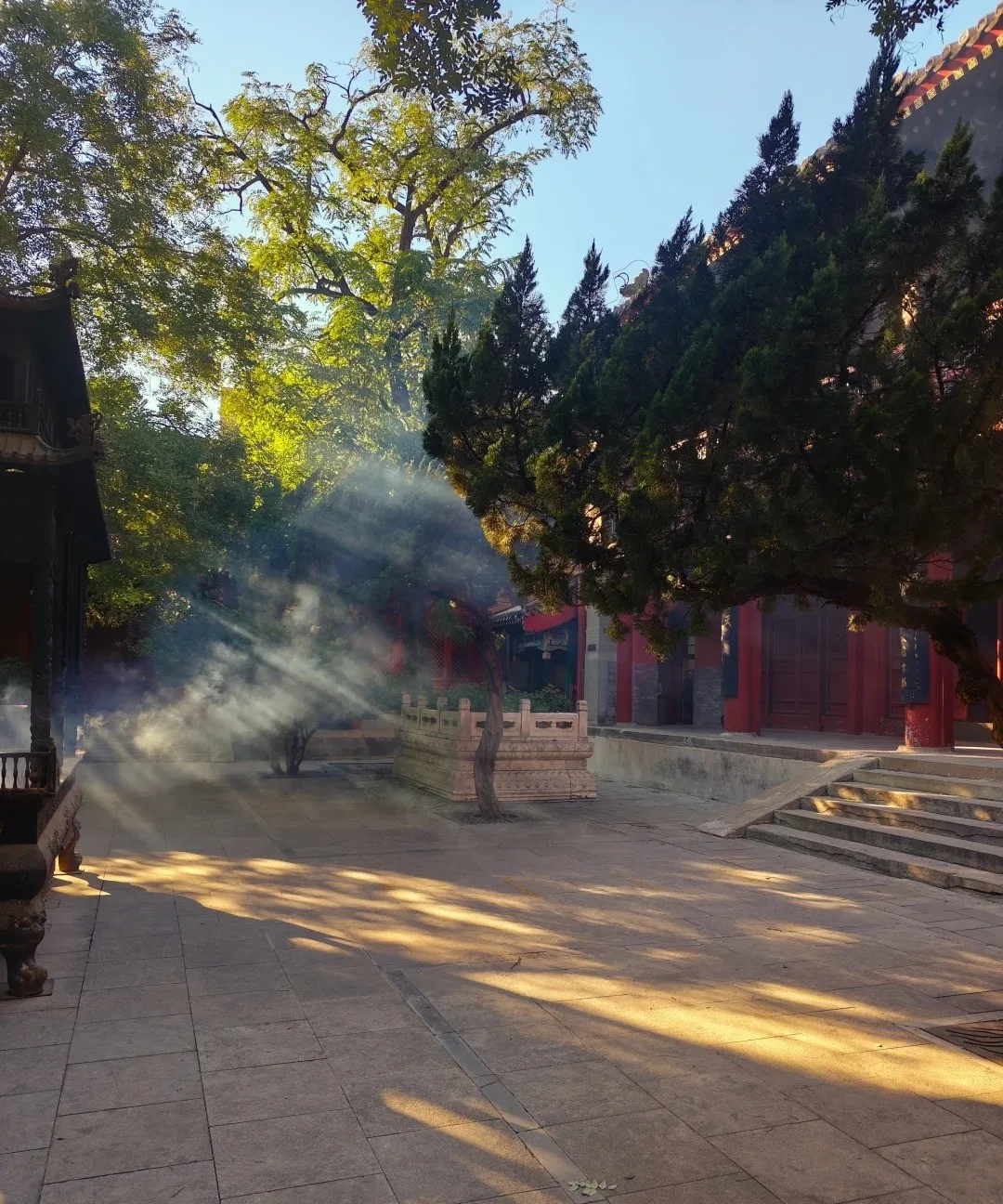
Walking the axis
Screen wall, pailou, mountain gate, hall of the guardian spirit, hall of the Jade Emperor, hall of the seven masters, hall of Qiu, pavilion of the three purities, and the Yunji garden.
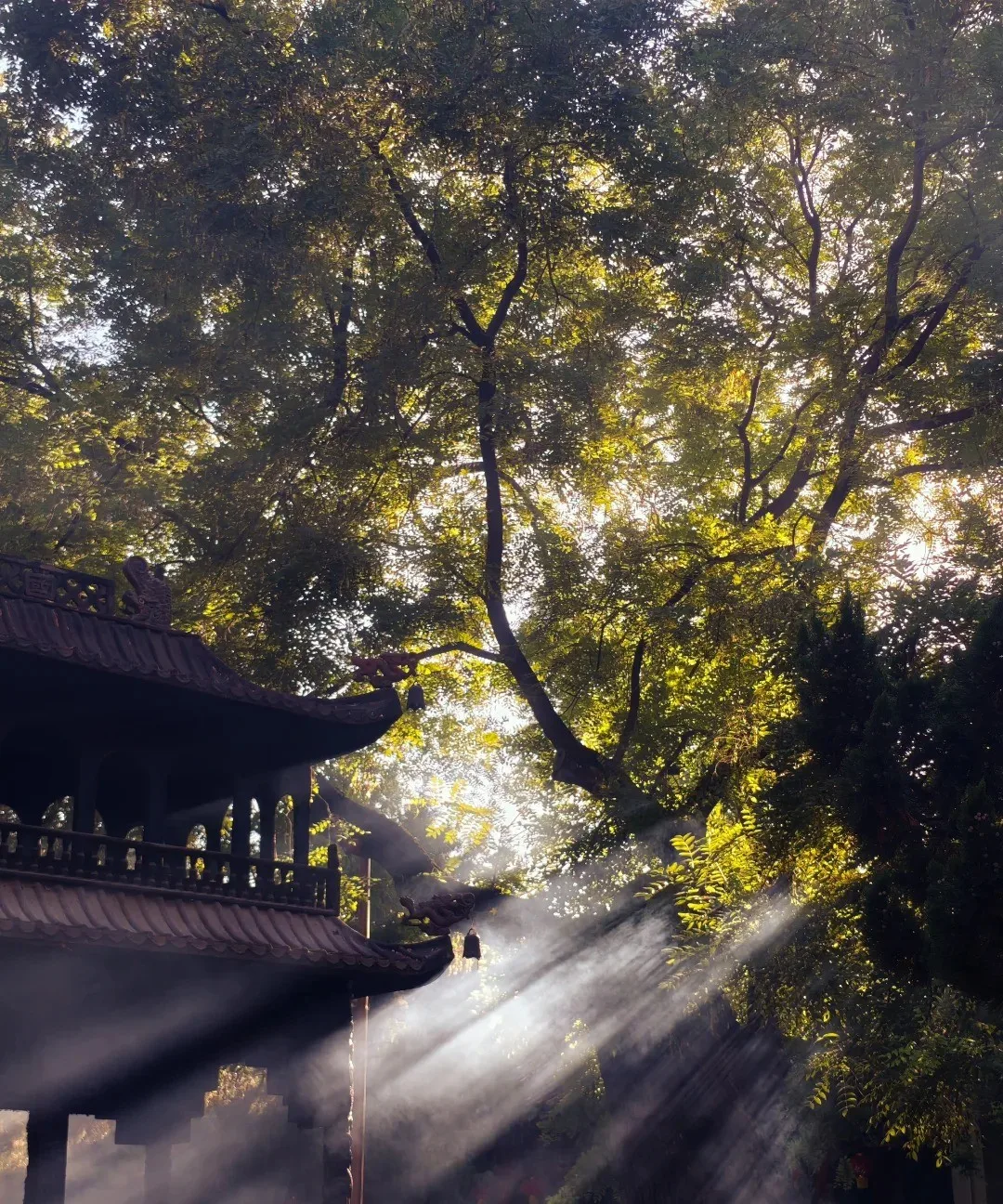
- Mountain gate: three bays, hip roof, a board reading “Baiyunguan, built by imperial order”, a pair of stone lions in front
- Hall of the guardian spirit: Wang Lingguan is worshipped inside; the murals, depicting him subduing demons, are Ming work
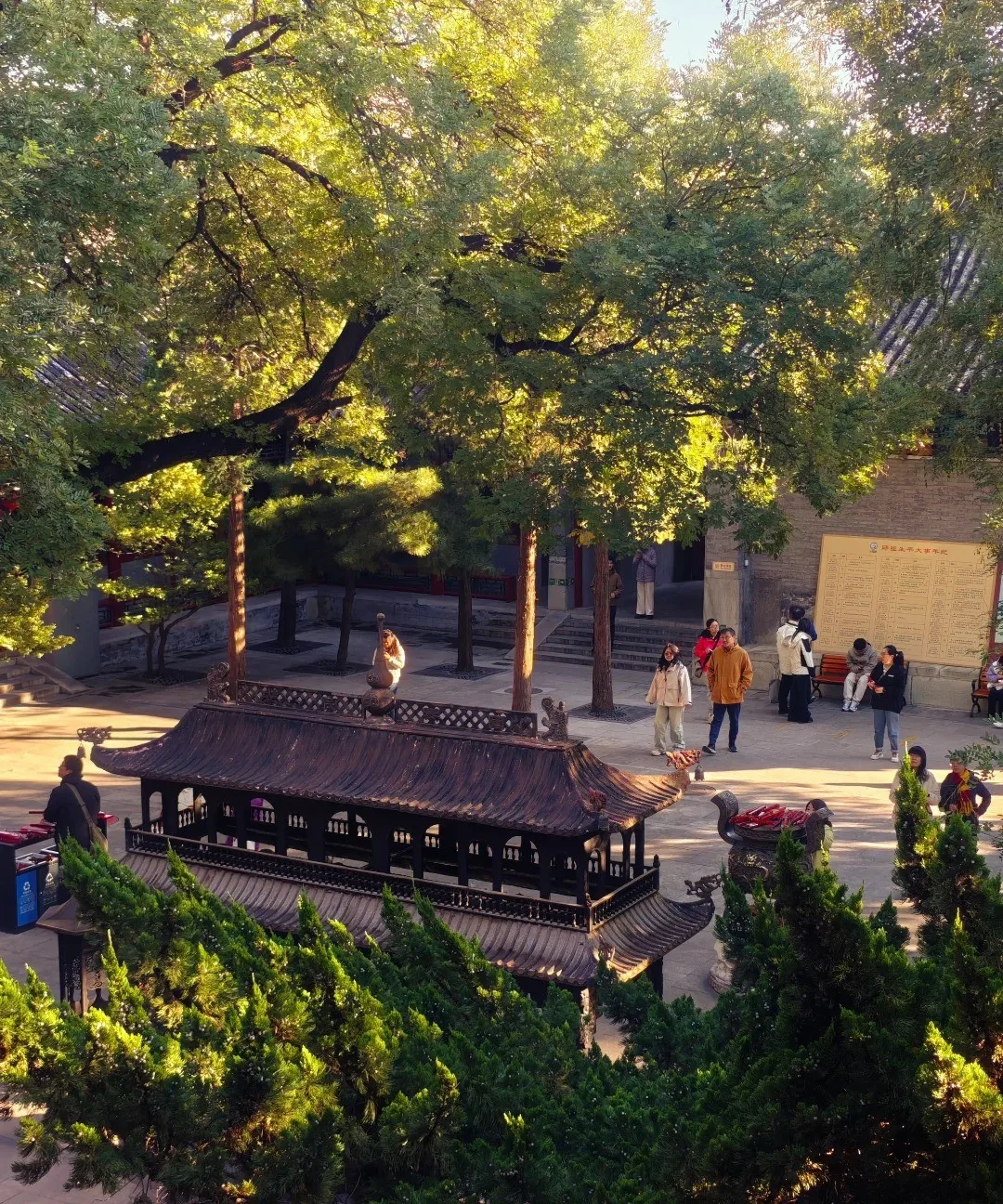
- Hall of the Jade Emperor: five bays, single-eave hip roof, a fine painted ceiling, a bronze statue of Yuandi, and a Ming bronze censer in front
- Hall of the seven masters: formerly the seven-real hall, holding the seven Quanzhen disciples, where the priests read the scriptures and perform rites; a board reading “Langshen zhenjing”, written by the Kangxi emperor, hangs inside
- Hall of Qiu: formerly the Chushun hall, three bays under green glazed tiles, a Ming sculpture of Qiu Chuji with his bones in an underground chamber below
- Pavilion of the three purities: two storeys; the upper holds the Three Purities (Yuchi Yuanshi Tianzun, Lingbao Tianzun and Daode Tianzun), the lower the four sovereigns
- Yunji garden: the rear garden, built in the Qing, with rockeries, pavilions and a covered walk called Xiaopenglai
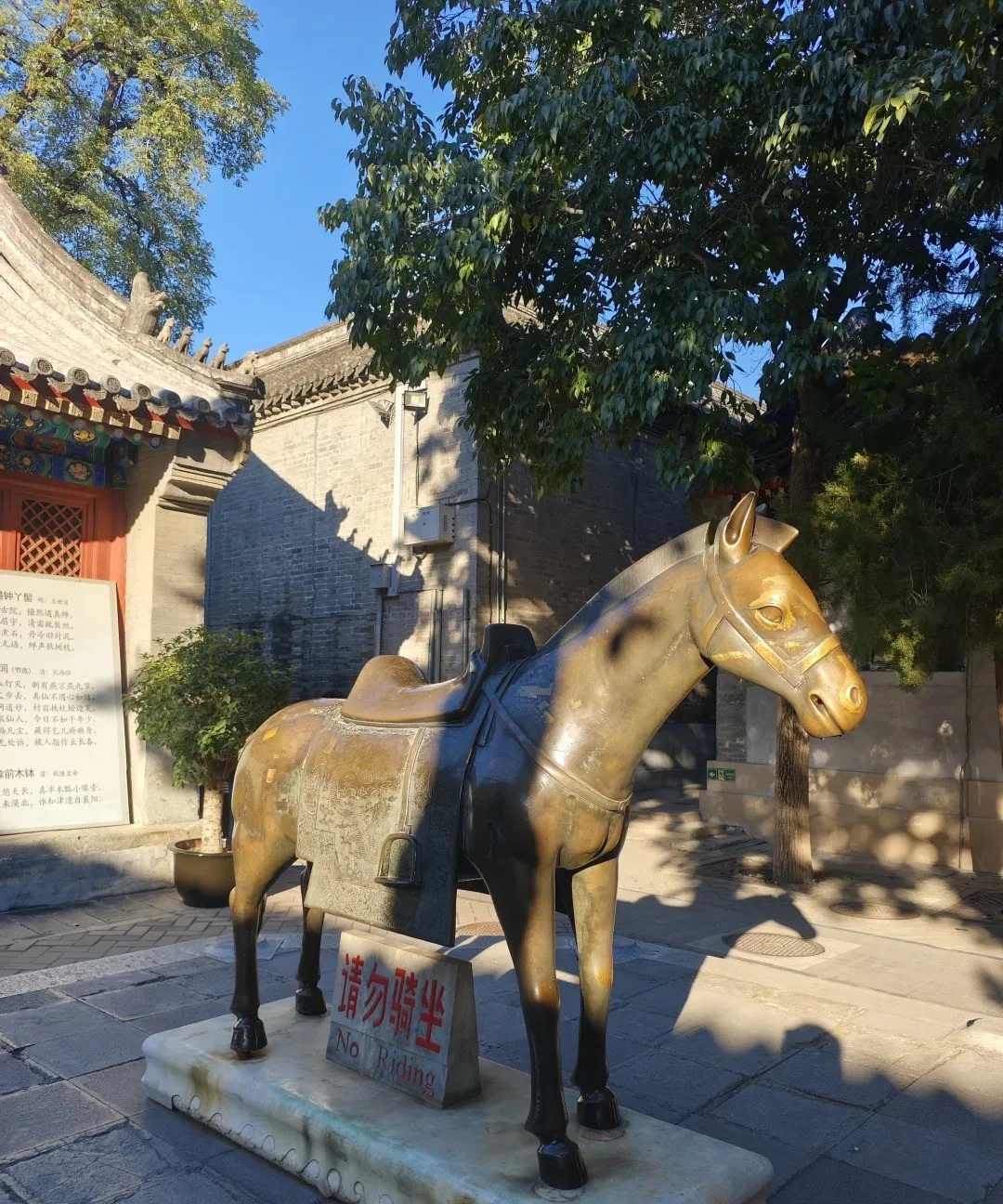
Two collections not to miss
One is the canon kept in the upper storey of the pavilion of the three purities: the Daozang of the Zhengtong reign, 5,305 juan, compiled by imperial order and the only official edition still in existence.
The other is the stone script of the Laozi, written by the Yuan calligrapher Zhao Mengfu, now in the corridor of steles inside the grounds.
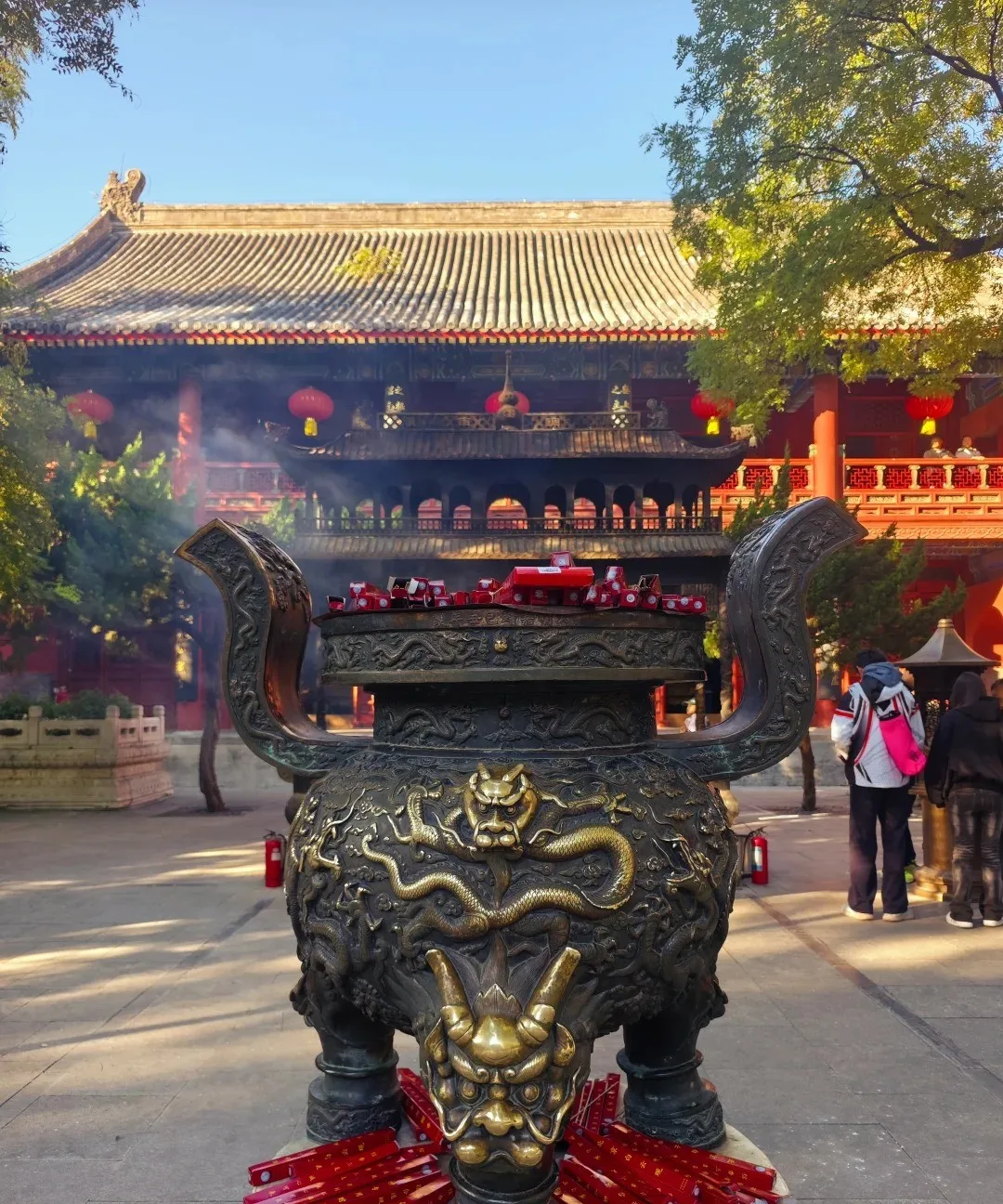
The Yanyou festival
On the nineteenth day of the first lunar month the temple keeps the Yanyou fair in memory of Qiu Chuji’s birth, a custom that began in the Yuan and has never stopped. It is now part of Beijing’s intangible cultural heritage, and the grounds fill from morning to night with incense, snacks and folk performance.
Practical information
- Hours: 8:30–16:30 in summer, 8:30–16:00 in winter. Closed Mondays except public holidays
- Tickets: 10 yuan; half price for seniors over sixty and students
- Phone: 010-63463531, the temple office
- Metro: Line 1 to Muxidi, exit C, about fifteen minutes on foot
- Bus: routes 26, 45, 80 and special 19 to Baiyunguan
- Driving: no parking in the grounds; use street parking on Baiyunguan Street or the lot under Tianning Bridge
- Note: no smoking or loud voices; do not use flash photography; respect the rites and do not touch the statues
Related reading
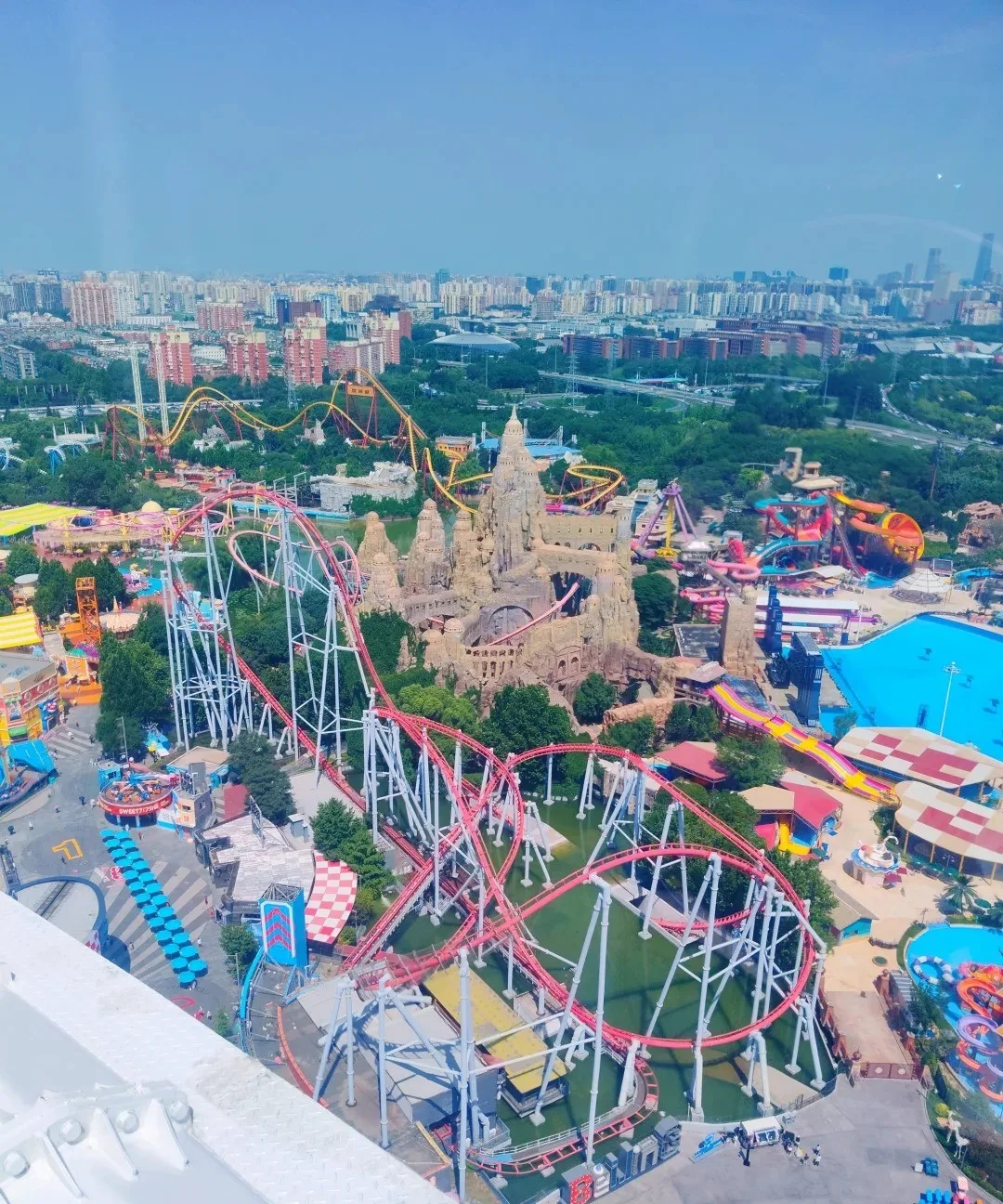
Beijing Happy Valley: One Route Round the Park, Six Roller Coasters
In the southeast corner of Dongcheng's fourth ring, 560,000 square metres and seven themed areas hold China's first launch coaster: 135 km/h, sixty metres high, thirty seconds end to end.
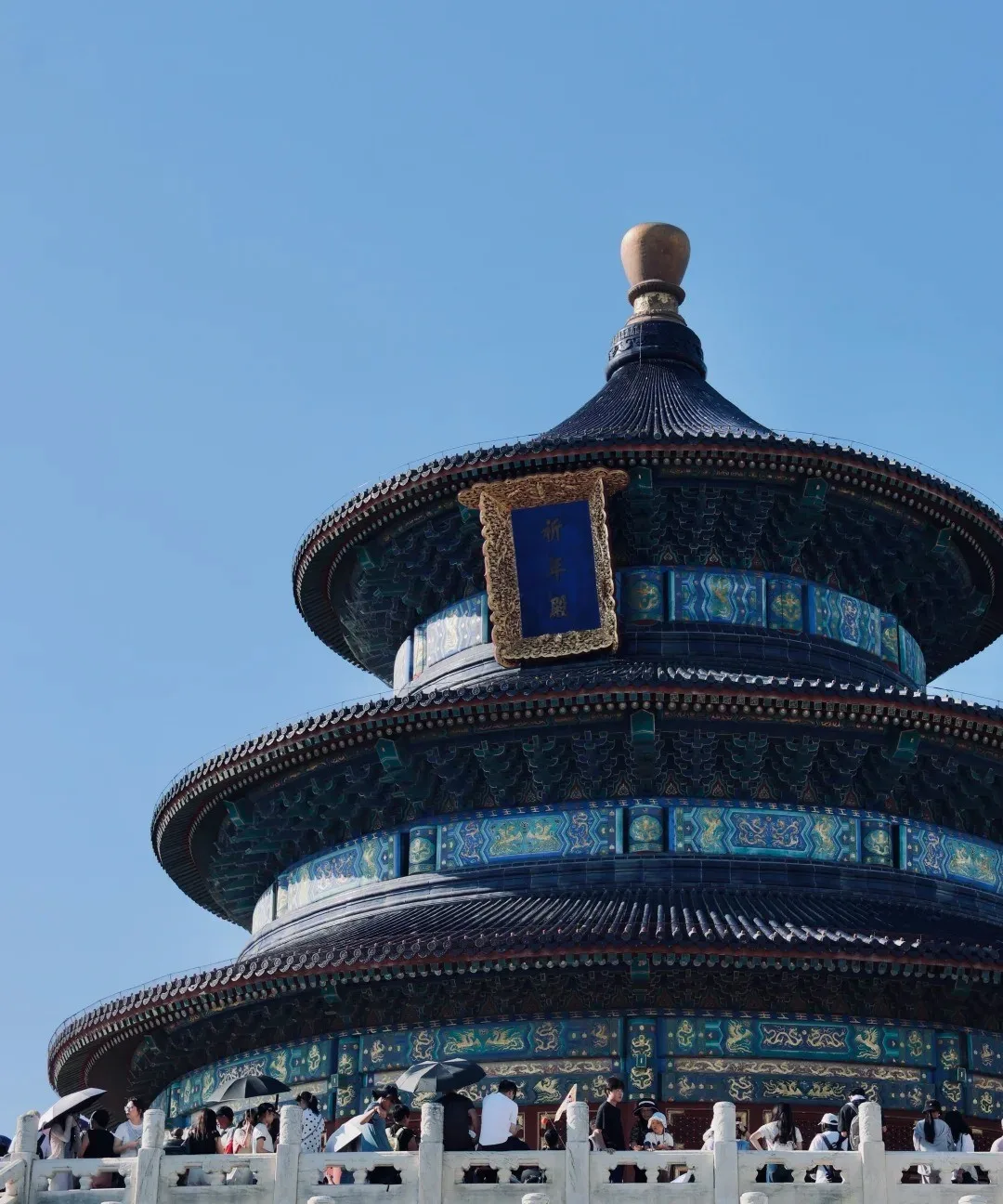
Temple of Heaven: Where the Square and the Circle Met
A circle at the north, a square at the south, and a 360-metre stone causeway running between them to the Hall of Prayer for Good Harvests. The Temple of Heaven turned an idea about the sky into a place you can walk through — sound skims along its walls, and every count of stone is a multiple of nine.
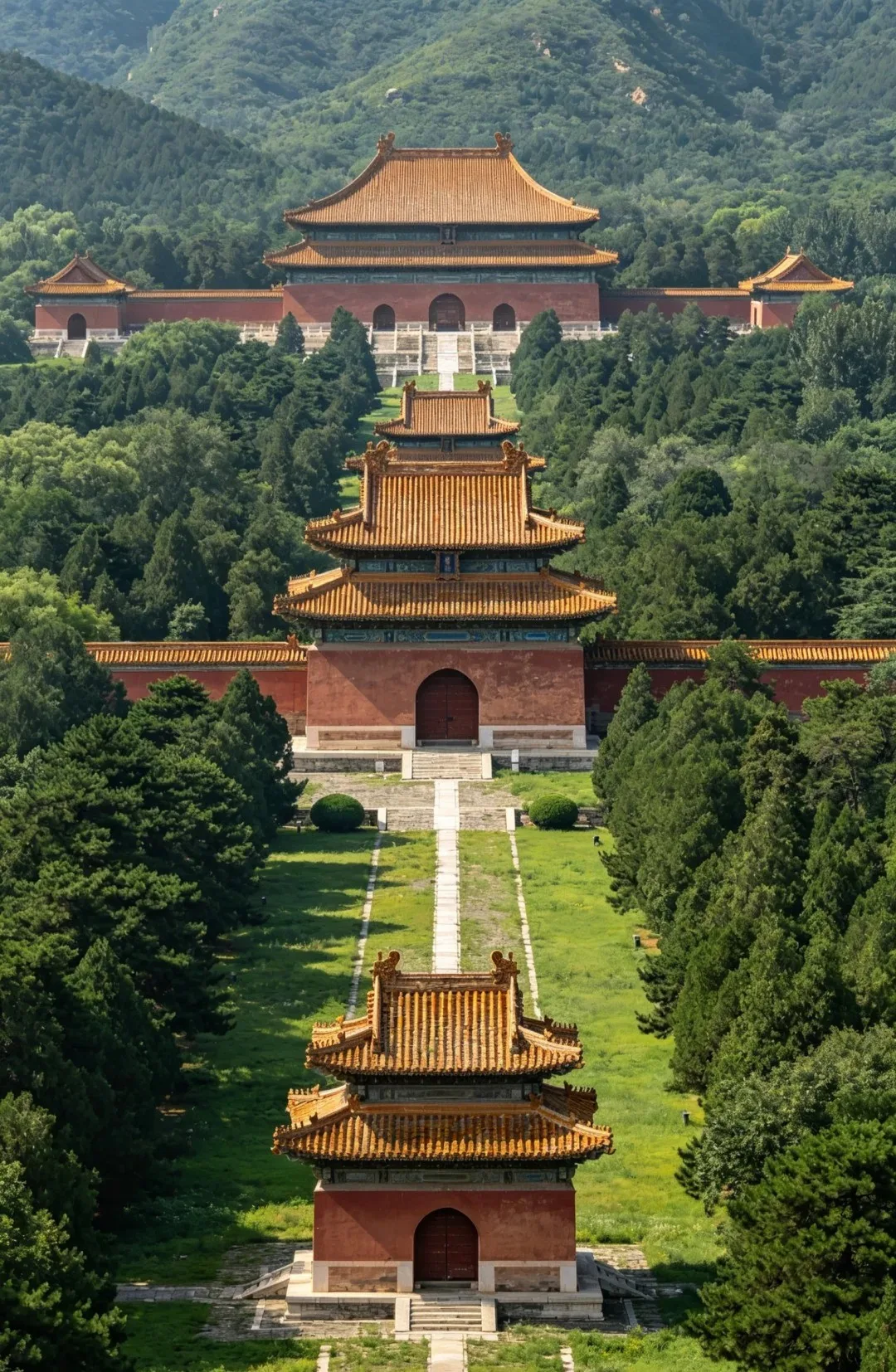
Ming Tombs: Thirteen Emperors in One Mountain Basin
In a forty-square-kilometre basin south of Tianshou Hill lie thirteen emperors of the Ming: the founder's son who moved the capital, the ruler who held no court for twenty-eight years, the last one who hanged himself on Coal Mountain. One stone sacred way, lined with carved animals, links all thirteen.
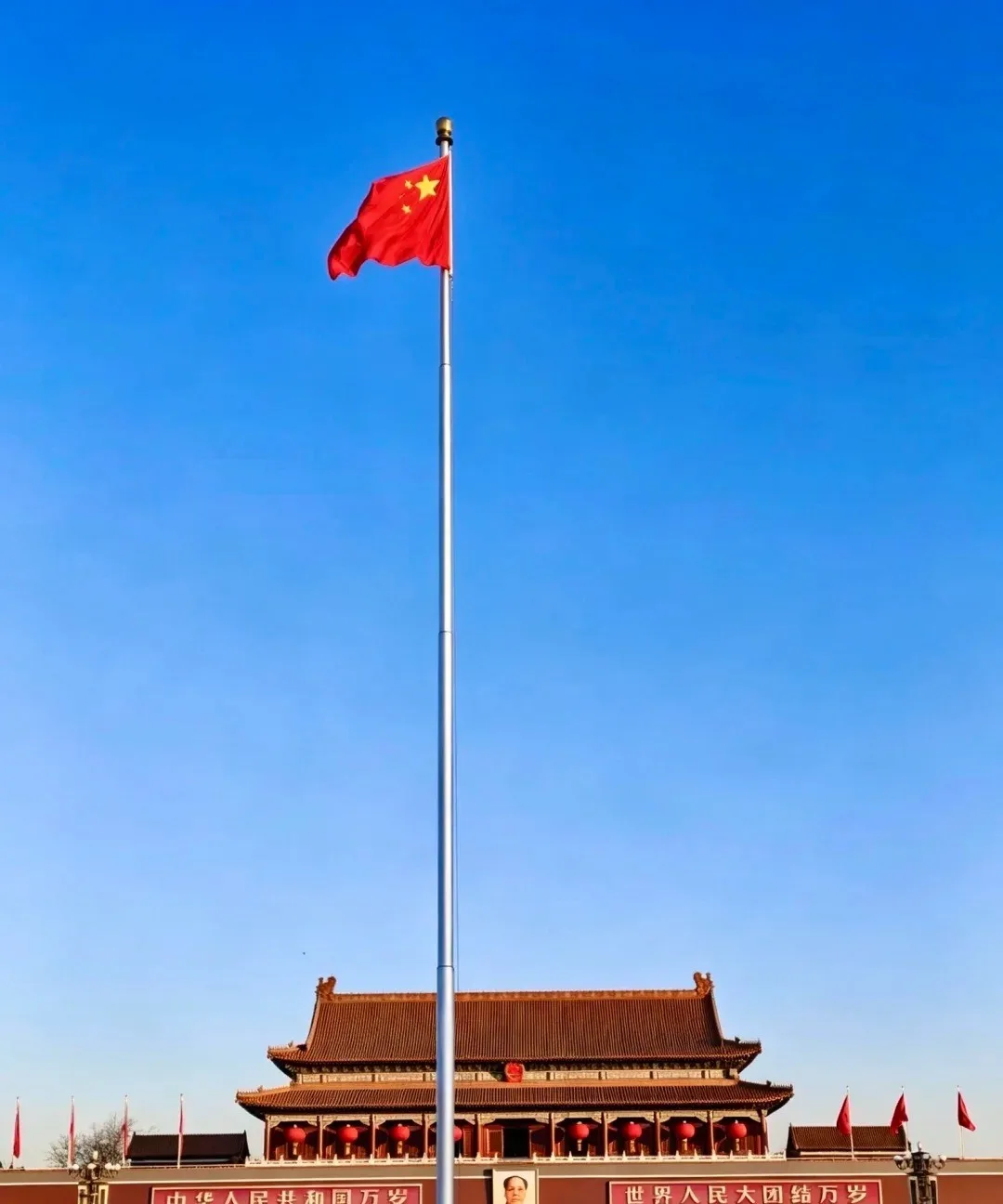
Tiananmen Square: An Eight-Hundred-Metre Central Axis
Eight hundred eighty metres north to south, five hundred east to west, 440,000 square metres, room for a million people. In the Ming and Qing it was a T-shaped street that ordinary subjects could not enter; only after the founding ceremony of 1 October 1949 did it become what it is.
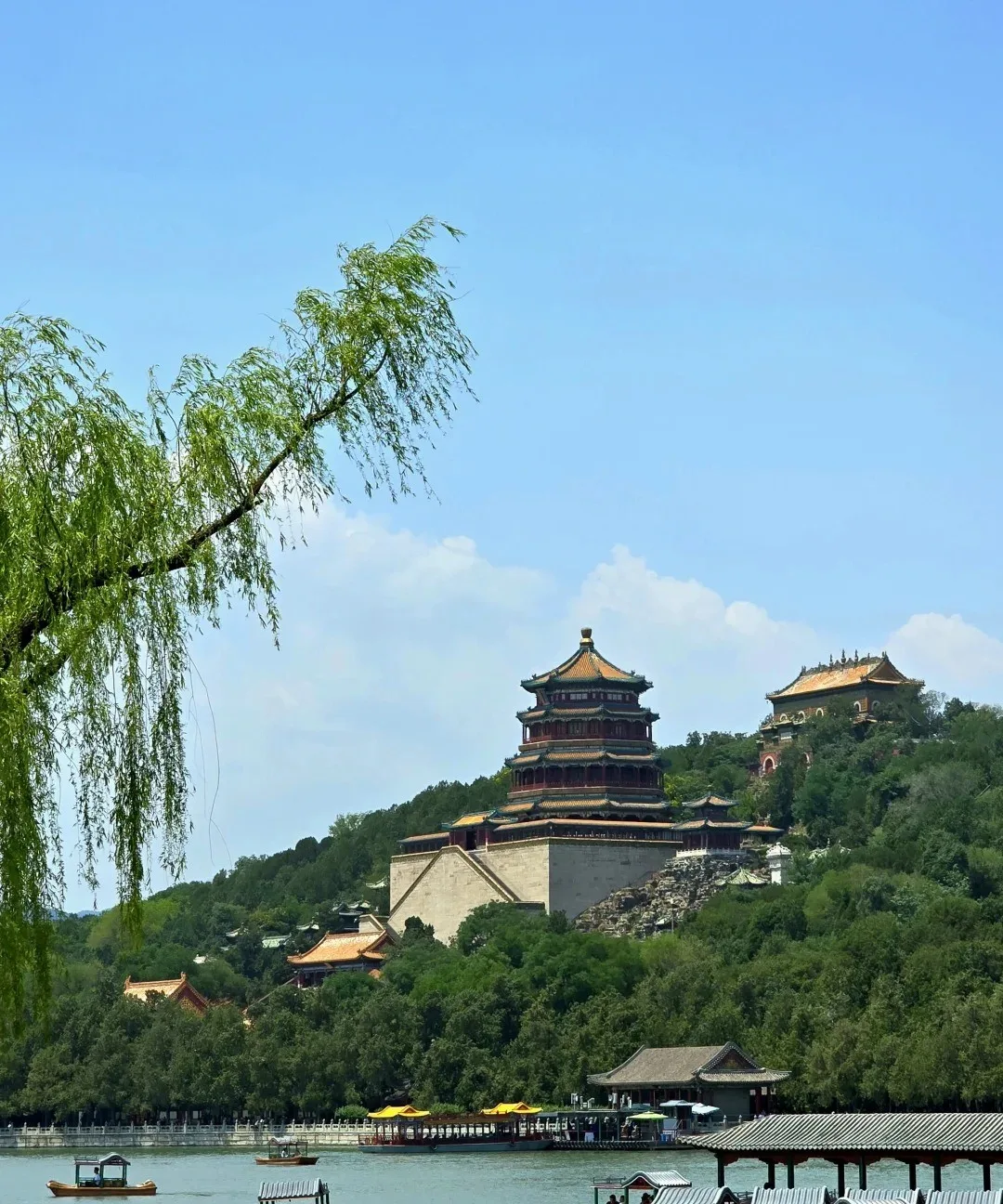
Summer Palace: A Southern Landscape Transplanted to the North
Trying to honour his mother's sixtieth birthday, the Qianlong emperor reworked the western water system and in the process left behind three hundred hectares of lake in north-west Beijing. The long corridor runs 728 metres, Kunming Lake covers 220, and everything else is rockery, colonnades and a stubborn idea of the south.