 Travel Notes
 Panshan: The First Mountain East of the Capital
Panshan sits about twelve kilometres northwest of Jizhou district, Tianjin, on the southern edge of the Yan Mountains, long called “the first mountain east of the capital”. Covering some 106 square kilometres, its highest peak Guayue rises 864 metres; the granite massif, weathered over eons, throws up peaks of every shape. Its fame rests on four wonders — strange pines, odd rocks, clear springs and old temples — and on the Qianlong emperor, who climbed it thirty-two times and left the line “had I known Panshan, why go south of the river” (folk lore, but it captures northerners’ love for the mountain). Today it is a national scenic area and a 5A tourist attraction.
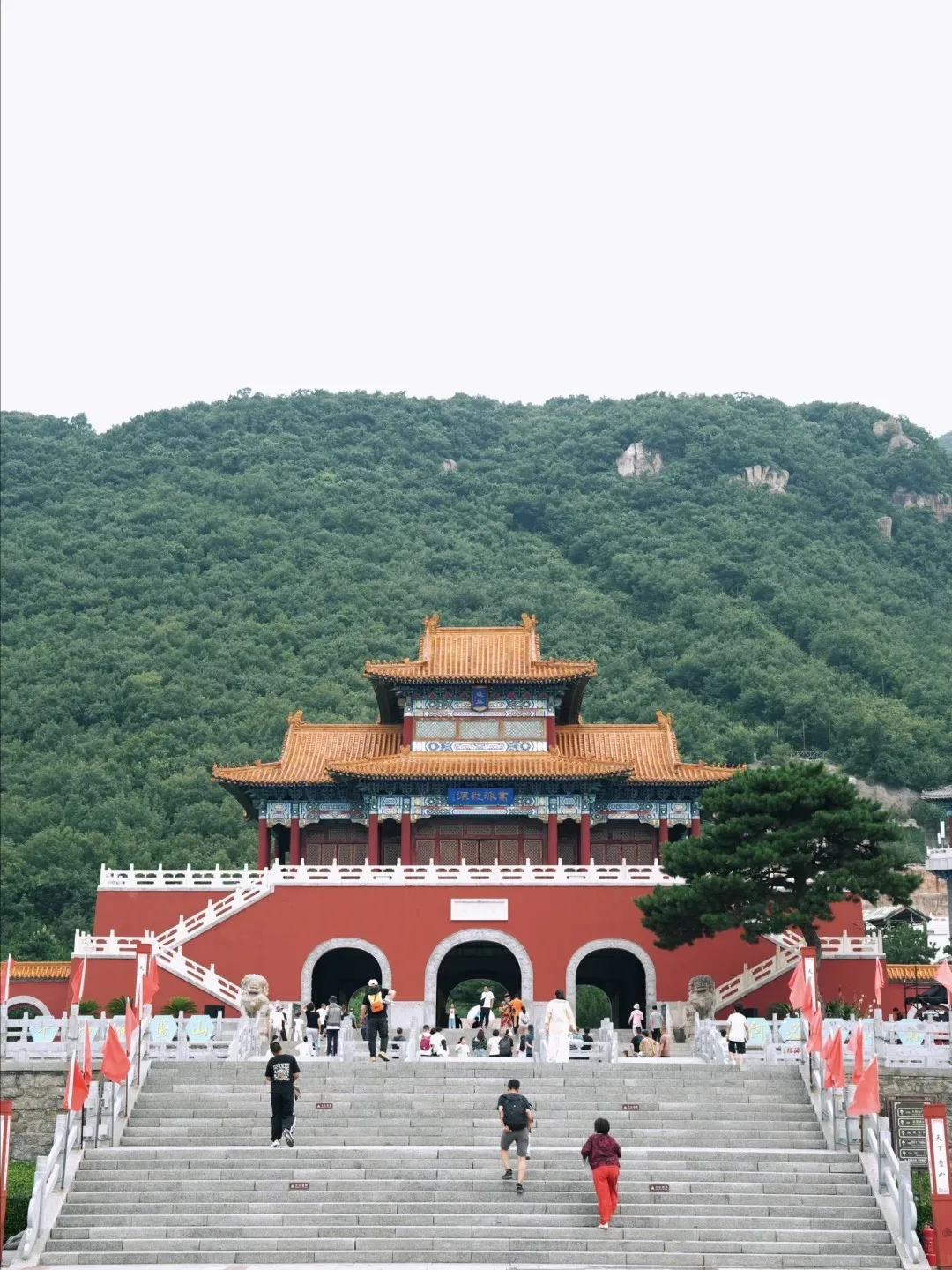
Three tiers — pines above, rocks middle, water below
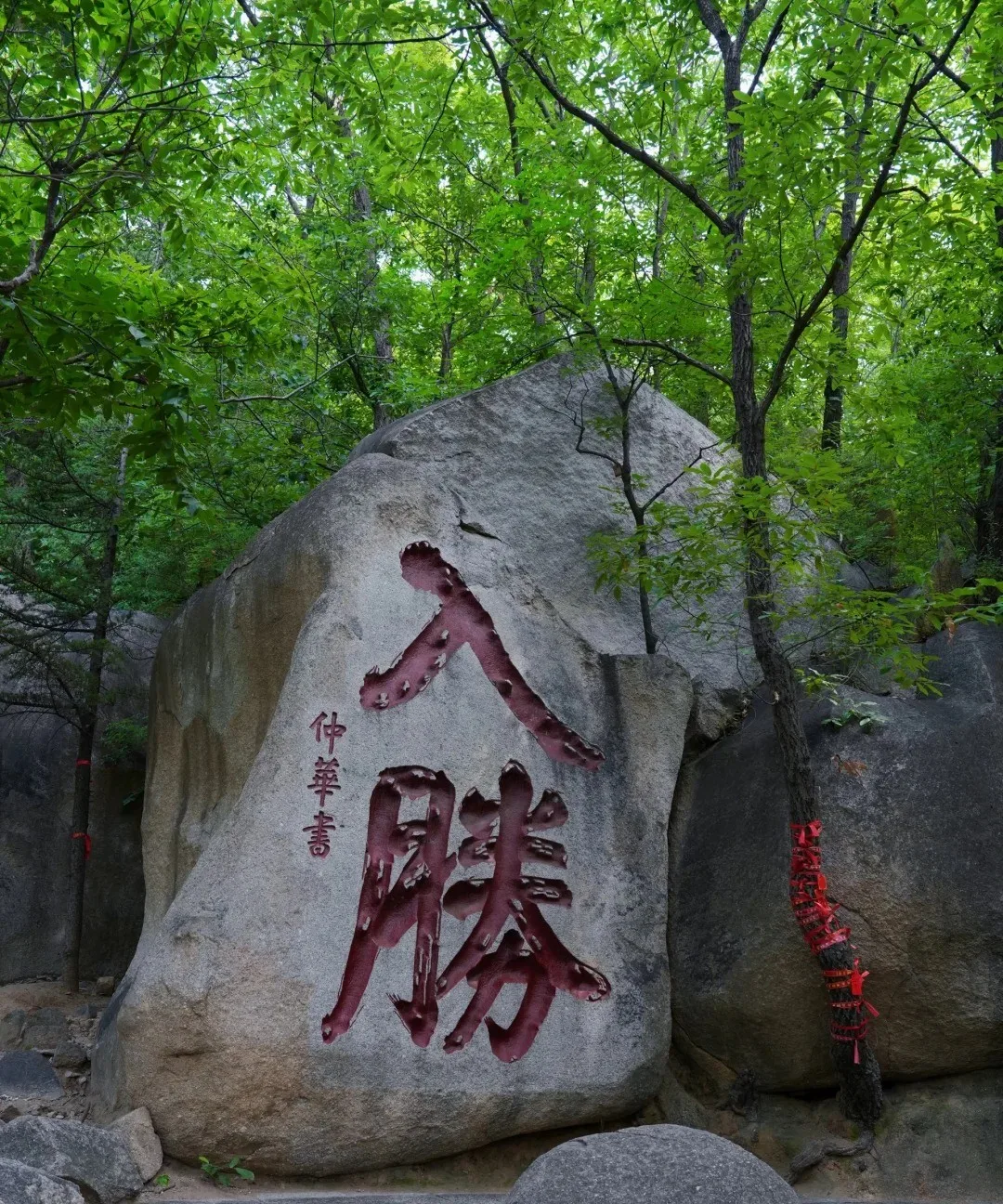
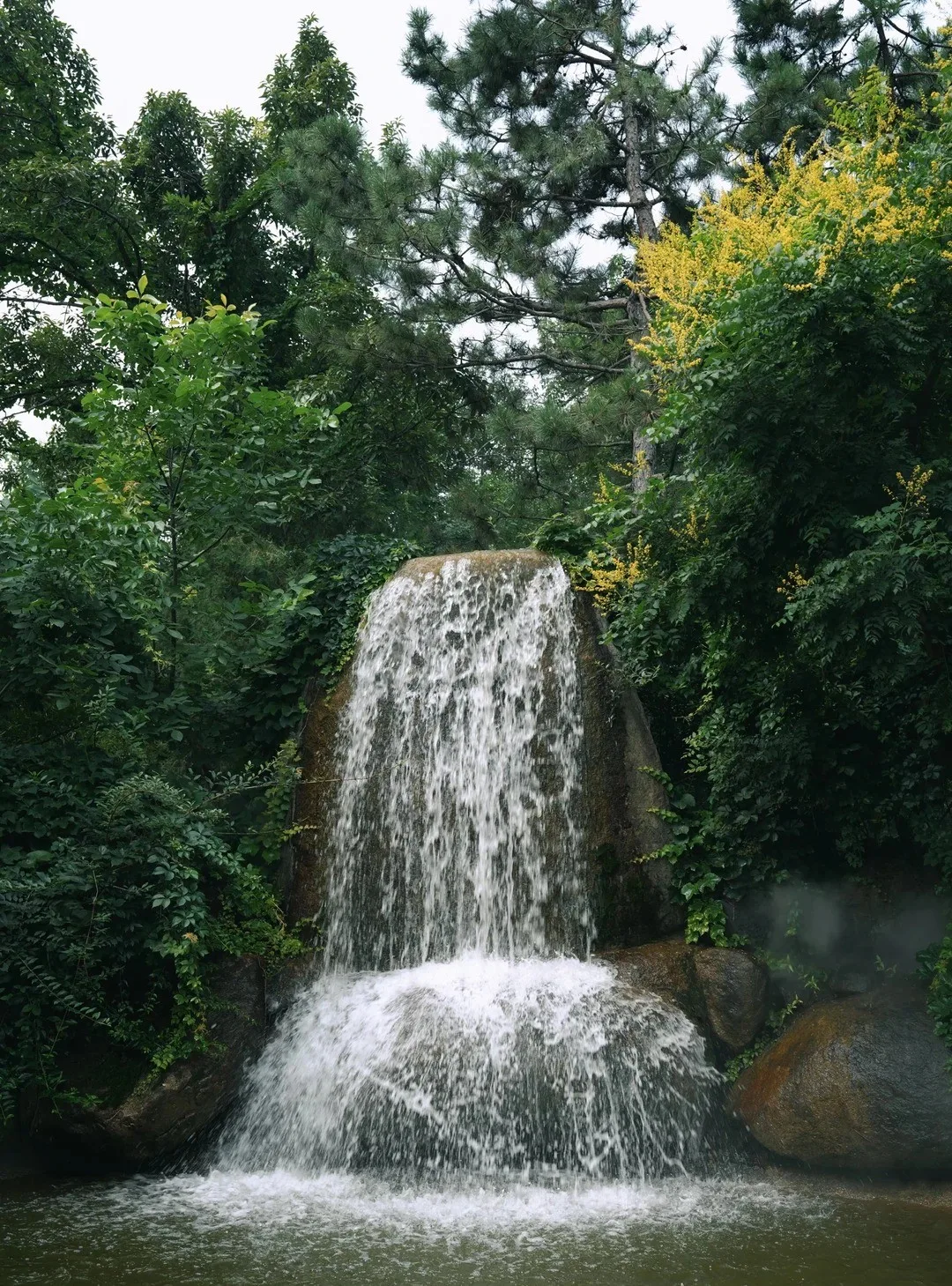
Panshan is laid out in “three tiers”: pines on the upper, rocks on the middle, water on the lower. The first stop is the lower Rushed-by-Beauty area, whose stone archway bears the Qing calligrapher’s inscription “Rusheng”; upstream is the “evening rain of three tiers” — mist and falling water after rain — and the Shuxia fall, about fifteen metres, a torrent in summer and an ice fall in winter. Its heart is Tiancheng Temple, begun in the Tang and rebuilt in the Ming, the most complete old complex on the mountain; a thousand-year cypress inside twists like a dragon, “the first cypress of Panshan”. West of it, the Liao-era Relic Pagoda is an octagonal thirteen-storey brick tower over twenty-two metres tall, among the oldest buildings here.
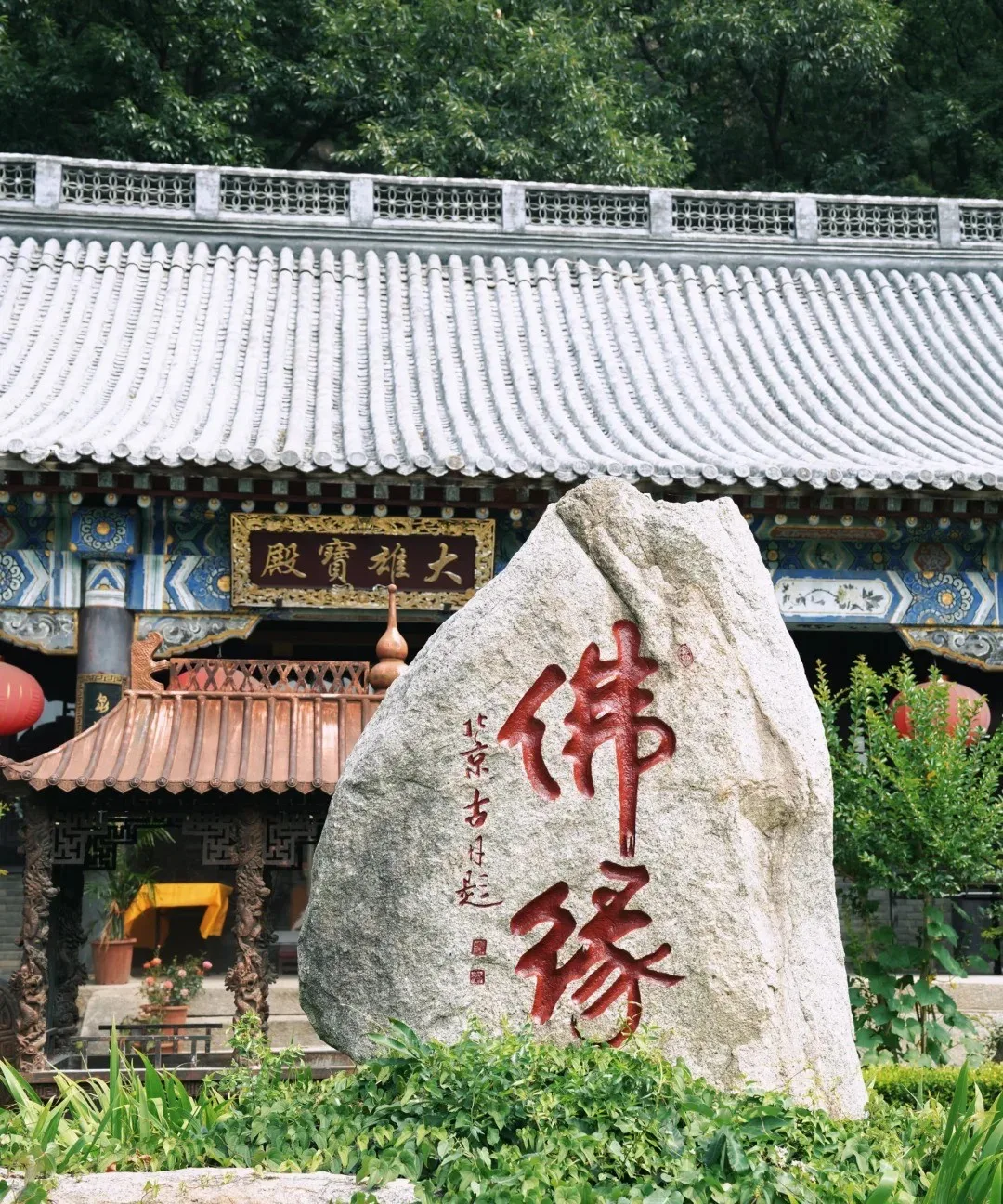
The middle tier wins by rock. Where the path steepens, General Rock, Hanging Rock, Shout-Cut Rock stand jagged, each with its folk tale. Wansong Temple, once the Li Jing hermitage named for the Tang general, sits among old pines; the “phoenix-spreading” pine is some eight hundred years old, its branches like wings. Higher, the South Gate of Heaven is the gate to Guayue’s summit, its name in Qianlong’s own hand, and beyond it the whole middle and lower mountain opens out.
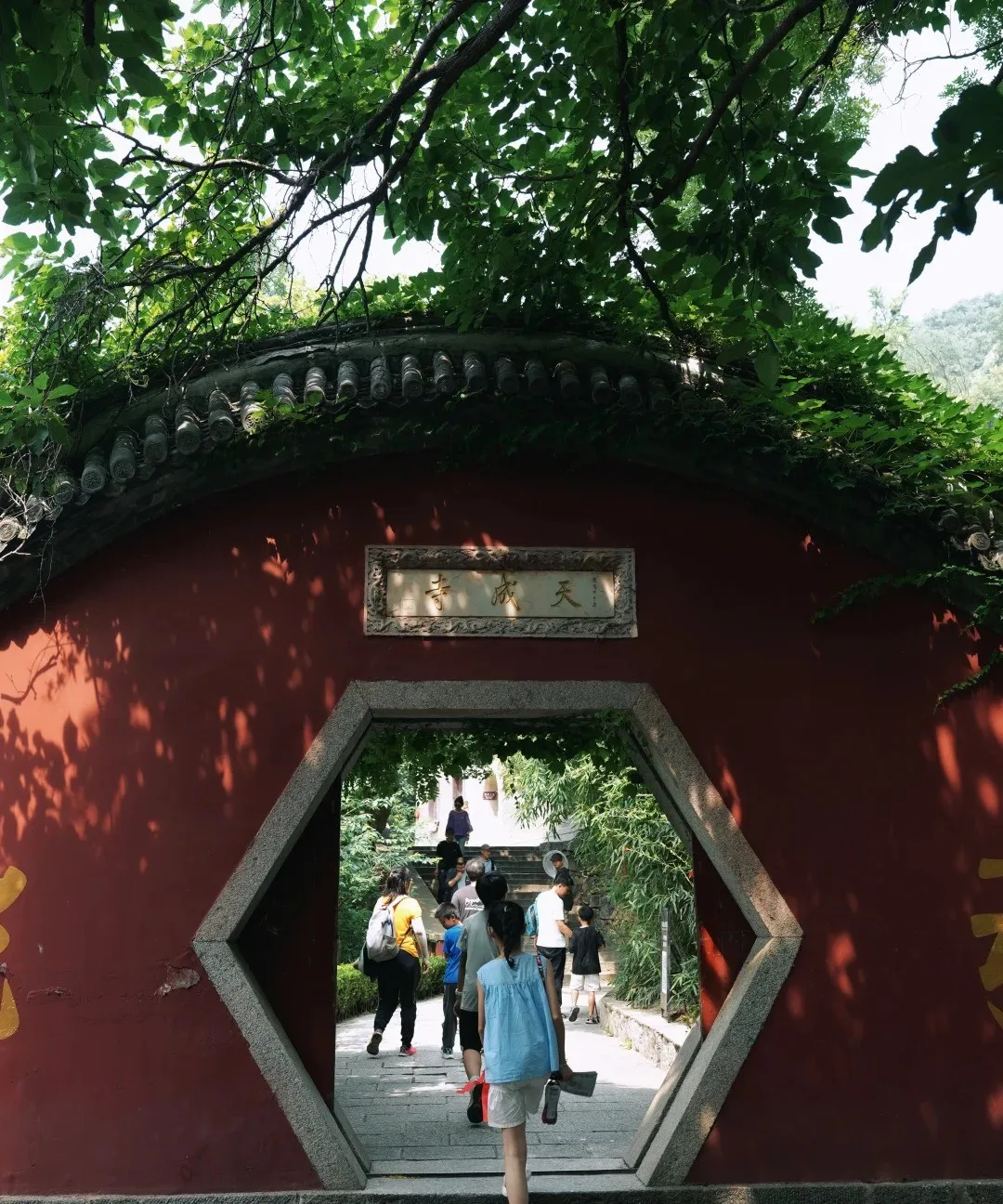
Upper temples and the villa ruins
The upper tier is known for pines; above six hundred metres the old pines are sturdy and sea of clouds often rolls. Yunzhao Temple, at the south foot of Guayue, was founded in the Tang and named for the mist it sits in — the highest-ranked Buddhist house on the mountain. The flat summit bears the Dingguang relic stupa; from the top you catch the sunrise east, the plain south, the Great Wall north. North of the peak, Jingji Shan zhuang was the Qianlong retreat built in 1744, about forty thousand square metres with over a hundred halls; only foundations and stone pieces remain, yet they are key evidence for Qing imperial gardens — the emperor’s thirty-two climbs mostly lodged here.
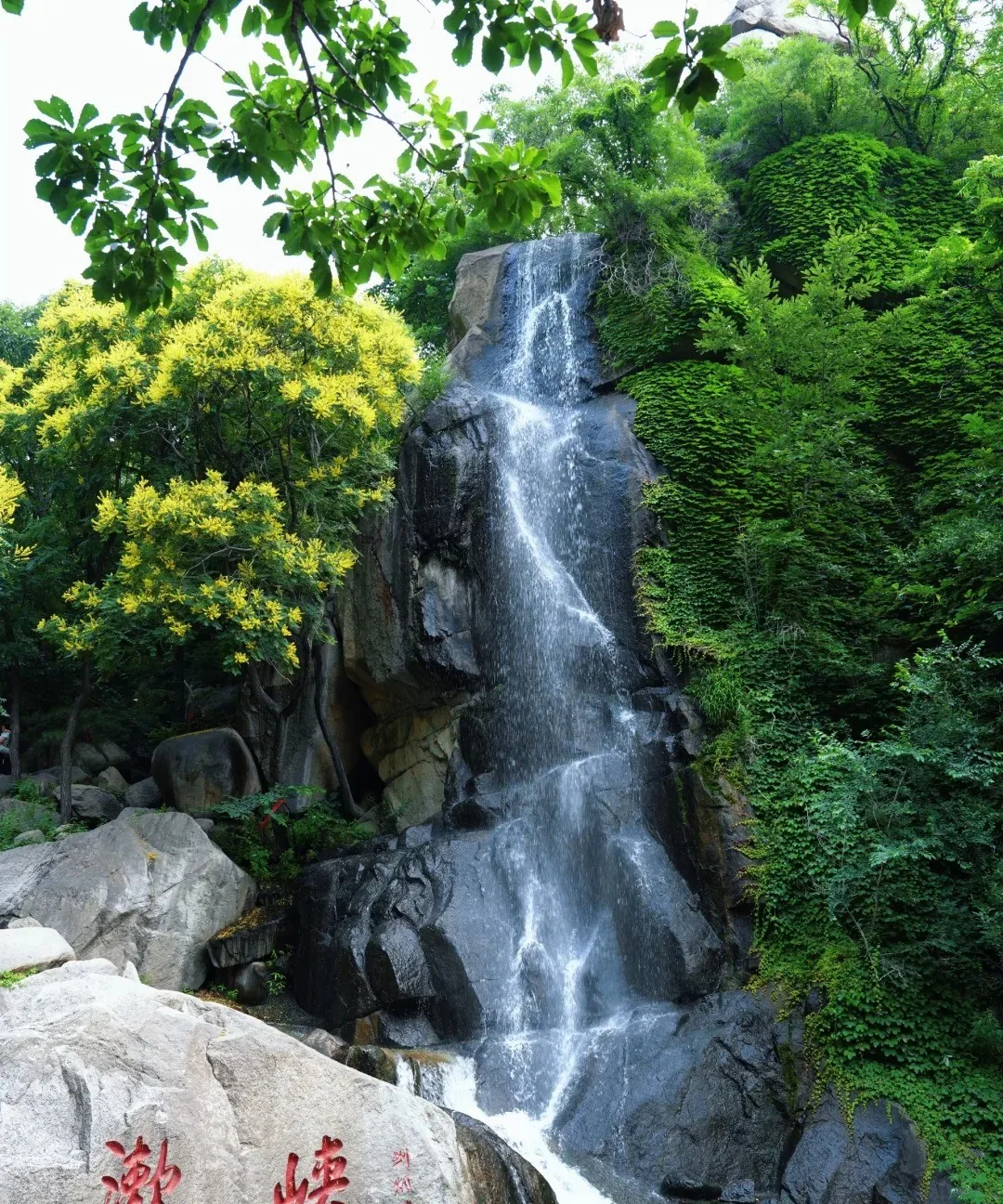
Where nature and culture meet
Panshan’s charm is that culture and nature never clash. The granite, weathered for eons, shapes General Rock and Hanging Rock; pines grow on cliffs, the Welcome Pine about fifteen metres, leaning out like a wave; springs from the rock seam string together the evening-rain fall, Shuxia and Dragon Pool into a cool line. Historically a northern Buddhist stronghold since the Tang, with seventy-two temples at its height; the Ming geographer Xu Xiake noted its landforms in his travel notes, the Qing painter Shi Tao painted the “Panshan Scroll”; in the war it was part of the East-Hebei base, and relics remain on the slopes.
Practical information
- Hours: high season (Apr–Oct) 8:00–17:00; low season (Nov–Mar) 8:30–16:30.
- Tickets: 78 yuan high season, 58 yuan low.
- Getting there: from Beijing via Jingping Expressway, from Tianjin via Jinji Expressway to Jizhou then to Panshan; or Tianjin Station by Jinji railway to Jizhou then a tourist shuttle.
- Route: Rusheng arch → Tiancheng → Wansong (South Gate) → Yunzhao → Guayue, about 4–5 hours on foot; a cable car (60 yuan one way) saves the weak.
- Best season: spring flowers, autumn red leaves, summer falls, winter snow.
Related reading
Dule Temple: The Liao-era Guanyin Pavilion Liang Sicheng Called a Priceless Treasure
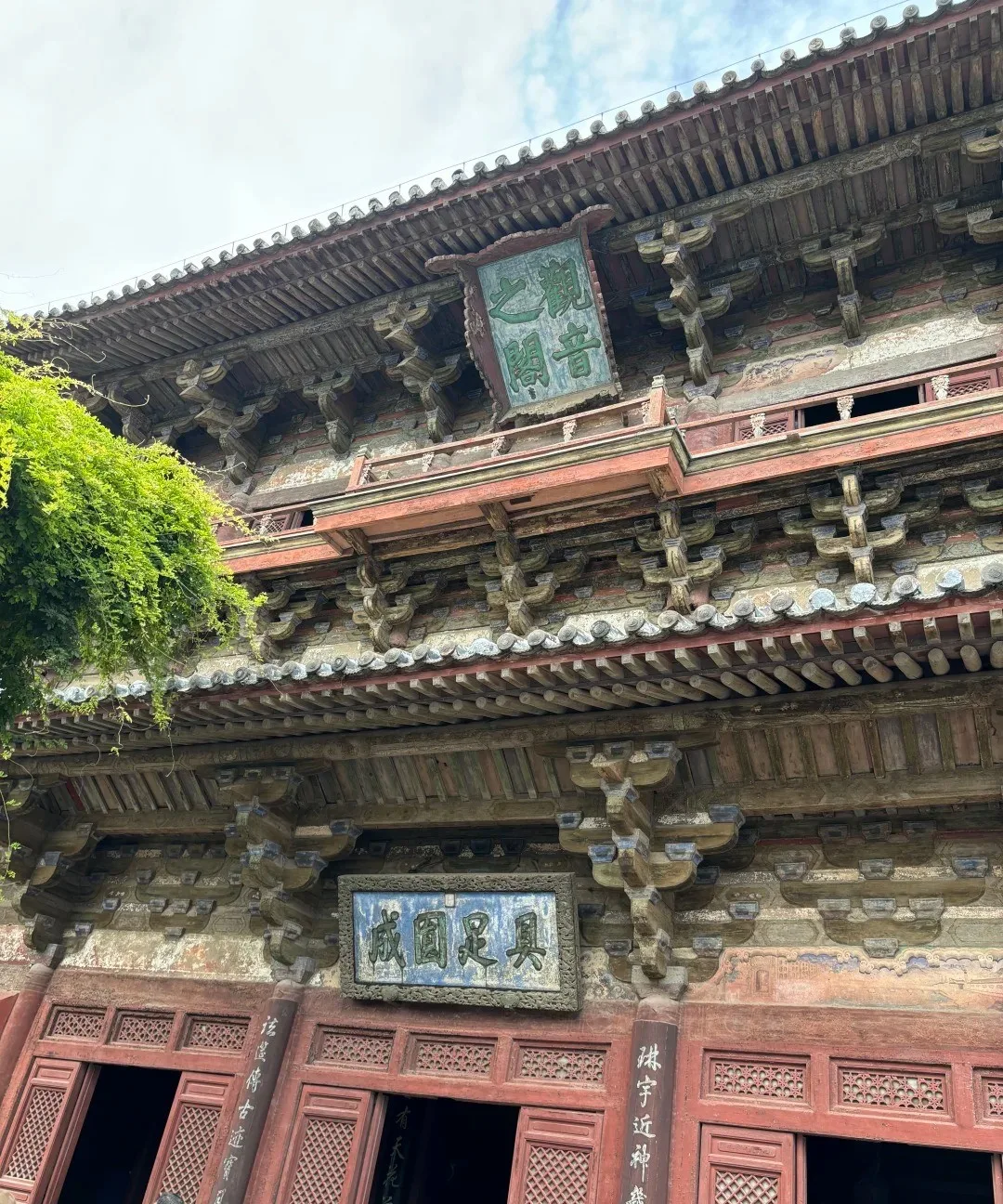
Dule Temple, also the Great Buddha Temple, stands in Jizhou, Tianjin, among the oldest surviving wooden high-rise pavilions in China and one of its three great Liao-dynasty monasteries. Its heart, the Guanyin Pavilion, rises 23 metres and shelters a eleven-faced clay Guanyin 16 metres tall — the largest ancient clay Guanyin image extant. The architect Liang Sicheng called it a priceless treasure.
Huangyaguan Great Wall: The Bagua Fortress Rebuilt by Qi Jiguang
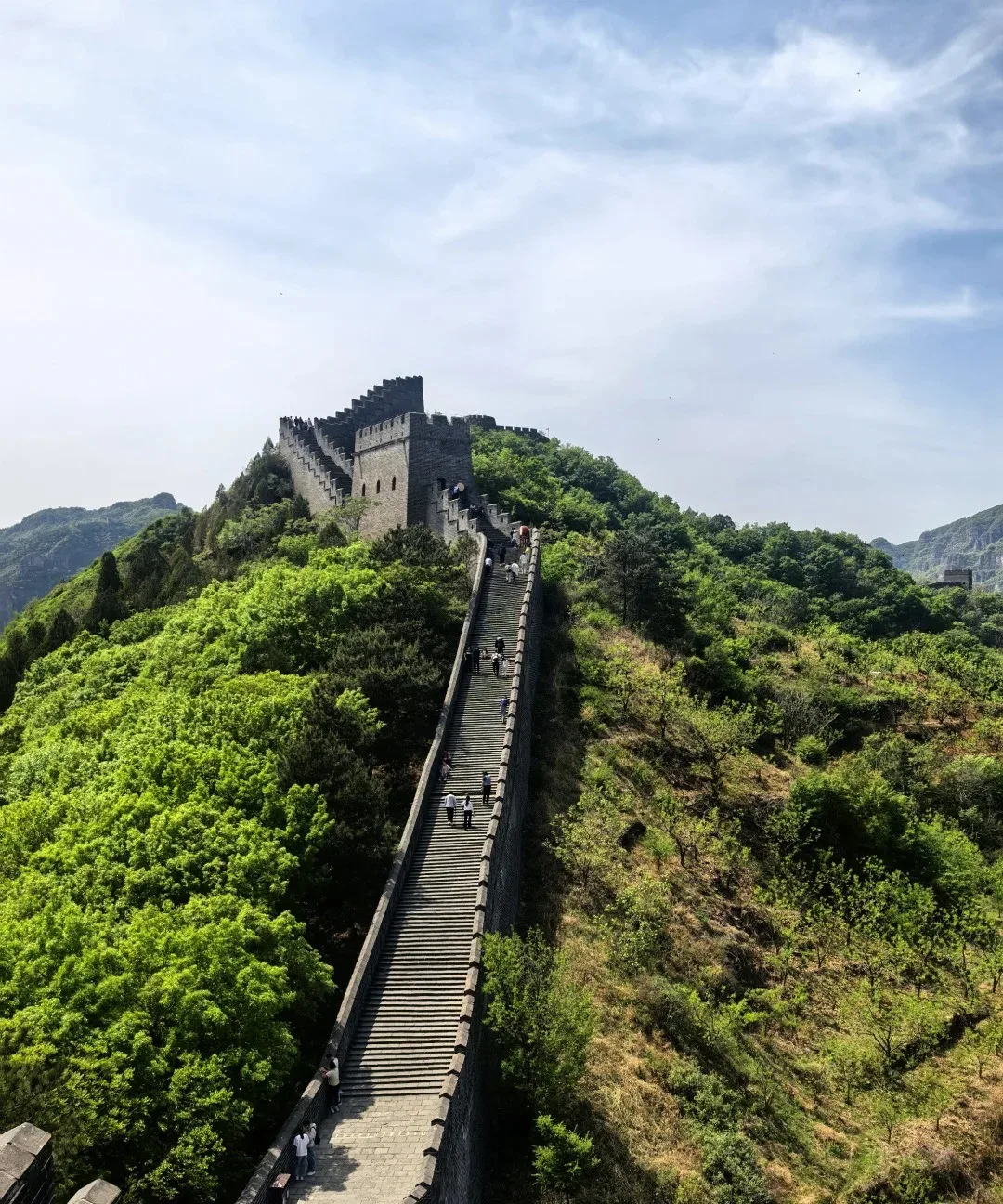
At the northern tip of Jizhou, Tianjin, Huangyaguan was first built in the Northern Qi and rebuilt by the Ming general Qi Jiguang. Its water gates, watchtowers and octagonal Bagua fortress make a complete defensive system; from the pass the hills roll like waves and the wall winds like a dragon.
China's Administrative Divisions & City Tiers Explained
China has four administrative levels: provincial (23 provinces, 5 autonomous regions, 4 municipalities, 2 SARs) → prefecture-level cities → county-level → townships. Beijing, Shang
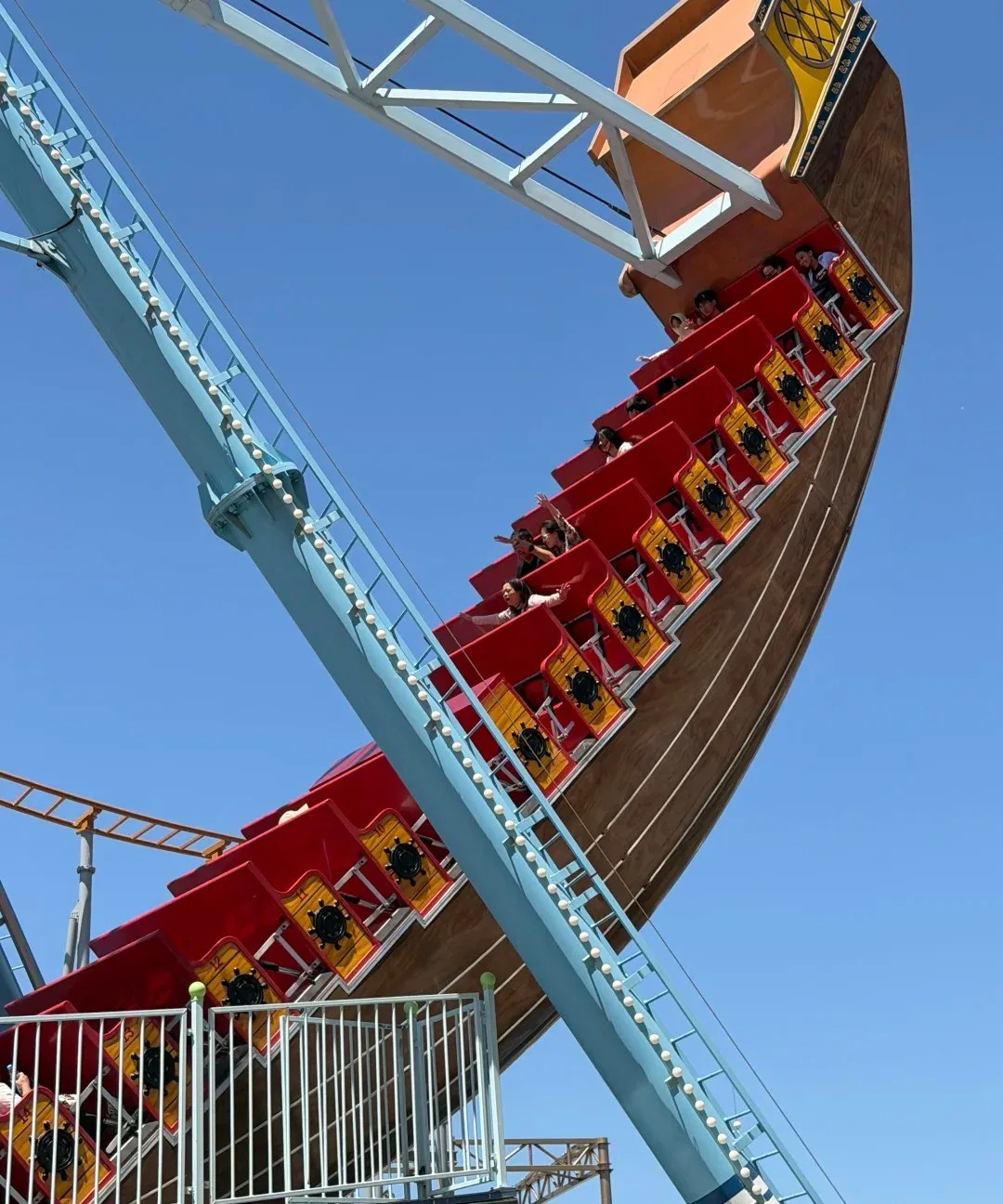
Tianjin Happy Valley: A Twin Park of Thrills by Dongli Lake
Tianjin Happy Valley sits in the Dongli Lake resort and is OCT's large North-China theme park, open since 2013. Six land zones plus a separate water park draw over three million visitors a year — good for families and young crowds alike.
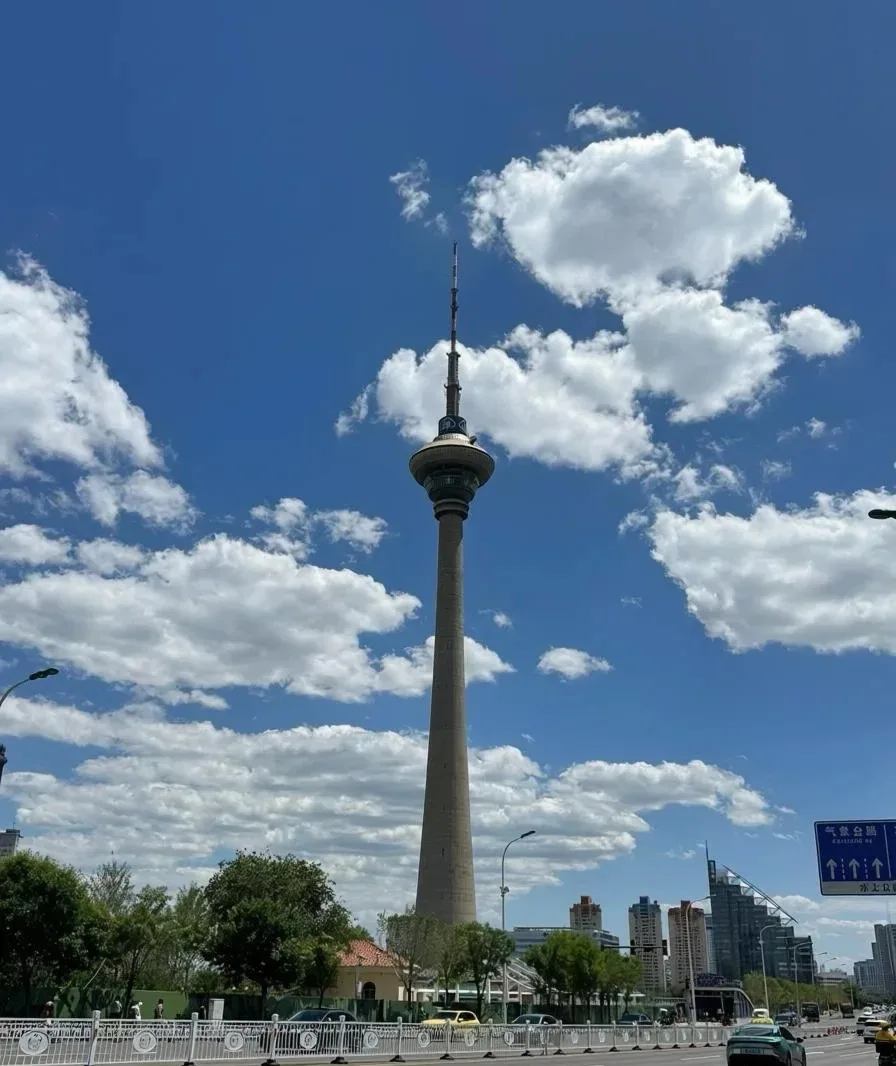
Tianjin TV Tower: The 415m Eye of the City above Tian Ta Lake
The Tianjin TV Tower (Tianjin Radio & TV Tower) stands 415.2 metres tall; when completed in 1991 it led Asia, and still ranks among the continent's tallest. Its pod at 248–278 m holds an observation hall, a revolving restaurant and an open deck, ringed by Tian Ta Lake — a fine perch over the city.