 Travel Notes
 Huangyaguan Great Wall: The Bagua Fortress Rebuilt by Qi Jiguang
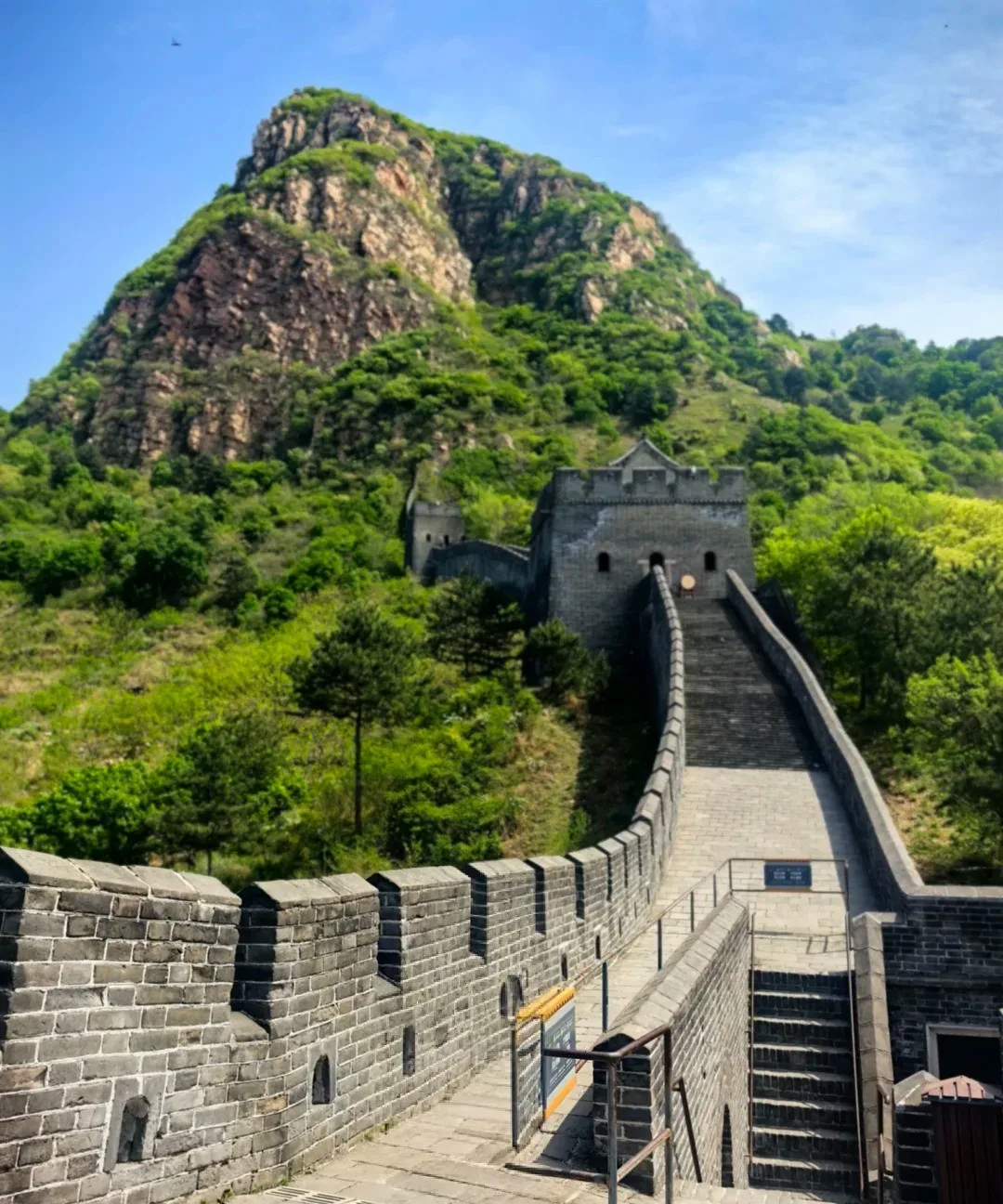
Huangyaguan Great Wall lies at the northern tip of Jizhou District, Tianjin, in Xiaying Town. To the east it meets Malanyu in Hebei’s Zunhua, to the west it links Jiangjun Pass in Beijing’s Pinggu — a key pass of the Ming Jizhen section, long called “the mighty pass north of Ji”. The cliffs east of the gate are yellow-brown rock that glows golden at sunset, hence the name Huangyaguan (“Yellow Cliff Pass”). It sits about 40 km from Jizhou town and 130 km from central Tianjin, the only stretch of the Great Wall open to visitors within Tianjin.
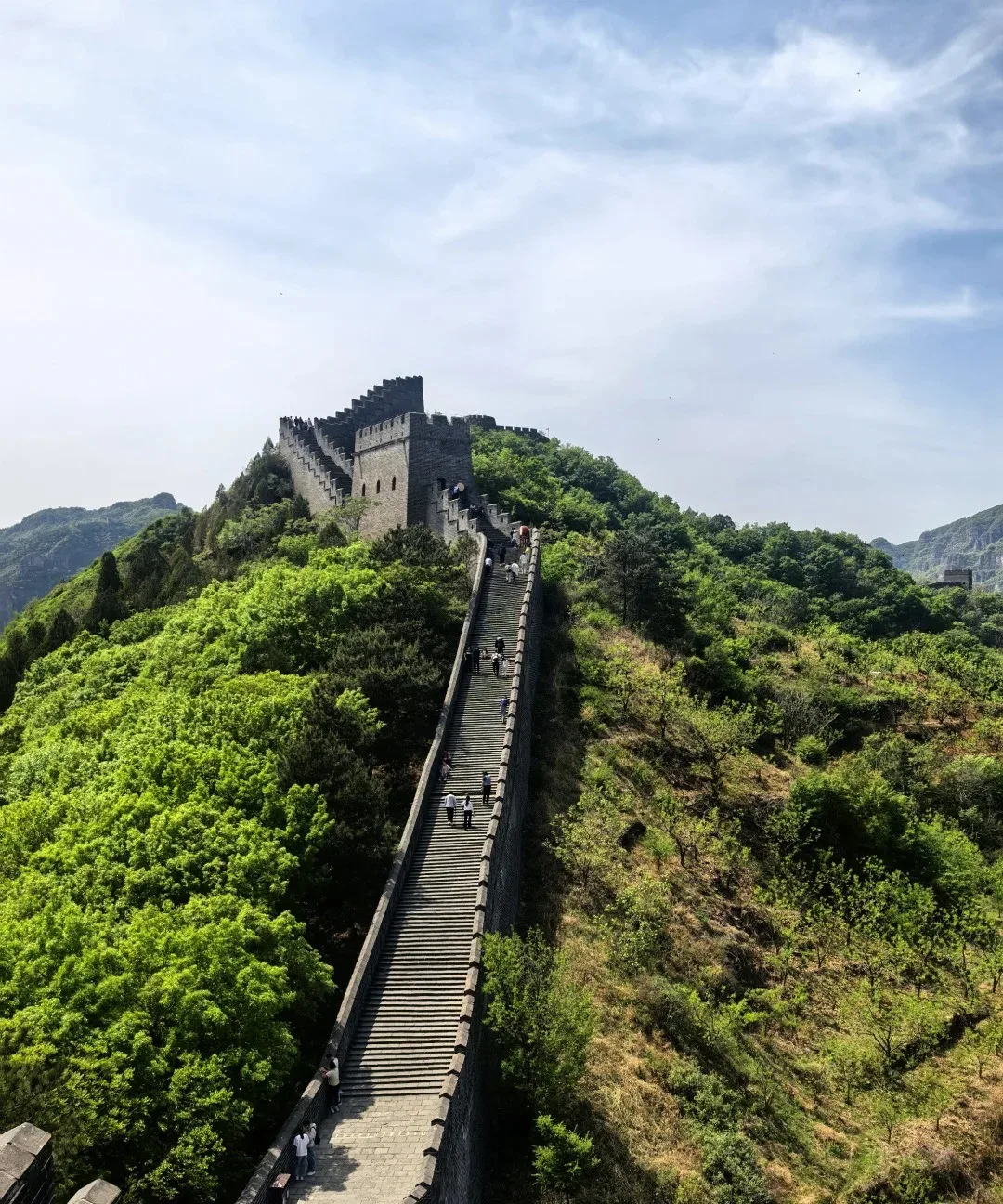
From Northern Qi beacons to a Ming stronghold
The wall here traces back to the Northern Qi (550–559), a thousand years before the Ming. The man who gave it its present system was Qi Jiguang. Serving as supreme commander of Jizhen from 1568 to 1583, he rebuilt Huangyaguan into a complete land-and-water defence: gate, water pass, watchtowers, beacon towers and platforms strung into one line. In 1982 it was listed as a Major Historical and Cultural Site Protected at the National Level; restored from 1985 under the “Love China, Restore the Wall” campaign, it opened to the public in 1987.
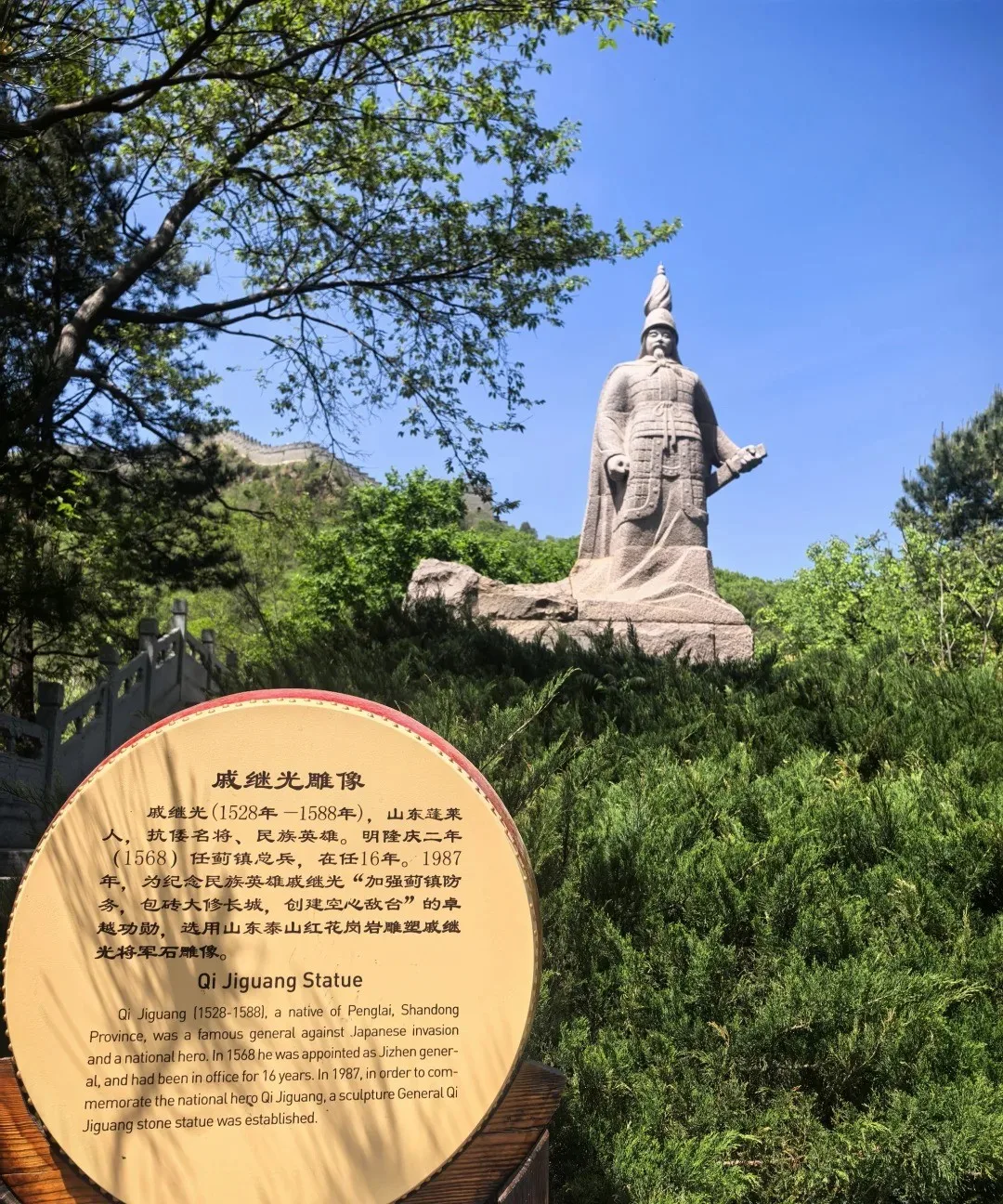
The Bagua fortress and the water pass
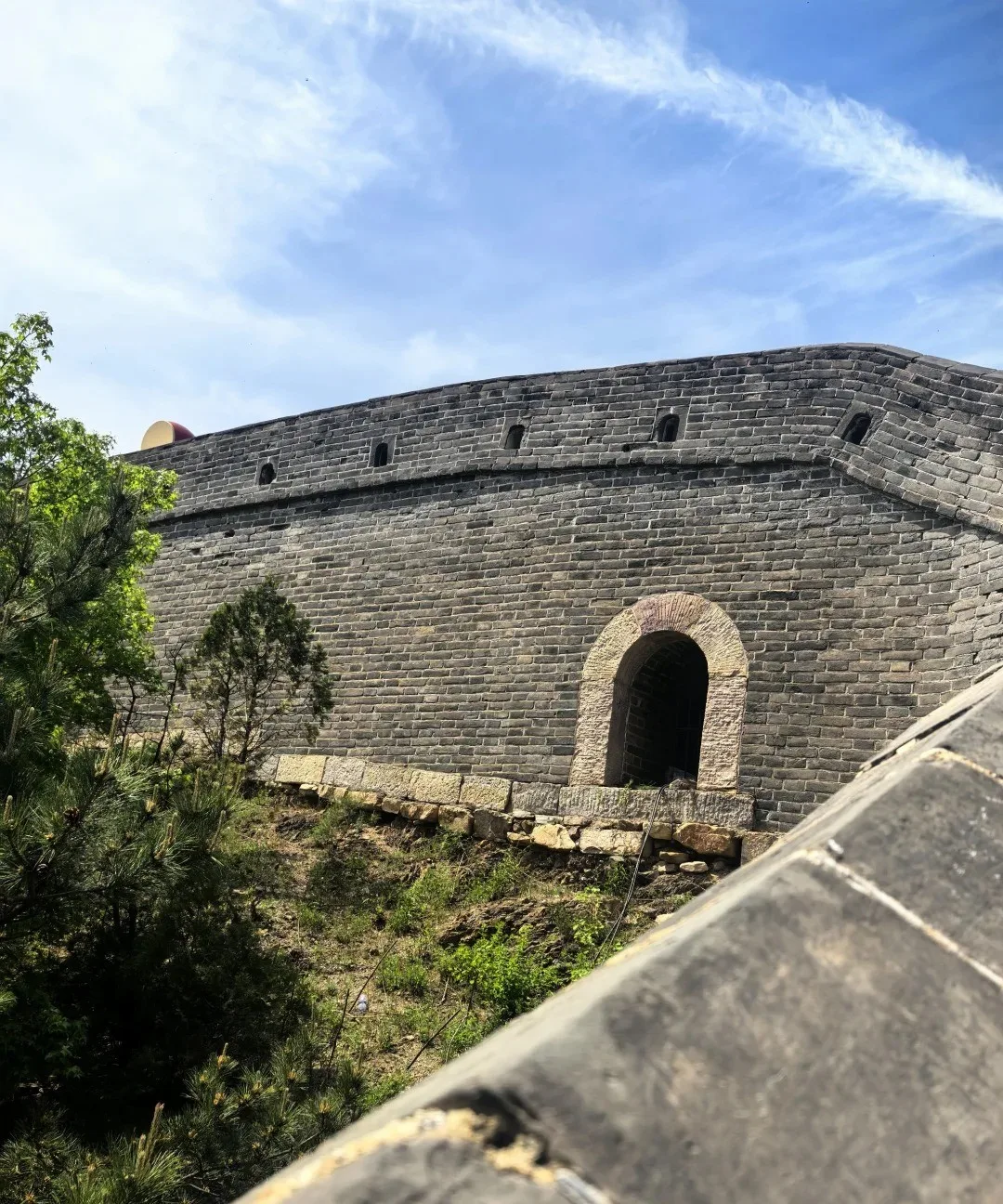
What makes Huangyaguan unusual is its gate town laid out on the Bagua (“Eight Trigrams”) plan, also called the Bagua town. Lanes weave like a maze, with watchtowers and side gates answering one another — easy to get turned around, which was exactly the point for street fighting. East of the gate survives a water pass: the wall not only climbs hills but crosses a river, with arches built into the riverbed so water flows through the wall, a rare “wall on water” sight among northern stretches.
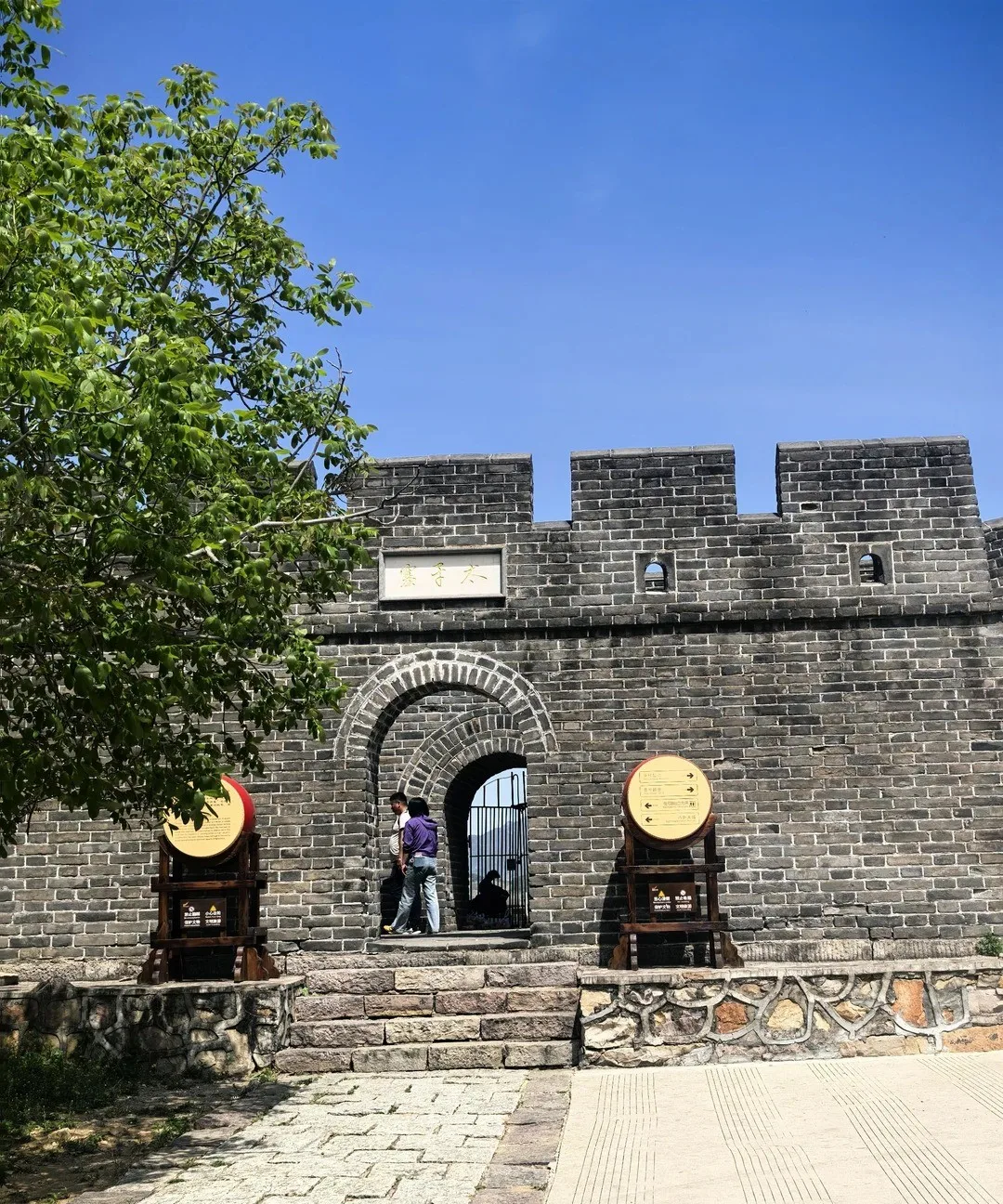
Watchtowers, beacons and the view from above
This section runs about 42 km including branch lines, with roughly 3.5 km open to walk. Some 52 watchtowers, beacon and platform towers remain, of which over 20 are restored and open. The gate town sits at about 200 m, and the high point “King’s Cap Peak” reaches about 800 m. Climb the steps to a watchtower and the Yan Mountains spread beneath you, the wall rising and falling along the ridge; on a clear day the view runs far. Compared with the crowds at Badaling, it feels far more desolate and quiet — good for a slow walk and slow photos.
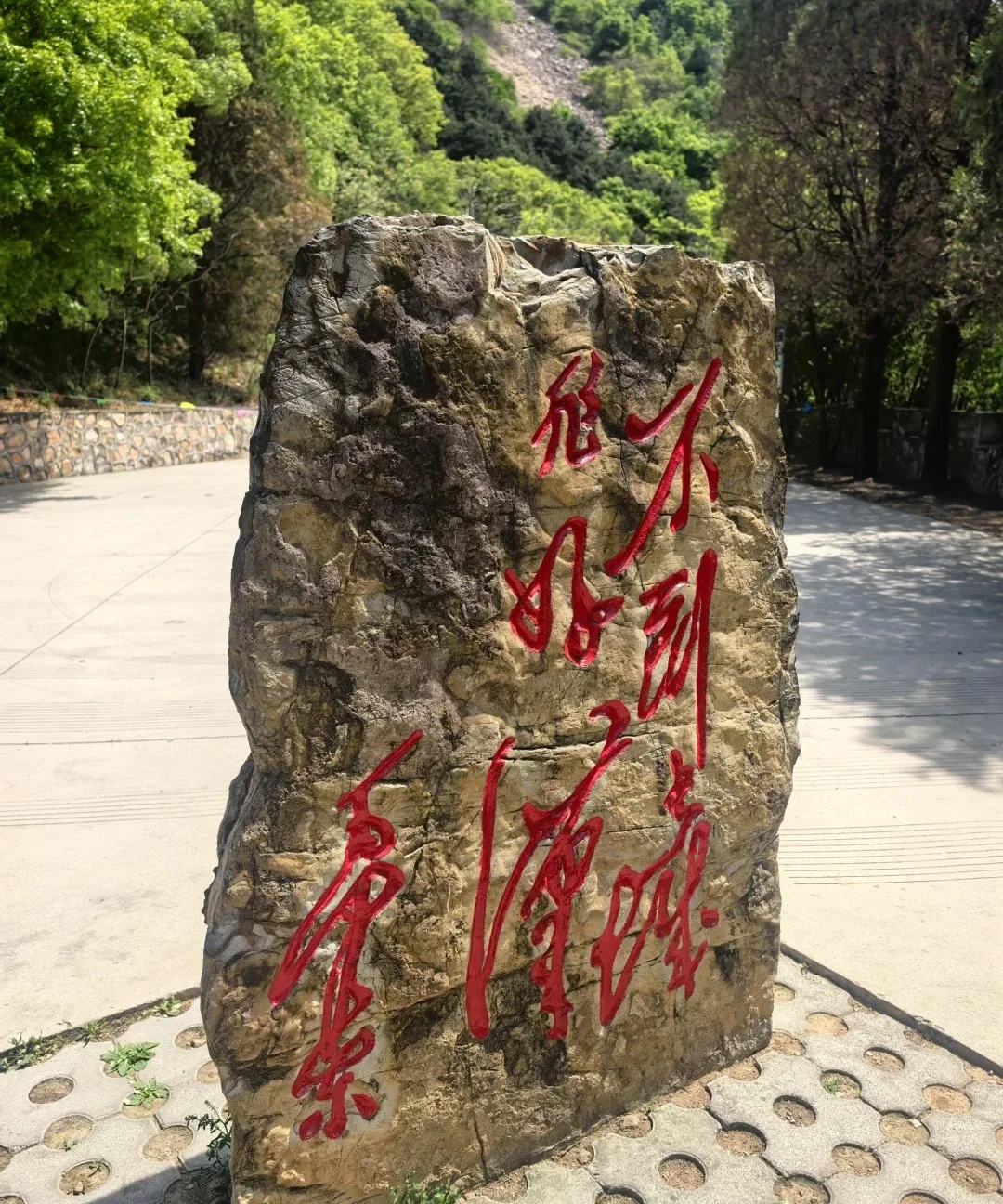
The Great Wall museum and stele forest
Inside the pass is the Huangyaguan Great Wall Museum, using artefacts and panels to tell the wall’s building and defence; nearby stand the “Hundred Generals” and “Hundred Masters” stele forests, with carved inscriptions by noted calligraphers, keeping alive the popular zeal of “restore our wall”. History lovers might see the museum first, then climb — the thread becomes much clearer.
Practical information
- Tickets: about 50 yuan (a little higher in peak season; check on site).
- Hours: peak (Apr–Oct) about 8:00–17:30; low season about 8:30–17:00.
- Getting there: from central Tianjin by coach or car via the Jinji Expressway to Jizhou, then a tourist shuttle or taxi to Xiaying; or to Jizhou station then local transport.
- Route: Bagua fortress → water pass → climbing path → watchtower → King’s Cap Peak overlook; the full walk takes about 2–3 hours if fit.
- Best season: autumn colours are the most photogenic; summer green and winter snow on the wall each have their own mood.
- Combine: with Panshan and Dule Temple, both in Jizhou, for a northern day trip of “wall + famous mountain + old temple”.
Related reading
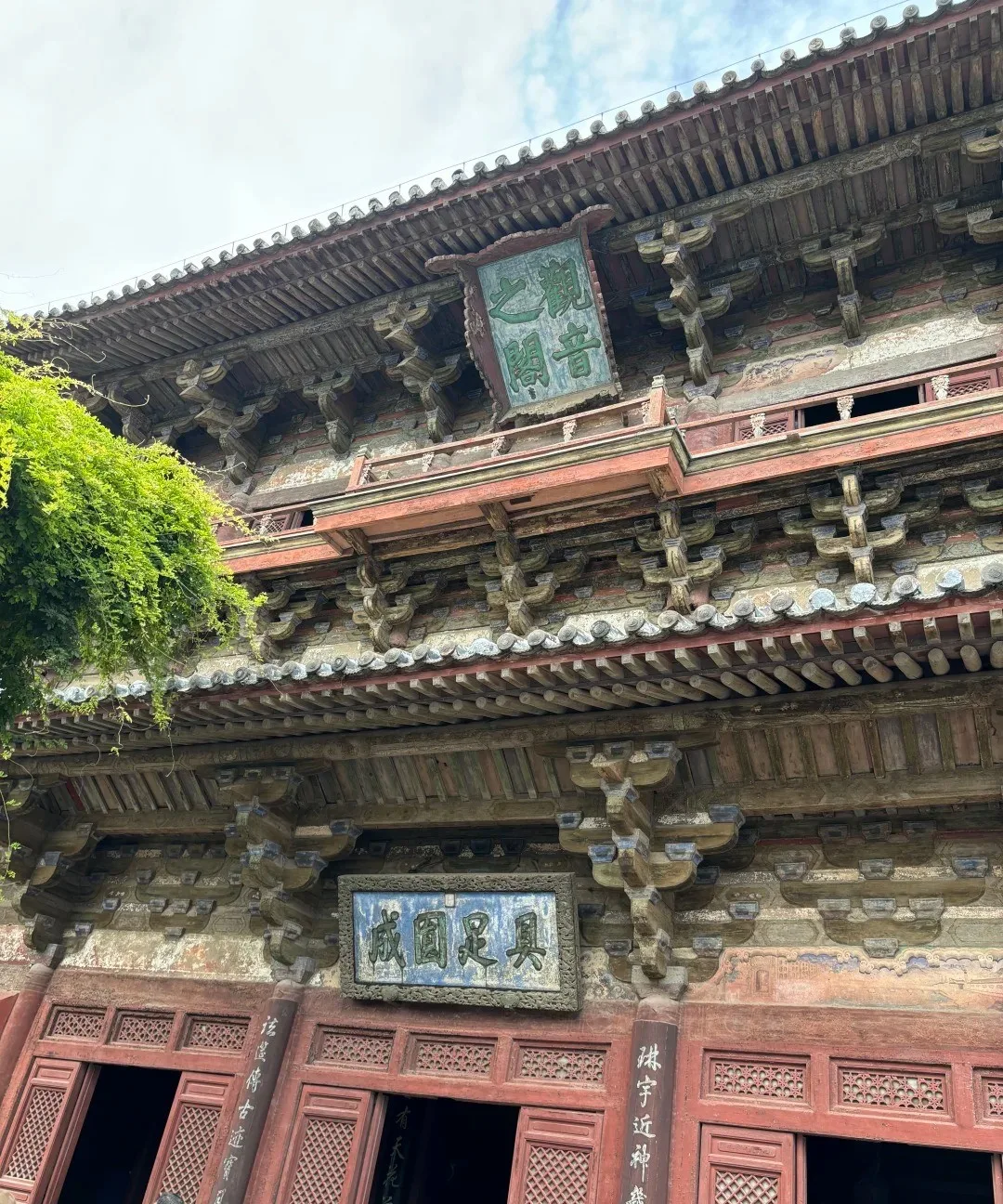
Dule Temple: The Liao-era Guanyin Pavilion Liang Sicheng Called a Priceless Treasure
Dule Temple, also the Great Buddha Temple, stands in Jizhou, Tianjin, among the oldest surviving wooden high-rise pavilions in China and one of its three great Liao-dynasty monasteries. Its heart, the Guanyin Pavilion, rises 23 metres and shelters a eleven-faced clay Guanyin 16 metres tall — the largest ancient clay Guanyin image extant. The architect Liang Sicheng called it a priceless treasure.
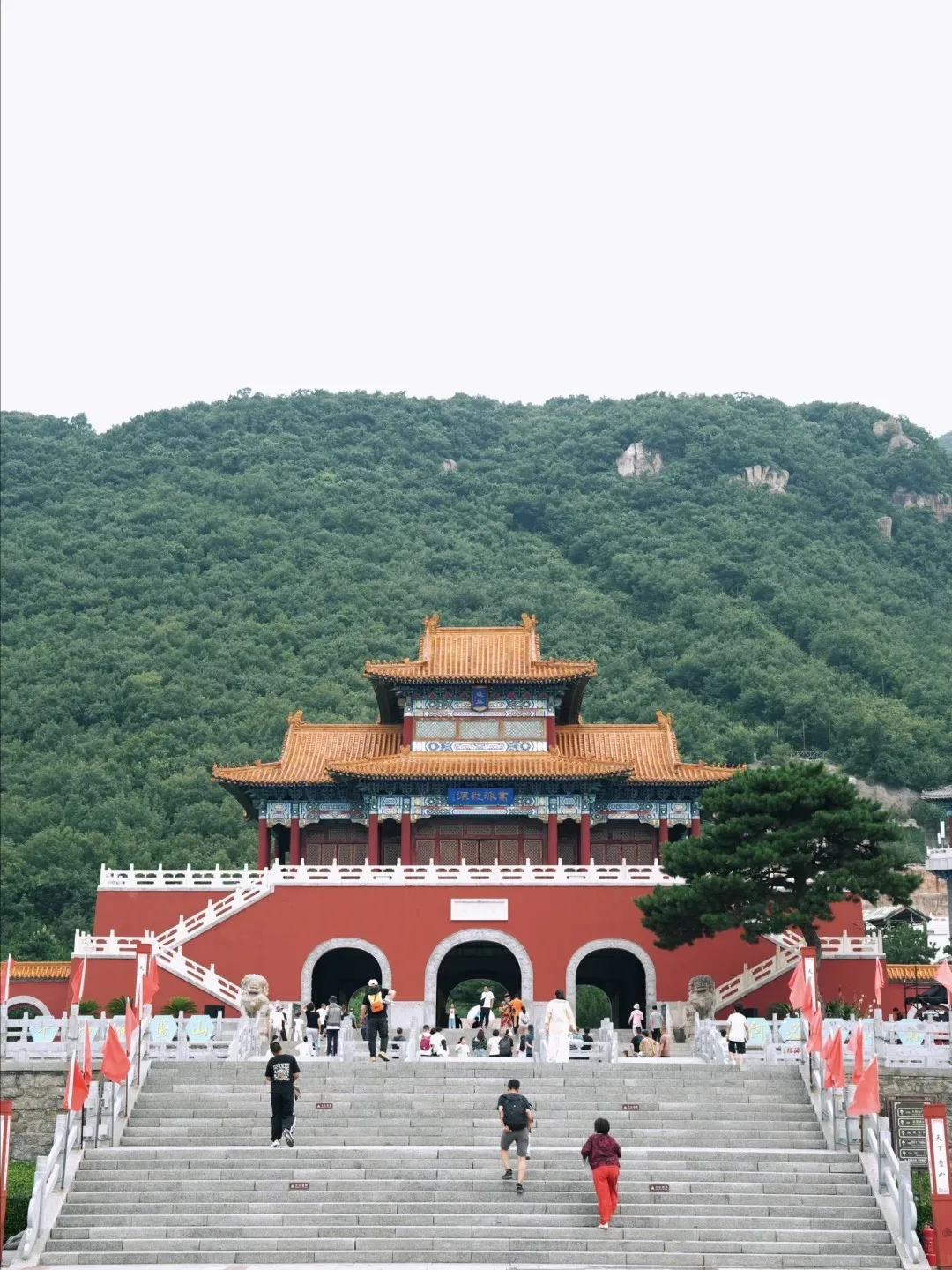
Panshan: The First Mountain East of the Capital
Panshan lies in Jizhou, Tianjin, about 80 km from Beijing; its highest peak, Guayue, rises 864 metres and the mountain is famed for four wonders — strange pines, odd rocks, clear springs and old temples. The Qianlong emperor climbed it thirty-two times and sighed that had he known Panshan he need not have gone south of the river; his retreat villa Jingji Shan zhuang still stands in ruins among the slopes.
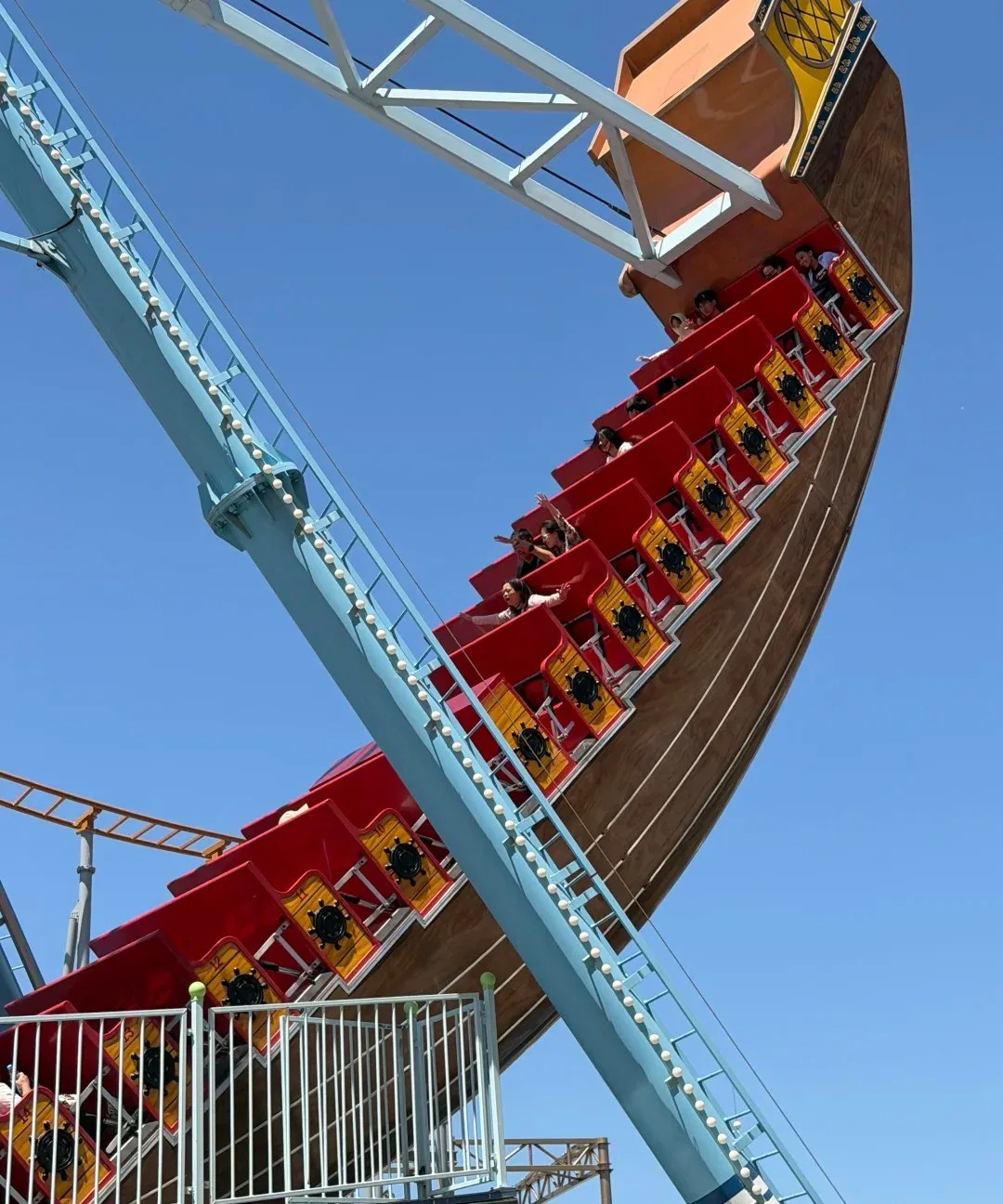
Tianjin Happy Valley: A Twin Park of Thrills by Dongli Lake
Tianjin Happy Valley sits in the Dongli Lake resort and is OCT's large North-China theme park, open since 2013. Six land zones plus a separate water park draw over three million visitors a year — good for families and young crowds alike.
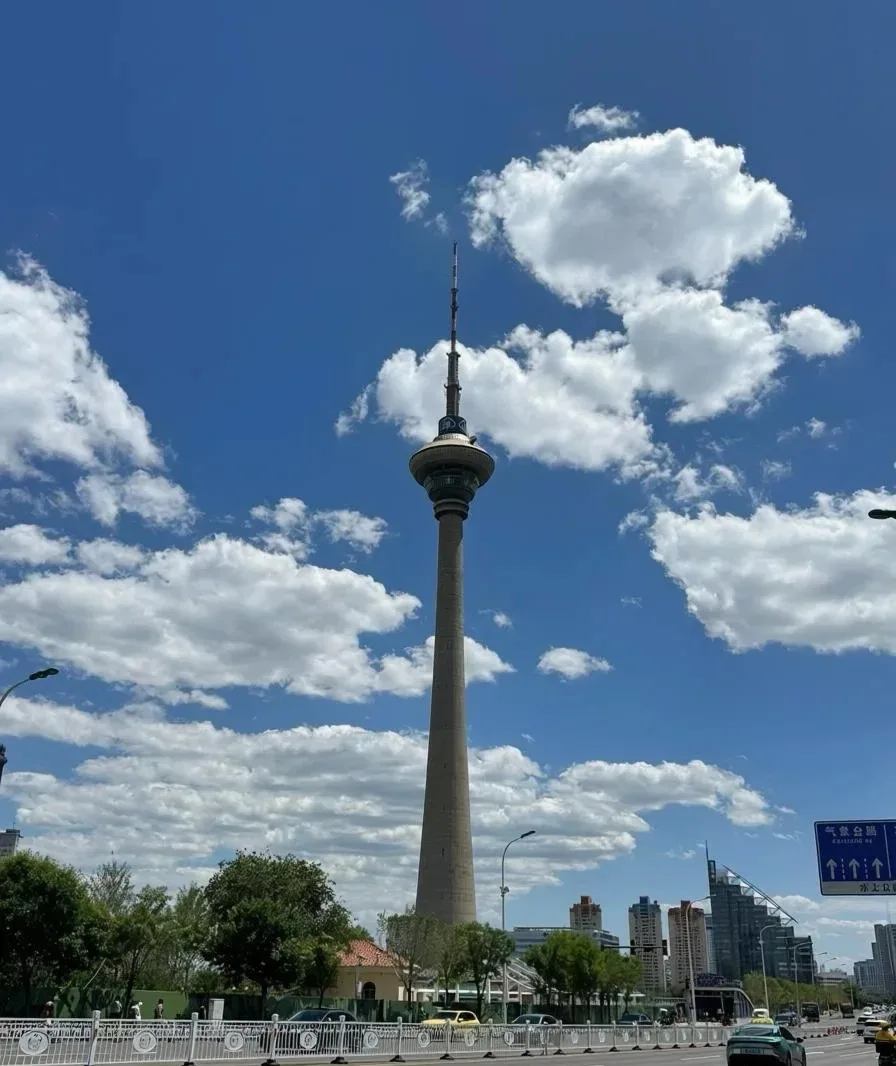
Tianjin TV Tower: The 415m Eye of the City above Tian Ta Lake
The Tianjin TV Tower (Tianjin Radio & TV Tower) stands 415.2 metres tall; when completed in 1991 it led Asia, and still ranks among the continent's tallest. Its pod at 248–278 m holds an observation hall, a revolving restaurant and an open deck, ringed by Tian Ta Lake — a fine perch over the city.
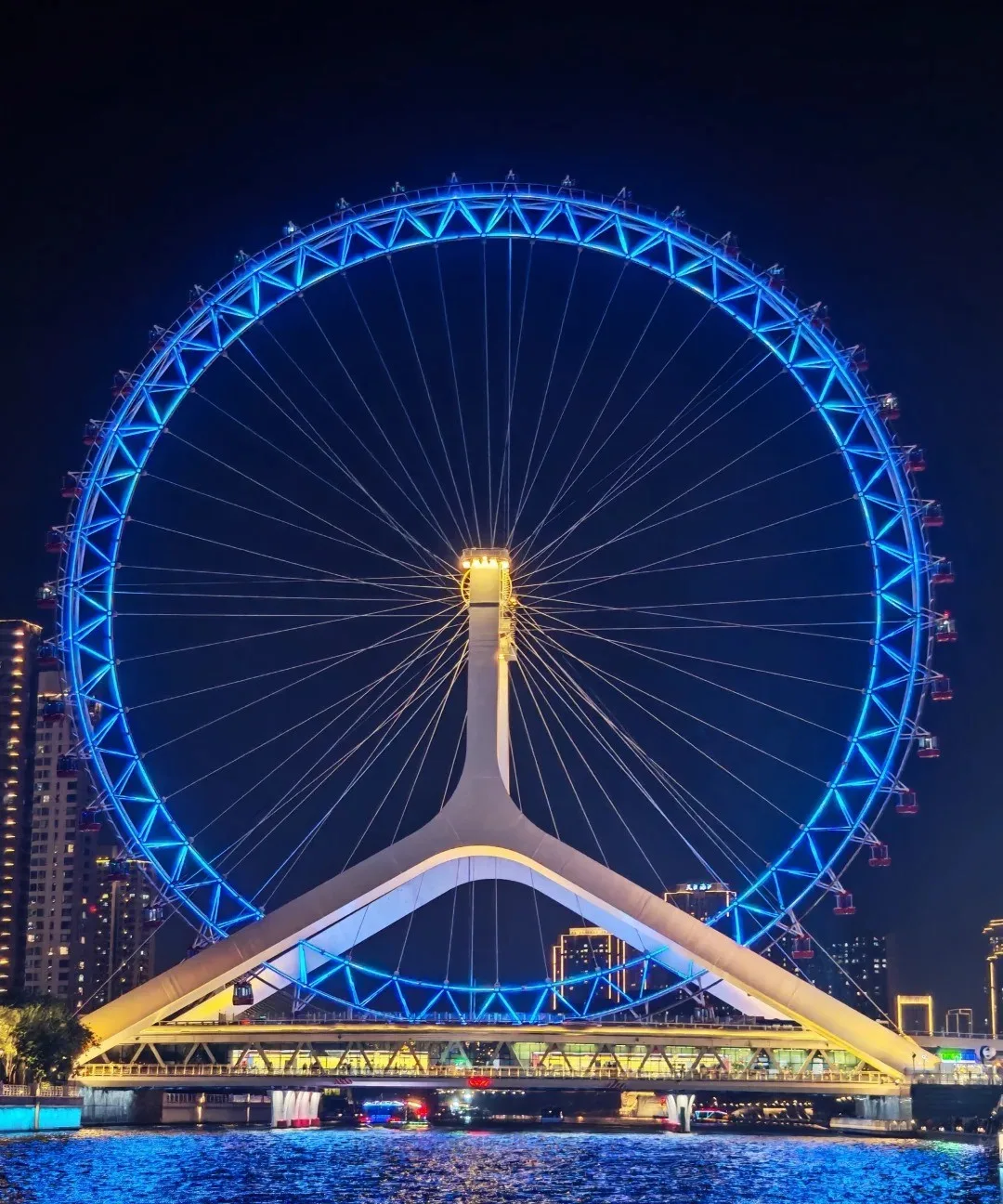
Tianjin Eye: The Ferris Wheel Built on a Bridge
The Tianjin Eye, formally the Yongle Bridge Ferris Wheel, stands at the Three Confluences of the Hai River and is the only ferris wheel in the world built on a bridge. Its 110-metre wheel carries 48 transparent cabins; one turn takes about 28 minutes and the top offers a 360-degree view of the city and river.