 Travel Notes
 Ancient Culture Street: Tianjin's Old Town of Clay Figures and New Year Prints
Also called the Old Town of Tianjin, Ancient Culture Street sits on the west bank of the Hai River in Nankai and is the city’s most representative historic quarter, as well as a 5A scenic spot. Its site was the Gongnan and Gongbei streets of the old Ming-Qing walled town; in 1985 Tianjin rebuilt it on the principle of “restoring the old as old” and opened it on New Year’s Day 1986, keeping both the fabric and the street life of the old town. Today the main street runs 687 metres, five to seven metres wide, with grey tiles, palace lanterns and eaves — walking it is like reading a living history of Tianjin.
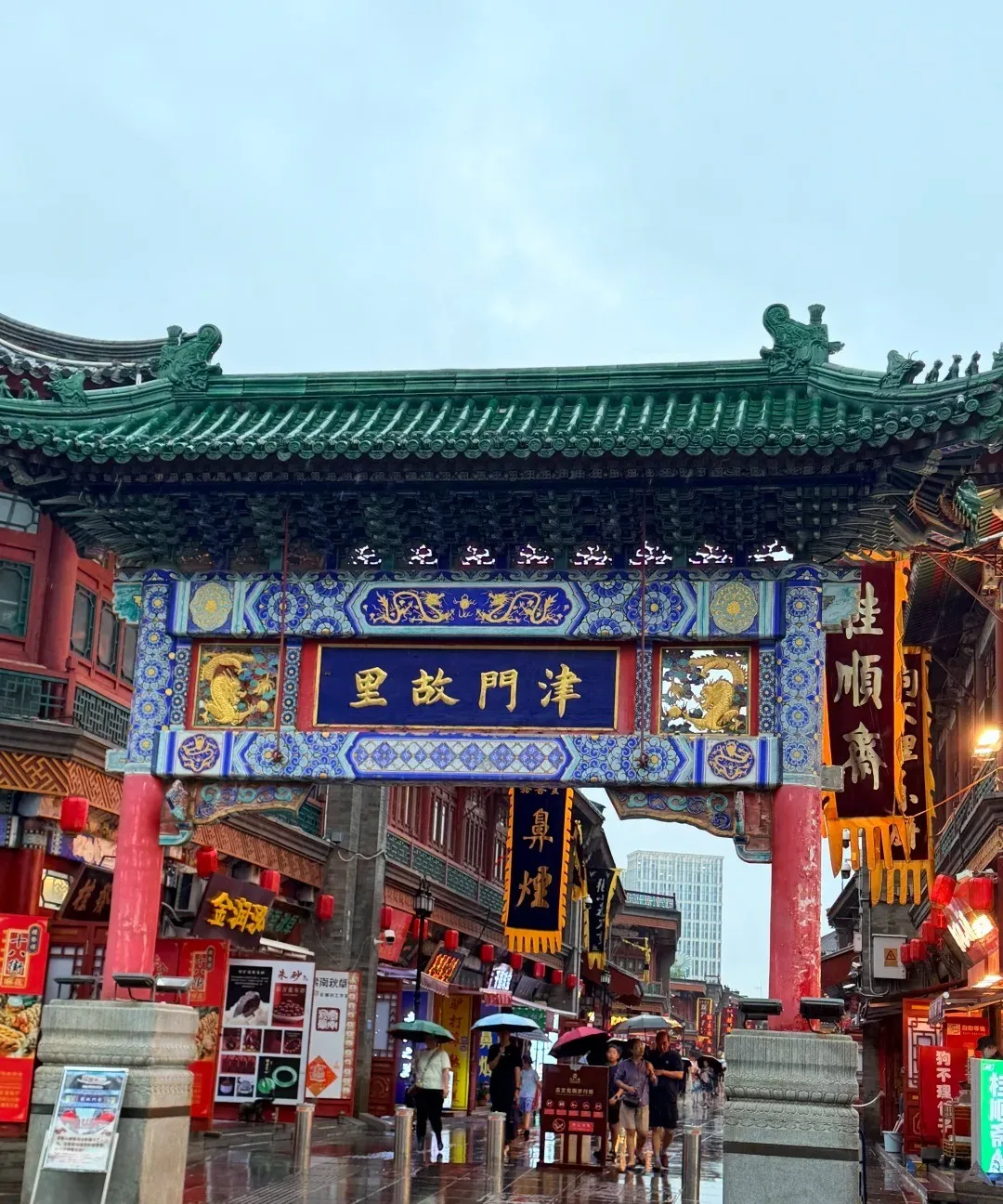
Tianhou Temple, a northern Mazu shrine
At the street’s centre, the Tianhou Temple faces east, covering about 5,350 square metres; it is among the oldest buildings in Tianjin and a rare northern Mazu shrine, even one of the world’s three great Mazu temples. The main hall is five bays wide and about fifteen metres tall, a typical Ming-Qing official style. Mazu culture took deep root here: in the Yuan, Haijin town was set to guard the grain route and a Tianfei temple was built to protect the waterway; on the twenty-third of the third lunar month, the temple holds the grand Huanghui fair with stilts, dragon dances and drum music, kept up for nearly seven centuries and a key piece of Tianjin’s intangible heritage.
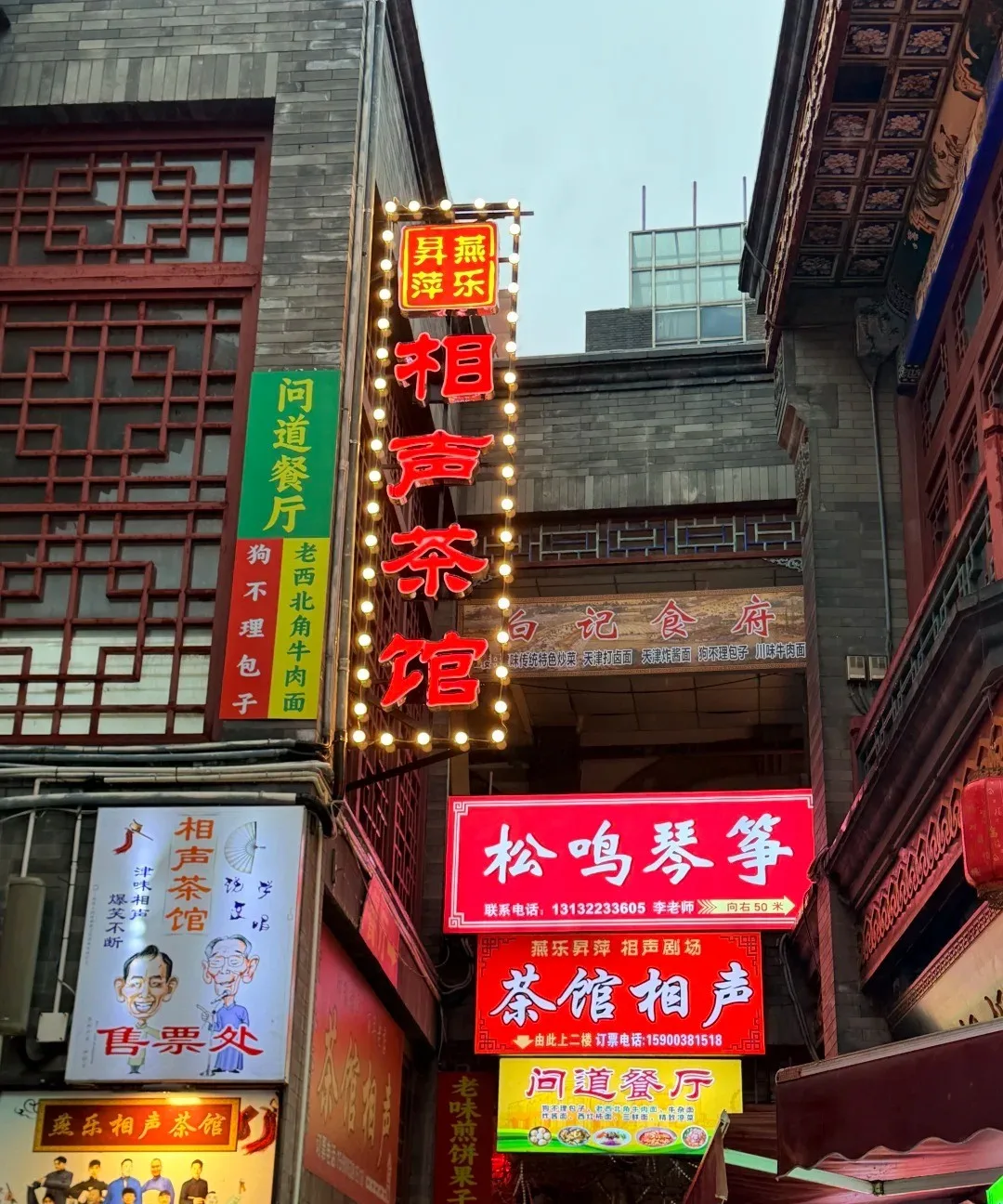
Brick carving and old buildings
At the north end stands the Yuhuang Pavilion, built in 1427, a three-storey wooden tower about twenty-two metres tall that was once the high point of the old town; from the top you see the Hai River and the whole street. Tongqing Lane off Gongbei Street is eighty metres long and three wide, its brick carvings so fine they are called “the crown of Tianjin brick carving”; the late-Qing timber homes inside are examples for studying modern Tianjin dwelling architecture. South of the temple square, the restored Qing opera house with its sloping eaves still stages crosstalk and Beijing opera — a living fossil of the old town’s sound.
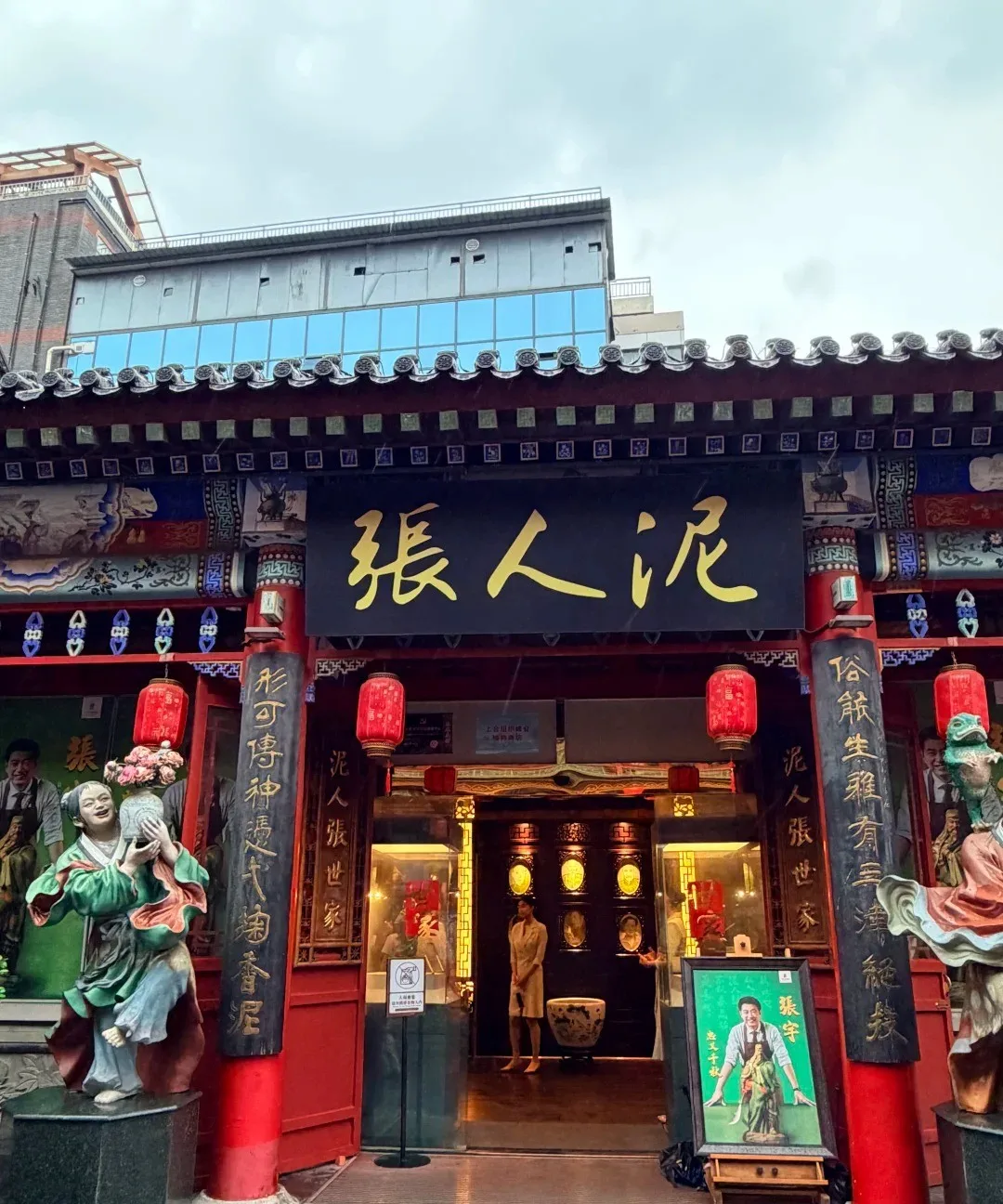
Zhang clay figures and Yangliuqing prints
The street’s biggest draw is its intangible craft. Zhang clay figurines began in the Daoguang era of the Qing, known for realism, and were given as state gifts; Yangliuqing New Year prints are bright, their subjects chubby children and story figures; Wei kites are finely framed and fly true. You need not buy — watching artisans knead clay, layer colour and mount prints is entertainment enough. These old names are not props but vessels of the city’s memory: a pair of clay hands, a printed picture, carry the street life of a century straight to today.
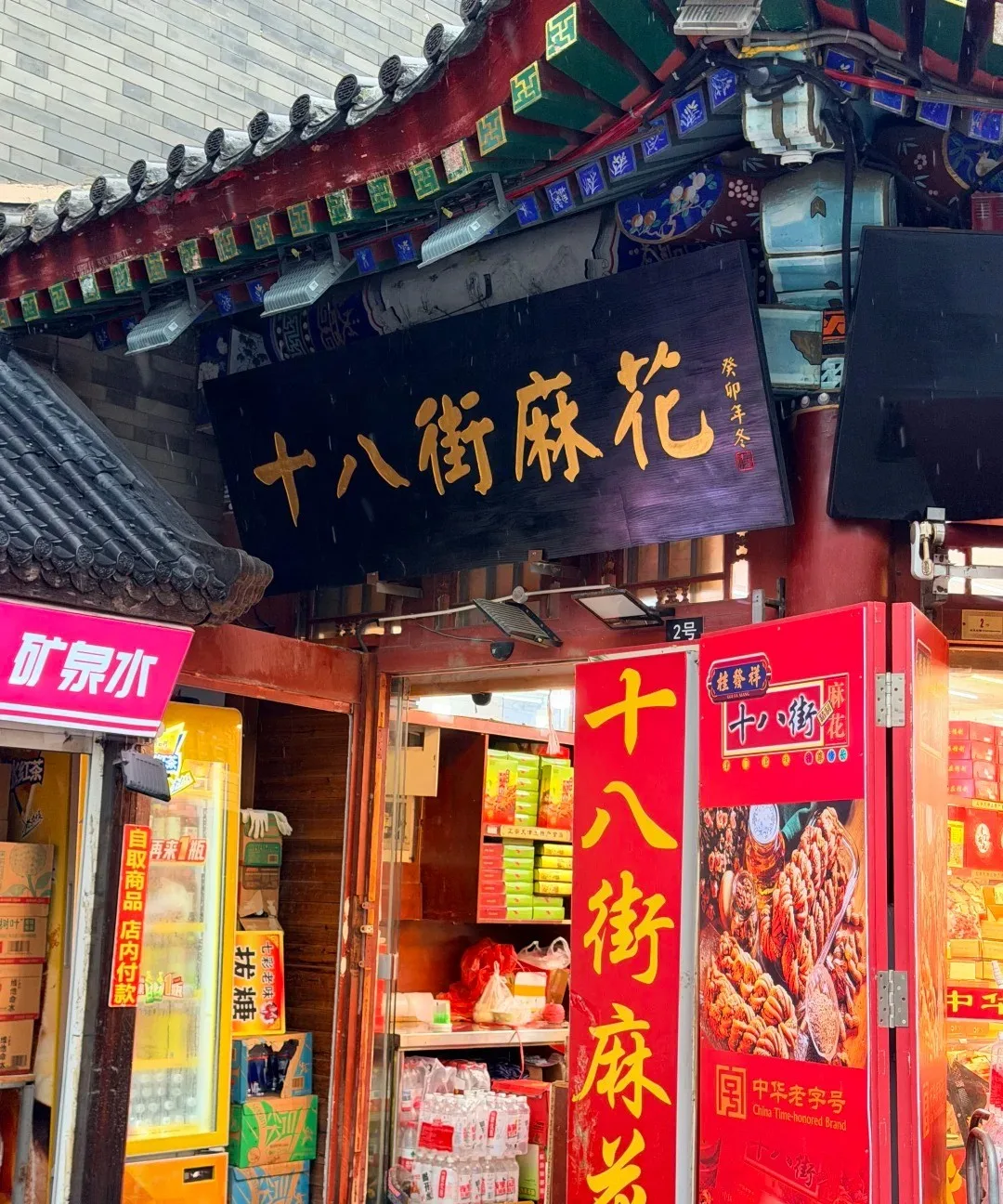
The taste of the old town
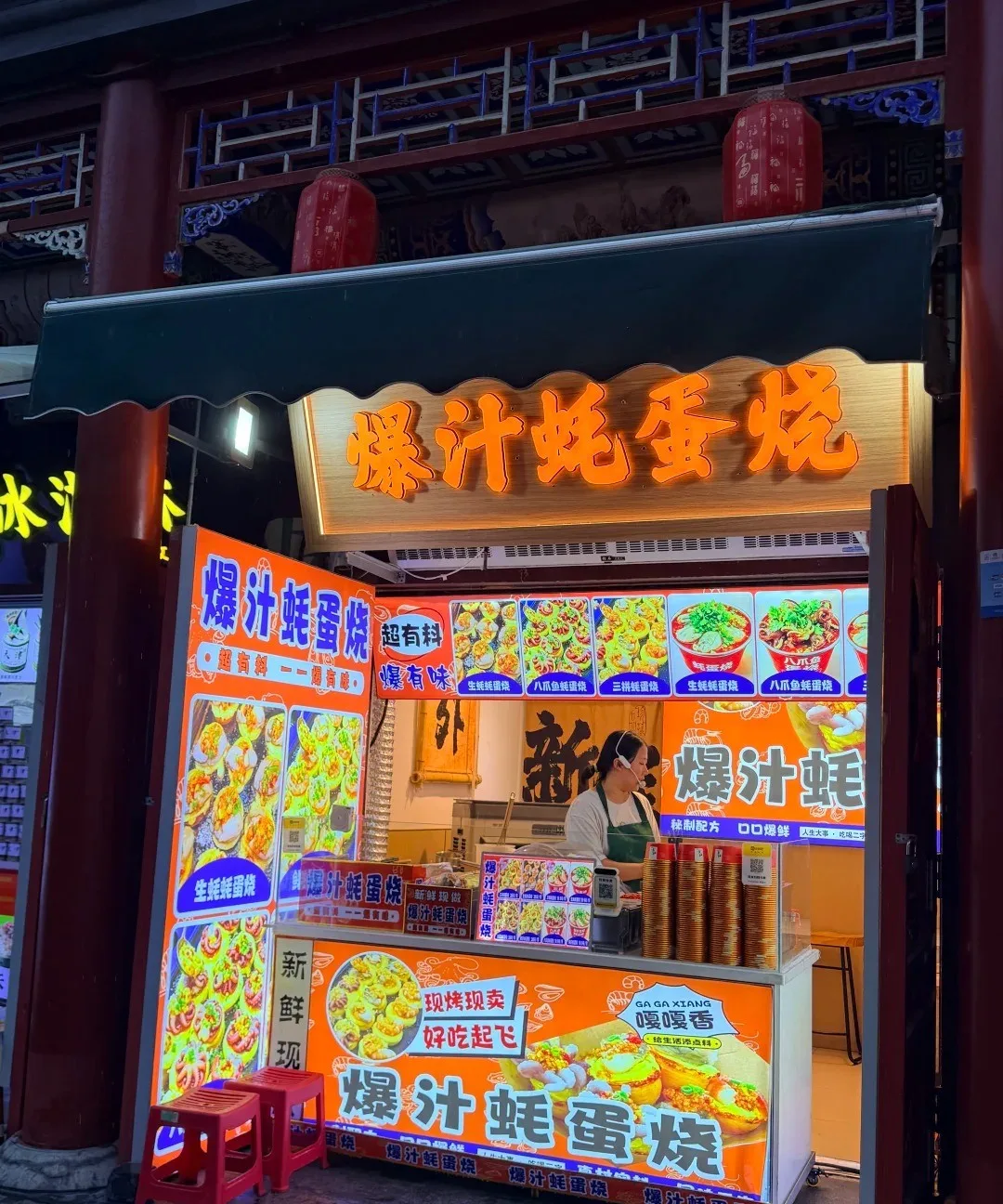
In Tianjin the palate must also walk the street. Erduyan fried cakes are crisp outside, lightly sweet red-bean inside, about 5 yuan each; Shibajie fried twist is flaky with nuts; Goubuli buns have thin skin and rich broth; plus street eats like tea soup, cooked-pear cake and sugar painting, spreading Tianjin’s culinary variety before you. Sit by the river, the towers and tour boats across the way in view, and the noise just drifts away with the water — this switch of motion and stillness is exactly Tianjin’s most charming rhythm.
Practical information
- Hours: the street is open all day, shops usually 9:00–21:00; Tianhou Temple 9:00–17:00 (closed Mondays, holidays excepted).
- Tickets: the street is free, Tianhou Temple 10 yuan (half for students and seniors).
- Getting there: metro line 2 to “Dongnanjiao” then 10 min walk, or line 4 to “Jinjie” then 15 min; bus to “Dongbeijiao” or “Guwenvjie”.
- Suggested route: enter from the Yuhuang Pavilion at the north, walk south down Gongbei Street, see Tongqing Lane and Tianhou Temple, end at the opera-house square, about 2–3 hours.
- Nearby: Tianjin Eye (~1.5 km), Italian Quarter (~2 km), Nanshi Food Street (~3 km).
Related reading
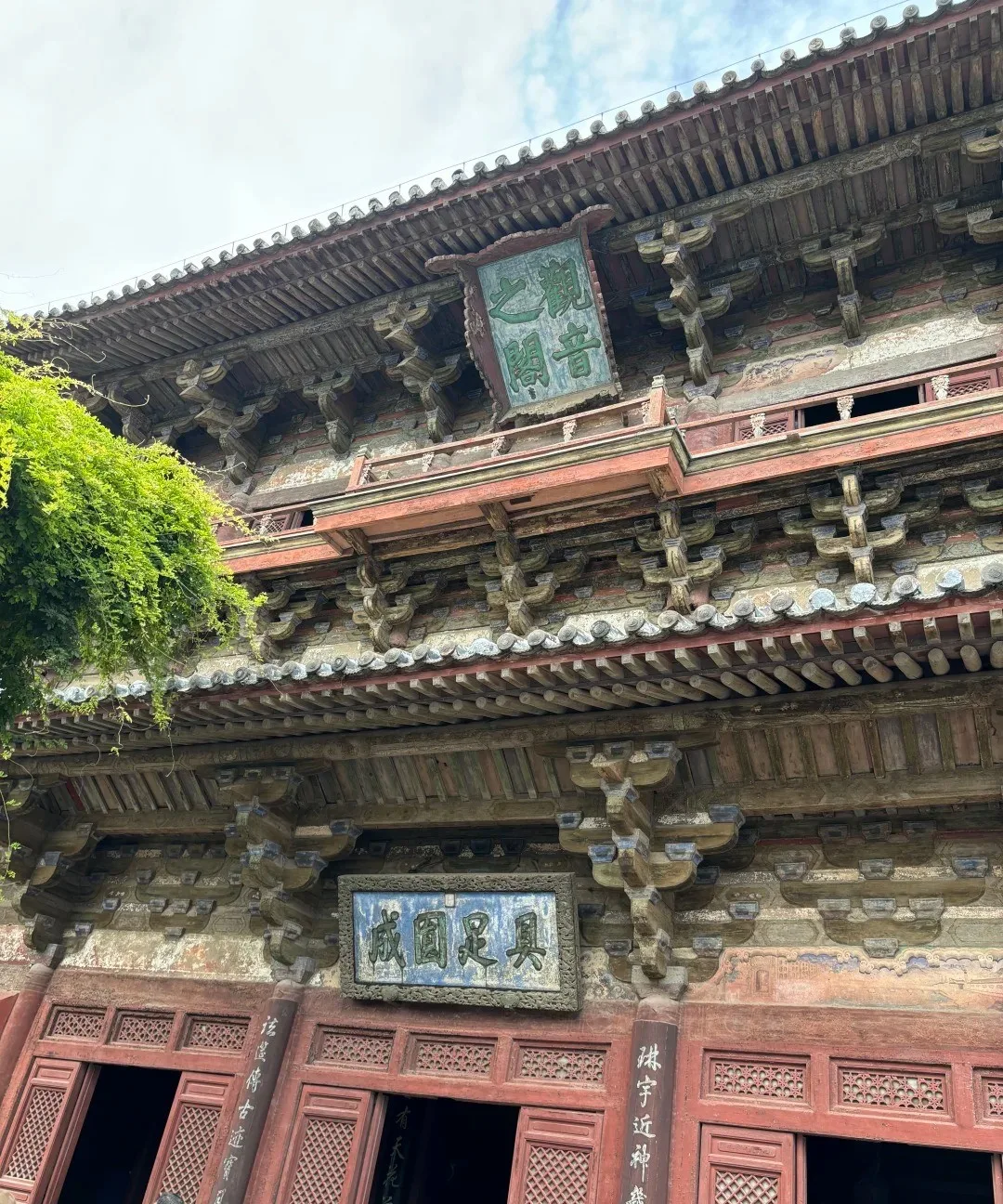
Dule Temple: The Liao-era Guanyin Pavilion Liang Sicheng Called a Priceless Treasure
Dule Temple, also the Great Buddha Temple, stands in Jizhou, Tianjin, among the oldest surviving wooden high-rise pavilions in China and one of its three great Liao-dynasty monasteries. Its heart, the Guanyin Pavilion, rises 23 metres and shelters a eleven-faced clay Guanyin 16 metres tall — the largest ancient clay Guanyin image extant. The architect Liang Sicheng called it a priceless treasure.
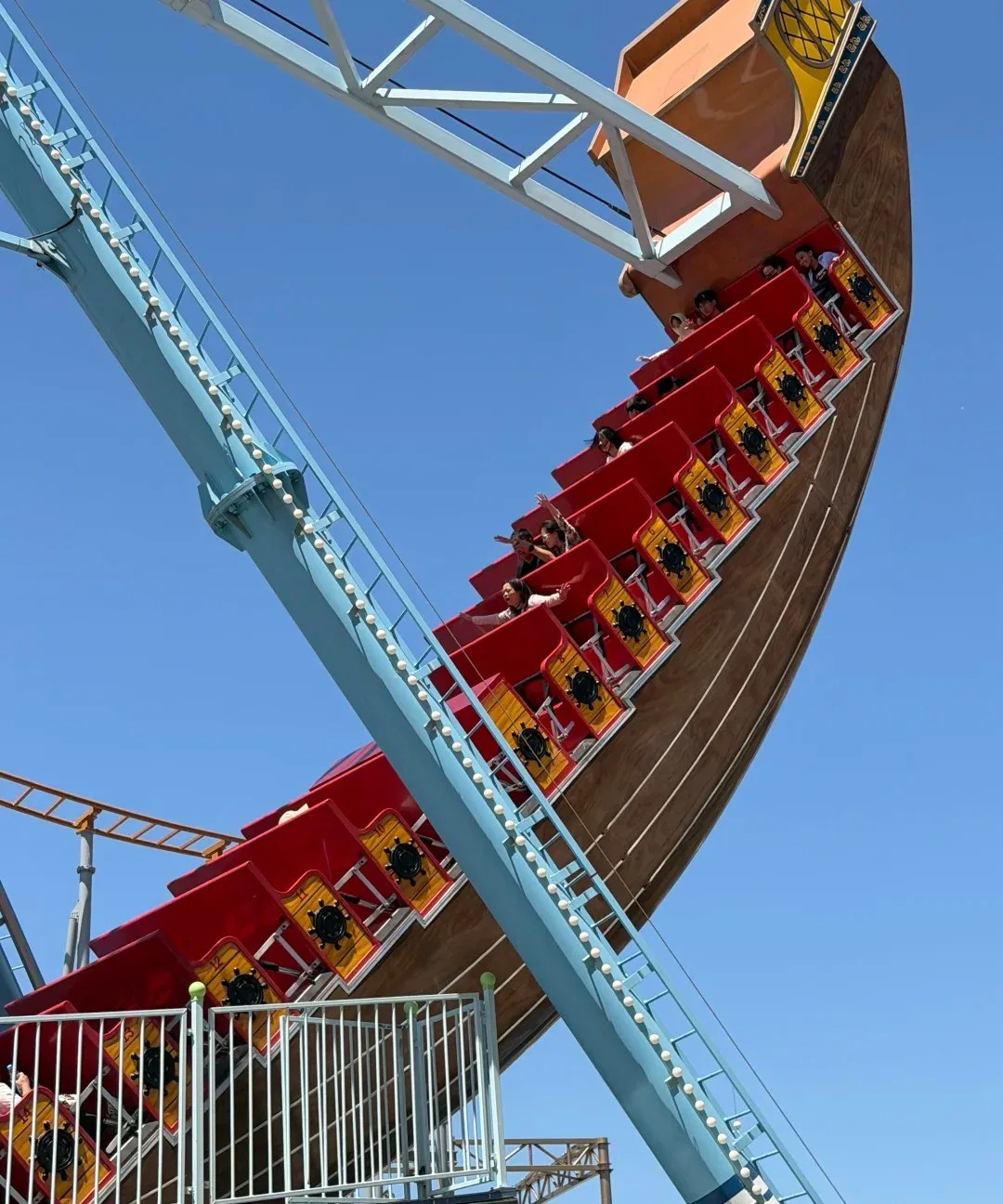
Tianjin Happy Valley: A Twin Park of Thrills by Dongli Lake
Tianjin Happy Valley sits in the Dongli Lake resort and is OCT's large North-China theme park, open since 2013. Six land zones plus a separate water park draw over three million visitors a year — good for families and young crowds alike.
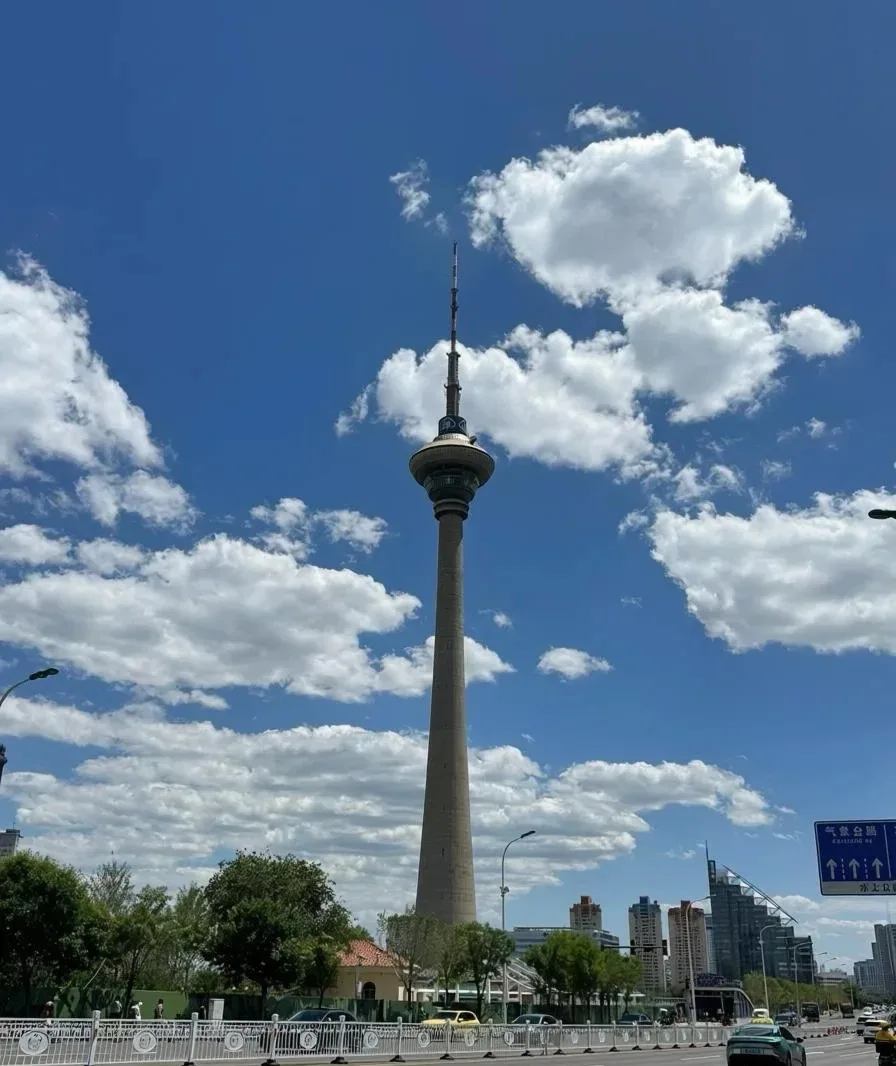
Tianjin TV Tower: The 415m Eye of the City above Tian Ta Lake
The Tianjin TV Tower (Tianjin Radio & TV Tower) stands 415.2 metres tall; when completed in 1991 it led Asia, and still ranks among the continent's tallest. Its pod at 248–278 m holds an observation hall, a revolving restaurant and an open deck, ringed by Tian Ta Lake — a fine perch over the city.
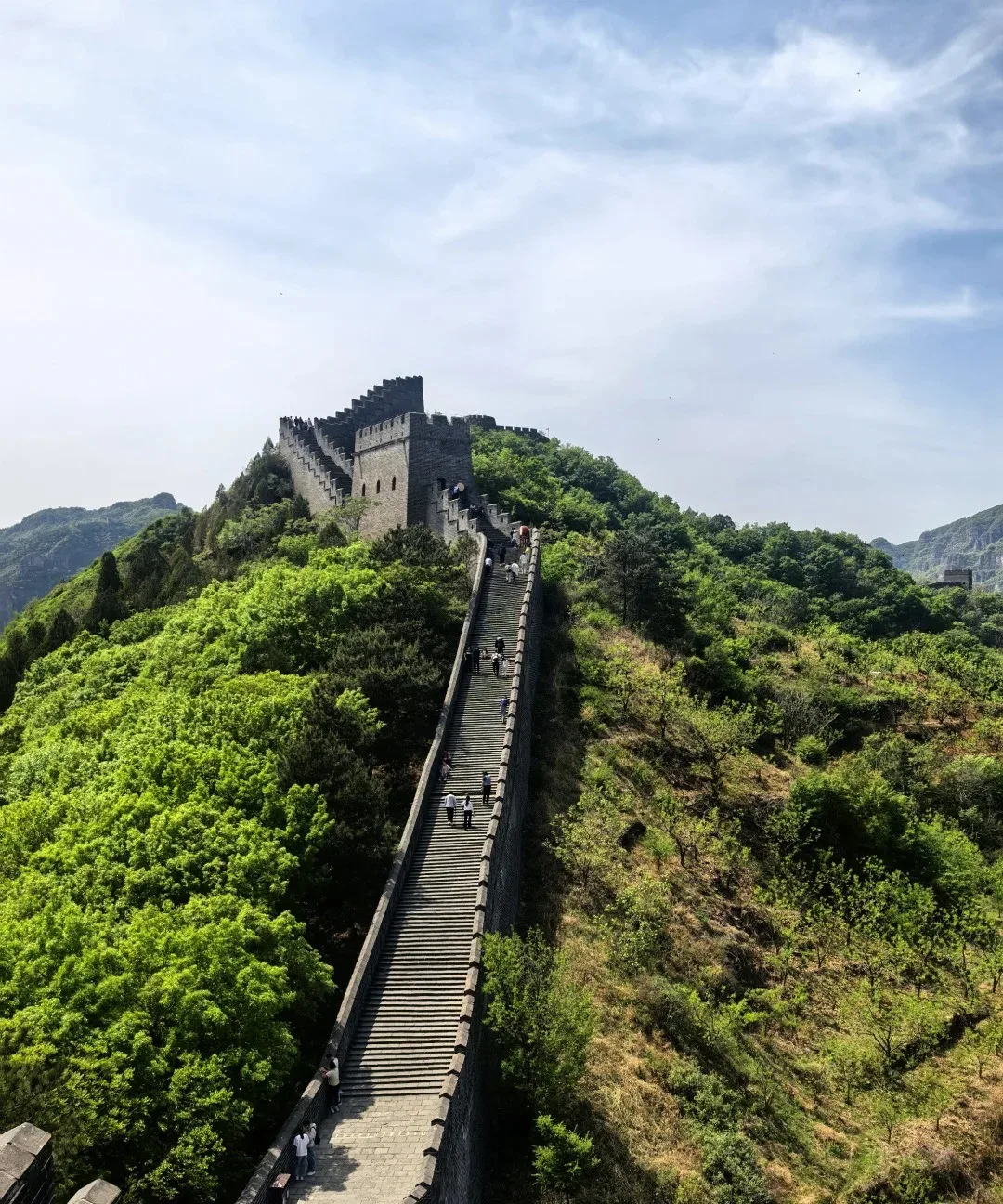
Huangyaguan Great Wall: The Bagua Fortress Rebuilt by Qi Jiguang
At the northern tip of Jizhou, Tianjin, Huangyaguan was first built in the Northern Qi and rebuilt by the Ming general Qi Jiguang. Its water gates, watchtowers and octagonal Bagua fortress make a complete defensive system; from the pass the hills roll like waves and the wall winds like a dragon.
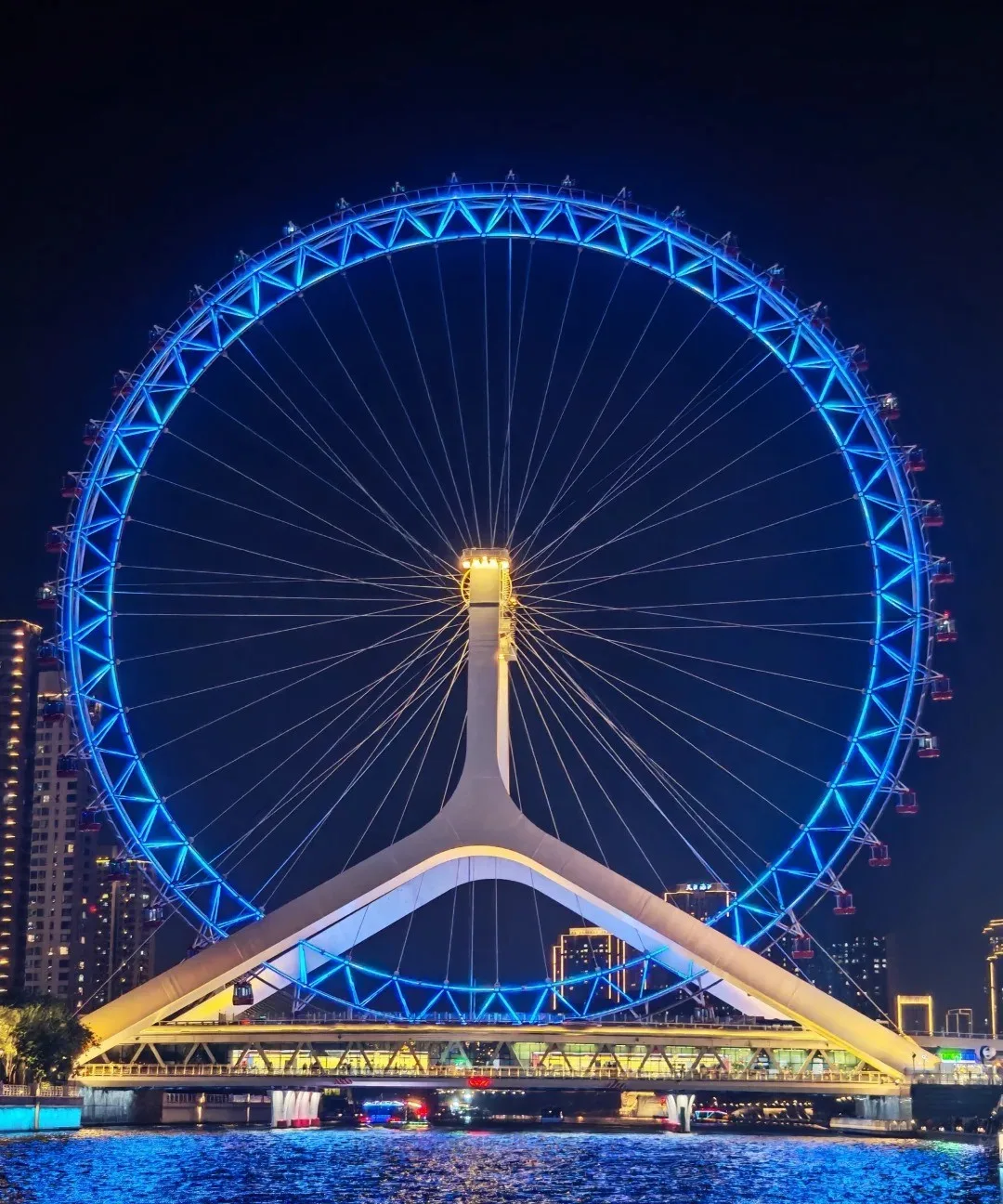
Tianjin Eye: The Ferris Wheel Built on a Bridge
The Tianjin Eye, formally the Yongle Bridge Ferris Wheel, stands at the Three Confluences of the Hai River and is the only ferris wheel in the world built on a bridge. Its 110-metre wheel carries 48 transparent cabins; one turn takes about 28 minutes and the top offers a 360-degree view of the city and river.