 Travel Notes
 #北京
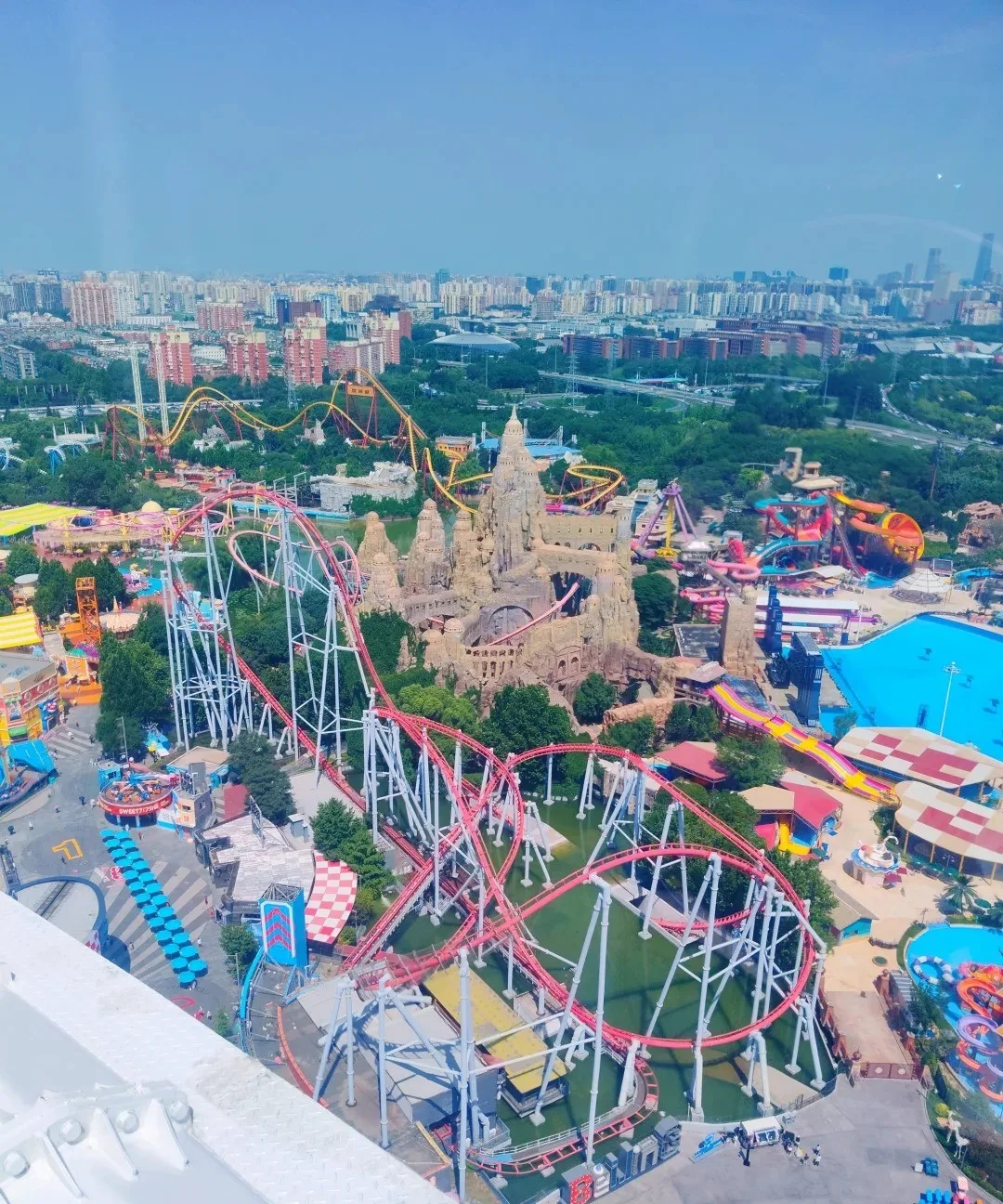
Beijing Happy Valley: One Route Round the Park, Six Roller Coasters
In the southeast corner of Dongcheng's fourth ring, 560,000 square metres and seven themed areas hold China's first launch coaster: 135 km/h, sixty metres high, thirty seconds end to end.
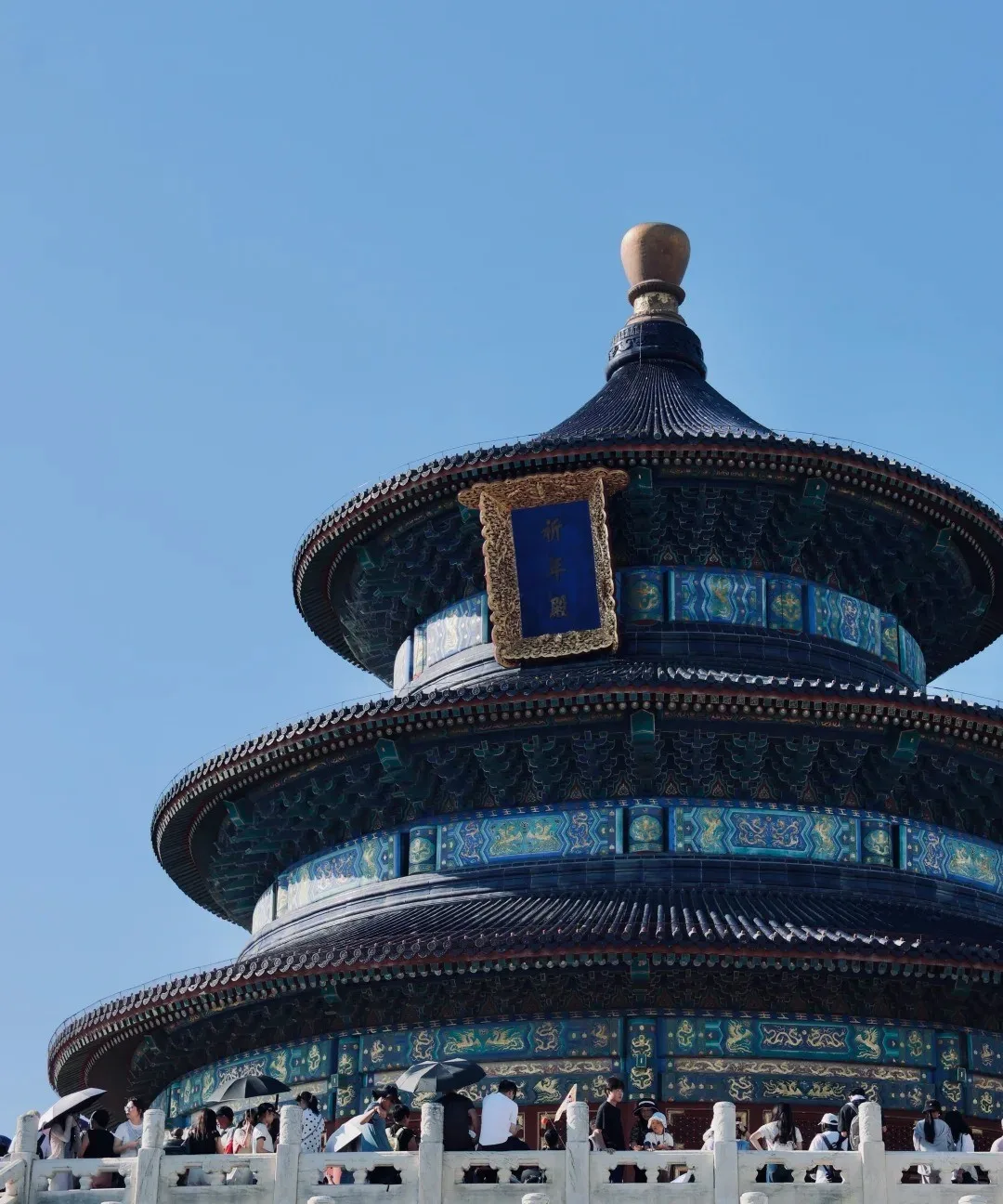
Temple of Heaven: Where the Square and the Circle Met
A circle at the north, a square at the south, and a 360-metre stone causeway running between them to the Hall of Prayer for Good Harvests. The Temple of Heaven turned an idea about the sky into a place you can walk through — sound skims along its walls, and every count of stone is a multiple of nine.
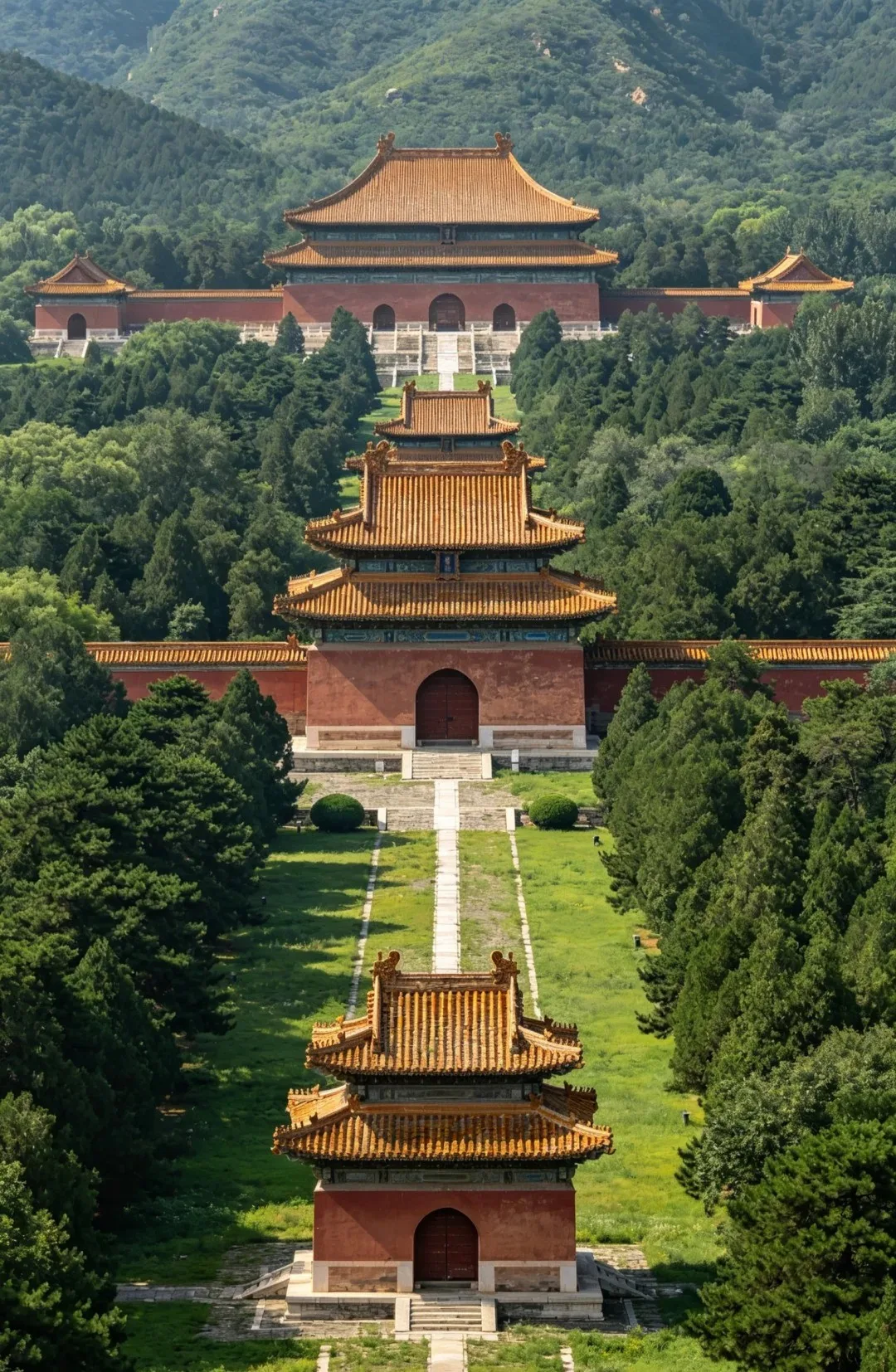
Ming Tombs: Thirteen Emperors in One Mountain Basin
In a forty-square-kilometre basin south of Tianshou Hill lie thirteen emperors of the Ming: the founder's son who moved the capital, the ruler who held no court for twenty-eight years, the last one who hanged himself on Coal Mountain. One stone sacred way, lined with carved animals, links all thirteen.
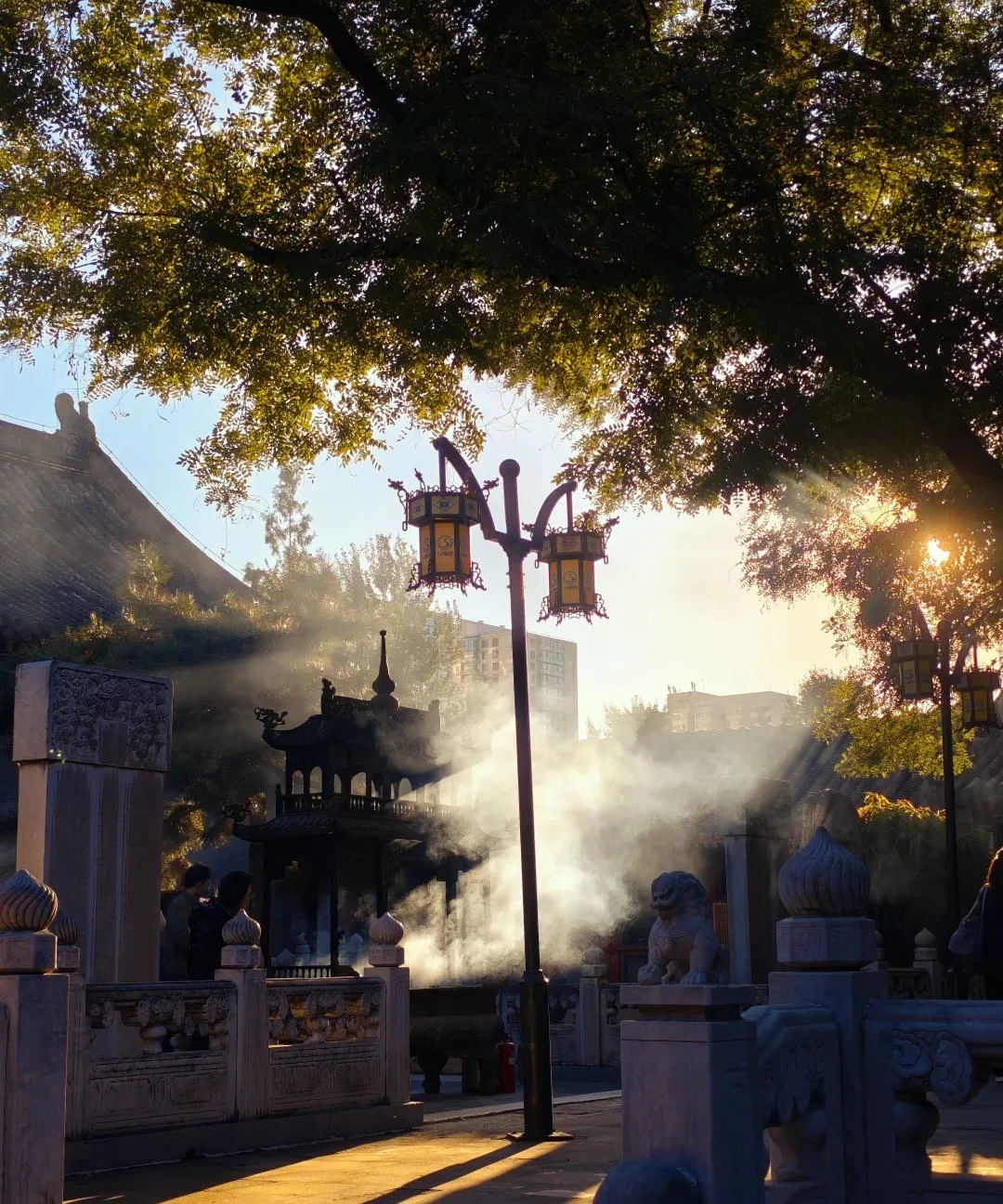
White Cloud Temple: The First Abbey of the Quanzhen Order
No. 9 Baiyunguan Street, Xicheng district. A monastery founded in 739 as Tianchangguan, called Taijigong under the Jin and Changchunguan under the Yuan, took its present name when rebuilt in 1394. Under the statue of Qiu Chuji in the Qiu Zu hall lie his bones; the monastery also keeps a complete 5,305-juan copy of the Daozang canon.
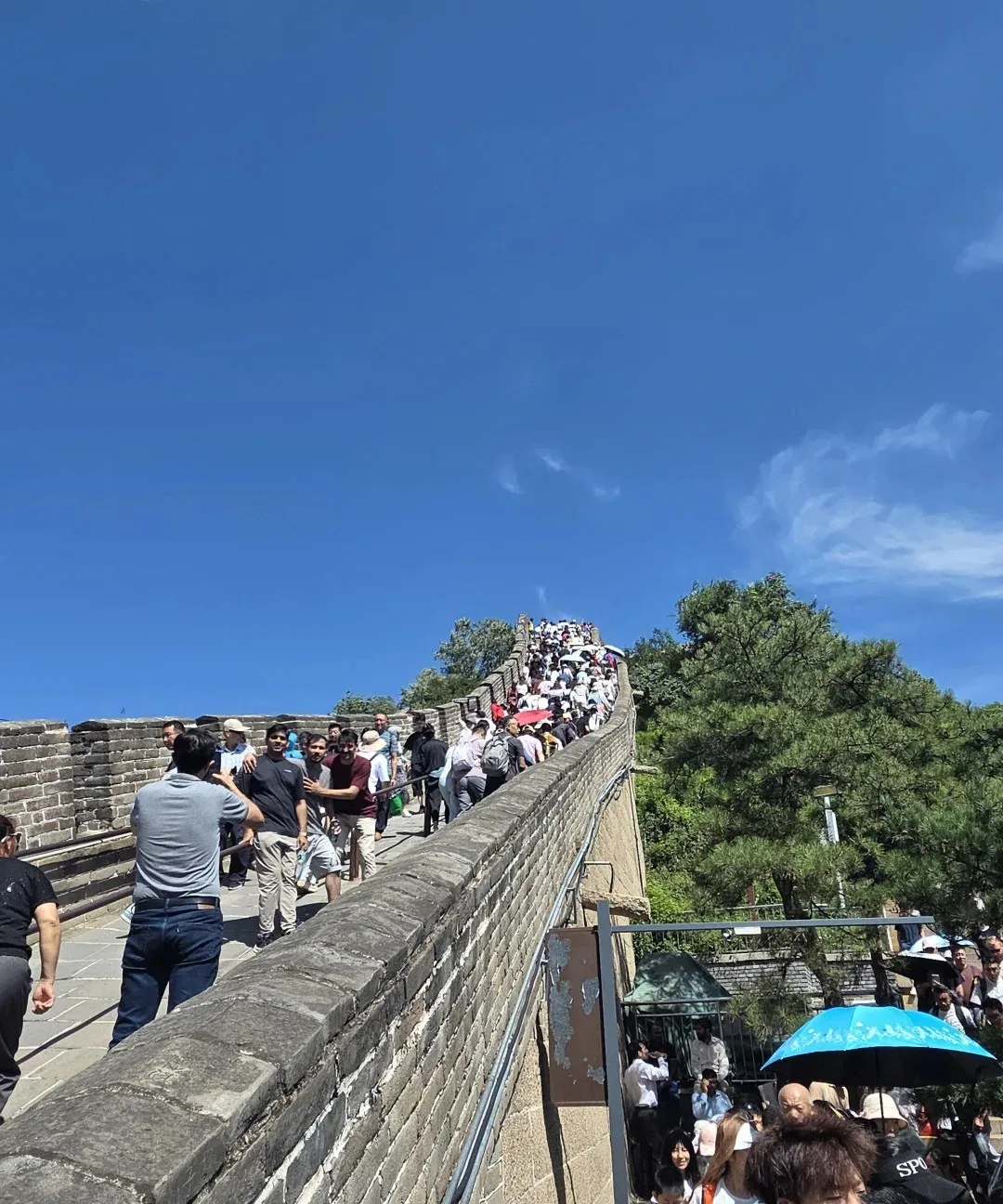
Badaling: The Pass Worth Climbing, and the Trait It Cut Through
A pass at a thousand metres, a Ming section of wall, 3,741 metres of rampart and nineteen beacon towers. Badaling is neither the longest nor the most dramatic stretch of the Great Wall — but it was the first to open to visitors, which is why six centuries later almost everyone recognises this particular frame.
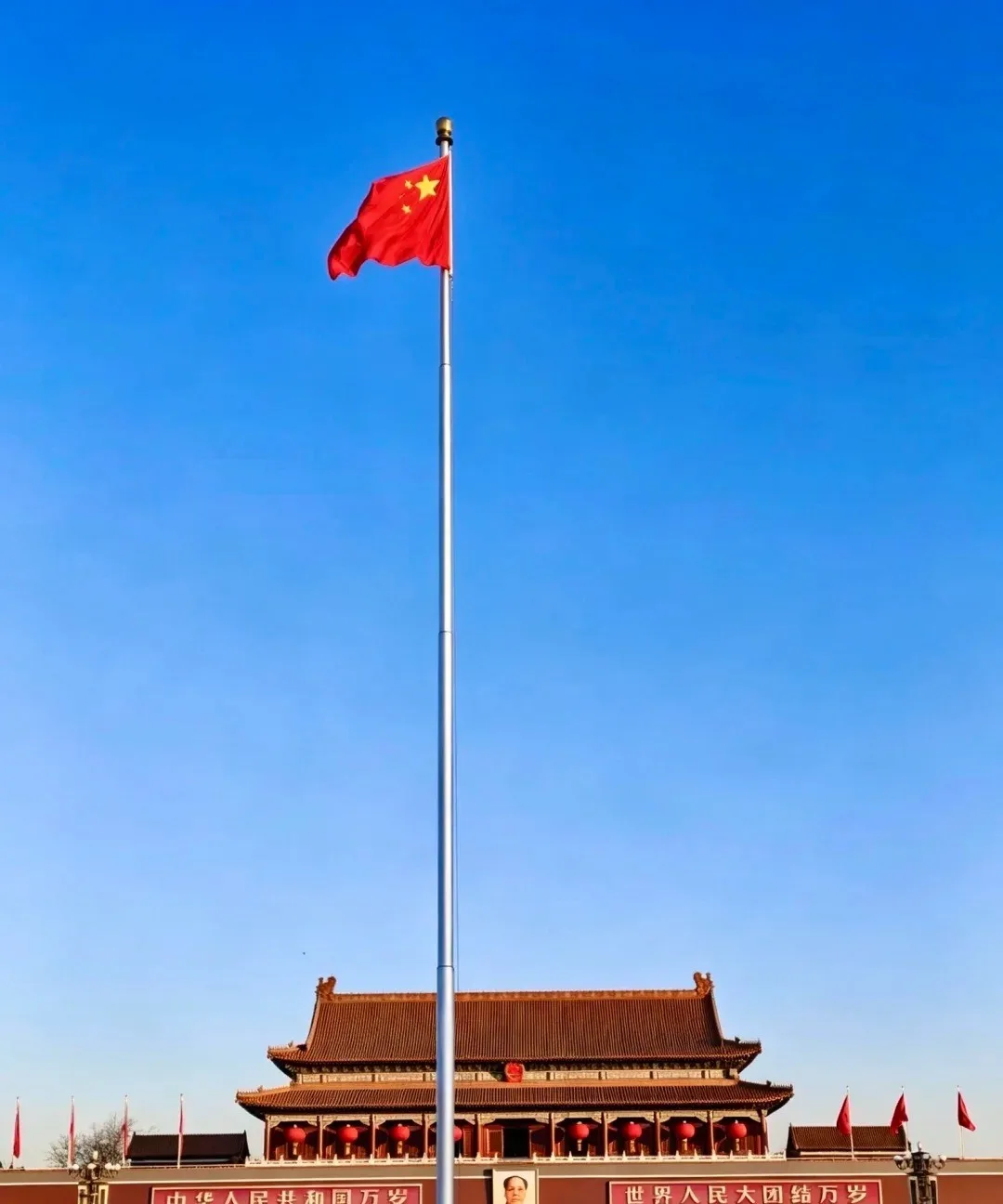
Tiananmen Square: An Eight-Hundred-Metre Central Axis
Eight hundred eighty metres north to south, five hundred east to west, 440,000 square metres, room for a million people. In the Ming and Qing it was a T-shaped street that ordinary subjects could not enter; only after the founding ceremony of 1 October 1949 did it become what it is.
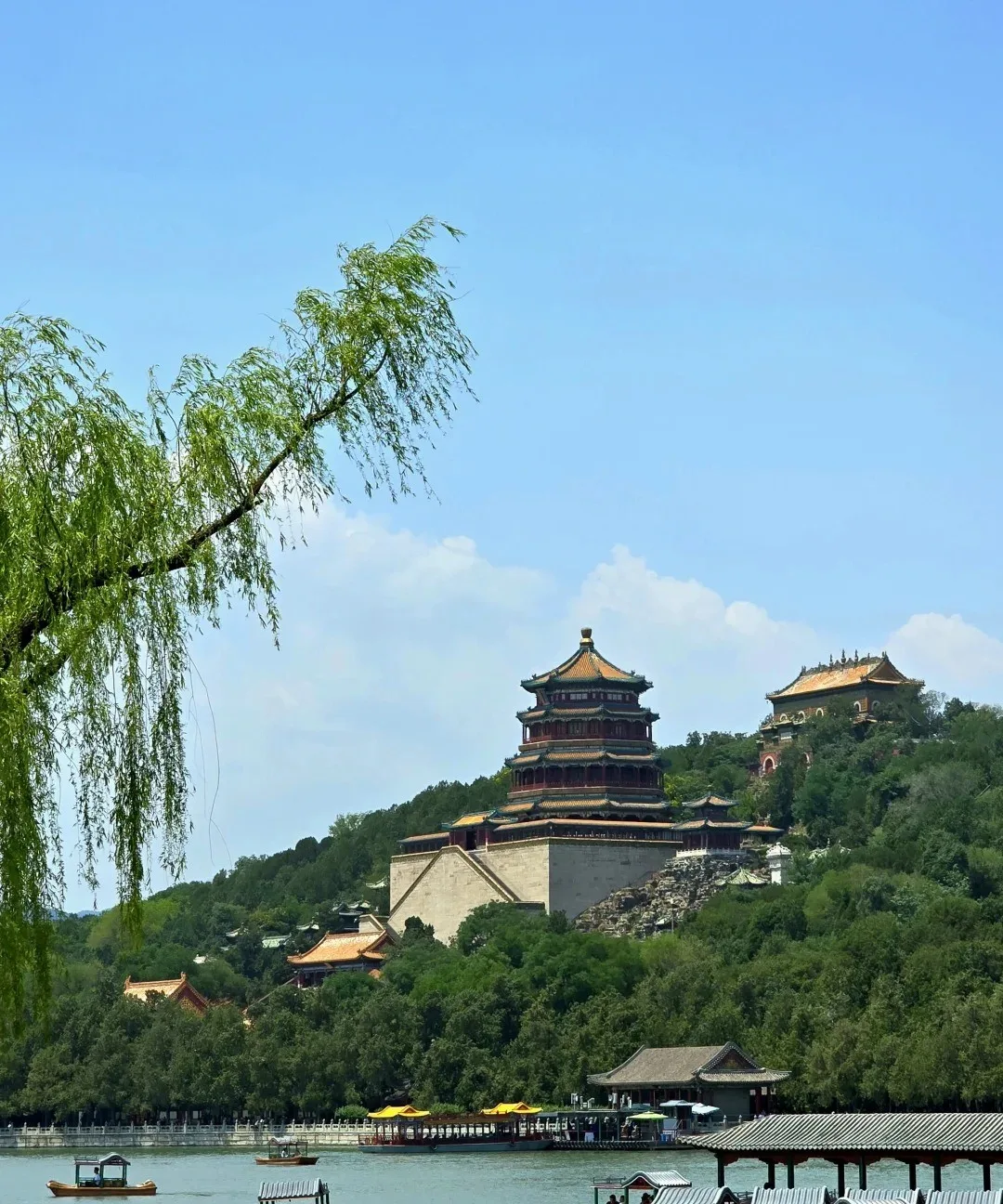
Summer Palace: A Southern Landscape Transplanted to the North
Trying to honour his mother's sixtieth birthday, the Qianlong emperor reworked the western water system and in the process left behind three hundred hectares of lake in north-west Beijing. The long corridor runs 728 metres, Kunming Lake covers 220, and everything else is rockery, colonnades and a stubborn idea of the south.
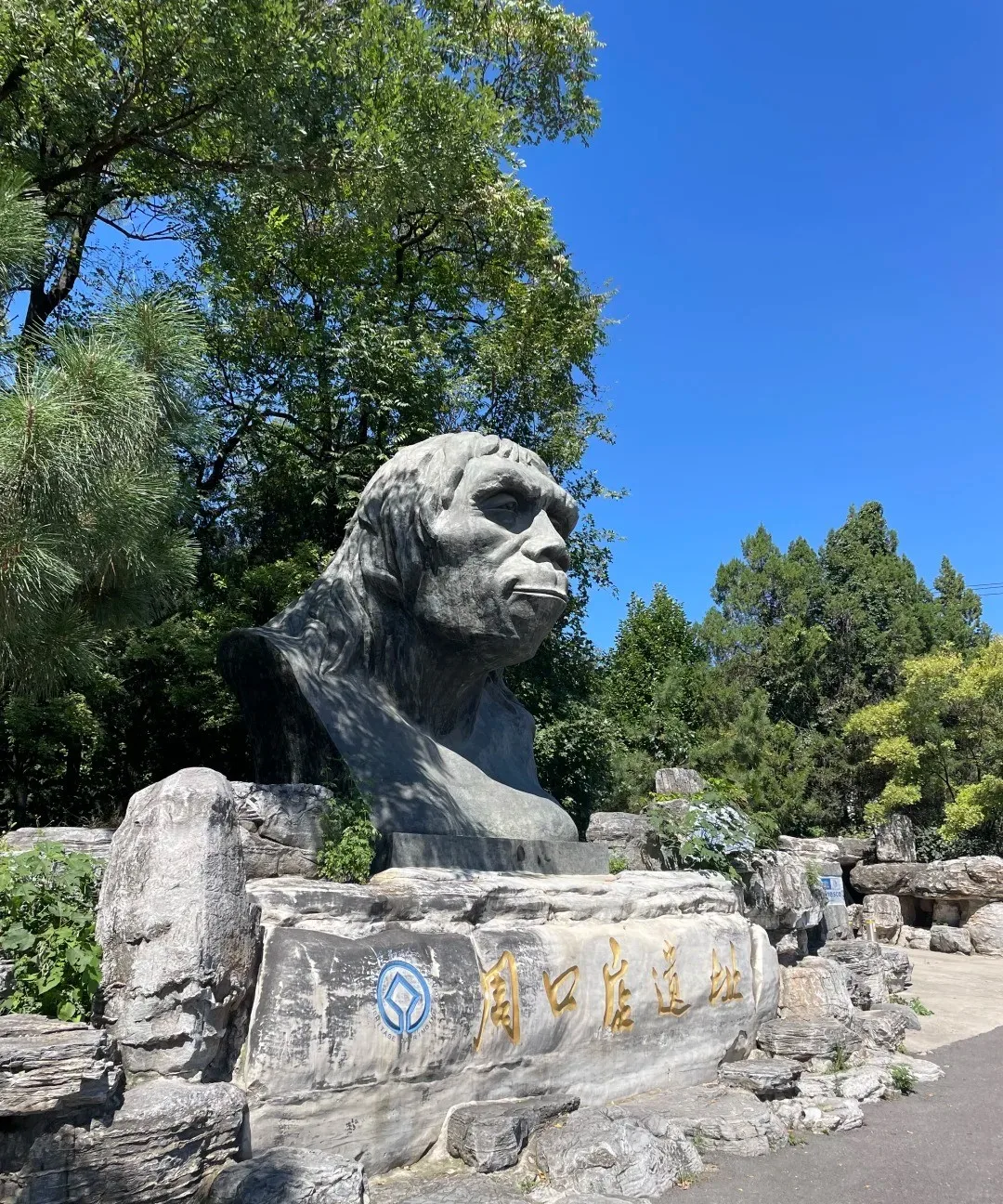
Zhoukoudian Peking Man Site: The First Spade Back in 1929
Beneath a cave on Longgu Shan, some forty metres of silt have built up layer by layer, and the Peking Man skulls sit in level eleven. On 2 December 1929 Pei Wenzhong lifted out the first complete one. In 1941 the collection vanished in the fighting.
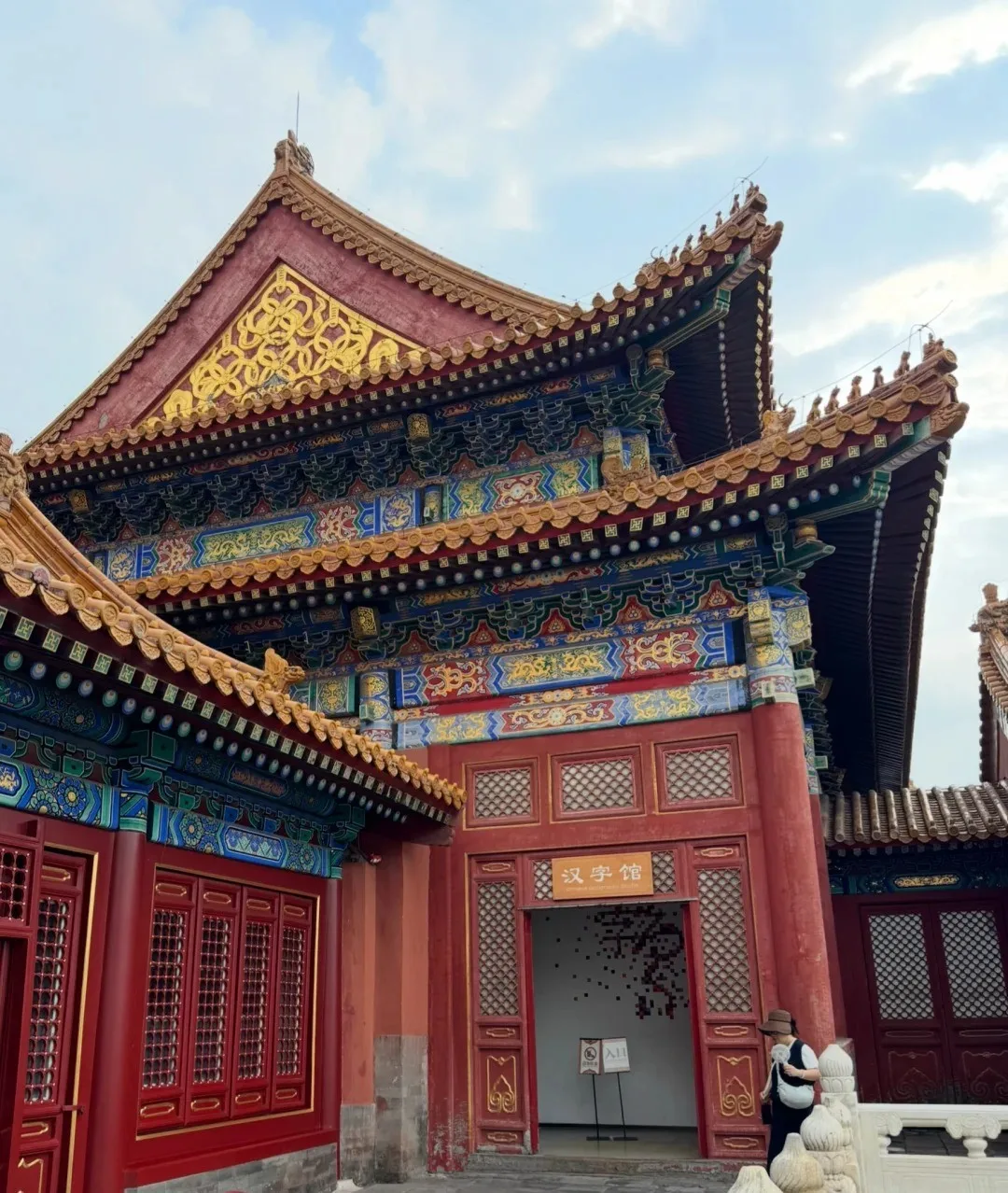
Forbidden City: A Wooden City Standing on Beijing's Central Axis
For two dynasties, China piled its most expensive timber, its longest central axis and its strictest rituals inside one walled rectangle. The Forbidden City grew out of a single decision to move the capital north, burned down four times, was rebuilt four times, and today is still the quietest large courtyard in Beijing.
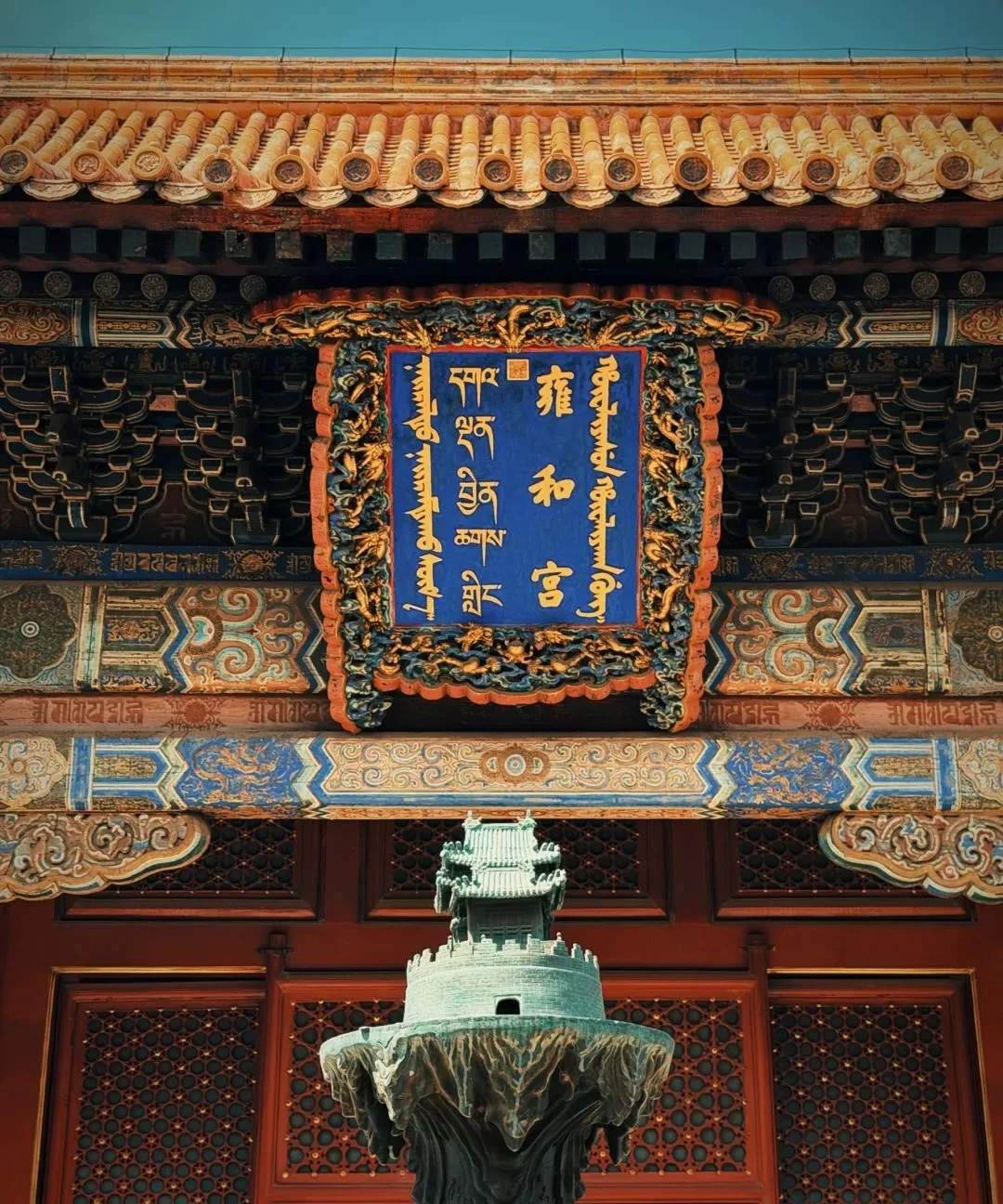
Yonghe Temple: From a Prince's Mansion to Beijing's Largest Tibetan Buddhist Temple
Yonghe Temple began as the mansion where Yongzheng lived as a prince, and was turned into a Tibetan Buddhist monastery in 1744 by his son Qianlong. Red walls and yellow tiles, seven courtyards, and an eighteen-metre Maitreya carved from a single sandalwood trunk make it one of Beijing's busiest places of worship.
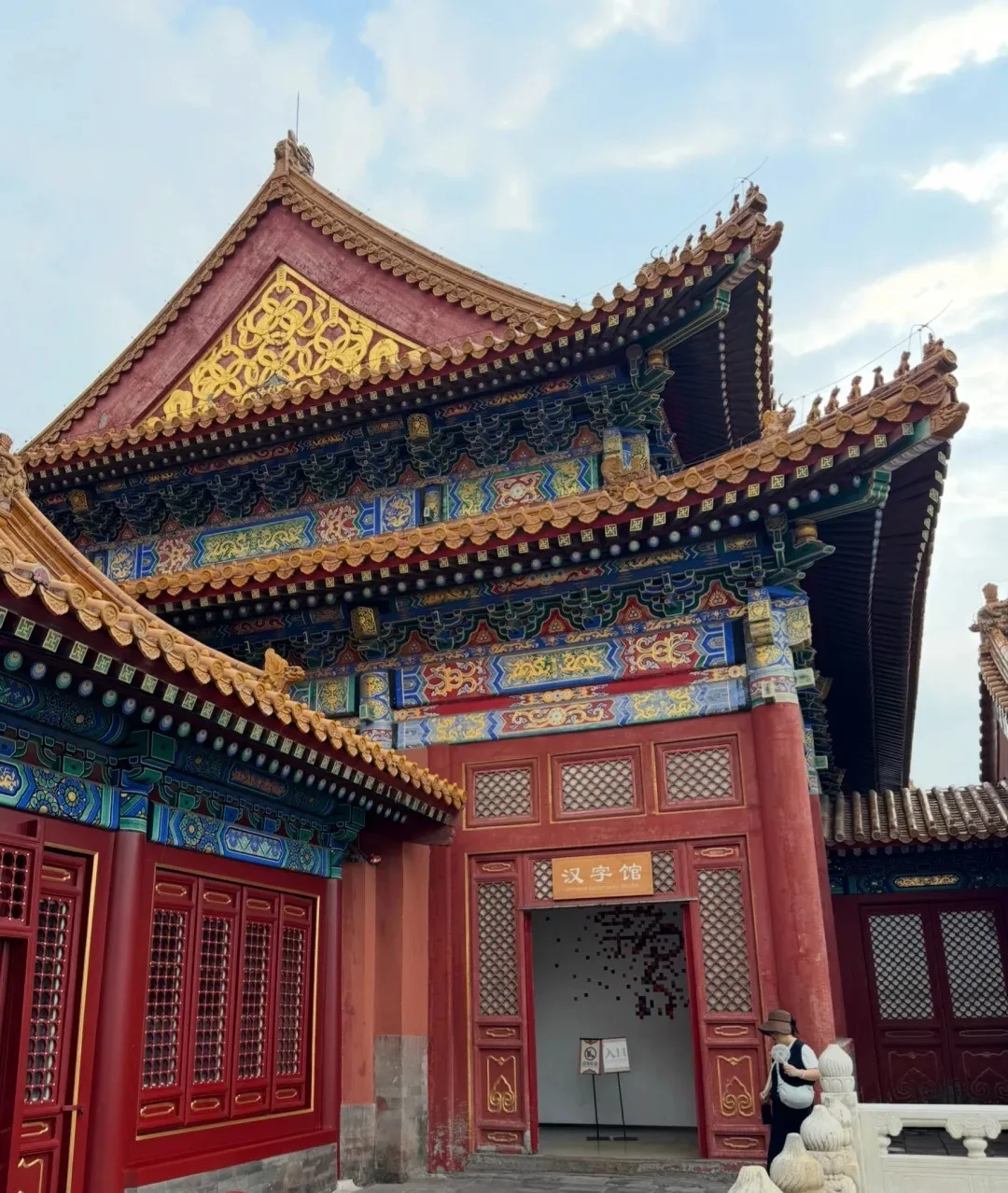
Beijing Travel Guide: Three Millennia of Capital, the Central Axis and Seven World Heritage Sites
Beijing has three thousand years of city-building and eight hundred years as an imperial capital, with seven World Heritage Sites inside and around it. Here is how to make sense of the city's grand axis and palace complexes — and its equally real daily life in the hutongs.