出発前夜、初めての中国ひとり旅の準備がようやく分かった
The night before departure, I was sitting on a bench outside the airport departure hall, my backpack against my leg and my suitcase stretched across my feet. The sliding doors kept opening and closing, sending alternating waves of cool night air and dry air-conditioning over me. It was nearly eleven, but the terminal was still bright as noon. People with luggage moved past in batches. Some were rechecking boarding passes. Some had rolled jackets into pillows. I had assumed I would feel excited. Instead, the first thought that showed up in my head was not “I am finally going,” but something much more practical: when I land in China, how do I get through the first hour without feeling lost?
On my first solo trip to China, what made me nervous was never the flight itself. It was the small details that could trip me over one after another. Would my phone work the moment I landed? How would I pay for things? How would I reach the city if I arrived late at night? What if my battery was down to fifteen percent? What if I did not understand a single sentence clearly? Would I just freeze inside the airport? Later I realized the most useful part of solo-trip preparation was not stuffing more into my bag. It was deciding the first few post-landing moves in advance. Most messy moments happen when those steps have never been mentally rehearsed.
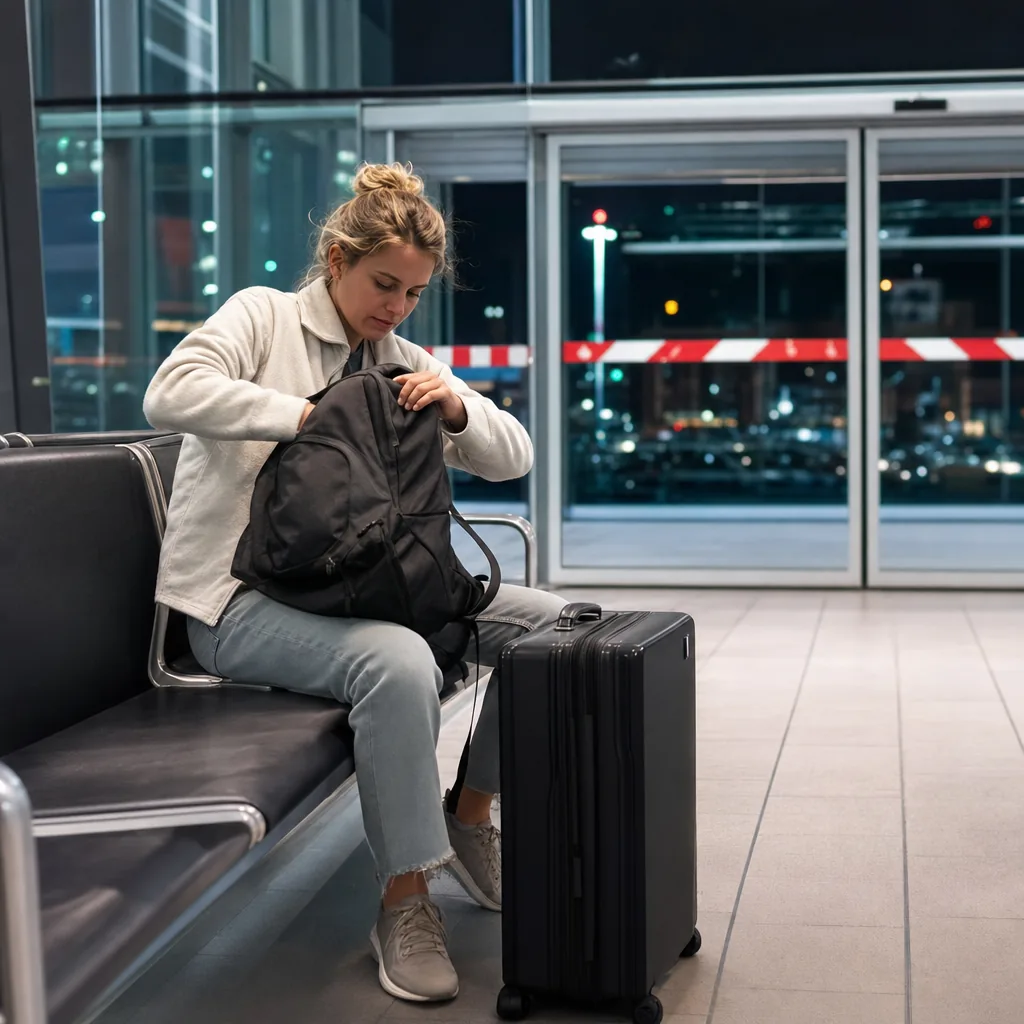
That night at the airport, I almost made a very typical mistake. I had already checked in and was walking toward security when I stopped, opened my suitcase, and tried to force in a thick jacket I thought I “might need.” The suitcase would not close no matter how hard I pressed. I spent five minutes crouched on the floor wrestling with it. A cleaning lady much older than me glanced over, smiled, and said something I did not fully catch, while pointing first at my backpack and then at a row of seats near the charging station. I later understood the message was simple: stop fighting the suitcase here, sit down, and separate what actually matters. That was the moment I calmed down. I moved my passport, power bank, earbuds, spare cable, pen, paper, hotel address, and the small amount of Chinese cash I planned to use on day one into the outer part of my backpack. During the rest of the trip, that small reorganization saved me far more than the thick jacket ever would have.
So if you ask me what really needs to be prepared the night before departure, I would not start with clothes. I would start with five things, and each one directly affects how efficiently you can move once you land.
I now always leave myself a stripped-down first-hour landing plan in both my phone notes and on paper. It does not need to be long. Five or six lines are enough: arrival airport name, hotel address in Chinese, nearest subway option, taxi pickup point, contact phone number, and the last four digits of my passport number. Do not overestimate your brain after a long-haul flight. When you are tired, thirsty, and your ears still feel blocked from the plane, even very basic information can suddenly disappear from your mind. A paper copy is not romantic, but it works, especially when your phone has no signal, no battery, or an app refuses to open at the worst moment.
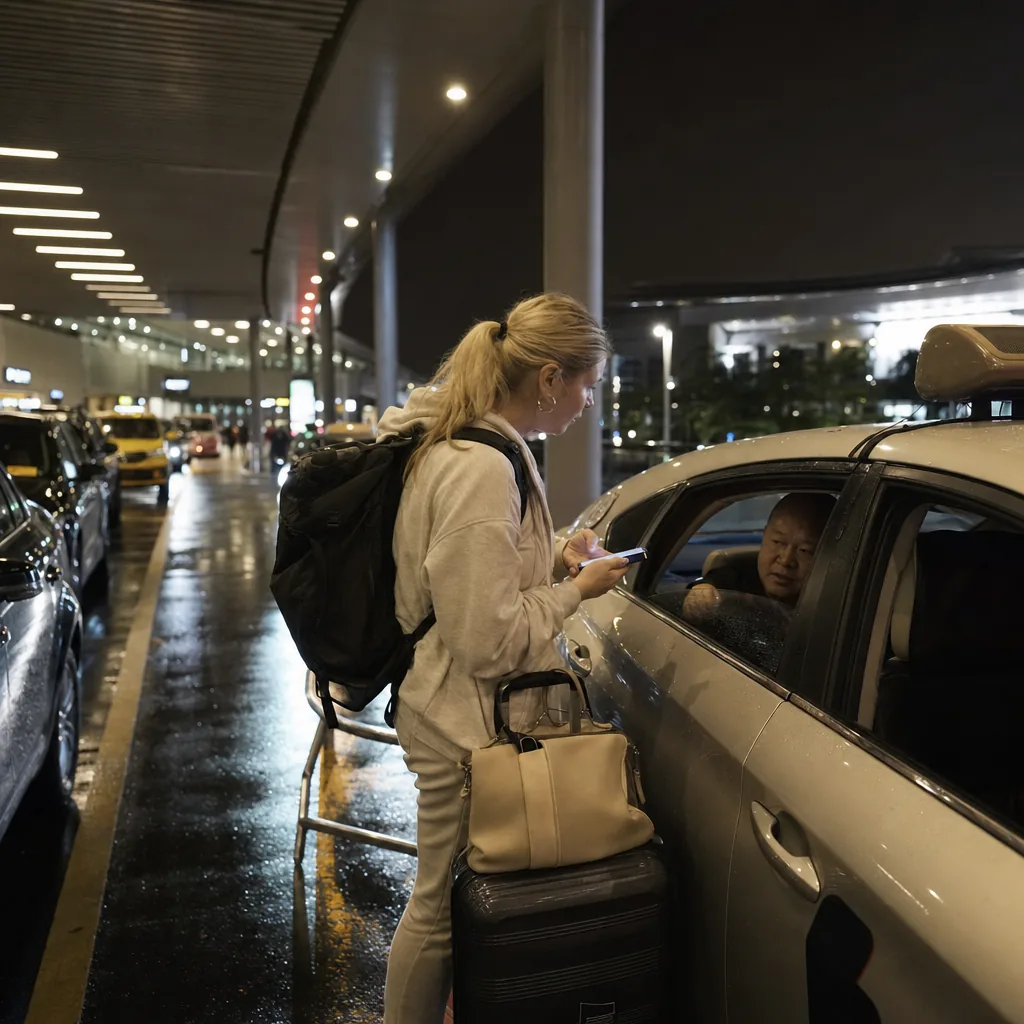
On my first arrival in China, the thing I was most grateful for was having saved a screenshot of my hotel address in Chinese. When the taxi driver turned around to look at me, I could not produce a clean full sentence. I just handed over my phone. He glanced at it, nodded, and started driving. In that moment I understood something very clearly: a lot of travel confidence does not come from knowing everything. It comes from leaving yourself a simple but reliable backup.
Americans often underestimate phone and network preparation before international travel. At home, we are used to having data the second we unlock the screen. But in a new country, once the connection drops, maps, translation, ride-hailing, and hotel contact can all fail at once. My current approach is very practical: before departure, make sure at least one option will work immediately, whether that is international roaming, an eSIM, or a local SIM. Also screenshot your passport page, visa page, hotel booking, and return-flight details. Download offline content for your most-used maps and translation tools in advance.
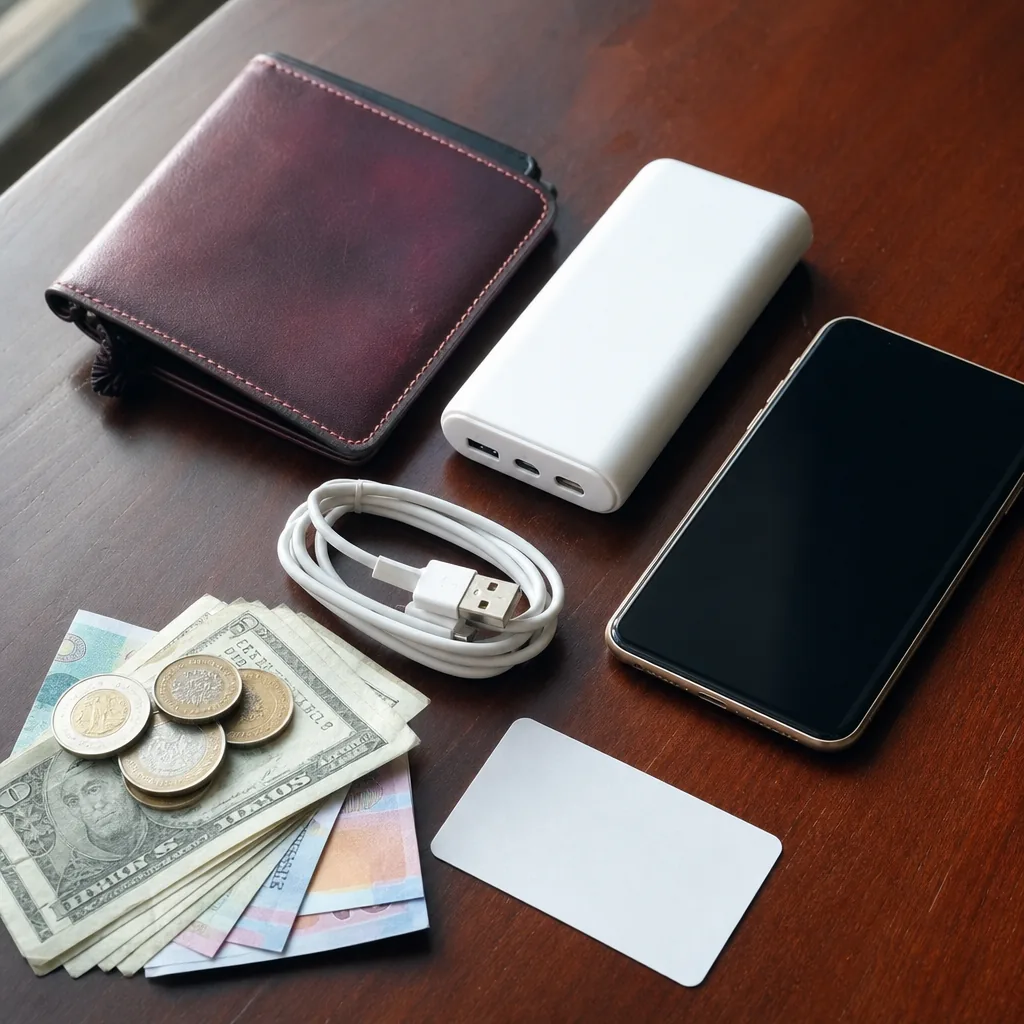
Payment is the same story. Do not arrive with an “I will figure it out later” mindset. Mobile payment is extremely convenient in many parts of China, but as a first-time visitor, you should not trap yourself with only one way to pay. I prepare three layers: one bank card that works internationally, mobile payment set up on my phone, and a small amount of cash. Cash may not be used often, but it is like a spare key. It stays quiet most of the time, and then saves you stress when something else fails.
I used to pack as if I were preparing for every possible weather shift and emotional emergency. The result was always the same: a full suitcase and a tired body. Later I started organizing by speed of access instead of by category. Passport, phone, wallet, charging cable, power bank, tissues, lip balm, and a pen should not be buried deep inside a suitcase. They should be placed where you can reach them in one grab, even while sitting down. After a long flight, patience gets thinner. Even something as small as bending over to search for a cable can suddenly sour your mood.
I also prepare a carry-on set that can get me through six hours without opening my suitcase: a light jacket, a clean pair of socks, a little snack, an empty water bottle, and wipes for my face or hands. None of these sound dramatic, but in the cracks between late-night arrival, transfers, lines, and finding transport, they matter more than you would think.
What needs preparation before a solo trip to China is not only documents and apps, but mindset. Before departure, I remind myself of one thing: there will definitely be a moment when I stand at an intersection, counter, or exit, and my brain goes blank for two seconds. I will probably look like I have no idea what comes next. That does not mean I am bad at solo travel. It just means I have entered a new environment. As long as I do not panic and make random decisions, that brief pause usually passes quickly.
One small habit I learned in China is this: when I am unsure, I step half a pace to the side so I am not blocking anyone, and then I observe for thirty seconds. I watch which exit people are moving toward, how the line tightens, and where the staff are pointing. Very often, no one needs to explain the rule to me directly. I can read it from the direction of the crowd. This works especially well in subway entrances, station security checks, and airport taxi zones.
Before my final check, I focus only on the most useful things. I do not chase perfection. I chase fewer mistakes.
- Keep both paper copies and screenshots of your passport, visa, and flight details.
- Save your hotel address in Chinese, contact number, and first-night arrival plan separately.
- Charge your phone fully, charge your power bank fully, and carry two cables.
- Confirm your data plan in advance. “I will find internet after landing” is not a plan.
- Prepare at least two payment methods, ideally three.
- Keep some cash, tissues, a pen, and a small snack in your personal bag.
- Wear your most comfortable shoes. Do not let an international flight become the debut day for new shoes.
- Give one trusted person your flight, hotel, and rough arrival time.
This checklist is not romantic. If anything, it looks like personal risk control. But I increasingly believe that real freedom in travel does not come from pure spontaneity. It comes from being prepared enough that you finally have room to notice streetlights, airport announcements, and that strangely comforting mixed smell of bakery air and convenience-store shelves, instead of having your heartbeat spike because your phone battery is dying.
When I finally landed in China that night, nothing dramatic happened. I just rolled my suitcase out of the bright arrival hall. The night air felt softer than I expected. The pavement near the taxi line reflected pale white light. A driver in front took my phone, checked the hotel address, nodded once, and lifted my suitcase into the trunk. When I got into the car, my palms were still slightly sweaty, but it was no longer the sweat of panic. It felt more like the alertness of someone honestly entering a new place alone. As the car climbed onto the elevated road, I watched rows of lights slide backward through the window and understood something clearly: the preparations I made the night before were not there to make the trip boring. They were there so I could keep my attention for the parts that were actually worth remembering.