私は青島の海辺で、まず風と潮の向きを見てから、どの列に座るかを決めることを覚えた
The first time I regretted where I sat by the sea in Qingdao, it was not because the view was bad, but because I had chosen only by asking how close the seat was to the water, without checking the wind or the tide. The sunlight that afternoon was excellent, the sea surface almost white with brightness, and many people along the shore were taking photos, drinking coffee, and enjoying the breeze. Naturally, I wanted the very front row too. It felt like the proper way to be “by the sea.” But less than ten minutes after sitting down, I realized the wind was constantly pushing fine mist and chill toward my face, and even a paper bag someone had left near the railing was trembling nonstop. That was when I understood that in Qingdao, seeing the sea is not about grabbing the first row first. It is about judging how the wind and water are moving that day.
Later I developed a very concrete habit: when I reach the waterfront, I do not sit immediately. I stand for a moment first and watch where the wind is carrying people’s hair, jacket hems, plastic cups, and leaves. Then I check whether the tide is edging closer to steps, rocks, or the edge of the boardwalk. This is especially useful for foreign visitors, because many people arrive at the seaside and get captured by the image alone while overlooking bodily comfort and retreat options. It may look as if you are only choosing a chair, but in reality you are deciding whether the next half hour will be comfortable, whether your bag may get damp, whether every photo will involve windblown hair, and whether you can leave easily if the weather changes.
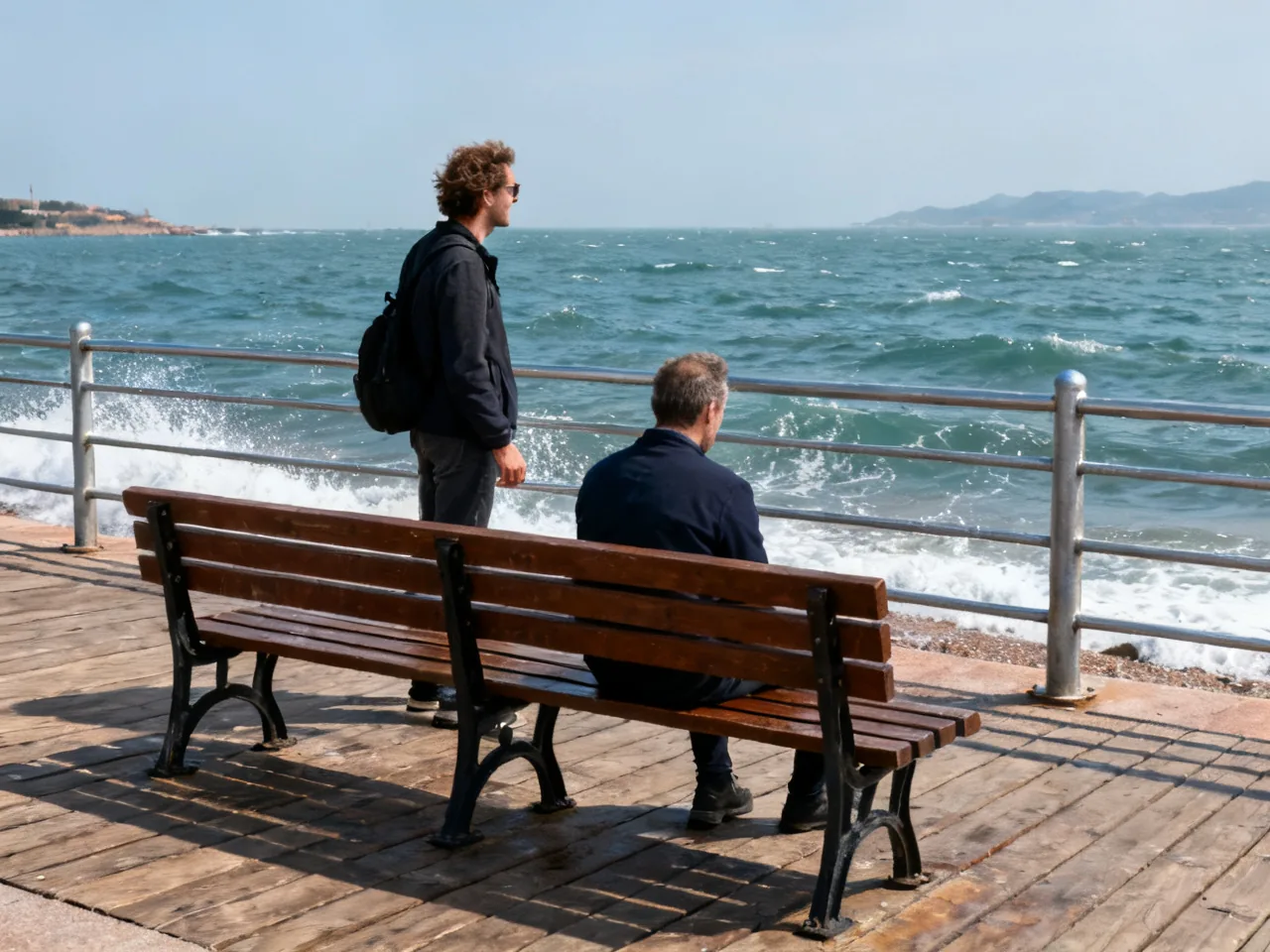
I truly remembered this lesson one evening near the Badaguan area. The benches by the shore looked almost the same, but after standing there for a little while, I noticed that the outermost seats in the same row were taking the full force of the wind. The people sitting there kept pressing down their hats or lowering their heads to protect their drinks. The seats slightly farther back, closer to trees or a wall, gave up only a tiny amount of view, yet everyone there looked much more relaxed. That day I stopped insisting on being the absolute closest and chose a place where the wind could still pass through without hitting me directly. When my friend arrived, chatting, looking at the water, and taking pictures all felt easy. That experience made me agree more and more that layered confirmation is steadier than single judgment, because by the sea, “I can see the water” is only one condition. “I can stay here comfortably” matters just as much.
Later I began watching the tide too. In some Qingdao waterfront spots, the experience after the water rises can become completely different from what it felt like when you first arrived. At the beginning, the space by your feet may feel wide and easy for photos. But after a while, the waterline lifts, the wind sends dampness inland, and a spot that once felt relaxed can suddenly become cramped. If you are carrying paper tickets, a camera, a power bank, or an extra jacket, the change can become more annoying than expected. So now I first check how much rock is still exposed and how far the water is from railings or steps before deciding how long to sit and how close to sit. The habit resembles something I later learned in other Chinese cities too: first check whether the environment is actually supporting your comfort, and only then hand yourself over to the scenery.
Once, near Zhanqiao, I was ready to sit right at the front by the railing, but I paused and watched for a few seconds first. I noticed that the wind was not blowing straight outward. It was sweeping diagonally along the shoreline, and the broken lines of waves were also being pushed in the same direction. Added to that, the constant movement of tourists taking photos meant that the very front row was not actually stable at all. So I stepped back to a slightly off-center seat in the second row. I could still see the sea clearly without having to keep moving my bag, pressing down a hat, or adjusting a scarf every few minutes. After that, I believed even more firmly that comfort and safety grow from everyday details, because no matter how beautiful the scenery is, it is hard to truly relax if your body is constantly negotiating with wind and moisture.
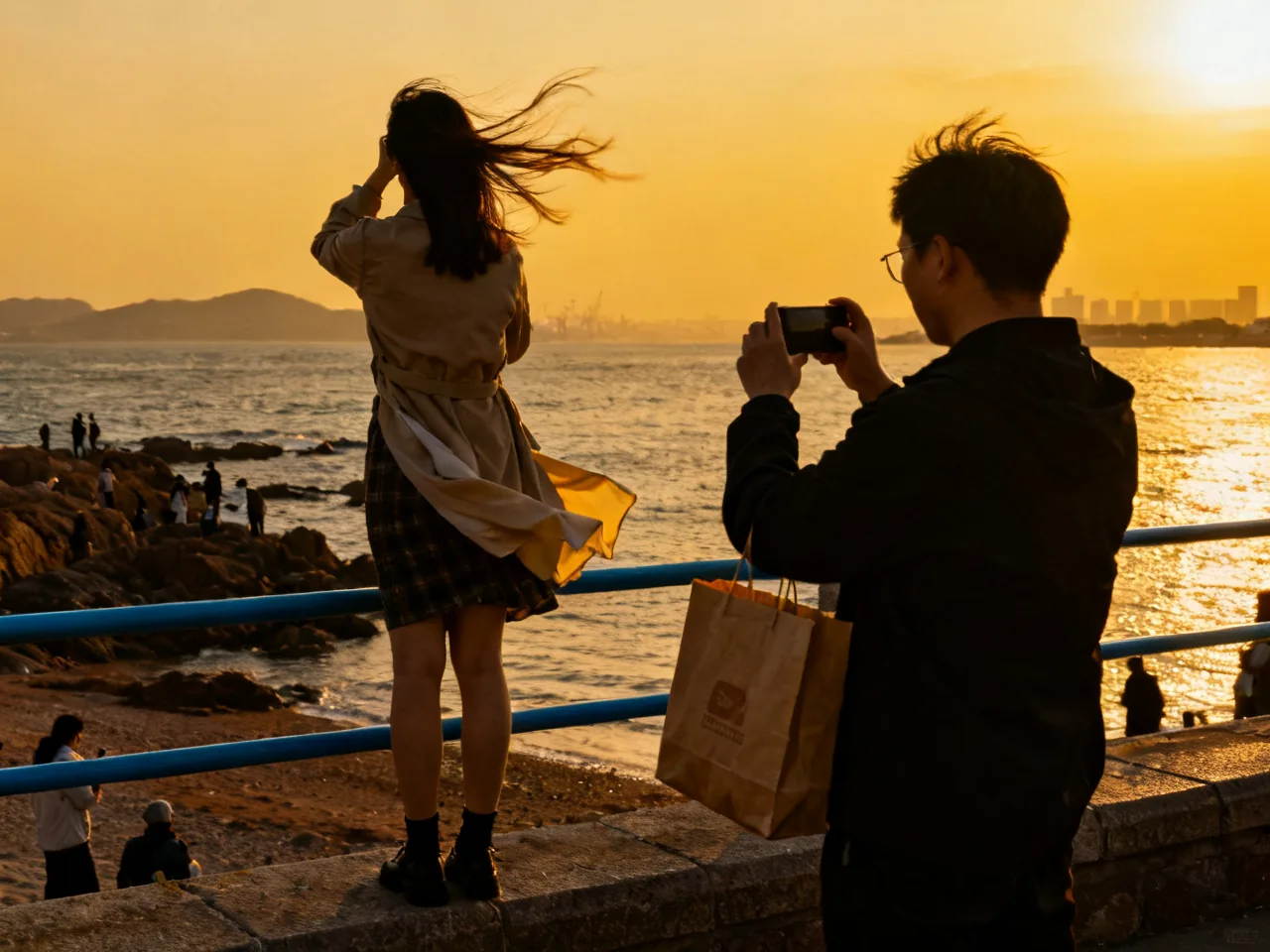
If someone asks me now what is most worth learning first by the sea in Qingdao, I would say: do not rush for the first row, and do not pull out the camera immediately. Check the wind first, then the tide. Judge whether the waterfront is welcoming a long sit that day or whether it is better for standing and watching briefly. Confirm whether your body can stay there comfortably before deciding how to frame the pictures. This habit made Qingdao’s seaside much easier for me to enjoy, and it slowly taught me that mature travel is not about always being physically closest to the scenery. It is about finding a place where you can both see it and remain at ease.