成都発の週末逃避行:3つのルート、3つのリズム
Chengdu is the kind of city that traps you.
The hot pot is too good, the teahouses too comfortable, the streets too interesting — many people plan three days and stay a week. But if you need to breathe outside the city, there are a few places nearby worth a dedicated trip.
Route 1: Leshan Giant Buddha + Mount Emei (2 Days)
Distance: Leshan is ~130 km from Chengdu, 40 minutes by high-speed rail.
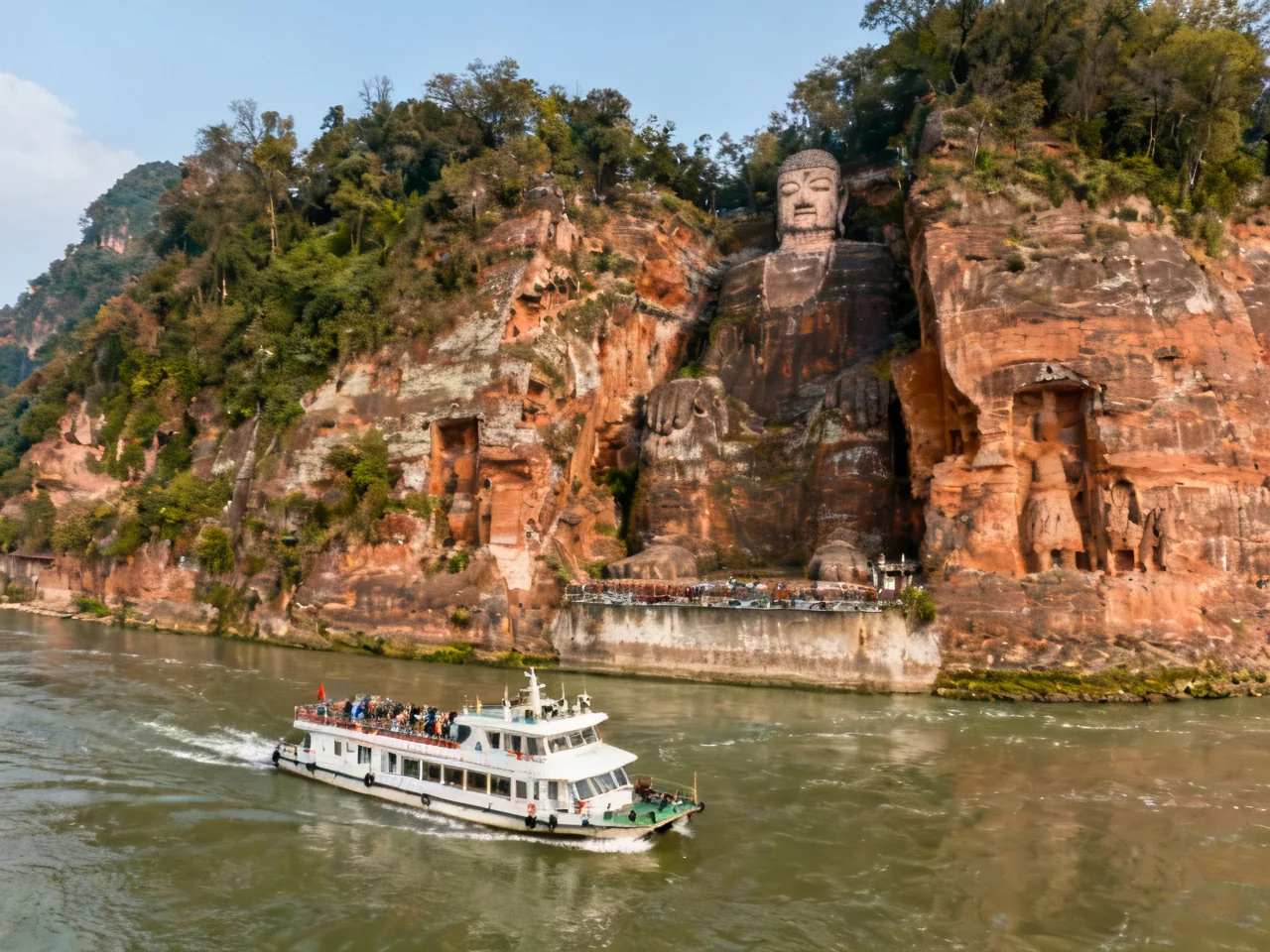
Leshan Giant Buddha was carved during the Tang Dynasty over 90 years, standing 71 meters tall — the world’s largest stone Buddha. The numbers sound abstract until you’re standing at the riverbank looking up and realize “giant” is being used literally.
Best viewing: take a boat on the river for the full view (~¥30), or walk the Lingyun Mountain trail for a side-angle overhead view. Peak season queues can run 1–2 hours — arrive before 8 AM.
Mount Emei is ~40 km from Leshan, one of China’s four sacred Buddhist mountains. The summit Golden Summit sits at 3,077 m — on clear days you can see the “Buddha’s Light” (a rainbow halo in the cloud sea).
Warning: the monkeys on the mountain steal things. Don’t hold food, don’t wear sunglasses (they’ll grab them), don’t make eye contact. This is not a joke.
Route 2: Dujiangyan + Mount Qingcheng (1 Day)
Distance: Dujiangyan is ~60 km from Chengdu, 30 minutes by high-speed rail.
Dujiangyan Irrigation System was built in 256 BC and still operates today — irrigating the Chengdu Plain for over 2,000 years. This isn’t a ruin; it’s a living system that still manages the Min River’s flow annually.
The site includes three main structures: the Fish Mouth Levee, Flying Sand Weir, and Bottle-Neck Channel. Walk the full trail (~2 hours) rather than just one viewpoint — it’s far more interesting.
Mount Qingcheng is ~15 km from Dujiangyan, a sacred Taoist mountain. The front mountain (Qingcheng Qianshan) is well-developed with temples, trails, and teahouses; the back mountain (Qingcheng Houshan) is wilder with more waterfalls and streams — better for hikers.
Both sites fit in one day: Dujiangyan in the morning, Mount Qingcheng in the afternoon, back to Chengdu by evening.
Route 3: Daocheng Yading (3–4 Days)
This route isn’t for everyone, but those it suits will find it worth everything.
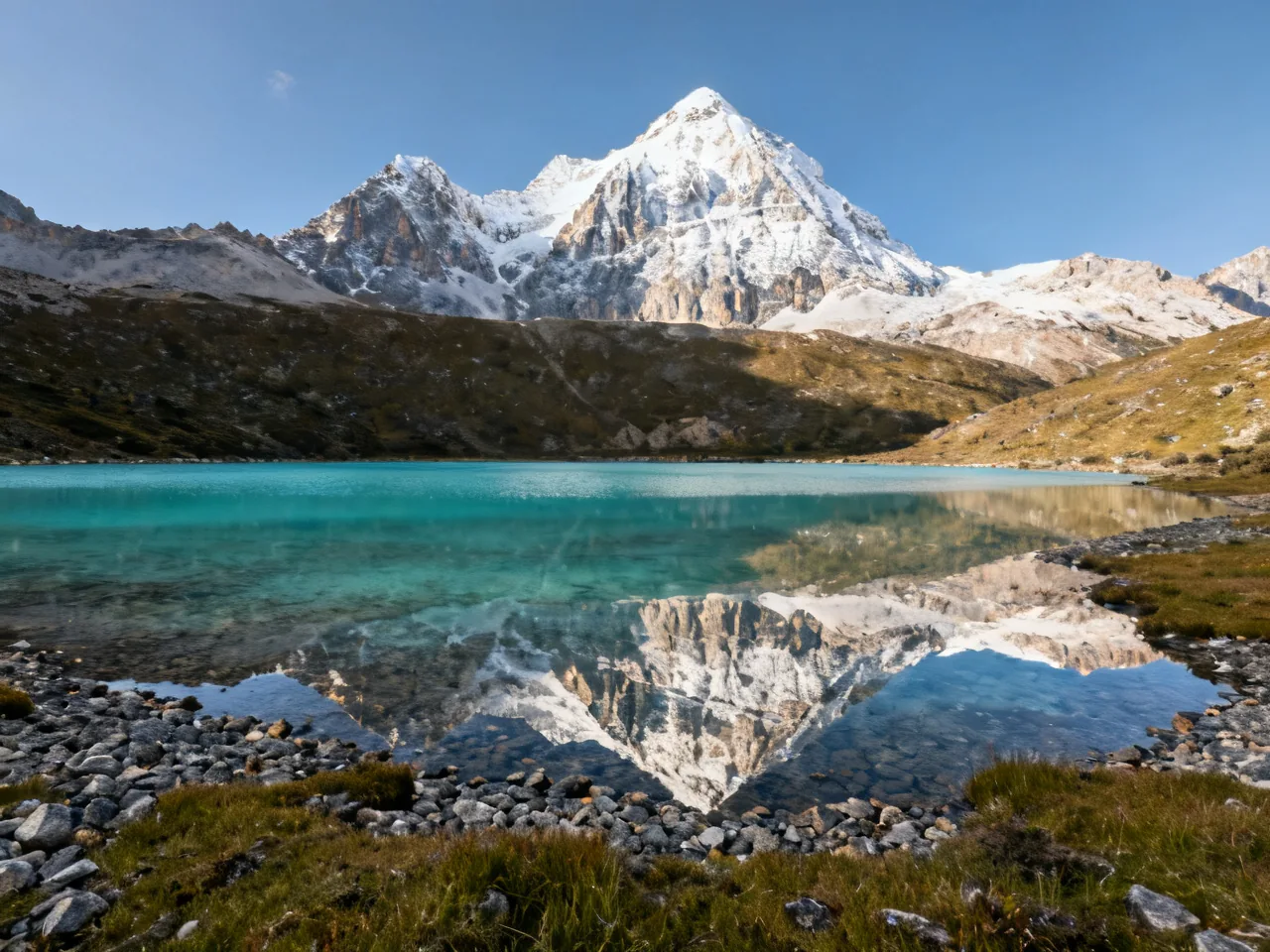
Daocheng Yading is in Garzê Tibetan Autonomous Prefecture, Sichuan, at 3,700–5,000 m elevation — one of China’s best-preserved highland ecosystems. Three sacred peaks (Chenresig, Jambeyang, Chanadorje) surround Milk Lake and Five-Color Lake. In autumn (late September–October), red foliage and snow-capped peaks appear in the same frame — many consider it the most beautiful place in China.
Reality check:
- ~1.5 hours by flight from Chengdu to Daocheng Yading Airport; tickets are expensive in peak season
- Altitude sickness is real — allow 1–2 days to acclimatize, don’t push hard hikes on day one
- Shuttle buses required inside the park; book tickets in advance during peak season
- Best seasons: autumn (red leaves) or winter (snow, fewer crowds)
Practical Info
Transport: Chengdu has two high-speed rail stations (Chengdu East, Chengdu South) — East is more convenient for Leshan/Dujiangyan. For Daocheng Yading, fly — the road takes 10+ hours.
Accommodation: Leshan and Dujiangyan are doable as day trips; Mount Emei is worth one night on the mountain for sunrise; Daocheng Yading needs at least 3 nights.
Seasons: Mount Emei has snow scenery in winter but slippery mountain paths; Dujiangyan is year-round; avoid Daocheng Yading during the July–August rainy season.
The diversity around Chengdu is surprising — from plains irrigation engineering to highland sacred peaks, completely different landscapes within two hours.
For more Sichuan travel inspiration, Tibet Entry Practical Guide covers high-altitude travel preparation. For Chengdu itself, the Chengdu section of China’s Breakfast Map is worth reading.
外链: Wikipedia — Dujiangyan Irrigation System