Двадцать четыре сезона: код времени, заложенный в китайцах
My first real understanding of the 24 Solar Terms didn’t come from a textbook — it came in a Hangzhou wet market. It was “Jingzhe” (Awakening of Insects), and a vegetable vendor said casually: “Jingzhe is here, time to eat pears.” I was confused — what’s Jingzhe? Why pears? Later I learned that this 2,000-year-old time system is still deeply embedded in Chinese daily life, like a collective biological clock. And it’s far more complex and fascinating than I ever imagined.
What Is It Exactly? Not Lunar — It’s Solar
Many people get this wrong — the 24 Solar Terms aren’t a lunar system. It’s a purely solar-based time division. Ancient observers tracked the sun’s position along the ecliptic, marking a new term every 15 degrees, totaling 24 per year. Starting from “Lichun” (Start of Spring, around February 4) to “Dahan” (Great Cold, around January 20), the cycle repeats endlessly. Each term is about 15 days apart, astonishingly precise — without telescopes or satellites 2,000 years ago, Chinese farmers built this sophisticated astronomical system through naked-eye observation and generational knowledge. In 2016, UNESCO inscribed it on the Representative List of Intangible Cultural Heritage of Humanity, calling it “a time knowledge system formed through observation of the sun’s annual motion.”
IMAGE_PLACEHOLDER_1
Not Just a Calendar — Each Term Is a Way of Life
The complexity is that each term isn’t just a date — it connects to farming schedules, food customs, health philosophy, and even social etiquette. Let me pick some of the most interesting ones:
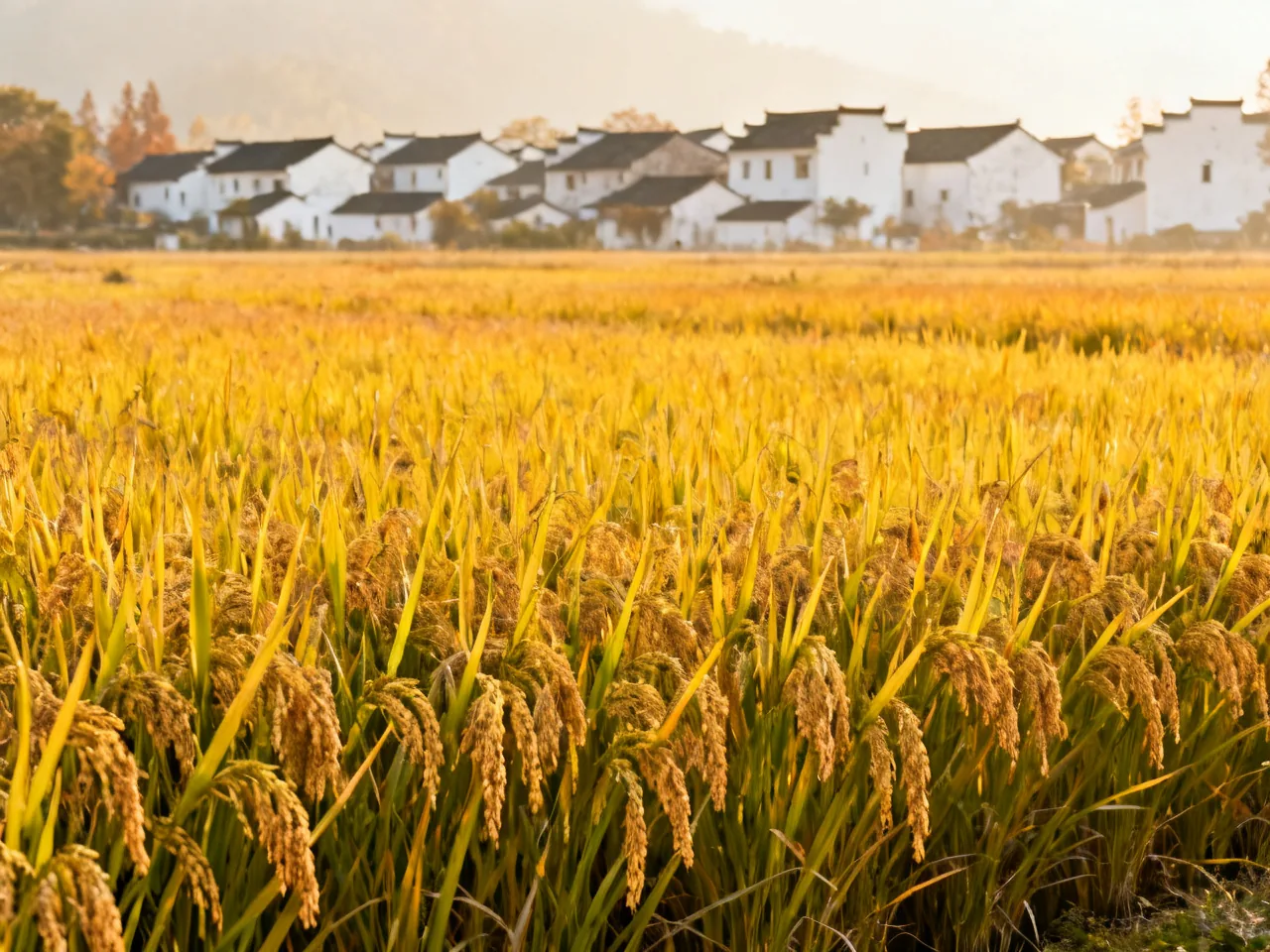
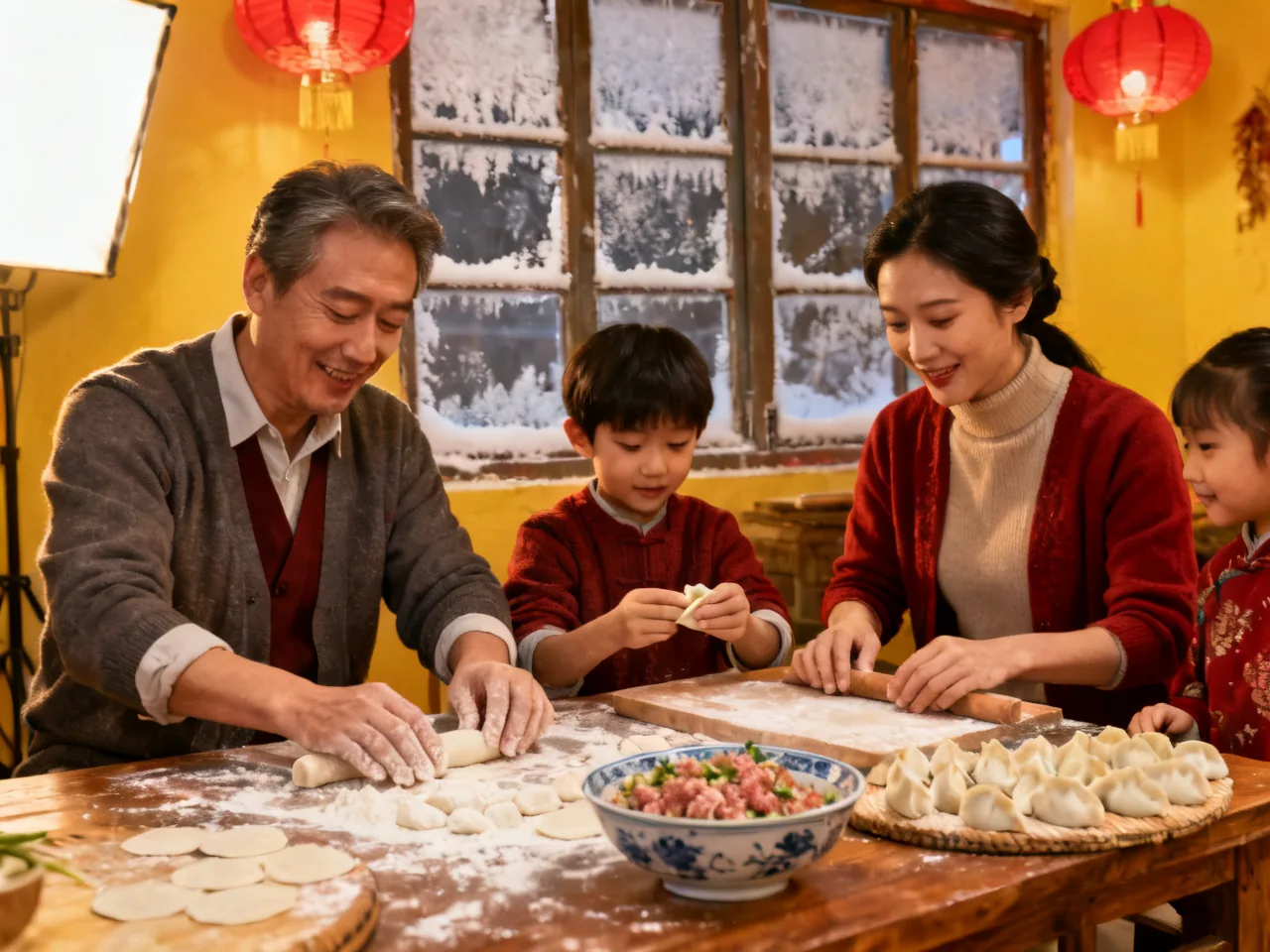
Dongzhi (Winter Solstice) — probably the most prominent solar term. Around December 21-22, the shortest day in the Northern Hemisphere. In northern China, eating dumplings on Dongzhi is an iron law, said to honor the ancient physician Zhang Zhongjing who treated frostbitten villagers. I spent one Winter Solstice in Harbin at minus 20°C, with dumpling shops packed and lines stretching outside — a plate of pork-and-cabbage dumplings cost just 18-25 RMB. In the south, it’s tangyuan (sweet rice balls) day — Shanghai-Ningbo style with black sesame filling, cloyingly sweet but utterly addictive. This north-south divide perfectly reflects China’s deep-rooted sweet-south-vs-salty-north food culture.
Qingming (Clear Brightness) — not just tomb sweeping. Qingming (April 4-5) is when Chinese honor ancestors, but it’s also prime time for spring outings. Around West Lake in Hangzhou and Tiger Hill in Suzhou, crowds surge. Many places eat qingtuan — emerald-green rice balls colored with mugwort juice, filled with red bean paste or egg yolk-pork floss, priced 5-15 RMB. At Shanghai’s Xinghualou and Shen Dacheng on Nanjing Road, pre-Qingming queues stretch hundreds of meters — scenes rivaling Spring Festival train ticket rushes.
Jingzhe (Awakening of Insects) — around March 5-6, “spring thunder rumbles, all things grow.” Legend says hibernating insects are startled awake by thunder. Northerners eat pears (“li” sounds like “leave” — leaving pests behind). In the south, some places practice “beating villains” — hitting paper figures with shoe soles to dispel bad luck. I witnessed this under Hong Kong’s Goose Neck Bridge — elderly women sitting by pillars, chanting while smacking vigorously, charging 50 HKD per session, business booming.
The Youth Revival of Solar Terms
Some might think this is just old folks’ stuff. Not so. After UNESCO’s 2016 recognition, young Chinese sparked a “solar term fever.” On Xiaohongshu and Douyin, countless bloggers create solar-term content — seasonal fashion, recipes, wellness teas, even solar-term themed hanfu-to-qipao styling guides. Every solar term, Weibo trends feature “Today’s XX Term” topics with billions of views. Young people design phone wallpapers, creative calendars, and some even plan fitness routines and sleep schedules around the terms.
The Palace Museum’s “24 Solar Terms” creative product series sold over 2 million pieces in 2023 alone. Starbucks China launches limited drinks for each term — “Guyu Longjing Latte,” “Liqiu Osmanthus Latte” and so on. What does this tell us? That a 2,000-year-old agricultural time system has successfully evolved into contemporary China’s cultural IP and consumption code.
IMAGE_PLACEHOLDER_2
My Personal Solar Term Guide
After years in China, I developed my own “solar term rituals.” On Lichun I eat spring pancakes — Beijing-style rolled with duck, sauce meat, and stir-fried vegetables, 35-50 RMB per set, the perfect spring reward. Around Xiaoman I travel to Suzhou for loquats — Dongshan white jade loquats at 20-40 RMB per jin, sweet beyond words. Mangzhong brings bayberries — Xianju bayberries big as ping-pong balls, 25-60 RMB per jin. On Dashu (Great Heat) I follow locals into teahouses — Chengdu’s Heming Teahouse charges 15-30 RMB for a covered bowl of tea, perfect for an afternoon escape. Around Qiufen (Autumn Equinox) I head to Beijing for red leaves — Xiangshan’s smoketree blazing like fire, tickets just 10 RMB.
For urban people, solar terms have evolved from “production tools” to “cultural rituals” and “emotional anchors.” Every Dongzhi, whether you’re in Beijing, Shanghai, or Guangzhou, whether CEO or delivery driver, you think of dumplings or tangyuan. This shared time-memory connects 1.4 billion people in a silent cultural bond. Like many Chinese traditions — from Foshan lion dance to regional festival customs — solar terms have transcended their original function to become a form of identity.
Final Thoughts
The 24 Solar Terms taught me something: Chinese people’s understanding of time has never been linear and clocklike — it’s cyclical, organic, breathing with nature. Each arriving term is an invitation from nature — to slow down, notice weather shifts, food transitions, bodily sensations. In this age of information overload, living by the rhythm of solar terms is itself a remarkable wisdom. Next time you travel in China, check what solar term it is, then visit a local market or restaurant and ask: “What should I eat for this term?” I guarantee you’ll open a door to the deep logic of Chinese culture.