果物屋の前に15分間立って、中国で果物を買うのは値段だけを見る話ではないと初めて学んだ
When I first moved to Suzhou, one of the smallest things I struggled with was buying fruit. Not because there were too few choices, but because there were too many. The street outside my residential compound became especially lively in the evening. A roasted sweet potato cart sent up soft, sugary steam. The braised-snack shop glowed under warm yellow light. Electric scooters kept turning in from the narrow intersection, with delivery bags and fresh groceries swaying from their handlebars. The fruit stall stood between a convenience store and a steamed bun shop, under a canvas awning strung with bare bulbs that made the apples shine as if polished and showed every dimple in the skin of the oranges. The vendor was trimming sugarcane while calling out to passersby that the lychees were sweet today and the peaches had just arrived. The first time I stood there, phone in hand, I had only one simple thought in my mind: I would buy whichever fruit was cheapest.
In other countries, I usually bought fruit quickly in supermarkets. The labels were clear, with origin, weight, and price all lined up neatly. I would take what I wanted and leave without needing to speak to anyone. But a Chinese street-side fruit stall runs on a different rhythm. The fruit is not lying silently on shelves waiting for a decision. It exists in a constant flow of recommendation, comparison, and judgment. One person asks if something is sweet. Another asks whether it is crisp or soft. Someone else asks the vendor to separate fruit for eating tomorrow from fruit for eating that same evening. The first time I heard an auntie ask for that, I froze for a moment. I had always thought only in terms of which fruit I liked. It had never occurred to me that the same fruit might need to be sorted by ripeness according to when I planned to eat it.
The moment I truly got “taught” was when I tried to buy mangoes. The weather was humid that day, just after a short rain. The pavement in front of the stall was still wet, and the air carried the green smell of watermelon rind, the heavy sweetness of durian shells, and the sharp fresh acidity released by newly cut pineapple. I picked up two bright yellow mangoes and was about to ask for them to be weighed, assuming their color meant they were good. The vendor glanced at me and laughed. “Is this your first time choosing them yourself?” he asked. I laughed too and admitted that it was. He put my two mangoes back and picked out three others for me, explaining as he went that I should not judge only by how yellow they were. Some looked beautiful but had too many fibers inside. Some felt too hard and needed another two days. The better ones had fuller shoulders and a fragrance you could smell before cutting them open. A woman next to me immediately joined the lesson, saying peaches should be judged by their shape, watermelons by their sound, and dragon fruit should not be chosen if the leafy tips looked too wilted. Standing there, I suddenly felt as if I were back in school, except the teachers were not a single person but an entire body of street-side life experience.
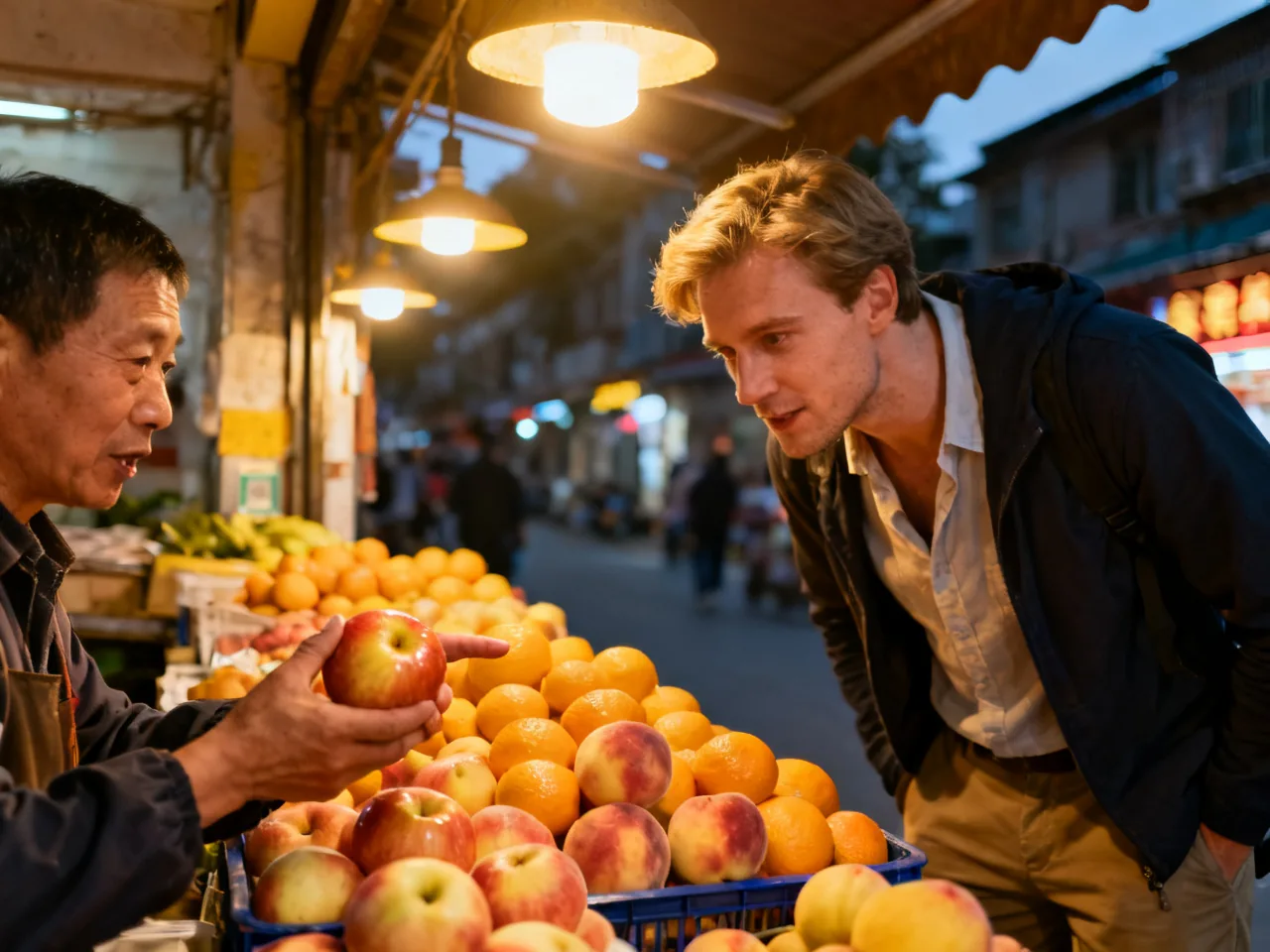
What I liked most was that this kind of “teaching” did not feel insulting at all. It was not correction from above. It was a natural kind of sharing that happened almost automatically. The vendor did not exaggerate because I was a foreigner, and he did not rush to push the most expensive fruit on me. He seemed more interested in keeping me from wasting money. The woman beside me was not showing off either. She simply could not resist saying something after seeing how clueless I was. That is how many ordinary interactions in China feel to me. People may not give long explanations of unspoken rules, but once you are actually inside the scene, someone will often lower the barrier with a single reminder, a quick gesture, or a short demonstration. I do not always understand every word, but I can usually recognize the good will behind the message that says, this way will work better.
Later, when I went to fruit stalls, I started learning not to rush. I would first look at what was in season, because the fruit displayed most prominently, piled highest, and asked about most often was usually what was freshest and selling best. During strawberry season, the berries sat in plastic trays lined with absorbent paper, glossy red under the lights. During bayberry season, foam boxes often showed purple-red stains of leaked juice along the edges. In winter, crates of mandarin oranges stood by the entrance, and when I reached into them, the skins felt cool and released that slightly bitter citrus oil fragrance onto my fingers. I also learned to ask a few practical questions: is this sweet, is it crisp or soft, should it sit for two days, could you help me pick a few that are ready for tonight? The answers were rarely just yes or no. They usually came with a whole chain of lived information: this batch arrived today, that one is good for families with children, do not buy too many of these because the texture will change tomorrow.
I gradually realized that in China, price matters when buying fruit, but what many people truly care about is whether it is worth it. And worth it does not simply mean a low unit price. It means whether the money you spend gets you the right sweetness, the right ripeness, and the right timing for eating. No wonder so many people prefer returning to the same trusted vendor. Once that trust exists, buying fruit stops being just a transaction and starts to feel like a tiny collaboration. The vendor remembers whether you like crisp peaches or soft ones, remembers that you live alone, remembers that you felt the last durian was too under-ripe, and adjusts the next recommendation accordingly. While waiting in line, I often hear regular customers say, “Just pick for me the usual way.” At first I did not understand the weight carried by that sentence. Later I realized it contains a whole ordinary relationship.
Once, using everything I had learned, I chose a bag of nectarines by myself. The vendor said nothing at first. Before weighing them, he squeezed the one on top lightly, then gave me a nod and said, “Now you know how to choose.” The comment was tiny, but I was absurdly pleased, as if I had passed an exam in everyday life. Back home, I left the nectarines on the kitchen counter and washed one after dinner. When I bit into it, the flesh was crisp and full of juice. The sweetness did not explode all at once. It rose gradually between my teeth. In that moment I understood very clearly why people are willing to spend time in front of a fruit stall asking questions, comparing, and selecting carefully. Fruit is tied closely to daily life. If you buy it well, even the mood of your evening improves.
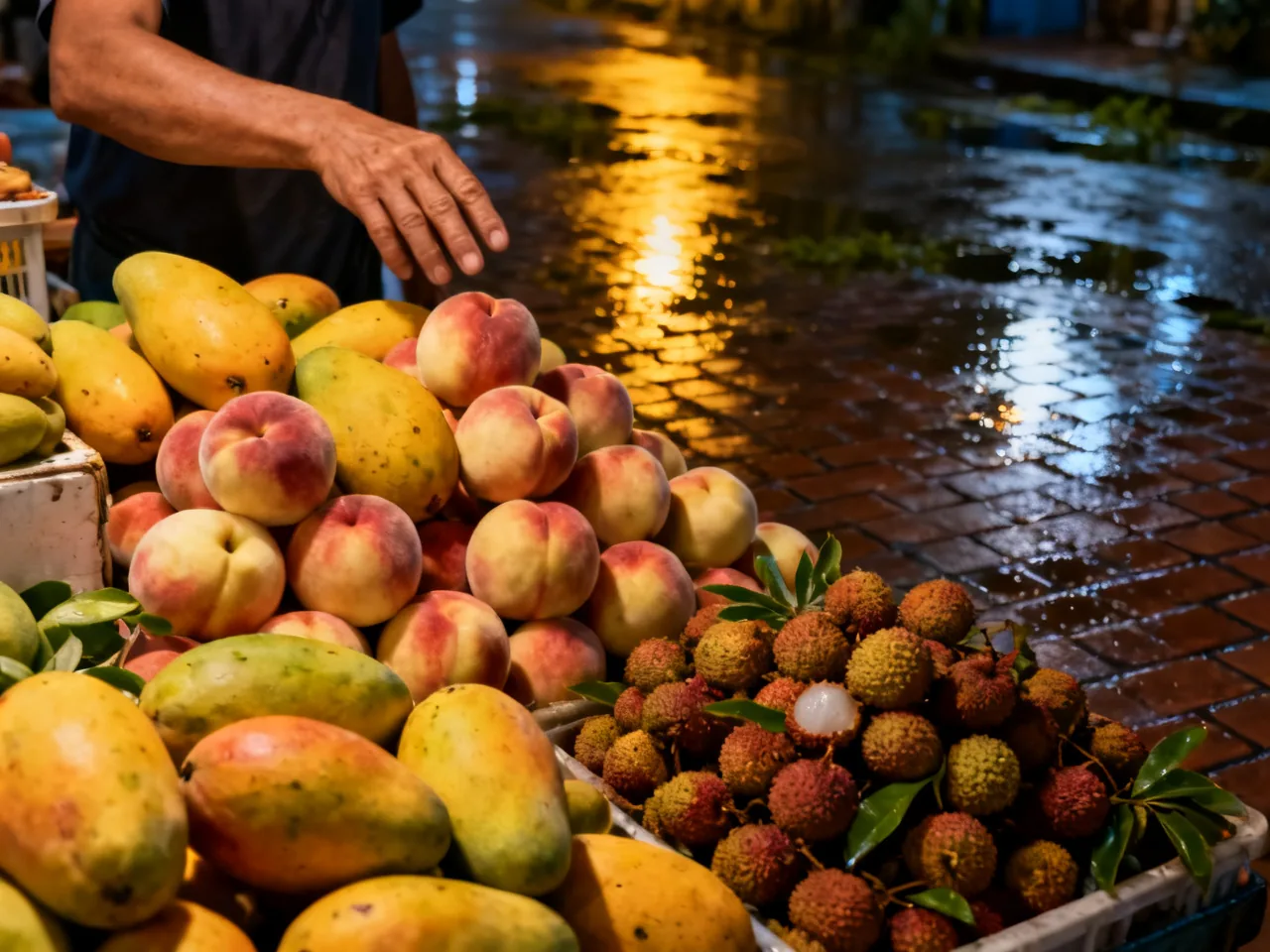
Now, if a friend newly arrived in China asks me how to approach a street fruit stall, I tell them not to rush into pretending they already understand everything. First stand there for a while. Listen to how other people ask questions. Watch how the vendor answers. Notice which fruit smells strongest in the air and which boxes are being searched through most often or newly refilled. When it is time to buy, do not be afraid to speak, even if all you can say is, “Please help me choose.” That alone is often enough to open the interaction. For me, the most charming part of a fruit stall is not simply that it offers fresh produce. It places a very concrete version of everyday China right in front of you: sensitivity to the seasons, attention to texture, a practical reluctance to waste even small amounts of money, and the kind of modest warmth through which strangers are willing to teach you something useful. Every time I carry a bag of fruit back through my compound, hearing children running downstairs and catching the smell of garlic and soy sauce drifting from someone’s kitchen, I feel I have not only bought fruit. I have learned one more way of living here.