中国の茶文化
In-Depth Guide to Chinese Tea Culture
China is the birthplace of tea with over 4,000 years of drinking history. From field to cup, tea is more than a beverage — it’s social etiquette and life philosophy.
The Six Tea Categories
Chinese teas are classified into six types by fermentation level, each with distinct flavors:
Green tea (unfermented) — Longjing, Biluochun, Maojian. Crisp and sweet, ideal for spring/summer. Longjing Village by Hangzhou’s West Lake is green tea’s holy land.
White tea (slightly fermented) — Silver Needle, White Peony. From Fuding, Fujian. Delicate taste; aged white tea (3+ years) develops surprising depth.
Oolong (semi-fermented) — Tieguanyin, Da Hong Pao, Dong Ding. Between green and black tea, perfect for gongfu brewing. Wuyi Mountain’s rock tea (Da Hong Pao) is the most prestigious.
Black tea (fully fermented) — Keemun, Lapsang Souchong, Dian Hong. Rich and sweet. Lapsang Souchong, from Wuyi’s Tongmu Village, is the ancestor of all black tea worldwide.
p>
Dark tea (post-fermented) — Pu’er is the star. Made from Yunnan large-leaf variety, it ages like wine. Vintage Pu’er cakes sell for millions at auction.
Yellow tea (sealed yellowing) — the rarest category; Junshan Silver Needle is representative. An extra “yellowing” step gives it a softer flavor than green tea.
Gongfu Tea Experience
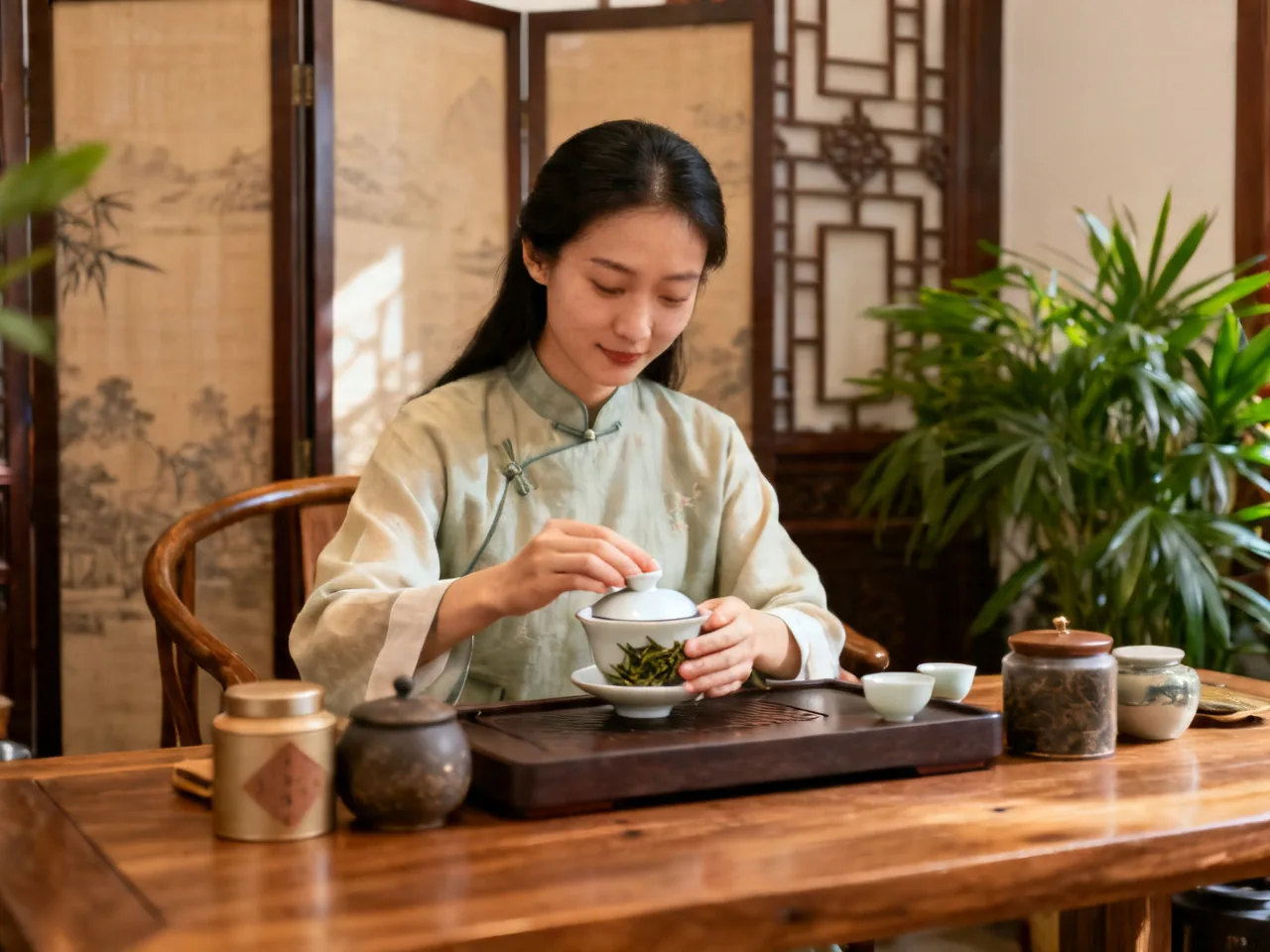
Gongfu tea isn’t a tea type but a precise brewing method. In Chaoshan and southern Fujian, every household has gongfu tea sets. The full process: warm pot → add tea → rinse → brew → pour, with steeping time increasing each round. A good oolong can yield seven or eight infusions.
Tips: Want a deep dive? Spend a few days on Yunnan’s tea mountains (like Jingmai) — pick and process tea alongside local farmers.
Related Reads
- Spring Bloom Map: China’s Most Beautiful Flower Fields
- Summer Escapes: Plateaus & Islands
- Huangshan Sea of Clouds & Welcome Pine: Beautiful in All Seasons
- Best Autumn Foliage Spots in China
- 10-Day East China Five-City Loop