Перед поездкой в Цзинань я сначала собрал на одном экране те несколько сведений, которые заставляют паниковать
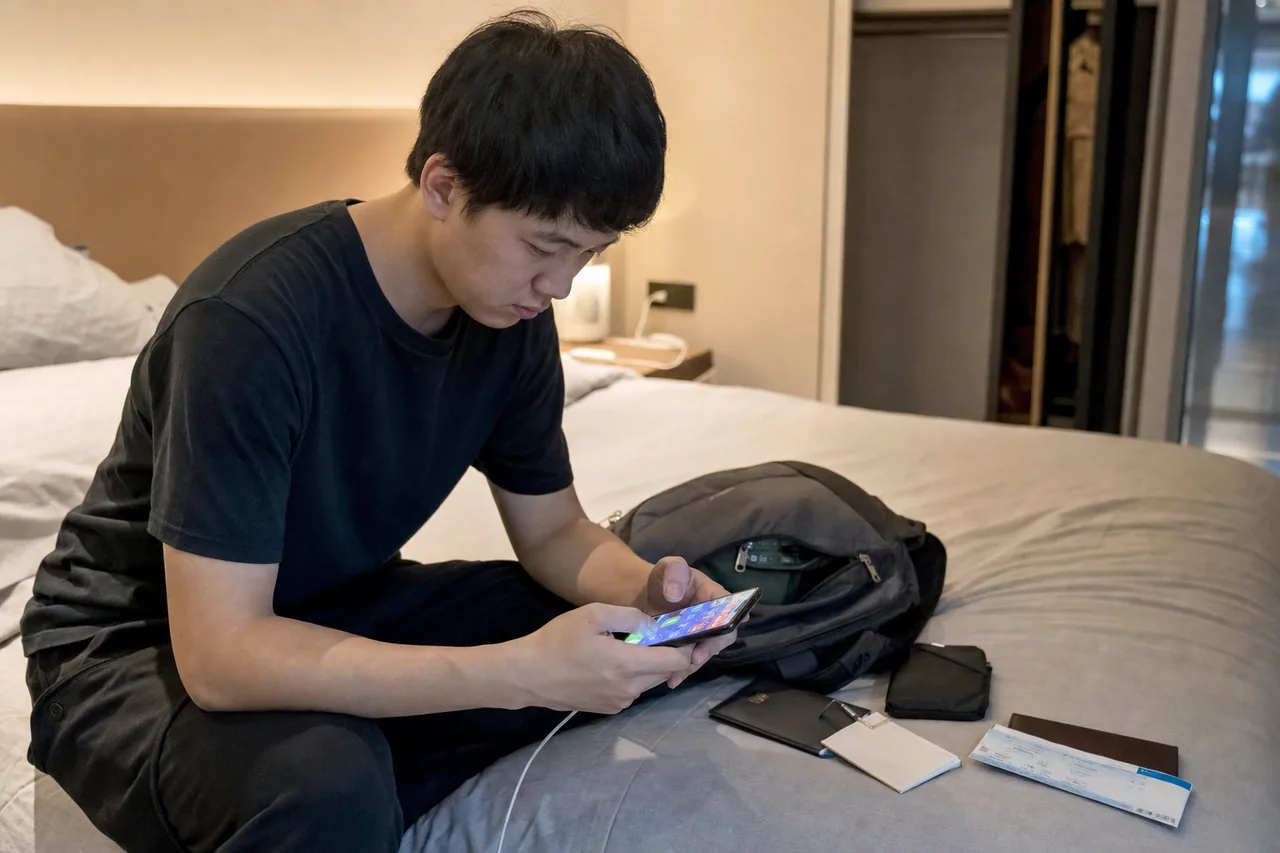
The night before going to Jinan, I spent a long time preparing my phone. In the past, I always thought travel preparation meant packing clothes, checking documents, and confirming tickets, while the phone was merely a tool carried along casually. Now things are different. A single phone contains almost every entrance to the journey: station QR codes, hotel addresses, map routes, weather alerts, payment apps, ticket reservations, camera, notes, and the restaurants and bus transfers searched at the last minute. Before going to Jinan, I sat by the bed, plugged in my phone, and organized it as carefully as a backpack.
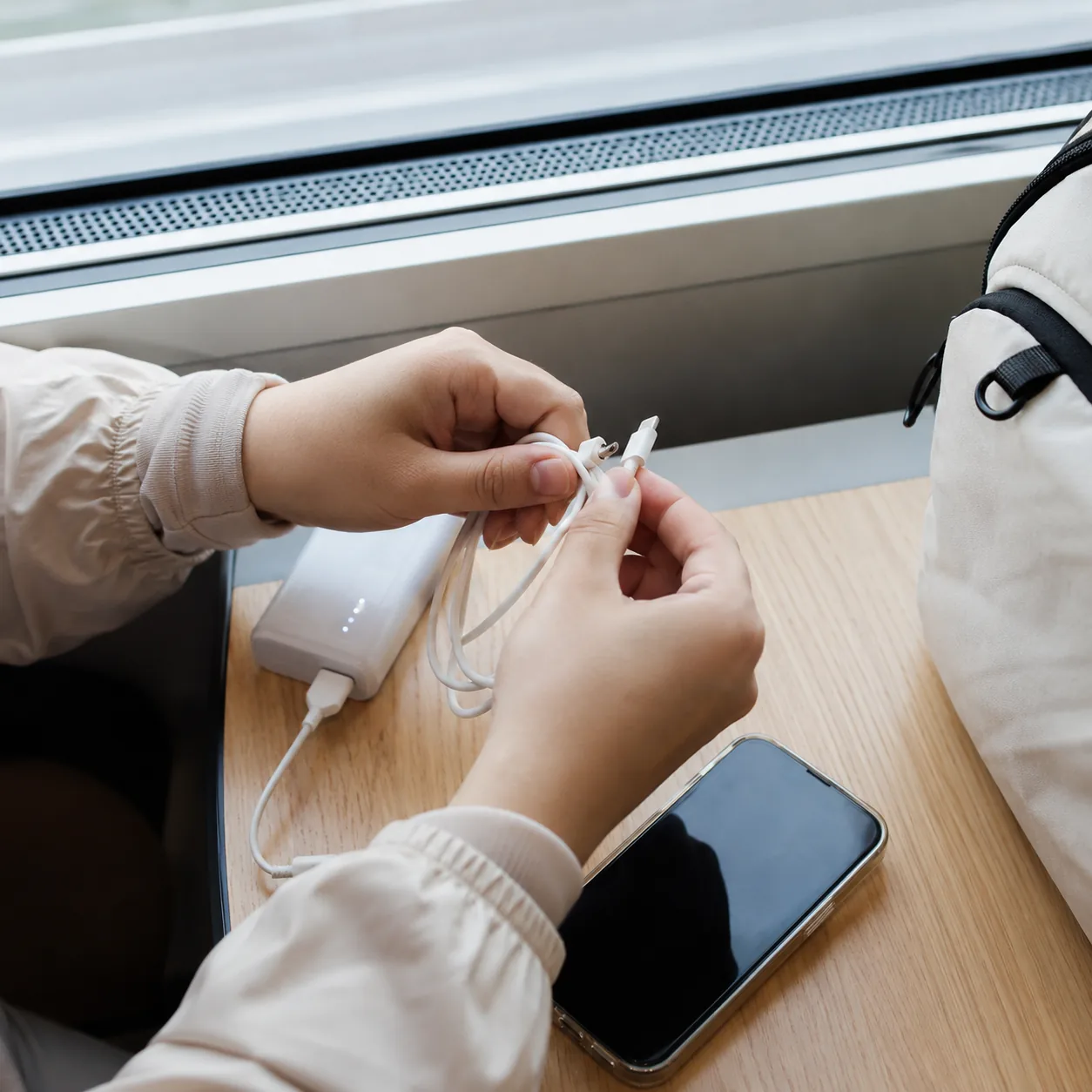
I first checked the battery and the power bank. The charging cables had tangled together like a small knot of trouble made in advance by travel. I untangled them, confirmed that the connector was not loose, and saw three lights on the power bank. Jinan is not a remote place, and charging is available almost everywhere, yet I still did not want my phone to suddenly become a black screen on the road. The most fragile moment in modern travel is often not getting lost itself, but getting lost when the phone has only three percent battery left. That anxiety can make even scenery impossible to absorb.
Then I opened the map, saved the hotel location, and looked twice at the route from the railway station to the hotel. The place names of Jinan were not unfamiliar to me: Baotu Spring, Daming Lake, Quancheng Square. These names had long appeared in books and photos. But when one truly prepares to arrive in a city, familiar names become specific again: which exit to take, how many bus stops to ride, whether the walk requires an underpass, and whether the streetlights will be bright enough at night. I starred several key places, as if laying an invisible road for myself inside the phone screen.
The weather app showed that Jinan would be windy the next morning, turn clear at noon, and become slightly cooler at night. I took my light jacket out of the suitcase again and placed it on top. A small icon on the phone had changed the position of one piece of clothing in my luggage, which amused me. Weather forecasts are not always accurate, but they give people the illusion of being able to prepare. Many things in travel cannot be controlled: trains may be delayed, roads may take detours, shops may close. Yet as long as we see the wind and temperature in advance, we feel that we have seized at least a small piece of initiative.
I also cleaned the photo album, deleting duplicate screenshots, blurry road signs, and several ticket photos I no longer needed. The storage space on my phone was not generous, and if I did not clear it beforehand, a warning about insufficient space might appear when I saw the springs and willows in Jinan. Such a warning would be disappointing, as if the phone were reminding me that memory also requires space to be cleared first. As I deleted files, I found many useless photos that I still did not want to remove: a half-finished cup of coffee, clouds outside a hotel window, a platform light that had not been captured clearly.
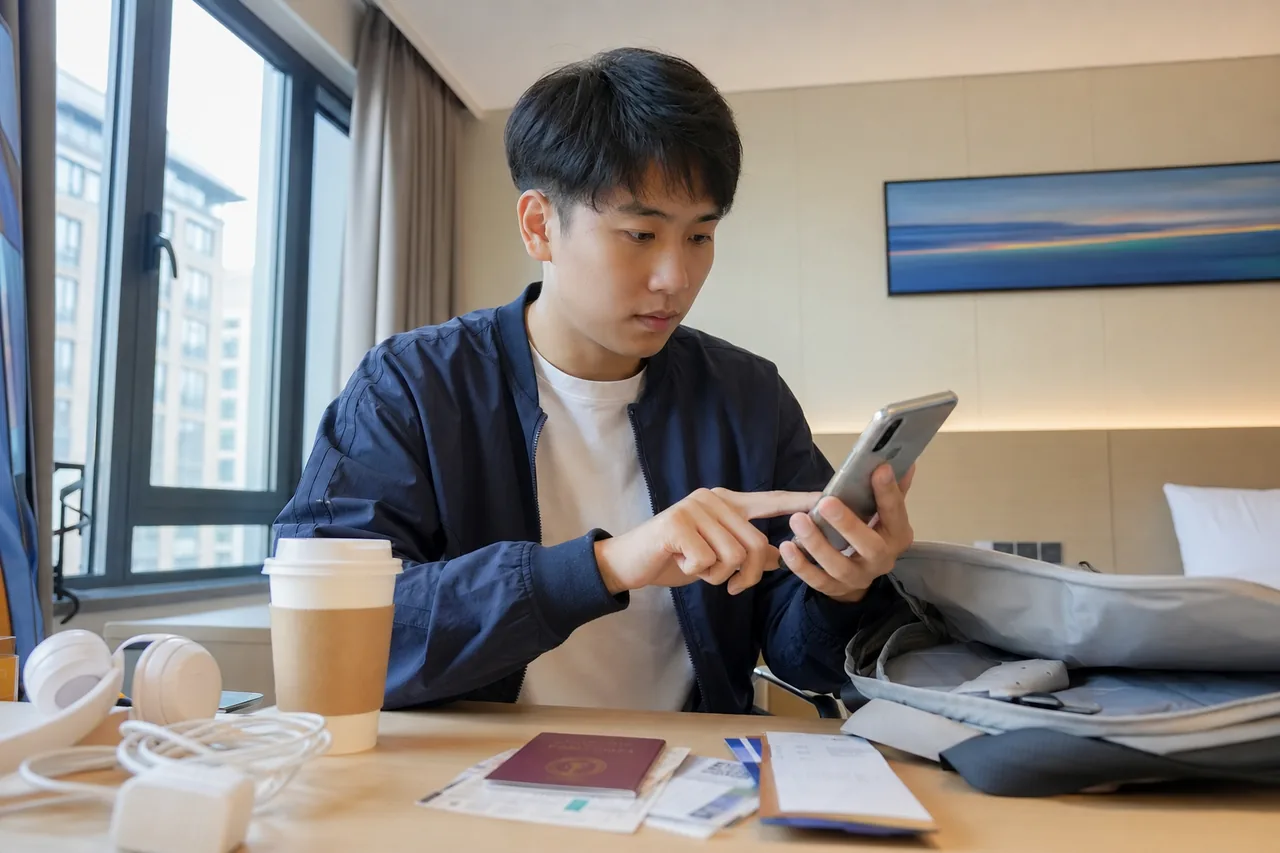
To avoid confusion later, I placed the QR code screenshots I would need into a separate album. Train tickets, hotel orders, reservation information—each image was like a small key. They could also be opened in the apps, of course, but I knew that when the network became unstable, people could suddenly become clumsy, and the more anxious they were, the harder it became to find the right entrance. Screenshots are a simple method, but reliable. I also wrote my identification details and emergency contact information into a note, not because I expected anything to happen, but because preparation itself brings calm.
Then I checked Jinan’s buses and metro. The map offered many routes: some with fewer transfers, some with shorter walks, and some that seemed fastest. I compared them back and forth, and eventually realized that I was not pursuing absolute efficiency. I was imagining the state of my body after arrival. If I had luggage, walking less mattered more. If the weather was good, a few extra minutes on foot would be fine. If I arrived at night, a simpler route would be more valuable than saving five minutes. The phone compressed the city into several colored lines, and I had to translate those lines back into footsteps, stairs, intersections, and fatigue.
Preparing my phone also felt like establishing a relationship with Jinan in advance. The photos of Quancheng Square on the screen looked spacious, the surface of Daming Lake appeared calm in images, and under reviews of Baotu Spring, some people said it was crowded while others said it was worth visiting. The comments mixed tourists’ excitement, locals’ reminders, and merchants’ promotion. I did not believe all of it, nor did I ignore it completely. Travel guides are like other people’s whispers: useful for reference, but unable to see on one’s behalf. I saved several places and reminded myself not to let the phone pull me through the city too quickly.
I checked whether my payment apps opened properly, and looked at the balance and bank card status. This action was practical, even a little destructive to the romance of travel, but without it, much of that romance could not proceed smoothly. Buying a bottle of water, storing luggage, taking a bus, entering a scenic area, eating a bowl of noodles—all require the phone to make that crisp payment sound. In the past, people touched the cash in their pockets before going out; now we confirm the network, balance, and payment code. The change is not only technological but bodily: the feeling of security has moved from the wallet into the screen.
I also downloaded an offline map. Although I might not use it most of the time, watching the progress bar slowly finish gave me the illusion of folding the city into my pocket. Jinan’s streets, lakes, springs, malls, and stations were compressed into a data package lying quietly in my phone. But I also knew that the real city would not be so obedient. Routes on a screen have no wind, lakes on a map have no smell, and scenic icons cannot tell you whether the locust flowers along a road are fragrant. An offline map can keep me from losing direction, but it cannot gain experience for me.
Before going to sleep, I set several reminders on my phone: what time to leave in the morning, how long before departure to arrive at the station, and to confirm the hotel address after reaching Jinan. The reminders had not yet sounded, but I already felt steadier because of them. During travel, the phone is like a small assistant, and also like a companion that easily distracts you. It helps you remember time, but steals the time you might spend looking at clouds. It helps you find the road, but makes you forget to ask for directions. It saves photos, but may make you rush to take pictures and miss the act of truly seeing.
So in the end I did something slightly contradictory: I prepared everything that needed preparing, then moved several apps that were easy to scroll endlessly into a deep folder. Short videos, meaningless messages, and casually opened recommendations were temporarily hidden. I hoped that after arriving in Jinan, the phone would appear when needed and remain quiet when not needed. Travel is not about changing locations only to keep staring at a screen; it is about letting the world beyond the screen become large again. The purpose of preparing the phone is precisely to reduce anxious dependence on it.
When I left early the next morning, my phone battery was at one hundred percent, and the power bank was full as well. I checked the ticket screenshot, hotel address, and map once more, then placed the phone in my pocket. At that moment, I felt a slight sense of departure. Not because everything was foolproof, but because I had organized what could be organized, and the rest would belong to the real road. Jinan was still ahead. My phone held its simplified version, and I was about to enter the version that could never be fully explained by a screen.
While waiting at the station, I saw many people looking down at their phones too. Some confirmed the ticket gate, some sent voice messages to family, some checked the weather, and some watched shows with earphones on. Everyone’s screen was lit, like a small window leading to their own arrangements and concerns. I suddenly felt that in a modern station, real luggage is not only beside one’s hand, but also inside the phone. Invisible data, contacts, orders, and routes are carried onto the road just like clothes. They weigh nothing, yet they can determine whether a person arrives smoothly.
After the train started moving, I did not immediately photograph the window view. Instead, I switched the phone to power-saving mode and placed it on the tray table. Outside, the scenery slowly retreated: buildings at the edge of the city, factories, waterways, and fields appeared one after another. When the phone screen dimmed, the window glass seemed brighter. I knew that once I reached Jinan, I would pick it up often to check routes, pay, take photos, and contact the hotel. But for the moment, the preparation was complete, and the tool could step back. A real journey needs to begin by looking up.