Первый урок платежей в Китае: как сочетать наличные, банковские карты и мобильные платежи
Many first-time visitors to China think about payment as a search for one perfect tool. Some bring only cash, some hope an international card will cover everything, and some put all their trust in mobile wallets before they even land. The more reliable solution is the opposite of a single choice. Cash handles edge cases, bank cards provide a fallback layer, and mobile payment covers most everyday small transactions. Once the division of labor becomes clear, much of the anxiety disappears.
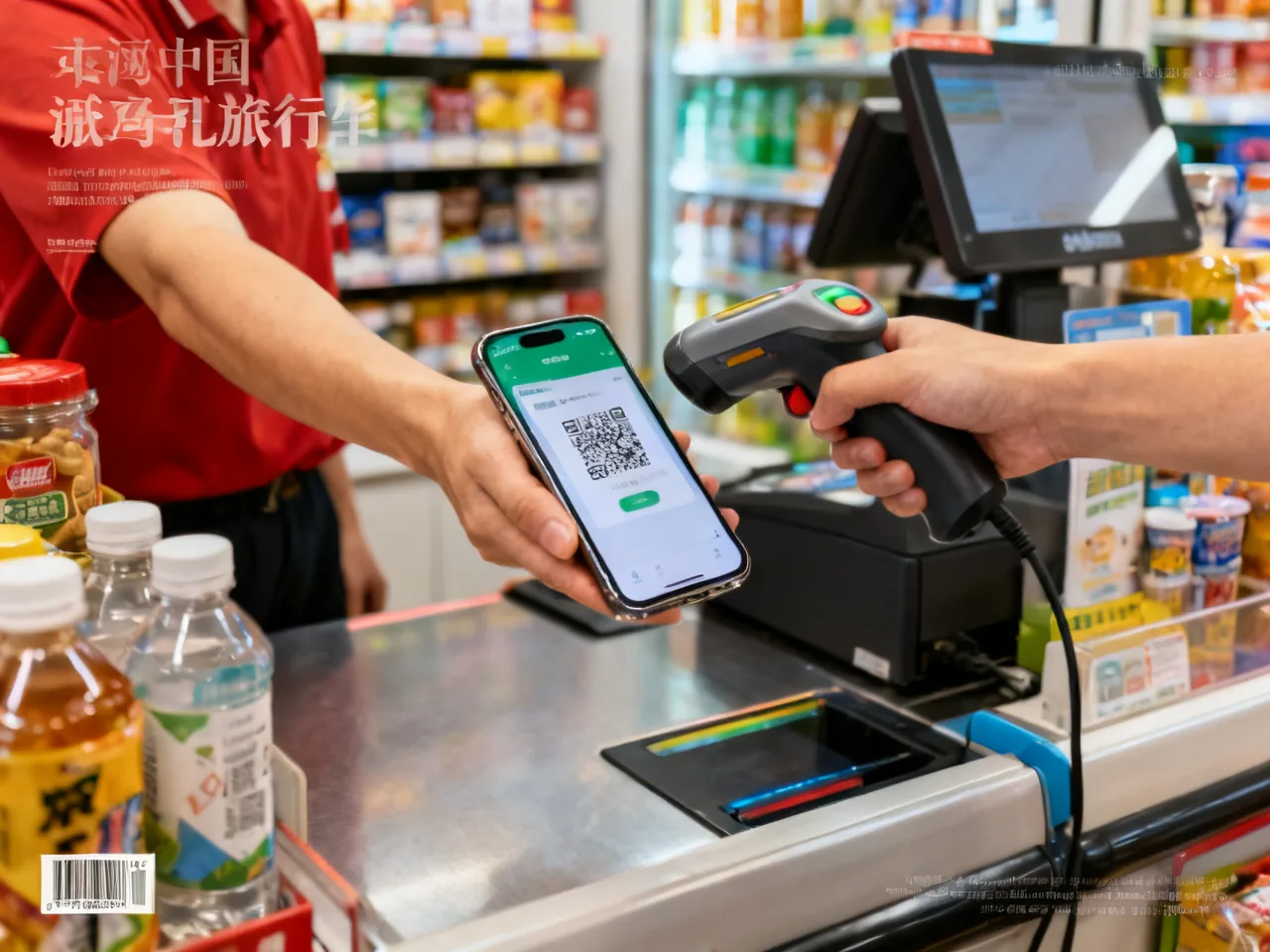
We normally think of payment in three layers. The first layer is the main mobile tool already linked in your phone, suitable for convenience stores, cafés, ride-hailing, food delivery, and small purchases at attractions. The second is a working bank card for hotel deposits, larger transactions, or moments when the main tool fails. The third is a small but essential amount of cash. It does not need to be large. Its job is to rescue you when devices malfunction, networks lag, or a tiny shop prefers the simplest possible exchange.
Cash Is Not the Lead, but Do Not Abandon It
In Chinese cities today, cash is clearly no longer the highest-frequency payment method, but it still has a “last-meter” value. Near transport hubs, in some temporary markets, or in the first hours after landing when your phone data setup is not fully stable, a small amount of cash keeps you from solving a chain of technical problems at the exact moment when you are most tired.
There is a common mistake here. Some travelers worry about payment friction and convert a large share of their budget into cash. That is not smart. Once the amount grows, the risks of loss, change handling, and simple psychological burden all rise with it. Cash should be a buffer, not the main battlefield.
The Role of a Bank Card Is Backup Stability
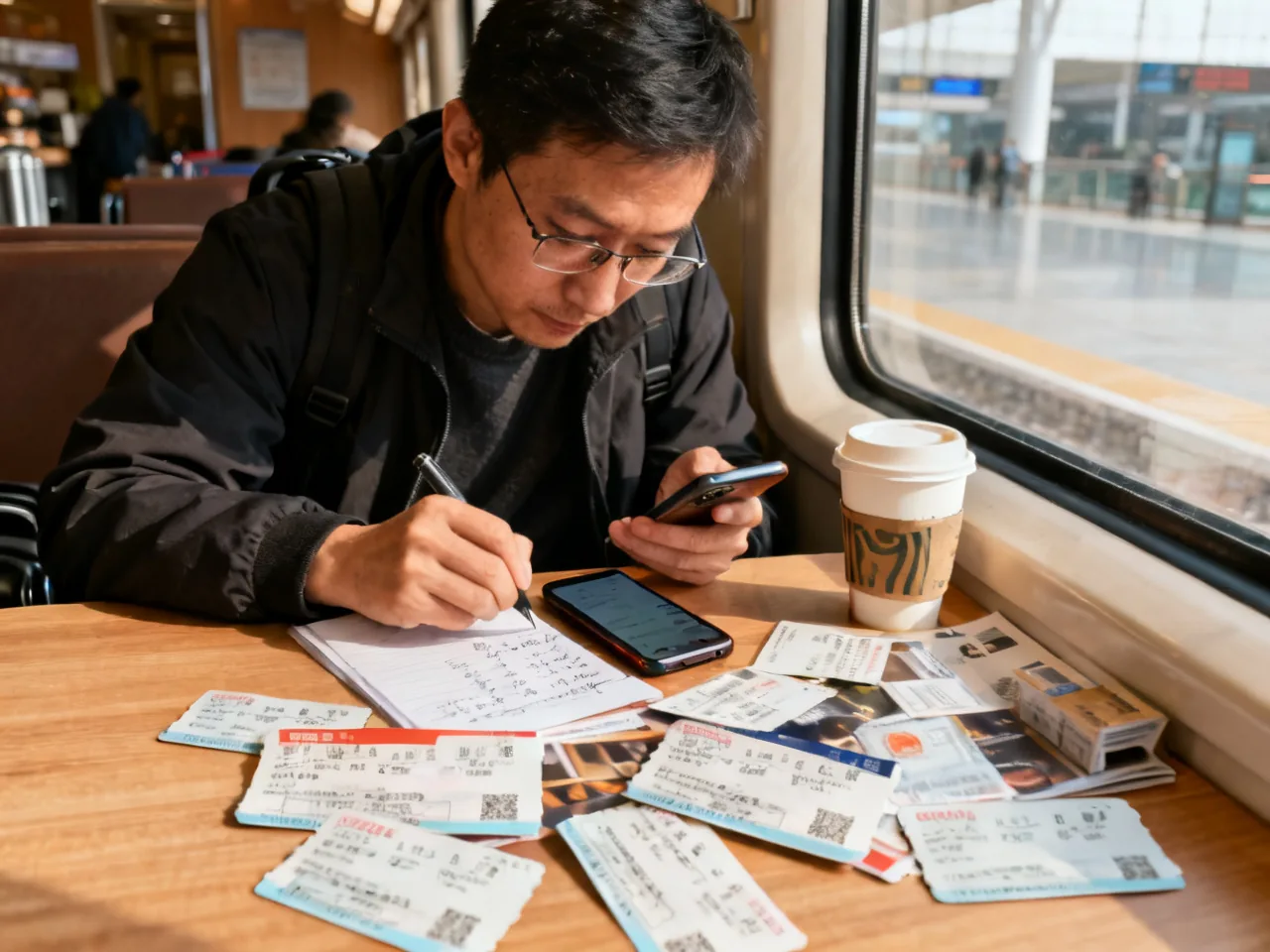
Bank cards are often underestimated in the China payment setup. Many travelers assume the phone is enough until they face a hotel pre-authorization, a merchant system change, or a dying battery. That is when the physical card and the card network still matter. It may not be your daily high-frequency tool, but it determines whether you still have options when the main path breaks.
At a practical level, the card also helps you control spending rhythm. Put larger transactions on the card and leave daily fragments to mobile payment. Reviewing your expenses later becomes much clearer. For first-time visitors, this layering is not only technical backup. It is cognitive relief.
Mobile Wallets Deliver Efficiency, but Do Not Mythologize Them
Mobile payment is genuinely powerful in daily life in China, and there is no reason to pretend otherwise. QR scanning, instant confirmation, easy refunds, and transaction records make it the most convenient primary tool in ordinary situations. But even at its best, it still depends on battery life, connectivity, binding status, and occasional risk checks. The mature approach is not to treat it as magical, but to let it work alongside the other two layers.
If you want more related reading on the site, continue with another China payment article and a related piece on travel budgeting in China. The first payment lesson for China is not mastering one app. It is learning to let cash, cards, and mobile wallets each do the job they are best at.