После той «дешёвой» поездки я научился обходить навязанные покупки в турах
Dear Alan, you asked why I now read the contract first, the itinerary second, and the price last when booking trips in China. I keep thinking of that cheap tour three years ago. It was not a disaster, but it was an expensive lesson: the scenery outside the bus was real, the silence inside the bus was real, the discount looked light on paper, and the four hours outside a shopping stop felt very heavy.
I thought I had found a bargain: two days and one night, transport, hotel, two meals, and entrance tickets at a price that looked almost mistaken. Before departure, the agent said shopping was voluntary and that not buying anything was fine. I believed the sentence, but I failed to ask two questions: how long would each shopping stop last, and would refusing to buy affect the rest of the trip?

The first stop was a jade shop. The guide did not shout. She simply closed the bus door and said calmly, “Please cooperate; we also have targets to meet.” That sentence was harder to deal with than open aggression, because it turned spending into a favor. Some people bought pendants, some stared at their phones, and some pretended to study the display lights. Standing in a corner, I understood for the first time that forced shopping does not always look violent; sometimes it wears the coat of “please understand.”
I am not writing to tell you never to join a group tour again. Group travel has real advantages: it saves transfer planning, helps families with seniors or children, and works well for first-time visitors. What I want to say is that cheap tours do not require courage as much as filtering. Before paying, you need to turn vague enthusiasm into clear conditions.
My first rule is this: if the quoted price is clearly lower than the normal cost of transport and lodging, treat it as an advertisement before treating it as an itinerary. Ask where the subsidy comes from. Some low prices come from off-season rates, platform coupons, or unsold hotel rooms; those can be reasonable. Some come from shopping commissions, and those deserve caution. A tour cannot operate at a loss forever; the difference will return from somewhere.
My second rule is to inspect the verbs in the itinerary. A healthy itinerary says “visit,” “walk,” “take a boat,” or “free time.” Riskier ones often say “learn about culture,” “experience craftsmanship,” “enter an exhibition hall,” or “taste selected products.” These words are not automatically bad, but if they appear several times in a day without clear durations, stay alert. The more vague the wording, the more room there is for pressure on site.
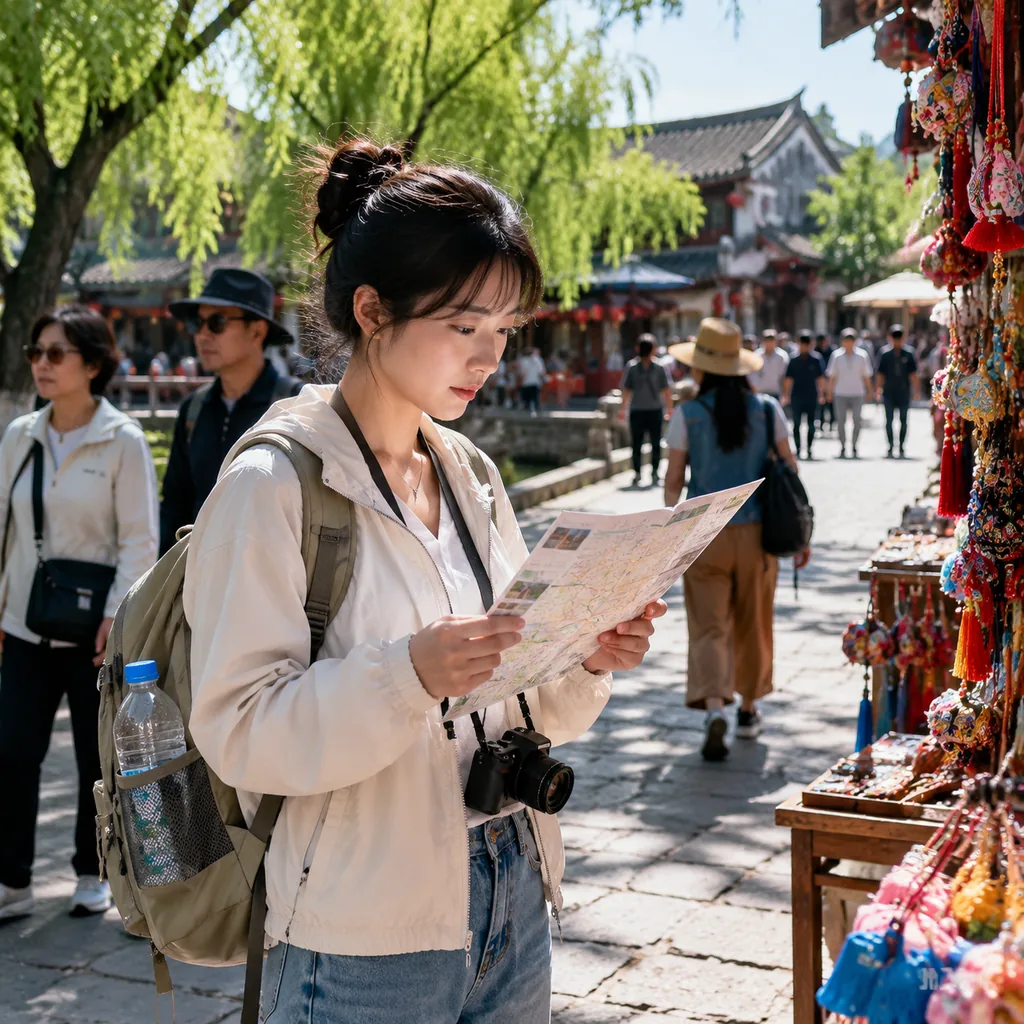
My third rule is not to ask only, “Is there shopping?” Ask whether the group enters any commercial venue, how many, how long each stop lasts, and whether this is written in the contract. Many disputes hide behind phrases like “not a shop, but a cultural experience center.” Ask for answers in a form you can save as screenshots. A warm voice on the phone is less useful than written words.
Here is the decision tree I use now. Step one: is the price unreasonably low? If not, continue checking reviews; if yes, go to step two. Step two: does the itinerary mention shopping or “experience centers”? If yes, ask about duration and exit options; if not, request written confirmation that no shopping is arranged. Step three: does the contract state responsibility for breach? If not, do not pay. Step four: do reviews repeatedly mention shop stops, sales pressure, wasted time, or a guide’s attitude? If more than three reviews do, drop it. Step five: can you refuse spending or leave the group without losing transport or lodging? If the answer is blurry, drop it too.
If pressure happens on site, do not push yourself into an emotional fight. Save evidence first: itinerary, contract, chat records, license plate, guide information, arrival and departure times at shops. Keep your words short: “I will not purchase. Please continue the itinerary according to the contract.” Do not explain why you are not buying. The more you explain, the more material others have for persuasion.
If a guide turns refusal into humiliation, contact the travel agency’s customer service immediately and ask for a complaint number. In serious cases, call the local culture and tourism complaint line or 12345. It helps to have fellow travelers confirm the facts. One person saying “I felt pressured” can be dismissed as misunderstanding; several people recording “we stayed for two hours and could not leave” is closer to evidence.
Of course, the easiest solution is still to avoid risk before departure. When choosing a no-shopping tour, do not trust the title alone; check whether the contract excludes designated commercial stops. For independent travel, you can buy local services separately, such as transport or guiding only. For a private car, agree in advance that there will be no shopping stops and write down overtime fees clearly.
After that trip, I did not become a suspicious traveler. I simply learned to put cheapness back in its proper place: it can be a pleasant surprise, but it cannot replace rules; it can be tempting, but it should not stop us from asking questions. Travel is meant to show us the world, not to make us prove at a counter that we are too polite to refuse.
So, Alan, if you see a tour price that looks as pretty as a gift, do not rush to book. Ask the questions in this letter one by one. A low price that can be answered clearly may be a good price; an agent who gets angry when questioned has already filtered themselves out for you. I hope your money buys scenery, time, and peace of mind, not an awkward silence.