In Beijing I Learned Not to Treat the Last Metro as My Only Plan
Beijing is a city that makes it very easy to overfill your schedule. During the day, you think the attractions are far apart but the metro is fast, transfers are clear, and even if you run late, you can still make it. At night—especially after a show, a city view, or dinner with friends—you naturally keep betting on one idea: “I can still catch the last metro.” I used to do exactly that. As long as I had the route on my phone, my legs still worked, and the time looked only ten or fifteen minutes tight, I assumed there was nothing to worry about. But one night, returning to my hotel from the Liangmaqiao area, I finally learned something else: the last metro can be one option, but it should never be your only plan. For foreigners, placing the whole return on a single deadline carries much more risk at night than it seems to during the day.
That evening had no dramatic beginning at all. Conversation after dinner simply ran a few minutes longer than expected, the wind outside was a little cold, and my phone battery was lower than I had imagined. The map showed that if I walked quickly and transferred smoothly, I could theoretically still catch the last train. The older version of me would have started half-jogging immediately and placed all hope on that word, “theoretically.” But that night, I suddenly became alert. What if this line was delayed by a few minutes? What if I took the wrong exit? What if I reached the station only to discover that the last train had already passed? I had always known these questions existed, but at critical moments I usually chose not to think about them. Later I realized that this kind of hopeful denial erodes safety more than anything else. It runs opposite to ideas like building security from ordinary details and asking for help in time while traveling in China.
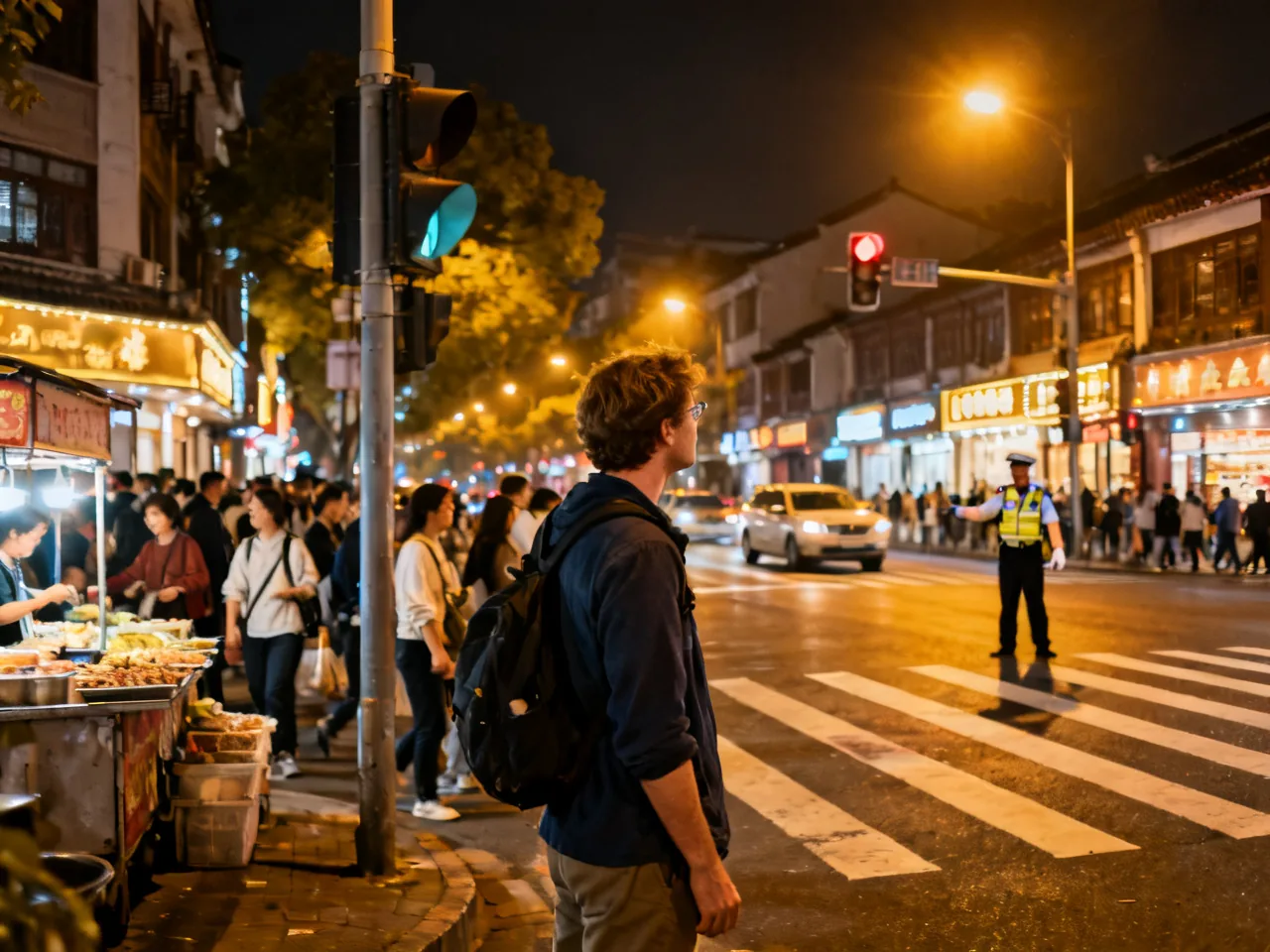
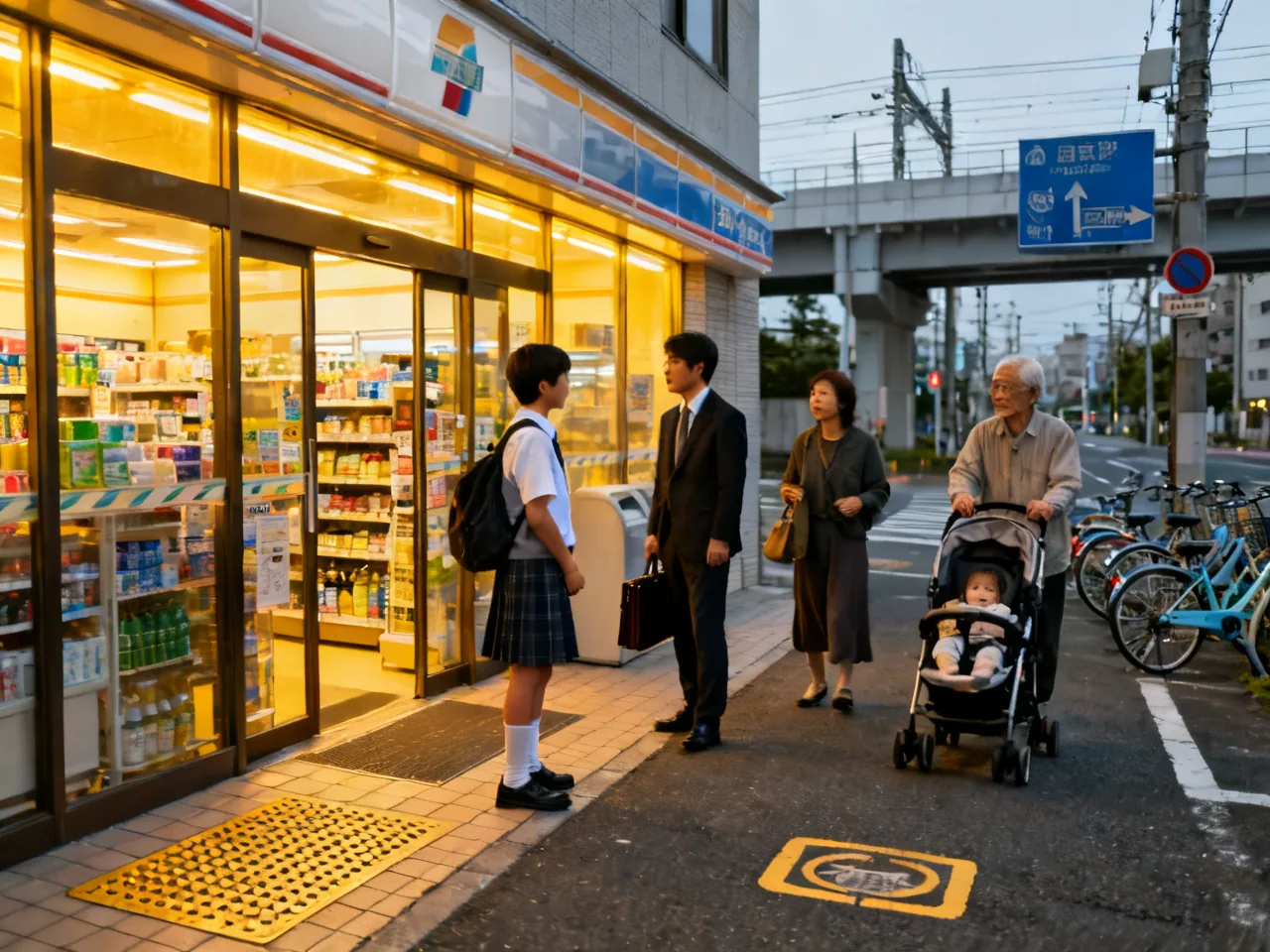
So for the first time before a late return, I performed a very plain action seriously: I stood still for one minute and thought through all backup options. I confirmed whether the nearest metro entrance was still open, checked where the easiest taxi pickup point would be if I missed the train, noticed which nearby convenience store was still lit, confirmed that I had a screenshot of the hotel address in Chinese, and judged whether my battery could support ride-hailing and contact if needed. Just completing that step steadied me by half. In the end, I did catch the metro, but the most important gain was not “good thing I made it.” It was that for the first time, I stopped treating luck as part of my travel plan.
After that, my view of the “last metro” changed completely. I used to treat it as proof that I had compressed time efficiently—as if boarding at the final possible moment meant I had made perfect use of the day. Now I think the opposite. If the success of your whole evening depends on the final few minutes unfolding without a single small problem, then the plan itself is not steady enough. Beijing is huge, and returning across districts at night already involves walking, station transfers, exit judgment, energy management, and battery management. The more you squeeze every variable into the last available window, the easier it becomes to lose control because of one tiny thing. Real maturity is not “I can always make it dramatically in time.” It is “even if I miss it, I already know how I will get back.”
Later I set a few very concrete late-return rules for myself. First, if the ending time is near the last metro, I check two plans in advance: a metro plan and a non-metro plan. Second, I would rather leave a restaurant or venue ten minutes earlier than gamble all calmness on the final transfer. Third, before moving, I screenshot the hotel address in Chinese, the name of the nearby station, and a backup pickup point. Fourth, if my phone is already low on battery, I solve the battery problem first instead of thinking only about walking faster. Fifth, if I am splitting up from friends, I do not say merely, “I’ll get back on my own.” I make the return method explicit. For foreigners, that clarity is itself a safety action.
This also made me understand more clearly that a sense of urban safety does not come from always choosing the cheapest or fastest return. It comes from being prepared for what happens if things do not go smoothly. Many people feel uneasy at night in China not because the environment itself is frightening, but because once the return plan breaks, they have no second line in mind. As soon as you have a second line, much of the tension drops automatically. Beijing helped me understand this especially well because its scale magnifies every small judgment: do you keep pushing toward the station entrance, or stand still first and check the backup? Do you delay until the last moment to save a little money, or switch earlier to preserve steadiness? The answer may differ each time, but the principle should stay the same—do not force yourself into a situation where only one route remains.
When I finally sat down on that train, the carriage was already fairly empty, and the window reflected a face slightly reddened by the cold wind. After the train started moving, I did not feel the old thrill of “dramatic success.” Instead, I felt a quiet ease. What relaxed me was not that I had made the last metro. It was that I no longer needed to make it in order to prove to myself that I knew how to travel. For foreigners moving through China at night, that is an extremely useful shift. You do not need to build every smooth outcome on luck, and you do not need to save a little time or money by pushing yourself into a situation where one mistake creates unnecessary stress. If someone asks me now what the most important principle is for getting back to a hotel late in Beijing, I would probably say this: do not treat the last metro as your only plan. As long as you leave yourself a second line, the whole city becomes easier to cooperate with, and you become a much steadier traveler within it.