I Only Understood Qingdao in July After Learning to Use a Seaside City Backwards
When I first arrived in Qingdao, I was like many people on their first trip to a seaside city: my mind was full of the sea. I thought the most correct way to begin was to head straight for the coastline and keep my eyes on the horizon from morning to night. But July in Qingdao corrected that idea quickly. Once the sun rose higher, the brightness by the water was not gentle at all. It tightened your whole face. And once the crowds thickened, even the view started to flatten. Everyone lifted their phones toward the same angle, and even the pauses between people seemed scheduled. I stood at the roadside watching them hurry toward the sea and suddenly felt like turning away instead.
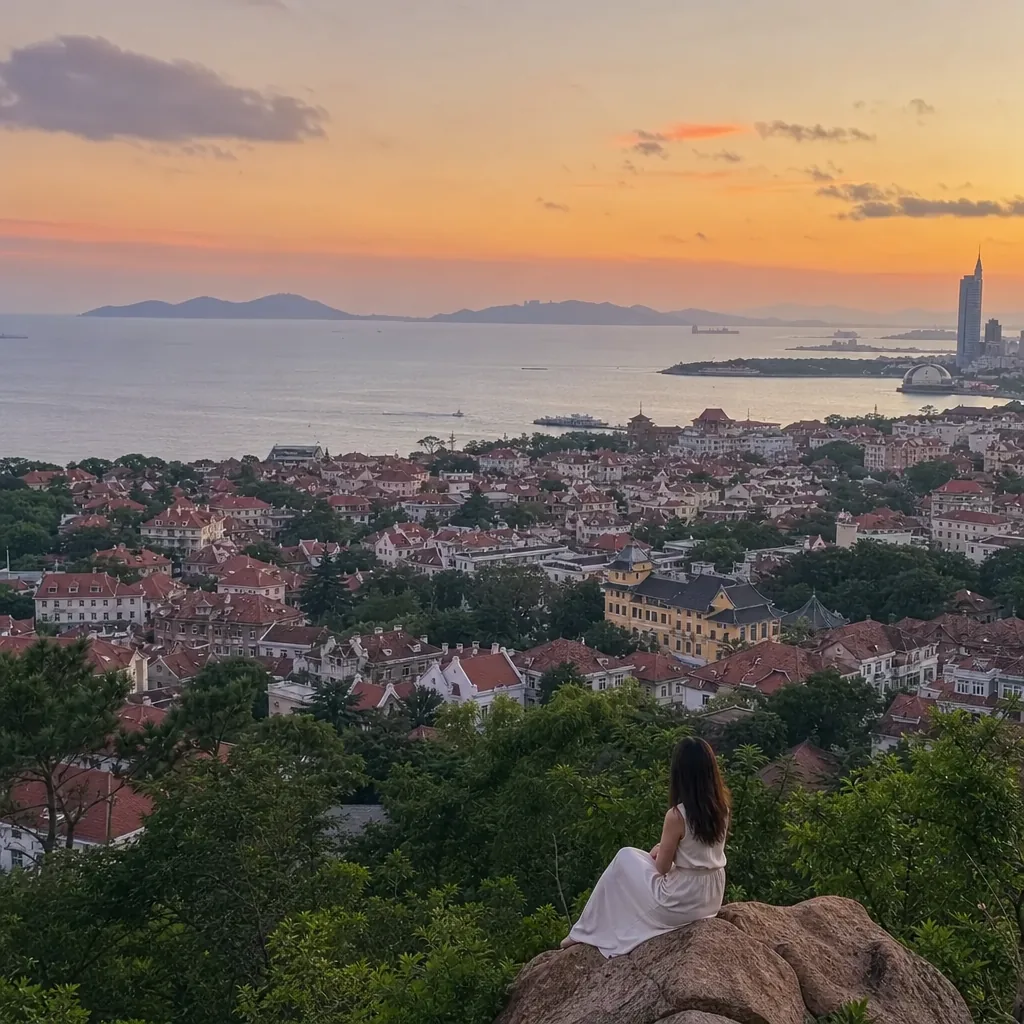
So I did something I had not planned at all: I walked inward first. Not sea first with the city as a side note, but the reverse—shade, old buildings, sloping roads, and residential pockets before the coast. At first the order felt almost wrong, but Qingdao is strangely well suited to it. In the morning around Badaguan, the pavement had not yet turned white under the heat. Red roofs and pale walls appeared between the trees in fragments. Cyclists passed now and then, and their wheels made a small brushing sound against the road. It did not feel like arriving at a famous attraction. It felt more like I had been quietly admitted into the city’s breathing system.
I remember one corner especially well. I had just come down a slight slope, with a little humidity still clinging to my arms, when a breakfast shop ahead rolled up its hanging screen. Someone inside was turning fried dough with metal tongs. The air carried the smell of flour and oil, but also that damp salty edge that belongs to many coastal cities. I hesitated over whether to buy something, and a middle-aged man standing near the door glanced at me and said I should sit for a while first because the wind was better farther ahead. I followed the direction he pointed and really did find a stronger, kinder breeze at the next opening. A lot of my affection for Qingdao came not from grand scenery, but from these small, precise moments that only made sense right there and then.
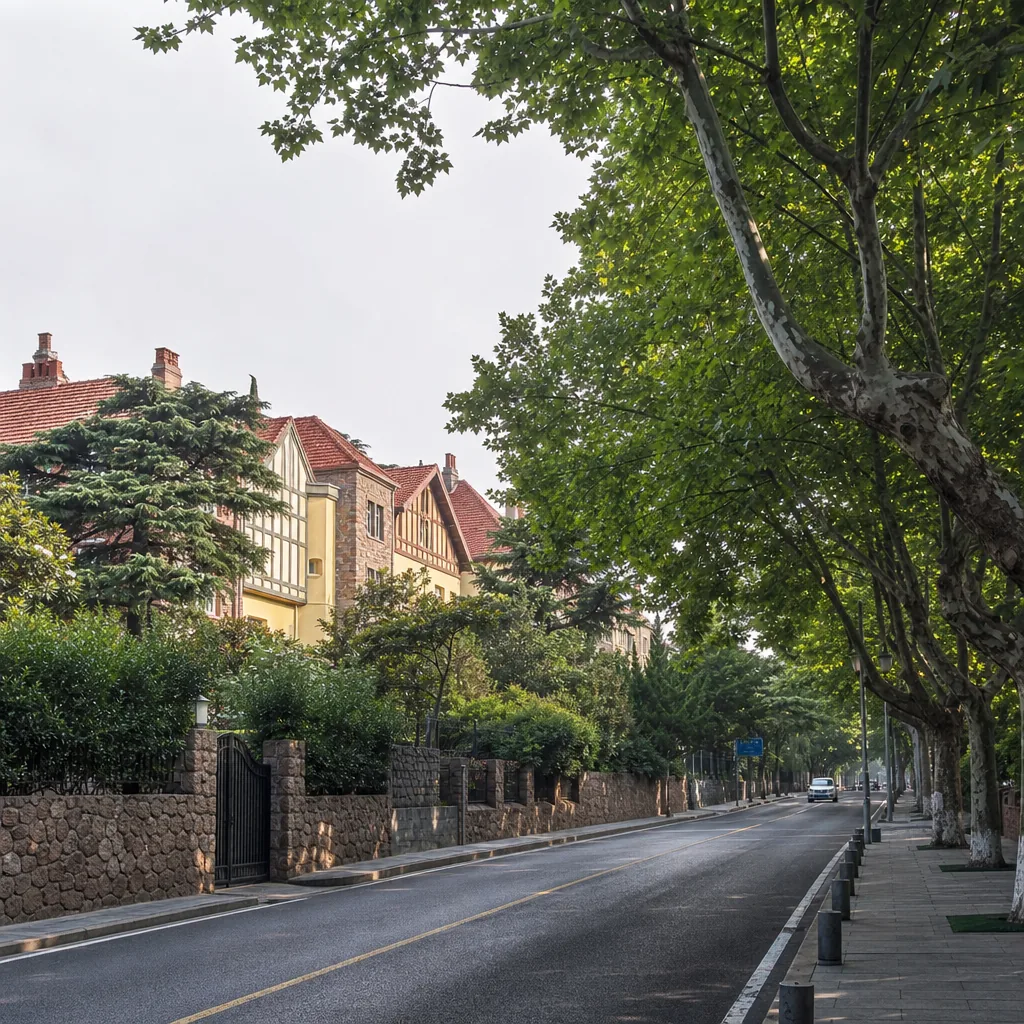
At the brightest, hottest part of the day, I stayed away from the coast on purpose. I went looking for side streets, shaded stretches, or simply a place indoors where I could watch how the light fell outside. I used to think travel was always about catching the “best time” for everything. Qingdao taught me that a golden hour does not belong equally to every place. Noon can be too harsh for the sea, but perfect for seeing what shifting tree shadows do to an older wall. Once I separated time this way, my mood relaxed as well. I no longer had to compete with the crowds, chase the standard photo position, or keep telling myself to hurry before something was lost.
Only in the evening did I return to the sea. By then the coastline had depth again. The wind was no longer just messing up my hair. It was steadily lifting the heat that had been left on my skin all day. Some people rolled up their pants and stepped into the shallows. Couples leaned against the railing and talked. Others simply stood still, watching the sky turn from pale blue into something deeper. That was when I understood why going “backward” had felt so right. I had not taken a detour. I had given the view a better moment to arrive. The most moving side of Qingdao is not always the first glance you rush toward. Sometimes it is the glance the city hands back to you after you have lived through the rest of the day.
When I sat down for seafood that night, the tabletop felt faintly damp, condensation was running down the side of my beer glass, and shellfish clinked on plates at the next table. It struck me then that a seaside city was never complete if all you do is “see the sea.” It should also include the slight breathlessness of walking uphill, the breeze at a street corner, old buildings under moving shade, and the precise human sounds around a dinner table at night. What Qingdao taught me that July was not a more efficient route. It was not to shrink a city too quickly into its loudest label.
On the way back, I walked down another sloping road and could still catch a trace of light coming off the water in the distance. It was already dark, and the leaves were edged with only a thin outline of brightness. At that moment I felt sure that if I ever came again, I would still begin in the opposite direction. Some cities are not meant to be understood by rushing straight toward the headline view. You have to detour a little, slow down a little, and pull yourself out of the panic of needing the most beautiful image right away. Once you do that, the sea has a way of returning to you at exactly the right time.